
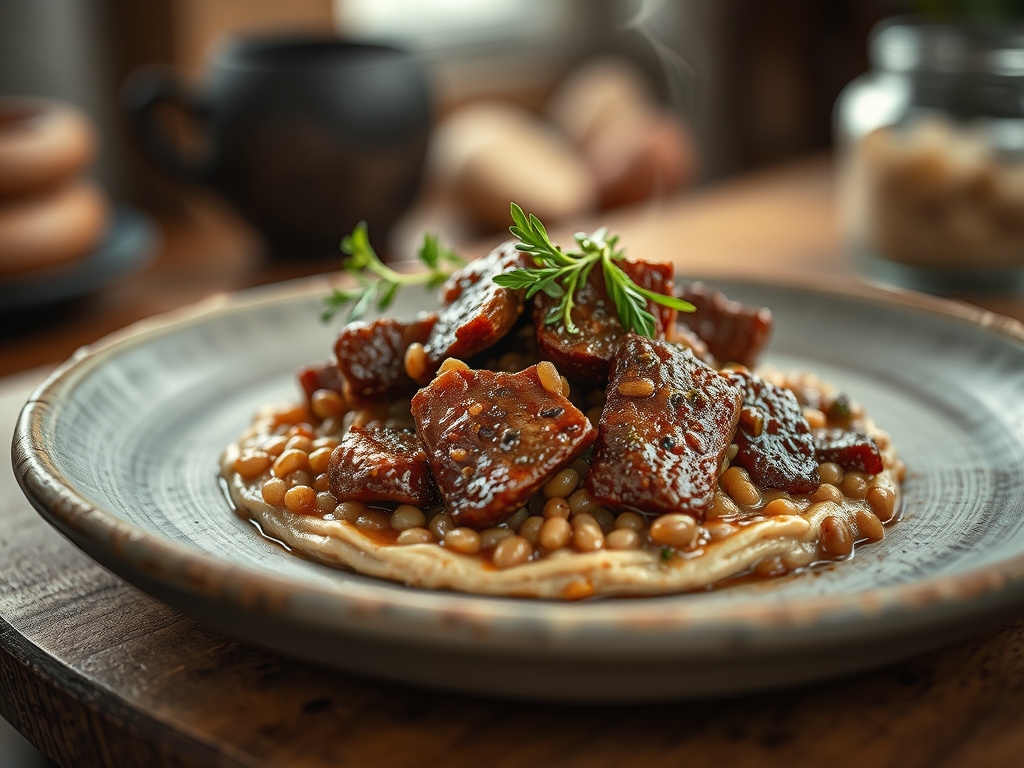
Picture the steam rising from a heavy bottomed skillet; it carries the deep, savory scent of searing protein and the earthy, nutty promise of grain. When you are craving comfort that actually sticks to your ribs, nothing competes with the rustic elegance of barley beef recipes. This is not just a meal; it is a masterclass in texture and timing. We are talking about the way a pearl of barley absorbs the rendered fat from a choice cut of beef, swelling into a tender, chewy vessel of pure umami. It is the culinary equivalent of a cashmere blanket. Whether you are simmering a traditional stew or tossing a vibrant warm salad, the synergy between these two ingredients relies on the science of slow-released starches and the Maillard reaction. We are going to move beyond the basic canned soup vibes and elevate these staples into something truly gourmet. Grab your favorite apron and a glass of red; we are about to turn your kitchen into a high-end bistro.
The Gathers:
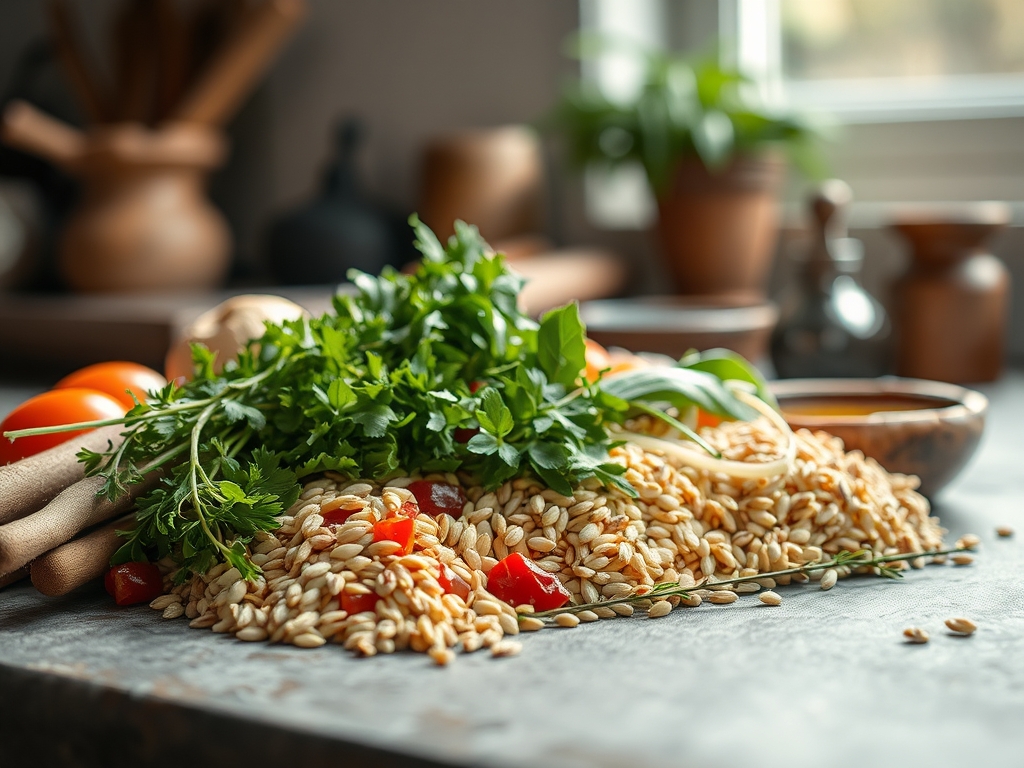
To execute the perfect barley beef recipes, your mise-en-place must be precise. Start with your protein. I recommend a well-marbled chuck roast or short ribs; the high collagen content is essential for a viscous, silky mouthfeel once it breaks down into gelatin. For the grain, pearl barley is the industry standard for its reliable cook time, but hulled barley offers a superior fiber profile and a more aggressive "pop" when bitten.
Your aromatics should include the "holy trinity" of carrots, celery, and onions, diced into a uniform brunoise using a sharp chef knife to ensure even caramelization. You will also need high-quality beef bone broth, fresh thyme, rosemary, and a splash of piquant Worcestershire sauce to brighten the base.
Smart Substitutions:
If you are looking to lighten the load, swap the beef for bison; it is leaner but carries a similar iron-rich flavor profile. For the barley, if you are in a time crunch, farro is a magnificent stand-in that maintains its structural integrity under high heat. If you find yourself out of fresh herbs, use a microplane to zest a bit of lemon into the finished dish; the acidity mimics the brightness of fresh greenery.
The Clock:
Mastering the "Chef's Flow" is all about managing your thermal momentum.
Prep Time: 25 minutes. This includes your knife work and weighing out grains on a digital scale.
Cook Time: 45 minutes for a quick sauté or up to 4 hours for a low-and-slow braise.
Total Time: Approximately 1 to 4.5 hours depending on your chosen method.
The secret to efficiency is multitasking during the "dead time" of the simmer. While the beef is rendering its fat, you should be deglazing your pan and prepping your garnish. Never rush the browning phase; that is where the soul of the dish lives.
The Masterclass:
1. The High-Heat Sear
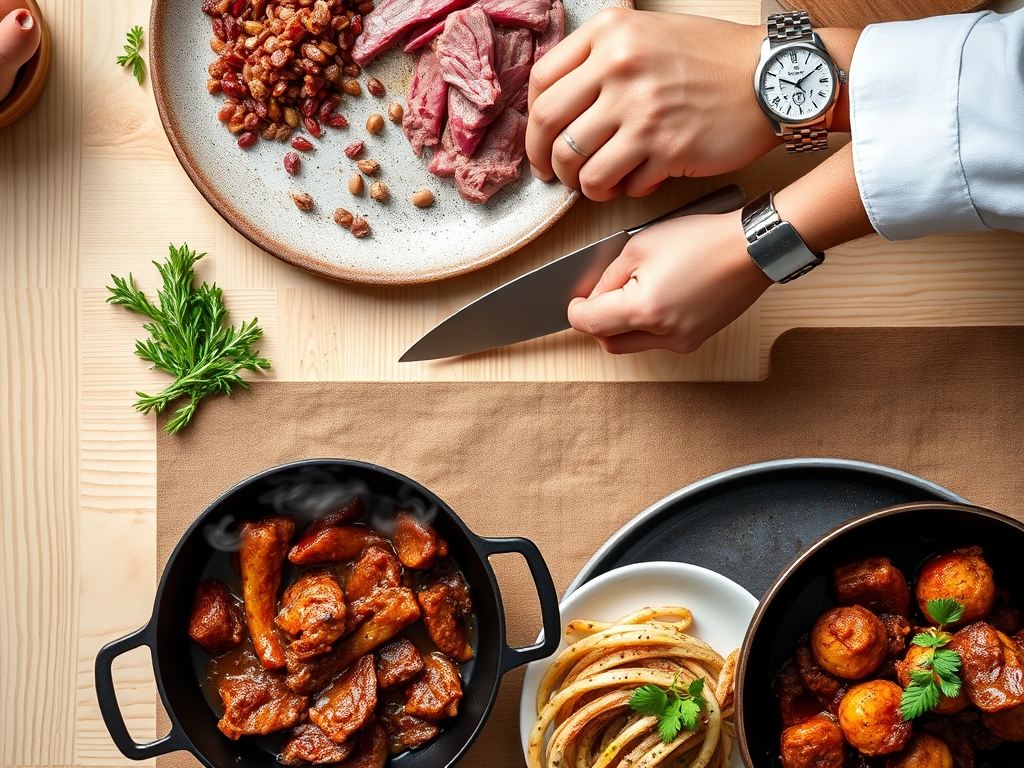
Pat your beef cubes bone-dry with paper towels. Use a heavy-bottomed skillet or a Dutch oven to get the oil shimmering. Sear the meat in batches to avoid crowding the pan, which causes the temperature to drop and the meat to steam rather than brown. Use metal tongs to flip each piece once a deep, mahogany crust forms.
Pro Tip: This is the Maillard reaction in action. By keeping the surface dry and the heat high, you are rearranging amino acids and sugars to create hundreds of new flavor compounds that simply do not exist in boiled meat.
2. Deglazing the Fond
Once the meat is removed, you will see brown bits stuck to the bottom of the pan. This is "fond," and it is culinary gold. Pour in a splash of dry red wine or beef stock and use a wooden spoon or a bench scraper to lift those bits into the liquid.
Pro Tip: This process is called deglazing. The liquid acts as a solvent, capturing the concentrated proteins and incorporating them back into your sauce for a more complex, layered profile.
3. Sweating the Aromatics
Add your diced vegetables to the pan. Sauté them until the onions are translucent and the carrots have softened slightly. Add a pinch of salt now to draw out the moisture.
Pro Tip: This is sweating, not browning. Lowering the heat slightly allows the cell walls of the vegetables to break down via osmotic pressure, releasing their natural sugars without burning them.
4. Toasting the Barley
Before adding the liquid, toss your dry barley into the pan with the vegetables and any remaining fat. Stir for two minutes until the grain smells slightly nutty.
Pro Tip: Toasting the grain creates a protective layer of dextrinization on the outside. This prevents the barley from becoming mushy and helps it maintain a distinct, al dente texture even after a long simmer.
5. The Low and Slow Infusion
Return the beef to the pot and submerge everything in your bone broth. Bring it to a boil, then immediately drop it to a whisper of a simmer. Cover with a tight-fitting lid.
Pro Tip: Maintaining a temperature just below boiling (around 190 degrees Fahrenheit) prevents the muscle fibers in the beef from tightening too quickly. This ensures the collagen conversion to gelatin happens smoothly, resulting in melt-in-your-mouth tenderness.
6. The Final Emulsification
Once the barley is tender and the beef is soft, remove the lid. If the sauce is too thin, simmer uncovered for ten minutes. Stir in a knob of cold butter or a teaspoon of cornstarch slurry if you want a glossy finish.
Pro Tip: Adding cold fat at the end creates a temporary emulsion. The fat molecules suspend in the liquid, giving the sauce a luxurious, velvet-like sheen and a richer mouthfeel.
7. The Rest and Garnish
Turn off the heat and let the pot sit for five minutes before serving. Garnish with fresh parsley or a sprinkle of flaky sea salt.
Pro Tip: This allows for thermal carryover. The residual heat finishes the cooking process gently, while the resting period allows the fibers to reabsorb some of the flavorful cooking liquid.
The Deep Dive:
Macro Nutrition:
A standard serving of these barley beef recipes is a powerhouse of nutrition. You are looking at roughly 350 to 450 calories per bowl, with a significant hit of complex carbohydrates and 25 to 30 grams of protein. Barley is famous for its beta-glucan fiber, which is fantastic for heart health and keeping your blood sugar stable.
Dietary Swaps:
- Vegan: Replace beef with thick-cut Portobello mushrooms or "beefy" soy crumbles. Use a rich mushroom broth infused with soy sauce for that missing umami.
- Keto: Unfortunately, barley is high-carb. To keep the vibe, swap barley for riced cauliflower added at the very end, or use konjac pearls.
- Gluten-Free: Barley contains gluten. Swap it for sorghum or short-grain brown rice to achieve a similar chew.
The Fix-It:
- Too Salty? Do not add water; add a peeled, halved potato. It will absorb excess salt as it simmers. Remove it before serving.
- Too Thin? Take a cup of the barley and liquid, blitz it in a blender, and stir it back in. The released starches will thicken the pot instantly.
- Beef is Tough? You likely boiled it too hard or didn't cook it long enough. Add another 30 minutes of low-heat simmering with a tablespoon of apple cider vinegar to help break down the fibers.
Meal Prep:
Barley beef recipes actually taste better on day two. As the dish cools, the starches in the barley retrograde, creating a thicker, heartier sauce. When reheating, use a saucier and add a splash of broth to loosen the texture. Avoid the microwave if possible; stovetop reheating preserves the integrity of the grain.
The Wrap-Up:
There you have it; a deep dive into the soul-warming world of barley and beef. It is a pairing that respects tradition while offering enough scientific complexity to keep any modern cook engaged. By focusing on the sear, the toast, and the slow simmer, you are not just making dinner; you are crafting an experience. So, the next time the temperature drops or you just need a culinary hug, remember that the secret lies in the grain and the flame. Now, go forth and deglaze like a pro!
The Kitchen Table:
Can I make barley beef recipes in a slow cooker?
Yes. Sear the beef first in a skillet for flavor, then combine all ingredients in the slow cooker. Cook on low for 7 to 8 hours. The barley will become exceptionally tender and the flavors will deeply infuse.
What is the best cut of beef for barley soup?
Chuck roast is the gold standard. It has the perfect balance of fat and connective tissue. As it braises, the collagen melts into gelatin, creating a rich, viscous broth that pearl barley absorbs beautifully.
Do I need to soak barley before cooking?
Soaking is not strictly necessary for pearl barley, but it can reduce cook time by 15 minutes. If using hulled barley, a soak of 2 hours is recommended to soften the tough outer bran layer before simmering.
Why did my barley turn my stew purple?
Some varieties of heirloom or black barley contain anthocyanins, the same pigments found in blueberries. These can bleed into the broth. It is perfectly safe to eat and adds a stunning, rustic visual element to the dish.