
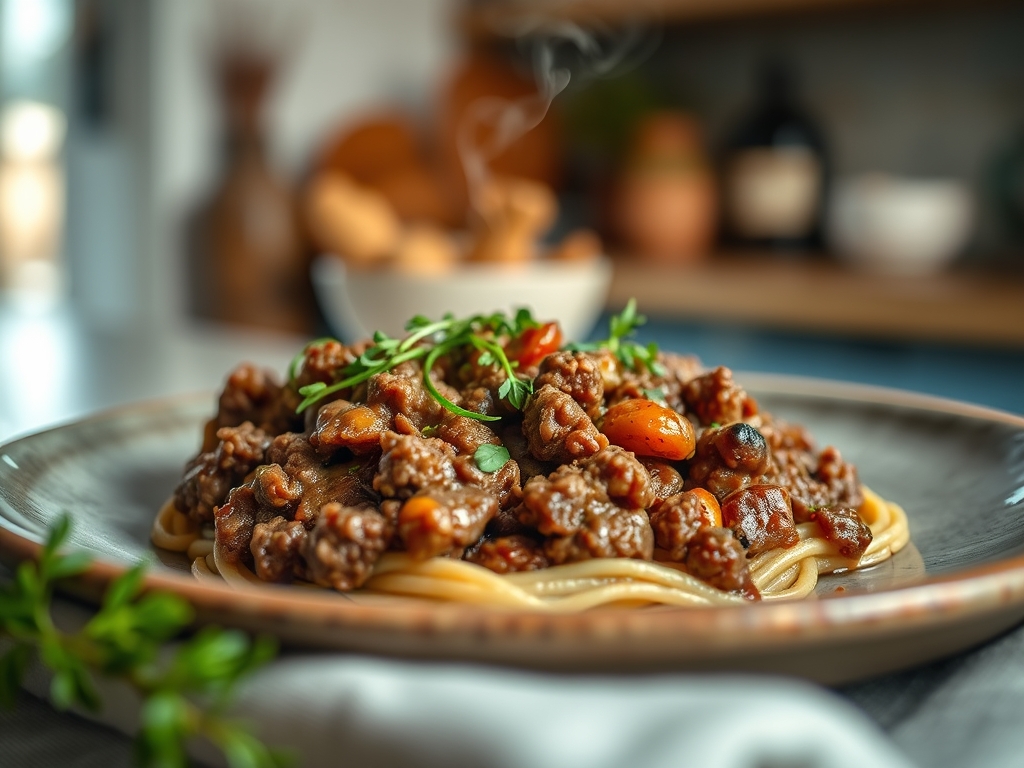
Imagine the sound of cold fat hitting a preheated heavy bottomed skillet. That sharp, rhythmic hiss is the start of something transformative. When you are looking for reliable stove top ground beef recipes, you are looking for more than just dinner; you are looking for the perfect intersection of speed and culinary chemistry. This is where we turn humble protein into gold.
The beauty of the stove top is the control it affords you. Unlike the passive heat of an oven, the burner allows for real time adjustments to the Maillard reaction. We are talking about deep, umami rich browning that creates a foundation for sauces and sautés alike. Whether you are whipping up a piquant Korean beef bowl or a viscous, creamy stroganoff, the pan is your laboratory. We are going to master the art of the sear while keeping things breezy enough for a Tuesday night. Grab your favorite wooden spoon and let's get into the molecular magic of the humble crumble.
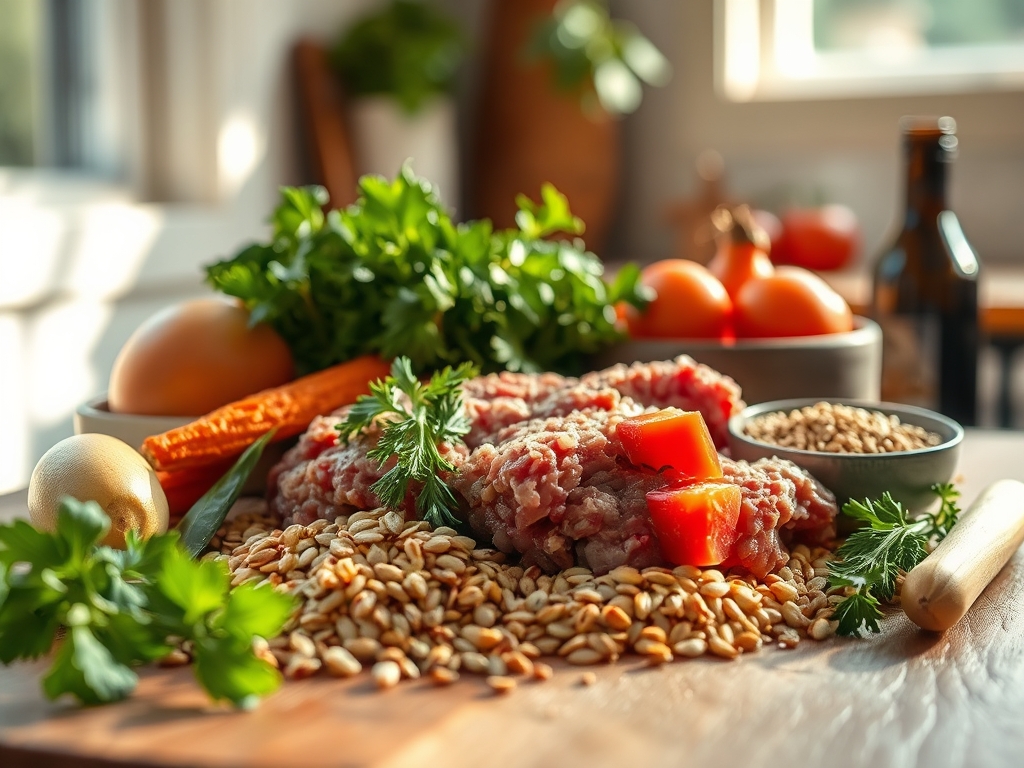
The Gathers:
Before we ignite the flame, we must respect the mise en place. High quality stove top ground beef recipes depend entirely on the fat to lean ratio. I recommend an 80/20 blend for most applications; the extra lipids are essential to render out a flavorful base for your aromatics. You will need a digital scale to ensure your portions are precise, especially if you are balancing macros.
Your secondary players include high smoke point oils, like avocado or grapeseed, to prevent acrid flavors during the initial sear. For aromatics, keep yellow onions, garlic cloves, and fresh ginger on standby. Use a microplane to grate your aromatics directly into the pan for maximum surface area exposure, which allows the essential oils to infuse the fat instantly.
Smart Substitutions:
If you are looking to lighten the profile, ground turkey or chicken can be swapped in, but you must add a teaspoon of Worcestershire sauce or mushroom powder to mimic the beef's natural glutamates. For a plant based alternative, lentils or crumbled tempeh work beautifully, though you will need to increase your liquid ratios as these fibers absorb moisture more aggressively than animal proteins.
The Clock: Chef's Flow
Efficiency in the kitchen is about overlapping tasks, a concept professionals call the Chef's Flow. For these stove top ground beef recipes, your total active time should hover around 15 minutes, with a total "plate in hand" time of 30 minutes.
Start by prepping your vegetables while the skillet preheats. A cold pan is the enemy of texture. Once the beef hits the heat, use that 5 to 7 minute browning window to whisk your sauces or boil your pasta water. By the time the beef is fully rendered and deglazed, your starch should be ready to integrate. This synchronized dance ensures that no component sits long enough to lose its structural integrity or thermal energy.
The Masterclass:
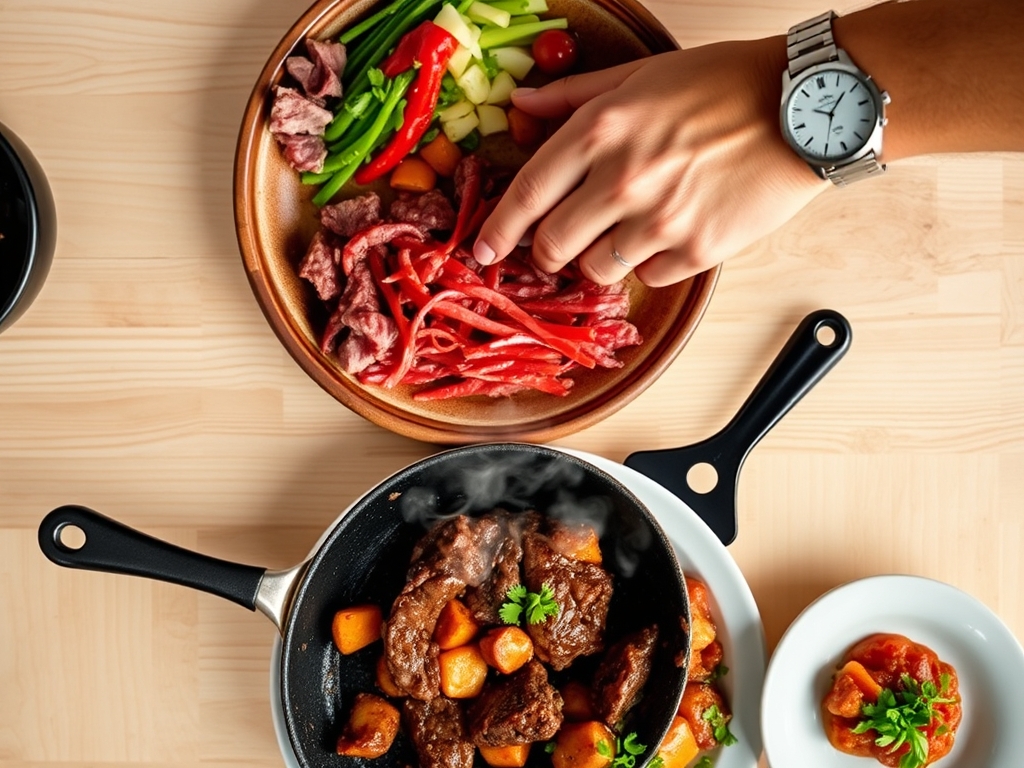
1. The Thermal Foundation
Place your heavy bottomed skillet over medium high heat. Do not add the oil until the pan is hot. You can test this by dropping a bead of water on the surface; if it dances and evaporates instantly, you are ready. Add your oil and swirl to coat the surface.
Pro Tip: This is known as the Leidenfrost effect. Ensuring the pan is sufficiently hot prevents the protein from bonding to the metal on a molecular level, ensuring a clean flip and better crust formation.
2. The Initial Sear
Place the beef in the pan in a single, flat disk rather than breaking it up immediately. Let it sit undisturbed for at least three minutes. You want to see a deep brown crust forming on the bottom before you use your bench scraper or spatula to flip it.
Pro Tip: This patience facilitates enzymatic browning. If you stir too early, you release steam, which lowers the pan temperature and causes the meat to boil in its own juices rather than sear.
3. Aromatics and Infusion
Once the meat is flipped and partially broken up, create a "well" in the center of the pan. Drop in your minced garlic, onions, or spices. Let them toast in the rendered beef fat for 60 seconds until they become fragrant and translucent.
Pro Tip: Fat is a highly efficient flavor carrier. By blooming your spices in the hot tallow, you are unlocking fat soluble flavor compounds that water based liquids simply cannot reach.
4. Deglazing the Fond
Pour in your liquid component, whether it is beef stock, red wine, or a splash of soy sauce. Use your spatula to scrape up the brown bits stuck to the bottom of the pan. These bits, known as fond, contain the most concentrated flavor profile of the dish.
Pro Tip: Deglazing uses rapid evaporation to lift caramelized proteins. This process creates a complex, layered base for any sauce, preventing a one dimensional flavor profile.
5. Emulsification and Thickening
If your recipe calls for a sauce, this is the moment to add your thickeners or dairy. For a silky finish, whisk in cold butter or a cornstarch slurry. Stir constantly until the liquid becomes viscous and coats the back of a spoon.
Pro Tip: To prevent sauces from breaking, keep the heat at a low simmer. High heat can cause proteins in dairy to denature and clump, resulting in a grainy texture rather than a smooth emulsion.
6. The Final Aeration
Just before serving, toss in your fresh herbs or a squeeze of citrus. Use tongs to fold in noodles or rice, ensuring every strand is coated in the pan sauce. This final toss incorporates air and distributes heat evenly.
Pro Tip: Adding acidity at the end provides a "bright" contrast to the heavy fats. It resets the palate and enhances the perception of salt without actually adding more sodium.
7. Resting and Carryover
Remove the pan from the heat and let the dish sit for two minutes before plating. This allows the muscle fibers to relax and reabsorb some of the liberated juices.
Pro Tip: Thermal carryover means the internal temperature will continue to rise by about 5 degrees after removing from heat. Pulling the pan slightly early ensures the beef remains tender rather than rubbery.
The Deep Dive:
When we look at the macro nutrition of these stove top ground beef recipes, we see a powerhouse of bioavailable iron, B12, and zinc. A standard 4 ounce serving provides roughly 25 grams of protein. To keep it Keto, serve your beef over zoodles or cauliflower rice. For a Gluten Free approach, ensure your soy sauce is replaced with tamari or coconut aminos.
The Fix-It: Common Pitfalls
- The Greasy Sauce: If your sauce looks oily, you didn't drain enough fat after browning. Fix: Use a rolled up paper towel held by tongs to dab excess fat from the corner of the pan.
- Tough Meat: This happens from overworking the beef. Fix: Break the meat into larger chunks rather than a fine sand to retain internal moisture.
- Bland Flavor: Usually a lack of acidity. Fix: Add a teaspoon of apple cider vinegar or a splash of pickle juice to wake up the savory notes.
Meal Prep Science:
To maintain "day one" quality, reheat your beef on the stove top with a tablespoon of water or stock. This creates a mini steam chamber that rehydrates the proteins. Avoid the microwave if possible, as it vibrates water molecules so violently it can rupture cell walls, leaving your beef "leathery."
The Wrap-Up:
Mastering stove top ground beef recipes is like having a culinary "little black dress" in your repertoire. It is versatile, dependable, and always impressive when executed with a bit of scientific flair. By focusing on the sear, the deglaze, and the final emulsion, you elevate a simple pantry staple into a gourmet experience. Now, go forth and conquer that skillet!
The Kitchen Table:
How do I get the best sear on ground beef?
Pat the meat dry with paper towels to remove surface moisture. Use a preheated heavy bottomed skillet and avoid crowding the pan. Let the beef sit undisturbed for three minutes to allow the Maillard reaction to create a deep, flavorful crust.
Can I cook ground beef from frozen on the stove?
It is possible but not ideal for texture. If you must, use low heat and a lid to steam the block until it softens enough to scrape layers off. For the best results, always thaw in the refrigerator overnight.
Why is my ground beef gray instead of brown?
Gray meat is a sign of steaming rather than searing. This usually happens when the pan isn't hot enough or if you have added too much meat at once. The moisture escapes and boils the beef instead of browning it.
How long does cooked ground beef last in the fridge?
Stored in an airtight container, cooked ground beef remains safe and delicious for three to four days. For the best texture, reheat it slowly on the stove top with a splash of liquid to restore its original moisture and suppleness.