
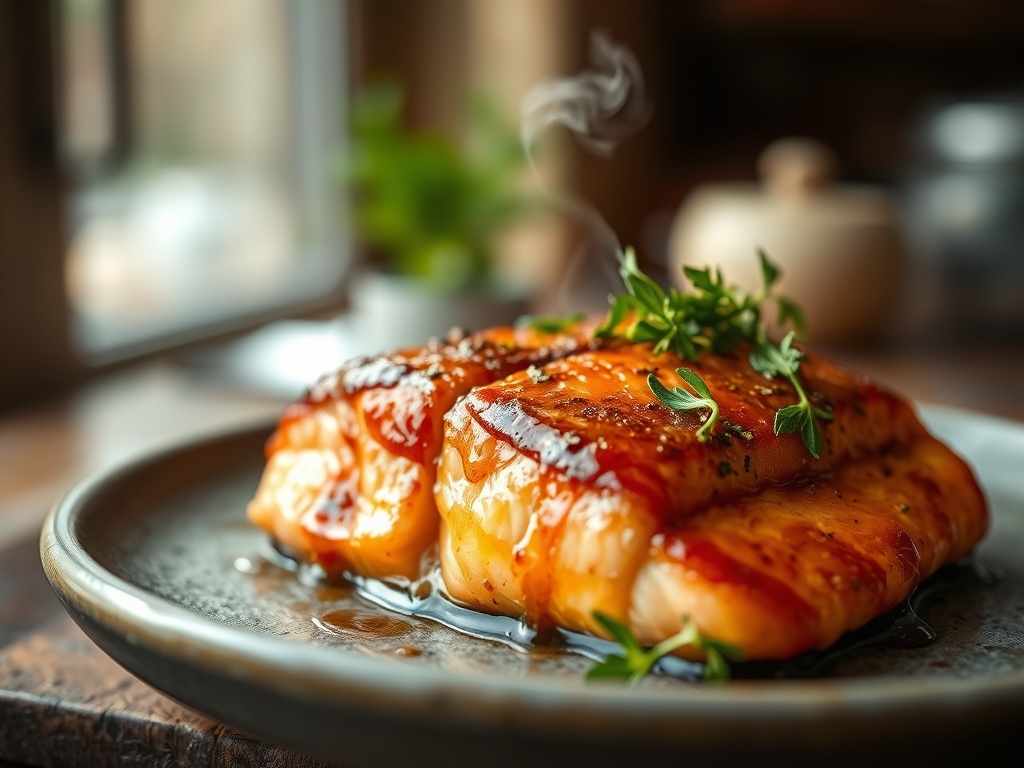
Imagine the sound of a heavy-bottomed skillet meeting the stovetop and the sharp, piquant scent of ginger hitting hot oil. We have all been there; staring at a beautiful fillet of fish and praying it does not turn into a dry, chalky mess. Mastering baked glazed salmon recipes is not just about following a card; it is about controlling the molecular dance between sugar, heat, and protein. We are aiming for that glass-like finish that shatters under a fork to reveal flakes so succulent they practically melt. This is where high-end culinary technique meets the comfort of your weeknight kitchen. We are going to transform a simple piece of seafood into a masterpiece of texture and taste. By understanding how heat penetrates the fat layers and how glaze viscosity affects caramelization, you will never settle for a lackluster dinner again. Grab your apron and your favorite microplane; we are about to dive deep into the chemistry of the perfect sear and the science of the shimmer.
The Gathers:
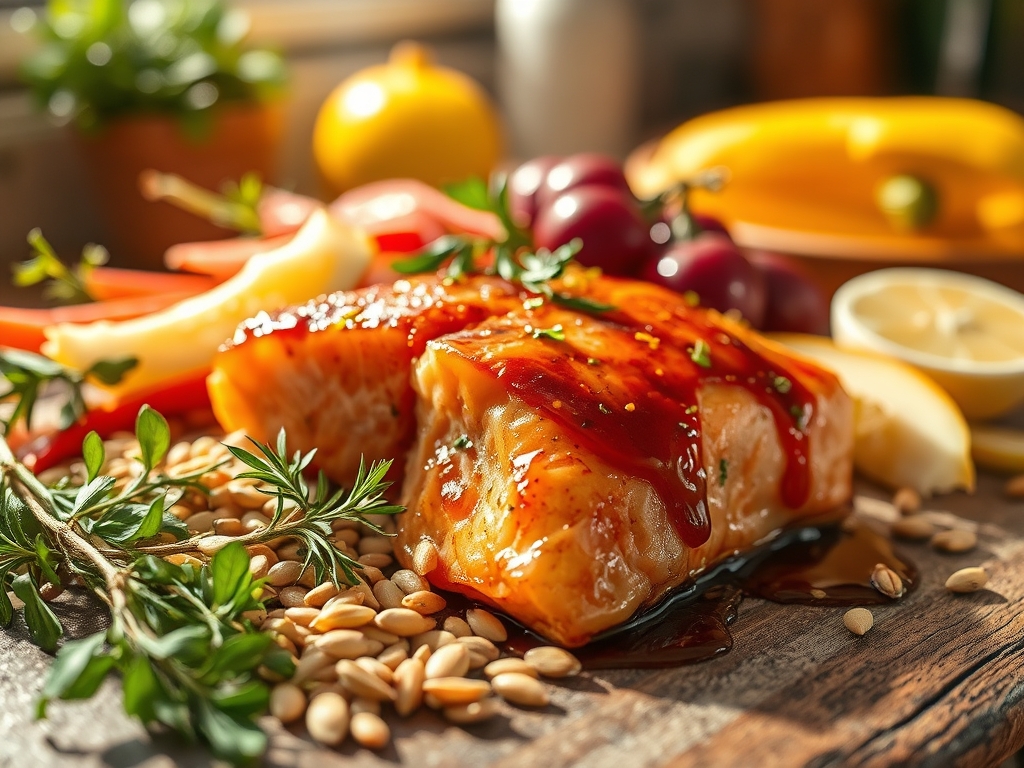
Setting your station is the first step toward professional results. You will need high-quality Atlantic or King salmon fillets; look for deep marbling which indicates a higher fat content for better moisture retention. For the glaze, gather raw honey or maple syrup to act as your primary humectant. You will also need tamari or high-grade soy sauce for that essential umami backbone. Fresh aromatics are non-negotiable; use a microplane to zest fresh ginger and garlic into a fine paste to ensure they integrate into the liquid without burning. A splash of rice vinegar provides the acidity needed to cut through the fatty acids of the fish.
Smart Substitutions: If you are avoiding refined sugars, use a concentrated pomegranate molasses for a tart, viscous alternative. For those with soy allergies, coconut aminos offer a similar savory profile with a slightly sweeter finish. If you cannot find fresh ginger, a pinch of ground galangal provides a more floral, earthy heat. Always use a digital scale to measure your liquids; precision is the difference between a glaze that clings and a sauce that runs.
The Clock
The "Chef's Flow" is all about overlapping tasks to maximize efficiency. Expect a total active prep time of 15 minutes and a cook time of 12 to 15 minutes depending on the thickness of your fillets. While your oven preheats to 400 degrees Fahrenheit, you will be whisking your glaze in a small saucier. This allows the flavors to infuse and the sugars to begin their initial breakdown before they ever touch the fish. The actual "baking" is a two-stage process: a steady roast followed by a high-heat finish to set the glaze. By the time the timer dings, your kitchen should be clean and your table set.
The Masterclass
1. Tempering the Protein
Remove your salmon from the refrigerator at least 20 minutes before cooking. Cold fish hitting a hot pan causes the muscle fibers to tighten instantly, pushing out moisture and resulting in a tough texture. Use a paper towel to pat the skin bone-dry; moisture is the enemy of a crisp finish.
Pro Tip: This process is called thermal equilibrium. By bringing the fish closer to room temperature, you ensure the center cooks at the same rate as the exterior, preventing the dreaded "raw middle, burnt edges" scenario.
2. Reducing the Glaze
In a small saucier, combine your honey, soy, and aromatics. Simmer over medium heat until the liquid reduces by one-third. You are looking for a syrupy consistency that coats the back of a spoon.
Pro Tip: This is the Maillard Reaction in liquid form. Reducing the glaze concentrates the sugars and amino acids, creating a complex flavor profile that a thin, watery sauce simply cannot achieve.
3. The Initial Roast
Place the fillets on a parchment-lined baking sheet. Brush a thin layer of the glaze over the top and sides. Slide the tray into the center rack of the oven. This stage is about gentle heat penetration to render the internal fats.
Pro Tip: Using parchment paper prevents the sugars in the glaze from sticking to the metal pan and burning. This ensures the underside of the fish stays tender while the top begins to set.
4. The Glaze Application
Halfway through the cooking process, remove the tray and apply a second, thicker layer of glaze. Use a silicone pastry brush to ensure even coverage into every crevice of the flaking fish.
Pro Tip: This is known as layering viscosity. The first layer seasons the meat, while the second layer creates the physical "shell" that traps steam inside the fillet, keeping it moist.
5. The Broil Finish
Switch your oven to the broil setting for the final two minutes. Watch the fish like a hawk. You want to see the glaze bubble and darken into a deep mahogany brown.
Pro Tip: This rapid heat causes caramelization, where the sugars break down and create hundreds of new aromatic compounds. It provides that signature "burnt sugar" bitterness that balances the saltiness of the soy.
6. The Carryover Rest
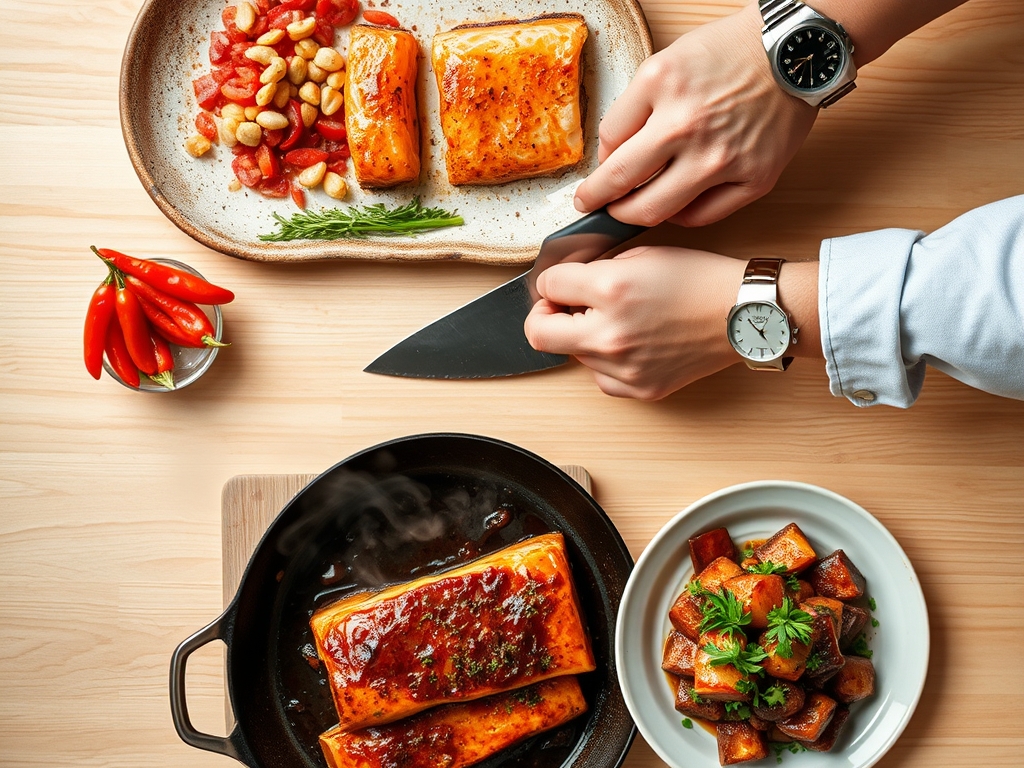
Once removed from the oven, use a wide spatula or offset pallet knife to transfer the fillets to a warm plate. Let them rest for exactly three minutes before serving.
Pro Tip: This accounts for thermal carryover. The internal temperature will continue to rise by 5 to 10 degrees after the fish is removed from the heat. Resting allows the juices to redistribute so they do not spill out when you take your first bite.
The Deep Dive
When it comes to nutrition, baked glazed salmon recipes are a powerhouse of Omega-3 fatty acids and high-quality protein. A standard 6-ounce portion delivers roughly 34 grams of protein and a significant dose of Vitamin B12. If you are following a Keto lifestyle, swap the honey for a monk fruit-based syrup and increase the fat content by whisking a tablespoon of cold butter into your reduction. For a vegan "salmon" alternative, this glaze works beautifully on thick slabs of roasted cauliflower or firm tofu that has been pressed to remove excess water.
The Fix-It:
- White Gunk Appearing: Those white beads are called albumin. It happens when the fish cooks too fast and the protein fibers contract too hard. Fix: Lower your oven temp next time or pull the fish out 2 minutes earlier.
- Burned Glaze: If the sugar burns before the fish is done, your rack is too high. Fix: Move the tray to the lower third of the oven and tent with foil.
- Soggy Skin: This is caused by trapped steam. Fix: Ensure you pat the skin dry and roast on a wire rack set over the baking sheet to allow air circulation.
Meal Prep: To reheat without turning your salmon into rubber, avoid the microwave. Instead, place the fillet in a covered dish with a tablespoon of water and heat in a 275-degree oven for 8 minutes. This creates a gentle steam bath that revives the glaze without overcooking the protein.
The Wrap-Up
You now hold the keys to the kingdom of perfectly executed seafood. By respecting the science of temperature and the chemistry of sugar reduction, you have moved beyond "just cooking" into the realm of culinary artistry. These baked glazed salmon recipes are your canvas. Whether you are hosting a high-stakes dinner party or just treating yourself after a long Monday, remember that the details matter. The dry skin, the tempered meat, and the double-glaze technique are what separate the amateurs from the icons. Now, go forth, get that sear, and enjoy every buttery, umami-packed bite!
The Kitchen Table
How do I know when the salmon is done?
The most reliable method is using a digital thermometer. Aim for an internal temperature of 125 degrees Fahrenheit for medium-rare or 135 degrees for medium. The fish should also flake easily when pressed gently with a fork.
Can I use frozen salmon for this recipe?
Yes, but you must thaw it completely in the refrigerator overnight. Once thawed, pat it extremely dry with paper towels to remove excess moisture. This ensures the glaze adheres properly and the texture remains firm rather than mushy.
Why is my glaze sliding off the fish?
Your glaze is likely too thin or the fish was too wet. Ensure you reduce the sauce until it is viscous and syrupy. Always pat the salmon dry before the first application to create a tacky surface for the glaze to grip.
Is it better to leave the skin on?
Absolutely. The skin acts as a natural insulator, protecting the delicate flesh from the direct heat of the pan. Even if you do not plan to eat it, keeping the skin on during cooking results in a much juicier fillet.
How long does glazed salmon stay fresh?
Cooked salmon can be stored in an airtight container in the refrigerator for up to three days. For the best texture, keep the extra glaze in a separate jar and apply a fresh drizzle right before you reheat it.