
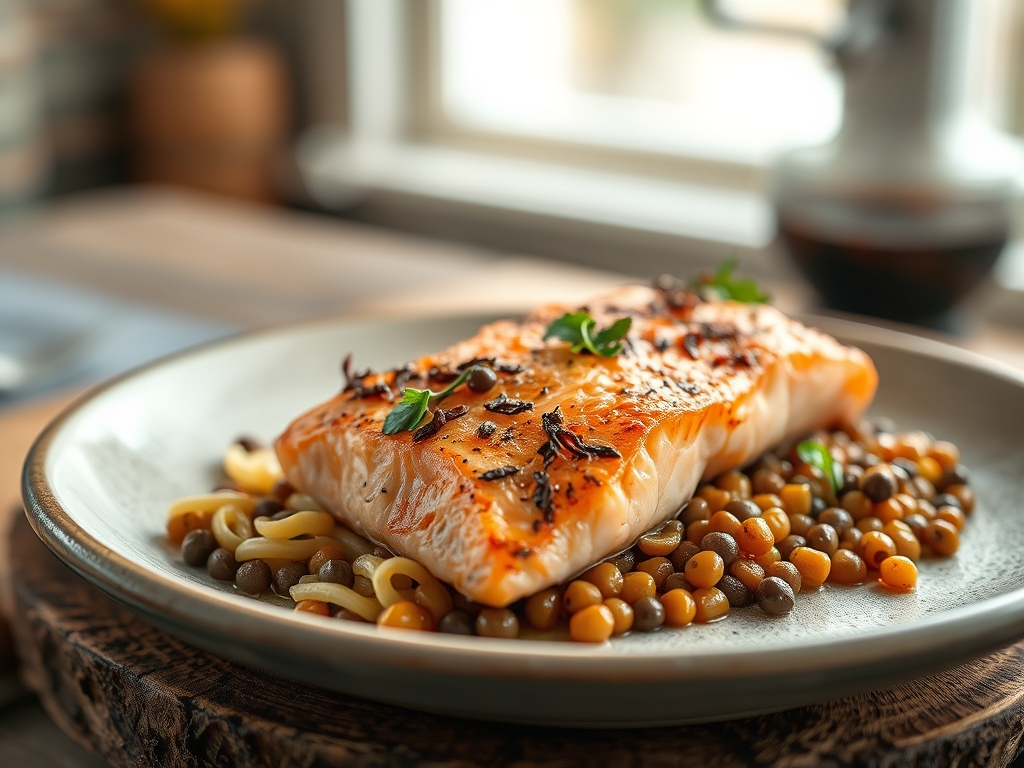
Imagine the sound of a heavy-bottomed stainless steel skillet meeting a high-intensity flame. Within seconds, the scent of cold-water fats rendering into a golden pool fills the air. This is the foundation of the most sophisticated weeknight luxury: lentils and salmon recipes that bridge the gap between rustic comfort and high-end bistro elegance. We are moving beyond the basic steamed fillet and mushy legumes to embrace a world where textures collide. Think of the snap of a French green lentil against the buttery, flake-apart tenderness of a medium-rare King Salmon. This pairing is a masterclass in culinary balance. The earthy, mineral notes of the pulses act as a grounding force for the rich, omega-3 heavy profile of the fish. Whether you are aiming for a piquant mustard vinaigrette over warm grains or a creamy coconut-infused stew, mastering these lentils and salmon recipes ensures you have a nutrient-dense, restaurant-quality meal in under forty minutes. Let us dive into the chemistry of the sear and the simmer.
The Gathers:
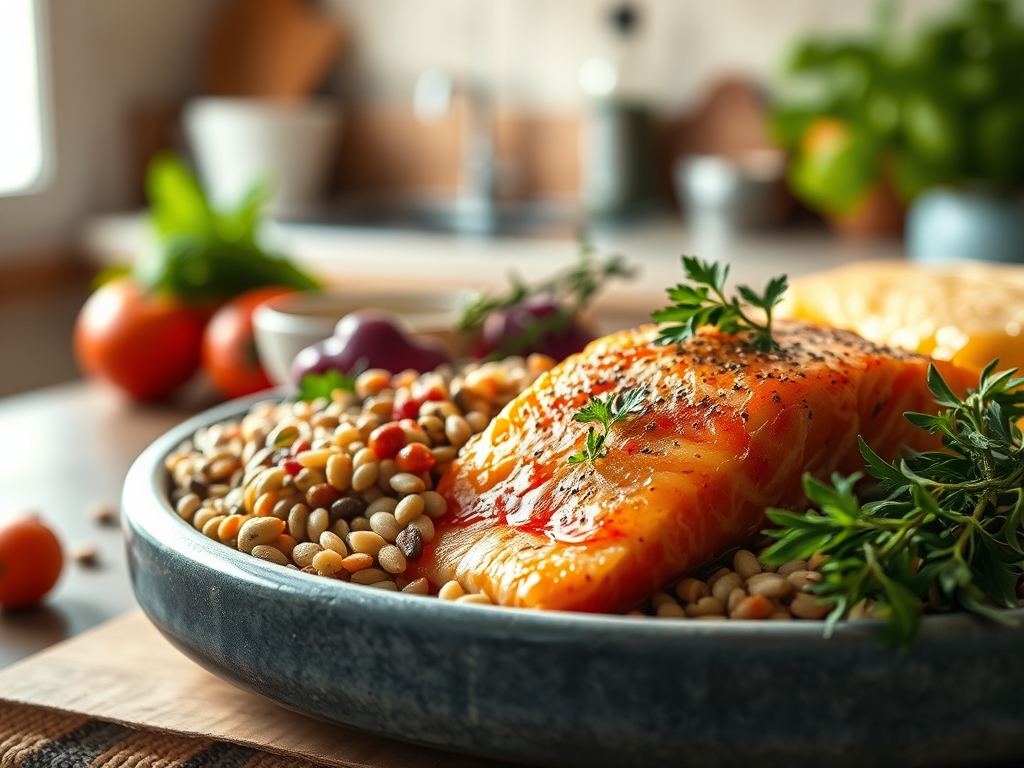
To achieve the perfect plate, your mise-en-place must be precise. Start with your protein; look for center-cut fillets with the skin intact. The skin is not just for flavor; it acts as a thermal barrier that prevents the delicate flesh from toughening during the Maillard reaction. For the pulses, prioritize Puy or Beluga lentils. Unlike their red or brown cousins, these varieties contain high levels of insoluble fiber in their seed coats, allowing them to maintain a distinct, al dente structure even after a long simmer.
You will need a high-smoke-point fat like avocado oil or clarified butter to ensure the pan does not acridly smoke before the fish achieves a crust. Aromatics are non-negotiable. Gather fresh thyme sprigs, a head of garlic for smashing, and a shallot for fine dicing with your sharpest chef knife. A splash of dry white wine or verjuice is essential for deglazing the pan to lift those caramelized sugars into a viscous sauce.
Smart Substitutions: If you cannot find French green lentils, black Beluga lentils are an excellent swap for their caviar-like appearance. For a vegan-adjacent base that keeps the "meatiness," try finely diced portobello mushrooms sautéed until they lose their moisture. If salmon is unavailable, Arctic Char offers a nearly identical fat profile and texture.
The Clock
Efficiency in the kitchen is about understanding the Chef's Flow. This is the sequence of operations that ensures every component hits the plate at its peak temperature. Total active time for these recipes usually clocks in at 15 minutes, with a total duration of 35 to 40 minutes.
The flow begins with the lentils, as they are the most resilient to heat. They can sit in a warm saucier while you focus on the temperamental salmon. The fish requires your undivided attention for exactly six to eight minutes. By starting the pulses first, you allow the flavors to infuse and the starches to slightly gelatinize, creating a luxurious mouthfeel that water-boiled lentils lack.
The Masterclass:
1. The Lentil Infusion
Begin by sweating your aromatics in a saucier with a pinch of kosher salt. Add your rinsed lentils and toast them for two minutes before adding liquid. This toasting phase initiates a mild dextrinization of the starches, which adds a nutty depth to the final dish.
Pro Tip: Use a 3:1 ratio of liquid to lentils. Using bone broth instead of water introduces collagen, which creates a more viscous and lip-smacking sauce as the liquid reduces.
2. The Skin-Side Sear
Pat the salmon bone-dry with paper towels. Any surface moisture will turn to steam, preventing the skin from becoming crispy. Place the fish skin-side down in a preheated heavy-bottomed skillet. Press down firmly with a flexible fish spatula for the first 30 seconds to prevent the protein fibers from curling.
Pro Tip: This is the Maillard reaction in action. By keeping the heat steady, you are rearranging amino acids and sugars to create hundreds of new flavor compounds that signify "savory."
3. The Butter Baste
When the salmon is 70 percent cooked, add a knob of cold butter, smashed garlic, and thyme to the pan. Use a large spoon to continuously pour the foaming butter over the flesh. This technique, known as arroser, gently finishes the top of the fish without the harsh direct heat of the pan.
Pro Tip: Butter basting utilizes convection within the fat to cook the interior of the fish evenly, ensuring the proteins do not contract too quickly and squeeze out the moisture.
4. The Deglaze and Emulsify
Remove the fish and set it aside to rest. Immediately pour off excess fat and add a splash of white wine to the hot skillet. Use a wooden spoon to scrape up the fond, those brown bits stuck to the bottom. Whisk in a teaspoon of Dijon mustard to help emulsify the remaining fats into a piquant pan sauce.
Pro Tip: Emulsification is a mechanical process where you force two immiscible liquids, like oil and vinegar, to combine. The mustard acts as a stabilizer, preventing the sauce from breaking.
5. The Final Assembly
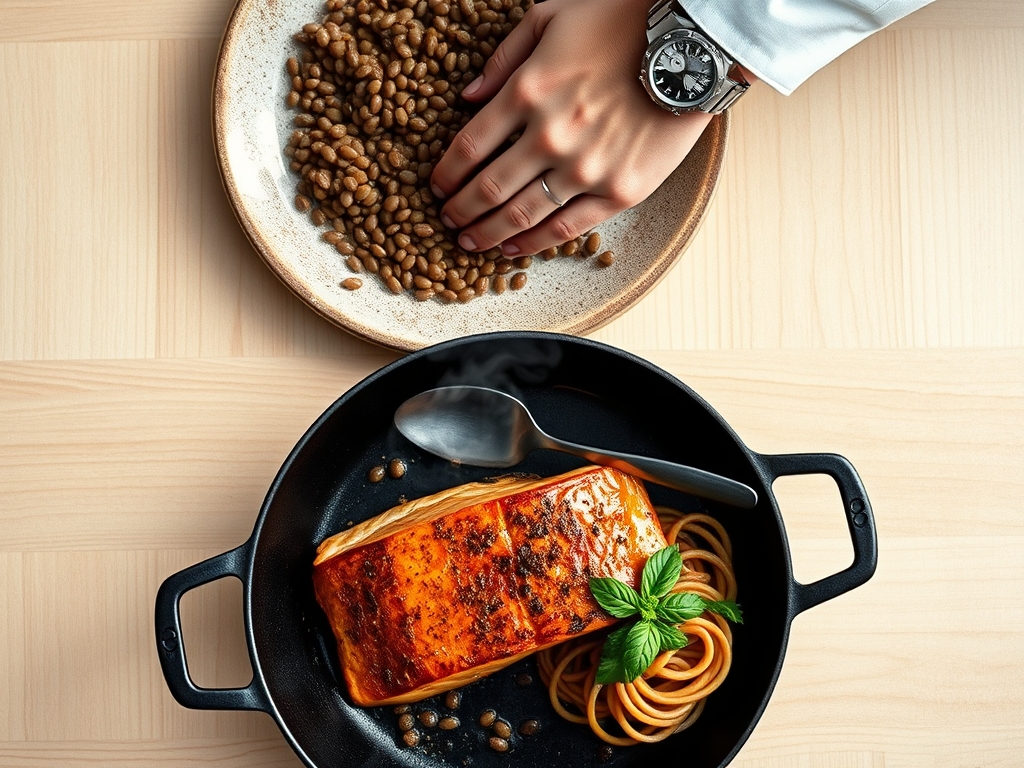
Fold your warm lentils with a handful of fresh herbs and a squeeze of lemon juice to aerate the flavors. Place the salmon atop the lentil bed and drizzle with the pan reduction. Note the texture in the step-by-step photos above; the lentils should be glistening but not swimming in liquid.
Pro Tip: Always allow the salmon to rest for three minutes. This allows for thermal carryover, where the internal temperature rises slightly, and the juices redistribute throughout the muscle fibers.
The Deep Dive
From a macro perspective, this pairing is a powerhouse. You are looking at roughly 45 grams of protein and 12 grams of fiber per serving. The lentils provide slow-burning complex carbohydrates, while the salmon delivers essential EPA and DHA fatty acids.
Dietary Swaps: To make this Keto, replace the lentils with a cauliflower "risotto" sautéed in heavy cream. For a Vegan version, swap the salmon for a thick "steak" of roasted cauliflower or firm tofu seasoned with smoked paprika to mimic the depth of the fish.
The Fix-It:
- Mushy Lentils: If you overcook them, pulse half the mixture in a blender to create a creamy puree and serve the remaining whole lentils on top.
- Stuck Skin: If the salmon skin sticks, do not pull it. Turn off the heat and let the pan cool for 60 seconds; the steam from the fish will often naturally release the skin.
- Bland Base: If the dish tastes flat, it lacks acid. Add a teaspoon of sherry vinegar or a microplane of lemon zest to brighten the earthy notes.
Meal Prep: To reheat, avoid the microwave. The high-frequency waves will turn the salmon rubbery. Instead, place the lentils and salmon in a covered dish with a tablespoon of water and warm in a 300-degree oven. This creates a gentle steam environment that preserves the "day-one" flake.
The Wrap-Up
Mastering lentils and salmon recipes is about more than just following a list of ingredients; it is about respecting the physics of the pan. When you combine the earthy, structural integrity of a well-cooked pulse with the decadent, melt-in-your-mouth texture of a perfectly seared fillet, you create a culinary synergy that is hard to beat. Use your tools wisely, watch your temperatures, and never skip the resting phase. Your kitchen is now a high-end bistro.
The Kitchen Table
Can I use canned lentils for this recipe?
Yes, but rinse them thoroughly first. Canned lentils are often over-processed, so fold them into the aromatics at the very end to prevent them from turning into a mash. They lack the al dente bite of dried pulses.
How do I know when the salmon is perfectly cooked?
Use a digital thermometer to check for an internal temperature of 125 degrees Fahrenheit for medium-rare. The flesh should give slightly when pressed but still feel firm. It will continue to cook while resting.
Why is my salmon skin not getting crispy?
Moisture is the enemy of crispiness. Ensure the fillet is room temperature and bone-dry before hitting the pan. Also, ensure your oil is shimmering hot; if the pan is too cool, the fish will steam instead of sear.
What is the best way to store leftovers?
Store the lentils and salmon in separate airtight containers in the refrigerator for up to two days. Keeping them separate prevents the lentils from absorbing too much of the fish aroma, preserving the individual flavor profiles.