
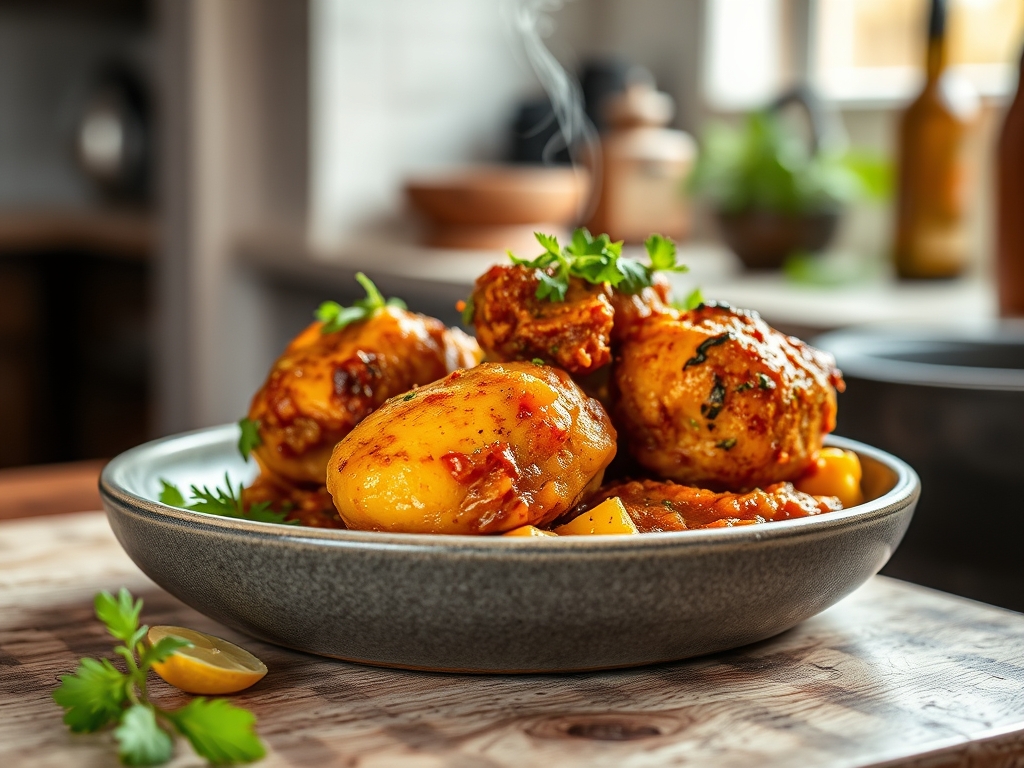
The crackle of whole spices hitting hot ghee fills a professional kitchen faster than any alarm clock. That first inhale, cardamom and cinnamon blooming in clarified butter, signals the beginning of authentic chicken recipes indian that have anchored family tables for centuries. These aren't simplified weeknight shortcuts. These are the regional powerhouses, each with distinct spice architecture, protein treatment, and heat management that separate restaurant-quality results from bland approximations. Across ten preparations, you'll see how South Indian coconut-based curries diverge sharply from North Indian dairy-forward gravies, how Mughlai technique layers aromatics differently than coastal Goan methods, and why marination pH matters as much as your spice blend ratios.
The Gathers
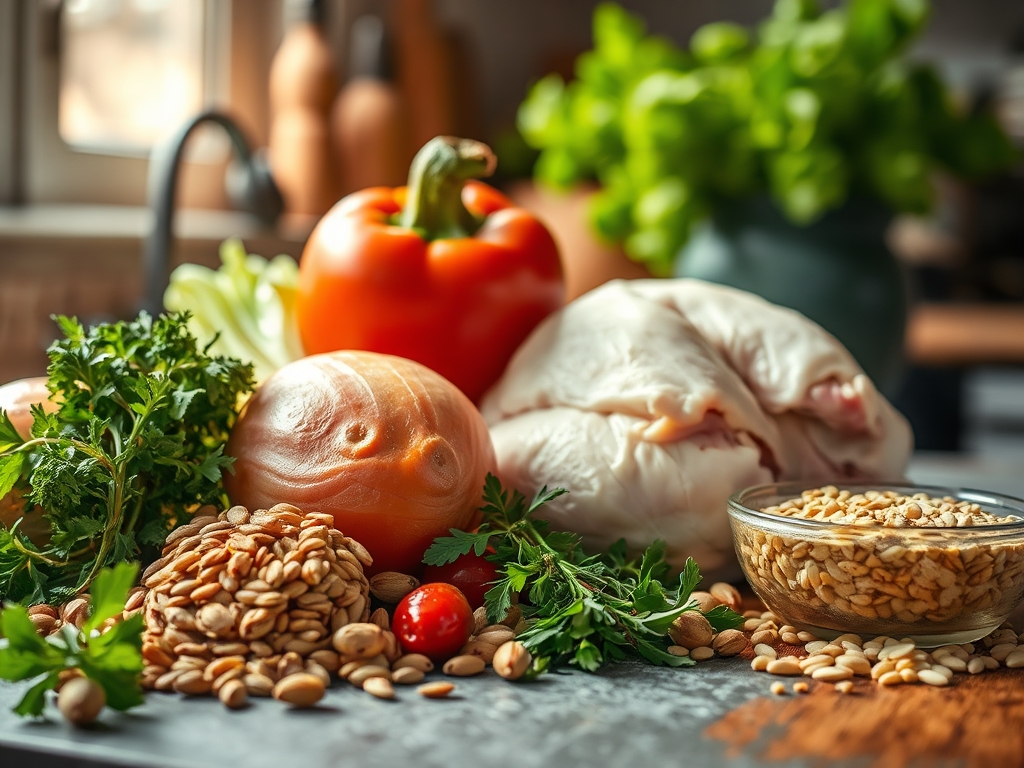
As you see in the ingredient spread below, bone-in chicken thighs (1.5 kg) sit center stage. Bone-in cuts carry collagen for body and fat for flavor insurance. Surrounding them: whole spices (green cardamom pods, black peppercorns, cassia bark, cloves), fresh aromatics (ginger-garlic paste, 80g total), tomatoes (400g, pureed), full-fat yogurt (200g, room temperature to prevent splitting), and your regional spice blend. Kashmiri chili powder (15g) provides color without scorching heat, while turmeric (5g) offers earthy bass notes and anti-inflammatory curcumin.
Ghee (60ml) remains non-negotiable for traditional recipes. Its high smoke point (250°C) and nutty Maillard compounds create flavor scaffolding that neutral oils cannot replicate. Fresh cilantro (50g, stems included) and curry leaves (20 leaves) add final aromatic lift.
Smart Substitutions: Swap bone-in thighs for boneless if you need 12-minute cook times instead of 25. Greek yogurt works identically to Indian dahi. No ghee? Use half butter, half coconut oil to mimic the fat profile. Kashmiri chili can pivot to paprika plus cayenne (4:1 ratio).
The Clock
Prep Time: 25 minutes (includes spice toasting, protein trimming, aromatics processing).
Cook Time: 35-45 minutes (varies by recipe; pressure-cooking drops this to 18 minutes).
Total Time: 60-70 minutes for stove-top methods.
Chef's Flow: While onions caramelize (the longest single step at 12-15 minutes), toast and grind whole spices, then process ginger-garlic. This parallel workflow shaves 10 minutes. Marinate chicken during mise-en-place prep. Room-temperature yogurt whisked with spices can sit 20 minutes, enzymatic tenderization already underway.
The Masterclass
Step 1: Bloom the Whole Spices
Heat ghee to 180°C (test with one cumin seed; it should sizzle immediately). Add whole spices in order of size: cinnamon stick, then cardamom, cloves, and peppercorns last. Fry for 45 seconds until fragrant but not smoking.
Why It Works: Fat-soluble flavor compounds in spices require lipid extraction. Water-based cooking never unlocks these molecules. The brief high-heat exposure cracks cell walls without burning volatile oils.
Step 2: Caramelize the Onions to Copper
Add sliced onions (300g) and 4g salt. Stir every 90 seconds. Target color: deep copper, not blonde. This takes 12-15 minutes at medium heat (160-170°C surface temp).
Chef's Secret: Salt draws moisture, preventing scorching while accelerating Maillard browning. The fond developing on the pan bottom is pure umami. Deglaze later with tomatoes.
Step 3: Build the Masala Base
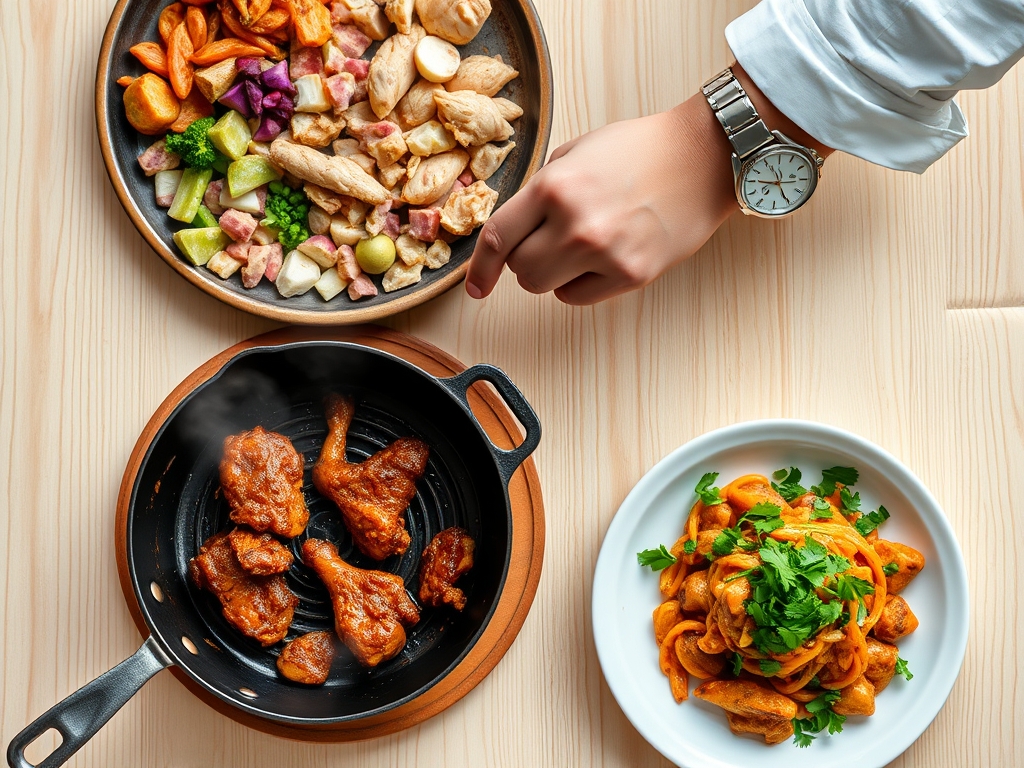
Add ginger-garlic paste. Fry for 90 seconds until raw smell disappears. Note the texture shown in the step-by-step photos: the paste should look drier, darkened slightly. Add ground spices (cumin, coriander, turmeric, chili powder). Fry for 60 seconds, stirring constantly.
Why It Works: Raw garlic contains allicin, which tastes harsh. Heat converts it to mellower sulfur compounds. Ground spices need direct heat contact to toast, not steam.
Step 4: Introduce Tomato and Develop the Gravy
Add pureed tomatoes. Cook until oil separates at the edges (8-10 minutes). The mixture should reduce by one-third, concentrating glutamates.
Chef's Secret: Tomato acidity must cook out or the sauce tastes sharp. Look for the ghee pooling at the perimeter, your visual cue that water has evaporated and fat is re-emerging.
Step 5: Temper and Add Yogurt
Remove pan from heat. Whisk yogurt with 15ml water and 2g besan (chickpea flour). Add slowly, stirring constantly. Return to low heat.
Why It Works: Direct heat curdles yogurt proteins. Tempering raises yogurt temperature gradually. Besan acts as a starch stabilizer, binding water and fat into emulsion.
Step 6: Sear and Simmer the Chicken
Pat chicken dry. Sear skin-side down in a separate pan (2 minutes per side at 220°C). Transfer to gravy. Simmer covered for 25 minutes (bone-in) or 12 minutes (boneless), internal temp 75°C.
Chef's Secret: Pre-searing creates a Maillard crust that won't develop in wet gravy. This adds textural contrast and roasted notes absent in one-pot methods.
Step 7: Finish with Fresh Elements
Stir in garam masala (5g), fresh cilantro, and curry leaves off-heat. Rest 5 minutes before serving.
Why It Works: Garam masala contains volatile oils (especially from green cardamom) that dissipate under prolonged heat. Adding at the end preserves their aromatic top notes.
Nutritional Info
Per 250g serving (bone-in thigh with 150ml gravy):
Calories: 420 kcal
Protein: 32g
Fat: 28g (saturated: 12g from ghee and chicken skin)
Carbohydrates: 11g (mostly from onions and tomatoes)
Fiber: 3g
Sodium: 680mg
Bone-in dark meat provides more iron (2.8mg) and zinc (3.1mg) than breast meat. Yogurt contributes probiotics (if unpasteurized post-cooking) and calcium (180mg).
Dietary Swaps
Keto: Reduce onions to 100g, increase ghee to 80ml, skip tomatoes entirely, use coconut cream (100ml) for body. Net carbs drop to 4g per serving.
Vegan: Swap chicken for cauliflower florets (600g) and chickpeas (200g, cooked). Use coconut yogurt. Simmer time reduces to 8 minutes. Protein content falls to 12g; compensate with hemp hearts (15g) stirred in at finish.
Gluten-Free: Naturally compliant. Ensure garam masala contains no filler. Skip besan or substitute with cornstarch (1:1 ratio).
Serving & Presentation
Plating Idea 1: Pool gravy in a shallow bowl. Center one thigh, skin crisped under broiler for 90 seconds. Garnish with microgreens and a lime wedge. Serve basmati pilaf alongside in a separate ramekin.
Plating Idea 2: Family-style in a copper handi. Swirl 10ml cream on top, sprinkle with crushed Kasuri methi (dried fenugreek leaves). Present with a stack of warm naan, charred edges visible.
Plating Idea 3: Deconstruct for modern service. Slice thigh meat, fan over saffron rice. Reduce gravy to a thicker consistency (simmer 5 extra minutes), drizzle artfully. Top with fried curry leaves and pomegranate arils for acid and crunch.
The Pro-Dodge
Pitfall 1: Yogurt curdles into grainy lumps.
Fix: Always temper with liquid, add off-heat, and stabilize with besan or cornstarch. If it breaks, pulse gravy in a blender for 10 seconds to re-emulsify.
Pitfall 2: Chicken tastes dry and chalky.
Fix: You overcooked it. Pull at 73°C internal; carryover heat will reach 75°C. Bone-in thighs are more forgiving than breasts. If already dry, shred meat and simmer in extra gravy for 3 minutes to rehydrate.
Pitfall 3: Gravy is watery and pale.
Fix: Tomatoes released too much liquid. Next time, use paste (70g) instead of puree, or cook uncovered for 5 extra minutes. For immediate rescue, simmer uncovered at medium-high heat, reducing by one-quarter. Whisk in 5g besan slurry (besan + water).
The Meal Prep Corner
Storage: Cool gravy to room temp within 90 minutes (spread in a shallow container). Refrigerate in airtight glass containers for 4 days. Freeze for 3 months; fat may separate upon thawing (whisk to recombine).
Reheating for Day-One Quality: Stovetop method wins. Add 30ml water or stock to the gravy, bring to a gentle simmer, covered. Heat chicken to 68°C internal (it will climb to 72°C). Microwave steams the meat unevenly. If unavoidable, use 50% power, 90-second intervals, stirring between.
Batch Cooking: Double the gravy base (onions through tomato). Portion into four containers. Prepare different proteins throughout the week: chicken thighs Monday, paneer Wednesday, shrimp Friday. The masala base stays consistent; protein cook times vary.
The Wrap-Up
Ten traditional preparations, one unifying principle: respect the spice bloom, control your heat, and treat protein with precision. Whether you're simmering a coastal Chettinad with cracked pepper and coconut or layering a Mughlai korma with cashew paste and saffron, these techniques translate across every regional style. Your kitchen now holds the fundamentals that Indian home cooks learn over decades. Cook one recipe this week, then another next week. Muscle memory builds, and soon you'll adjust spice ratios and heat levels by instinct, not recipe. Drop your results in the comments. Which recipe are you tackling first? Let's build this knowledge base together.
The Kitchen Table
Q: Can I use chicken breast instead of thighs?
A: Yes, but reduce cook time to 8-10 minutes and lower heat slightly. Breasts contain less fat and collagen, so they dry out faster. Brine in 5% salt solution (50g salt per liter water) for 30 minutes before cooking to retain moisture.
Q: Why does my spice blend taste bitter?
A: Over-toasting or using pre-ground spices stored beyond 6 months. Whole spices stay potent for 2 years; ground spices lose volatile oils within weeks. Toast whole, grind fresh, and store in airtight containers away from light.
Q: How do I prevent curdled yogurt every time?
A: Three steps: room-temperature yogurt, tempering with liquid, stabilizer (besan or cornstarch). If your yogurt is very tart (high lactic acid), add 2g sugar to buffer the pH before incorporating.
Q: What's the difference between garam masala and curry powder?
A: Garam masala is a warming blend (cinnamon, cardamom, cloves, black pepper, cumin, coriander) added at the end. Curry powder is a British invention, turmeric-heavy, cooked into the base. They're not interchangeable. Garam masala provides aromatic top notes; curry powder offers earthy body.
Q: Can I make this in a slow cooker or Instant Pot?
A: Instant Pot excels here. Saute mode for steps 1-5, then pressure cook 10 minutes (natural release). Slow cookers work but lack the Maillard browning from high-heat searing. Pre-sear aromatics and chicken in a skillet, then transfer to slow cooker with gravy for 4 hours on low.