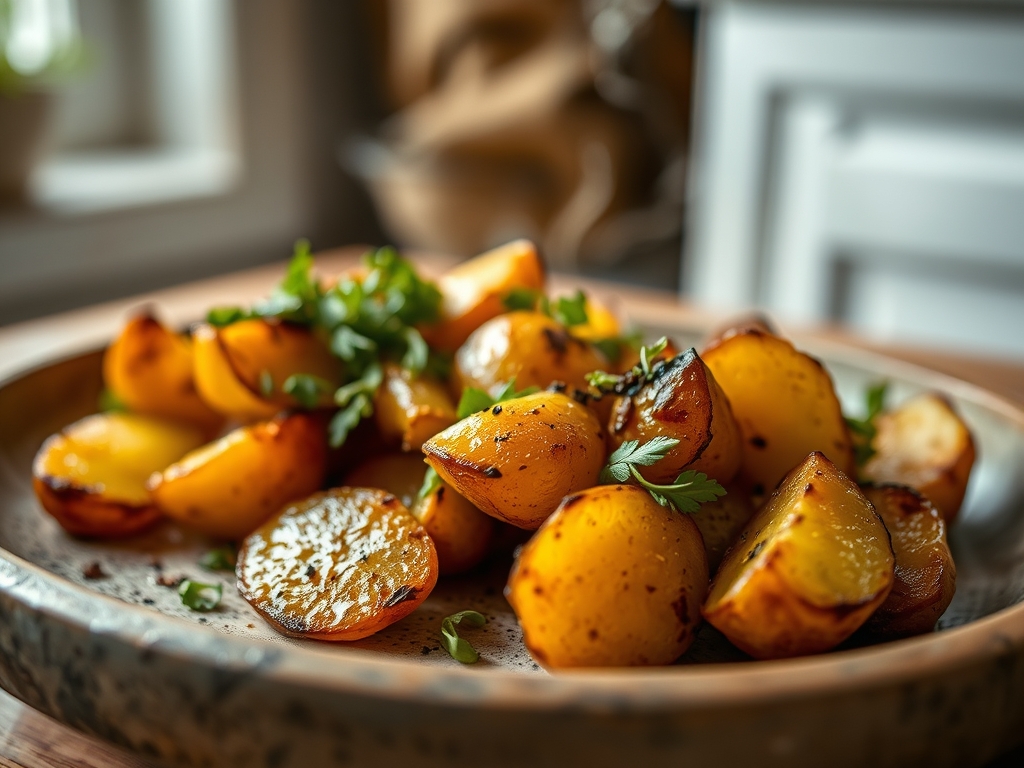
Imagine the sound of a knife blade shattering through a glass-like crust into a center so fluffy it practically dissolves on contact. That specific, rhythmic crunch is the hallmark of professional easy roasted potato recipes that most home cooks miss by a fraction of a millimeter. We are not just tossing tubers in a pan; we are engineering a structural masterpiece of starch and heat.
The secret to that elusive texture lies in the molecular breakdown of the potato surface. When you get this right, you are not just cooking dinner; you are performing a controlled dehydration of the exterior while steam-baking the interior. It is the difference between a soggy, oil-soaked wedge and a golden, pressurized nugget of joy. Whether you are hosting a frantic holiday dinner or just treating yourself to a solo Tuesday feast, understanding the chemistry behind the crisp will change your kitchen game forever. We are going for maximum surface area and a specific type of alkaline reaction that turns standard starch into a jagged, crunchy armor. Grab your apron; we are about to turn the humble spud into a culinary trophy.
The Gathers:
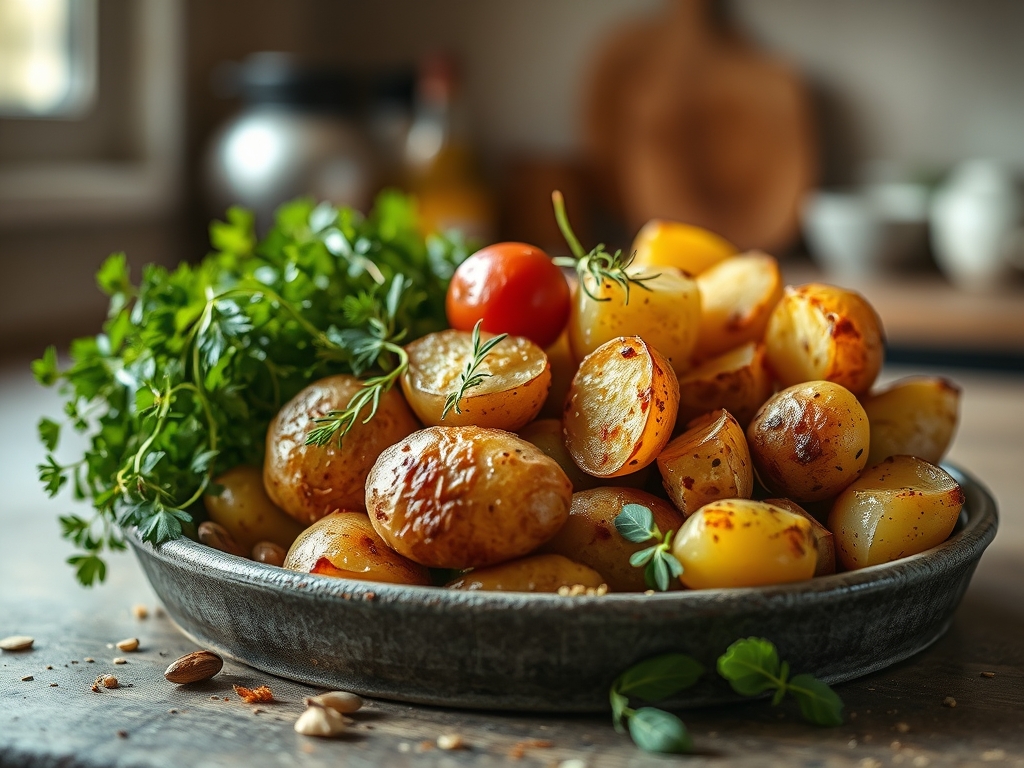
Before we ignite the flame, let us assemble our mise-en-place. Use a digital scale for precision, as the ratio of fat to starch determines the final viscosity of your coating. You will need high-starch potatoes like Russets or Yukon Golds. Russets provide the most dramatic crunch due to their high solids content, while Yukons offer a buttery, dense crumb.
You will also need a high-smoke-point fat. Duck fat is the gold standard for its rich flavor profile, but avocado oil or clarified butter works beautifully. Avoid extra virgin olive oil for the initial high-heat roast; its low smoke point will result in a bitter, acrid finish. For aromatics, gather fresh rosemary, thyme, and a whole head of garlic. We will use a microplane to zest a bit of lemon at the end for a piquant lift.
Smart Substitutions: If you are avoiding animal fats, use a refined coconut oil for a surprisingly crisp finish without the coconut flavor. If you lack fresh herbs, a high-quality smoked paprika or a dash of nutritional yeast can provide that savory umami depth. Always use flaky sea salt for the final garnish; the irregular crystal shape provides a concentrated burst of salinity that table salt cannot replicate.
The Clock
Efficiency in the kitchen is about "Chef's Flow," the art of overlapping tasks to minimize downtime. Expect a total active prep time of 15 minutes and a passive roasting time of 45 to 55 minutes.
Start by bringing a large pot of salted water to a boil. While the water heats, peel and chop your potatoes. By the time you finish the last spud, the water should be at a rolling boil. This synchronization ensures the potatoes do not sit out and oxidize. While the potatoes parboil, preheat your oven and your heavy-bottomed skillet or roasting pan. Placing potatoes onto a preheated surface initiates the Maillard reaction instantly, preventing the starch from sticking to the cold metal.
The Masterclass
1. The Alkaline Parboil
Cut your potatoes into large, uniform chunks to ensure even cooking. Drop them into boiling water fortified with a half-teaspoon of baking soda. This raises the pH of the water, which breaks down the potato's pectin more effectively than plain water.
Pro Tip: This alkaline environment creates a starchy slurry on the surface of the potato. This slurry is the "secret sauce" that dehydrates into the thick, glass-like crust we crave. It is a process of enzymatic browning accelerated by the pH shift.
2. The Rough-Up
Drain the potatoes in a colander and let them steam-dry for two minutes. This step is vital; excess moisture is the enemy of the crunch. Once dry, give the colander a vigorous shake. You want the edges of the potatoes to look frayed and mashed.
Pro Tip: This increases the surface area exponentially. Those "fuzzy" bits of mashed potato will fry in the oil, creating a craggy, multifaceted exterior that traps heat and flavor.
3. The Fat Infusion
In a large bowl, toss the roughed-up potatoes with your chosen fat, salt, and pepper. Ensure every crevice is coated. The fat acts as a heat conductor, ensuring the thermal energy from the oven reaches every millimeter of the potato's irregular surface.
Pro Tip: This is where emulsification begins. The starchy slurry mixes with the fat to create a thick paste. When this paste hits the high heat of the oven, it undergoes a rapid dehydration that locks in the fluffy interior.
4. The High-Heat Roast
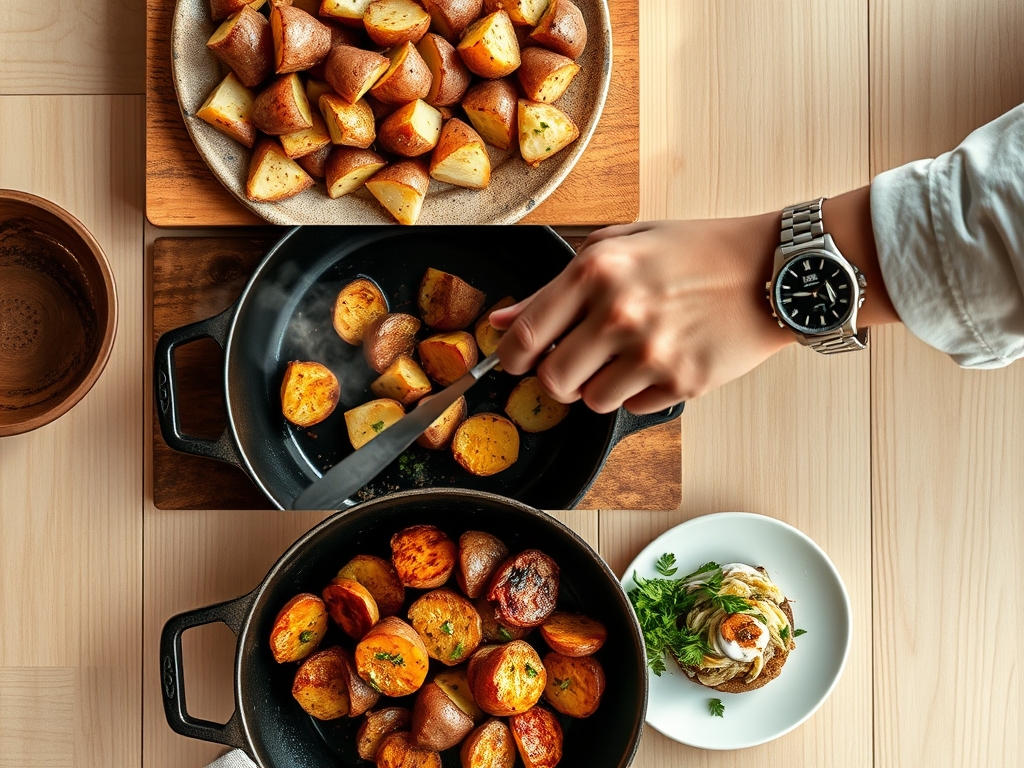
Spread the potatoes onto your preheated roasting pan. Use a bench scraper to ensure no starchy bits are left behind in the bowl. Arrange them so they are not touching; overcrowding the pan creates steam, which leads to mushy results. Roast at 425 degrees Fahrenheit.
Pro Tip: High-heat roasting utilizes convection to strip moisture from the surface. If you use a fan-assisted oven, the air movement further accelerates the crisping process.
5. The Aromatic Toss
About ten minutes before the potatoes are finished, add your smashed garlic cloves and woody herbs. Tossing them in too early will cause them to burn and turn bitter. Use tongs to turn the potatoes, ensuring every side gets intimate contact with the hot metal.
Pro Tip: This late addition allows the essential oils in the herbs to infuse into the fat without the delicate compounds breaking down under prolonged heat.
6. The Final Seasoning
Once the potatoes are a deep, mahogany gold, remove them from the oven. Immediately sprinkle with flaky salt and a whisper of lemon zest. The residual heat will wake up the citrus oils without cooking them.
Pro Tip: Thermal carryover means the potatoes will continue to cook for a few minutes after leaving the oven. Letting them rest for three minutes allows the internal steam to stabilize, ensuring the crust stays shattered-glass crisp rather than softening.
The Deep Dive
From a macro perspective, potatoes are a powerhouse of complex carbohydrates and potassium. To keep this dish keto-friendly, you can apply the same "rough-up" technique to cauliflower florets, though the roasting time will be significantly shorter. For a vegan version, stick to high-quality vegetable oils or avocado oil.
The Fix-It:
- Soggy Bottoms: This usually happens because the pan was not preheated or the potatoes were crowded. Fix: Transfer to a wire rack and blast at 450 degrees for five minutes.
- Burnt Herbs: You added the aromatics too early. Fix: Discard the burnt bits and toss the finished potatoes in a quick herb-infused oil made in a saucier.
- Sticking to Pan: You didn't use enough fat or tried to flip them too early. Fix: Let them roast longer; they will naturally release from the pan once the crust has fully formed.
Meal Prep: To achieve "day-one" quality when reheating, avoid the microwave at all costs. It vibrates water molecules, turning your crisp crust into a rubbery mess. Instead, use an air fryer or a hot toaster oven. The rapid air circulation will re-dehydrate the surface, bringing back that signature shatter.
The Wrap-Up
Mastering easy roasted potato recipes is a rite of passage for any serious home cook. It is about respecting the chemistry of the starch and the power of high-heat fats. When you pull that pan out of the oven and hear the sizzle, you know you have achieved something special. These are not just side dishes; they are the stars of the show. Serve them hot, serve them loud, and watch them disappear in seconds.
The Kitchen Table
Which potato is best for roasting?
Russets or Yukon Golds are the winners. Russets provide the crunchiest exterior due to high starch, while Yukon Golds offer a creamy, luxurious interior. Avoid waxy red potatoes for this specific high-crunch method.
Why add baking soda to the water?
Baking soda raises the water's pH, breaking down the potato's surface pectin. This creates a starchy paste that, once roasted, transforms into a thick, extra-crunchy crust that you cannot achieve with plain water.
Can I roast potatoes ahead of time?
You can parboil and toss them in fat up to a day in advance. Store them in the fridge, then roast them straight from cold when you are ready to eat for maximum efficiency and crunch.
How do I stop potatoes from sticking?
Preheat your roasting pan in the oven before adding the potatoes. The immediate sear prevents the starch from bonding to the metal. Also, ensure you use enough fat to create a barrier between the vegetable and the pan.