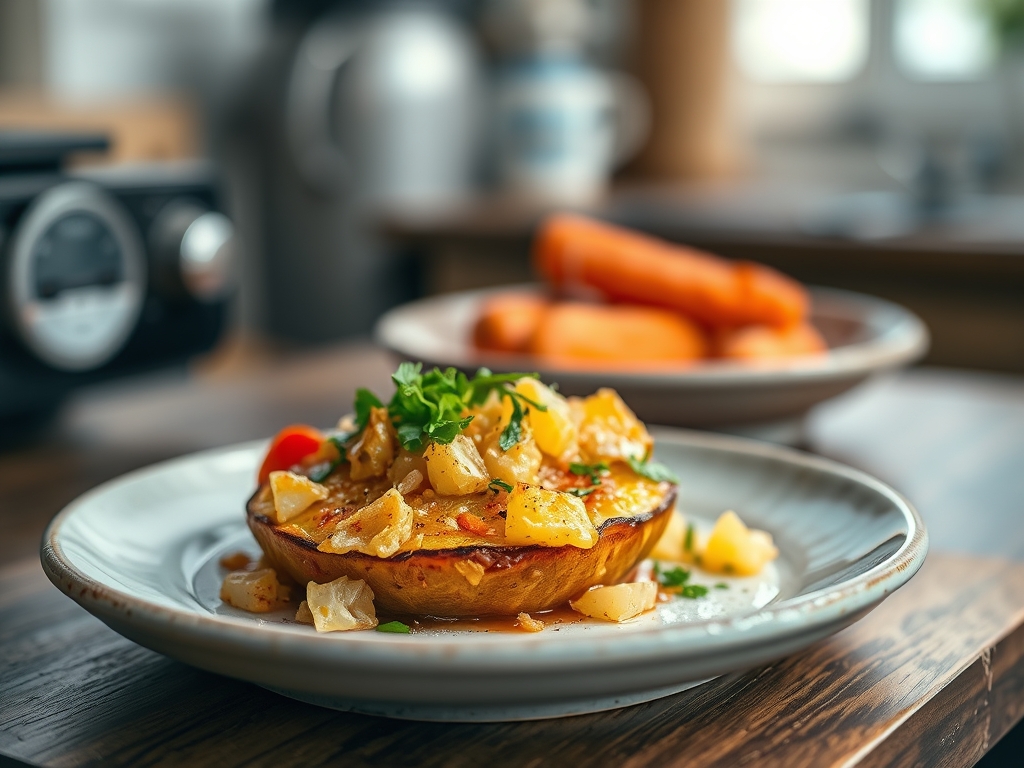
Imagine the scent of toasted butter and earthy starch blooming in your kitchen while you are still tucked under the covers. That is the magic of slow cooker hash brown potato recipes; they transform humble frozen shreds into a velvety, golden masterpiece without a single splatter of hot oil. It is the ultimate morning luxury, achieved with zero effort.
The beauty of using a slow cooker for these tubers lies in the controlled, low-intensity heat. Unlike a screaming hot skillet that risks a scorched exterior and a raw center, the ceramic crock creates a gentle convection environment. This allows the starches to gelatinize fully, resulting in a texture that is simultaneously creamy and structured. Whether you are hosting a frantic holiday brunch or just trying to survive a Tuesday, these hacks turn a bag of frozen potatoes into a sophisticated, chef-level side dish. Grab your favorite mug of coffee and let us dive into the molecular magic of the perfect potato.
The Gathers:
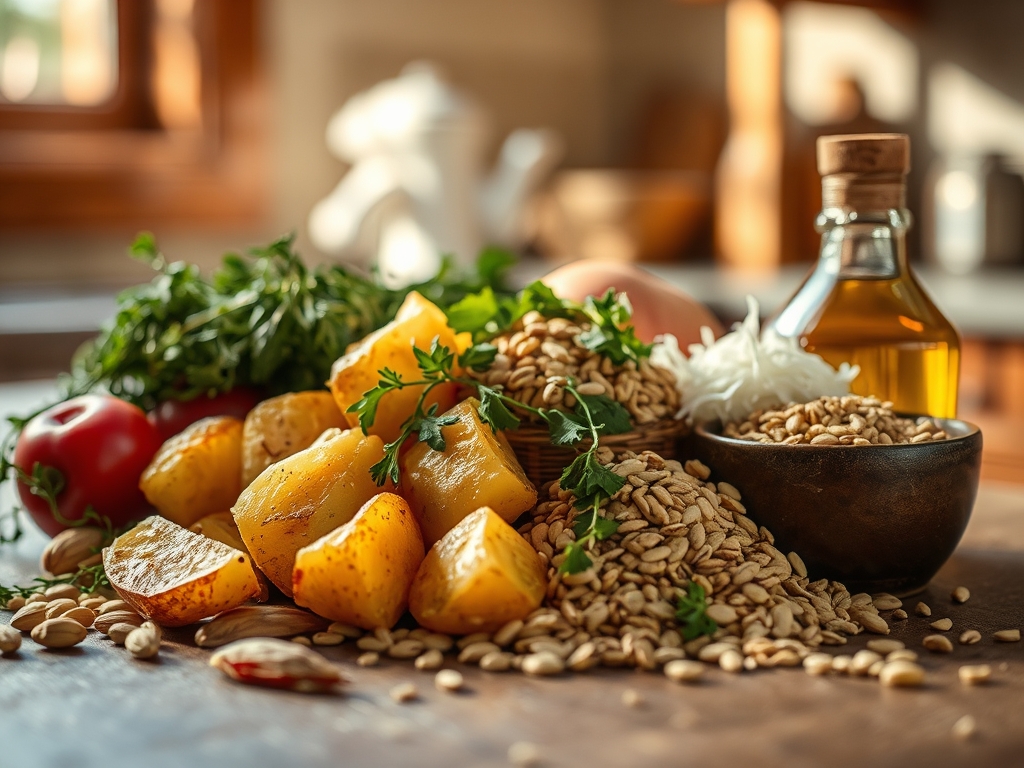
To execute these slow cooker hash brown potato recipes with precision, you must understand your ingredients. Start with high-quality frozen shredded potatoes. These are par-cooked and flash-frozen, which actually helps maintain their structural integrity during a long braise. You will also need a viscous binding agent like sour cream or a heavy cream reduction to provide the necessary lipids for a luxurious mouthfeel.
Your mise-en-place should include sharp cheddar or gruyere for a piquant kick; use a microplane to grate your own cheese rather than buying pre-shredded bags. Pre-shredded cheese is coated in cellulose, which inhibits a smooth melt. You will also need aromatics like shallots or garlic, finely minced with a sharp chef knife to ensure they melt into the sauce. For seasoning, skip the table salt and reach for kosher salt and freshly cracked black pepper to control the salinity levels precisely.
Smart Substitutions:
If you are looking to lighten the profile, swap the sour cream for Greek yogurt. The acidity provides a bright contrast to the heavy starch. For a dairy-free version, use a high-fat coconut milk or a cashew-based cream. To add a smoky depth, render a bit of pancetta in a heavy-bottomed skillet before folding it into the potatoes. The rendered fat will infuse the entire dish with a savory complexity that salt alone cannot achieve.
The Clock
Efficiency in the kitchen is about mastering the Chef's Flow. Prep for these recipes takes exactly fifteen minutes if your knife skills are sharp. The actual cooking time varies between four hours on high or seven to eight hours on low. The "sweet spot" is usually the six-hour mark on low heat, as this allows the flavors to meld without the potatoes losing their distinct shape and turning into a homogenous mash.
Always factor in a twenty-minute "rest" period once the timer goes off. This is not just a suggestion; it is a thermal necessity. During this time, the internal moisture redistributes and the fats begin to set, ensuring that when you use your bench scraper or serving spoon, the portion stays intact rather than weeping liquid onto the plate.
The Masterclass
1. Prepare the Vessel
Lightly coat your slow cooker insert with softened butter or a high-smoke-point oil. This creates a non-stick barrier and aids in the Maillard reaction along the edges where the potatoes touch the ceramic.
Pro Tip: This step prevents "bottom-burn." By creating a lipid barrier, you ensure that the sugars in the potatoes caramelize into a golden crust rather than carbonizing into a bitter, black layer.
2. The Emulsion Phase
In a large mixing bowl, whisk together your cream, aromatics, and spices. Use a saucier if you decide to warm the cream first to better infuse herbs like rosemary or thyme into the liquid.
Pro Tip: Warming the liquid slightly before adding it to the frozen potatoes prevents "thermal shock." This ensures the slow cooker reaches its target temperature faster, keeping the potatoes out of the bacterial danger zone.
3. Layering the Components
Fold the frozen hash browns into the liquid mixture until every shred is coated. This ensures that the starch is evenly distributed, which helps aerate the final texture so it is fluffy rather than dense.
Pro Tip: Do not over-mix. Excessive agitation releases too much amylose from the potatoes, which can result in a gummy, glue-like consistency. A gentle fold preserves the individual "shred" identity.
4. The Cheese Integration
Add two-thirds of your hand-grated cheese into the potato mixture. Save the remaining third for the final thirty minutes of cooking to create a bubbly, molten lid.
Pro Tip: Adding cheese in stages ensures a "matrix" of flavor. The internal cheese provides creaminess, while the top layer provides the visual and textural appeal of a classic gratin.
5. Managing Moisture
Place a clean kitchen towel under the lid of the slow cooker for the final hour of cooking. This absorbs excess steam that would otherwise drip back onto the potatoes.
Pro Tip: This technique addresses the "evaporative cooling" effect. By removing excess moisture, you allow the surface temperature to rise high enough to achieve a slight crispness around the perimeter.
6. The Final Fold
Once the time is up, use a silicone spatula to gently lift the edges. Check for a deep golden hue along the sides of the crock.
Pro Tip: This is "carryover cooking" in action. Even after you turn the dial to "off," the ceramic insert retains enough thermal energy to continue cooking the dish for several minutes.
7. The Garnish Flourish
Just before serving, top with fresh chives or scallions. The residual heat will release their volatile oils without wilting them into oblivion.
Pro Tip: Adding fresh greens at the end provides an enzymatic brightness that cuts through the heavy fats, balancing the palate and making the dish feel lighter.
8. The Texture Check
Use a digital scale if you are portioning for meal prep to ensure consistency. The ideal texture should be fork-tender but not mushy.
Pro Tip: If the dish feels too wet, leave the lid off for the last 30 minutes. This allows the liquid to reduce and thicken through simple evaporation.
The Deep Dive
Macro Nutrition: One serving of these hash browns typically contains 280 calories, 18g of carbohydrates, and 12g of fat. While starch-heavy, the addition of high-quality fats and proteins from cheese slows the glycemic response.
Dietary Swaps: For a Keto version, replace half the potatoes with shredded cauliflower; just be sure to squeeze the moisture out of the cauliflower first. For a Vegan profile, use nutritional yeast for a cheesy flavor and coconut cream for the base. Gluten-Free diners are usually safe, but always check the frozen potato packaging for added wheat-based anti-caking agents.
The Fix-It:
- Too Soupy: Whisk a teaspoon of cornstarch with cold water and stir it in for the last 30 minutes to tighten the sauce.
- Bland Flavor: You likely under-salted. Add a splash of apple cider vinegar or lemon juice; acidity often mimics the effect of salt.
- Burnt Edges: Your slow cooker might run hot. Next time, use a parchment paper liner to insulate the potatoes from the direct heat of the ceramic.
Meal Prep: To reheat and maintain "day-one" quality, avoid the microwave. Use a heavy-bottomed skillet with a touch of butter to re-crisp the bottom, or a toaster oven at 350 degrees Fahrenheit to restore the internal creaminess.
The Wrap-Up
Mastering slow cooker hash brown potato recipes is like having a secret weapon in your culinary arsenal. It takes the stress out of mornings and replaces it with a reliable, decadent result every single time. By understanding the science of starch and the importance of temperature control, you have graduated from a basic cook to a kitchen scientist. Now, go forth, grab your tongs, and serve up a bowl of golden, cheesy perfection. Your brunch guests will thank you.
The Kitchen Table
Can I use fresh potatoes instead of frozen?
Yes, but you must grate them and then soak them in cold water to remove excess starch. Pat them completely dry before adding to the slow cooker to avoid a gummy, grey texture.
How do I prevent the potatoes from turning brown?
Enzymatic browning happens when potatoes are exposed to oxygen. In the slow cooker, keep the lid sealed and ensure the potatoes are well-coated in your cream base to create an oxygen barrier.
Is it safe to cook hash browns on low overnight?
Yes, provided your slow cooker is in good working order. Most modern units switch to a "warm" setting automatically, which is perfect for keeping the potatoes at a food-safe temperature until sunrise.
Why are my hash browns mushy?
Mushiness usually results from over-stirring or too much liquid. To fix this, leave the lid off during the final hour of cooking to allow excess moisture to evaporate and the starches to set.