
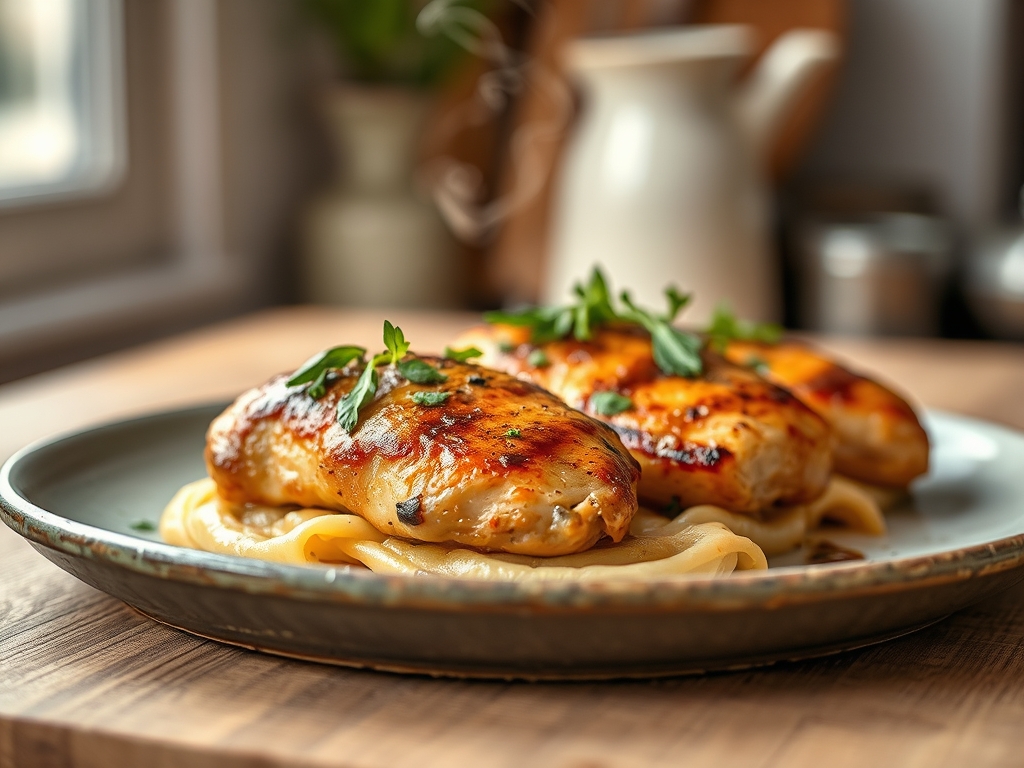
The scent of charred rosemary and caramelized citrus drifting over a sun-drenched patio is the definitive signal that the season has shifted. When it comes to mastering summer chicken recipes, the secret lies in balancing the heavy lifting of protein with the bright, acidic lift of seasonal produce. We are moving beyond the dry, uninspired grilled breasts of yesteryear. We are embracing the science of moisture retention and the glory of the Maillard reaction. This guide is your backstage pass to nine variations of poultry perfection that will turn your backyard into the most coveted bistro in the zip code. We are talking about skin so crisp it shatters like glass and meat so succulent it defies the laws of thermal physics.
The Gathers:
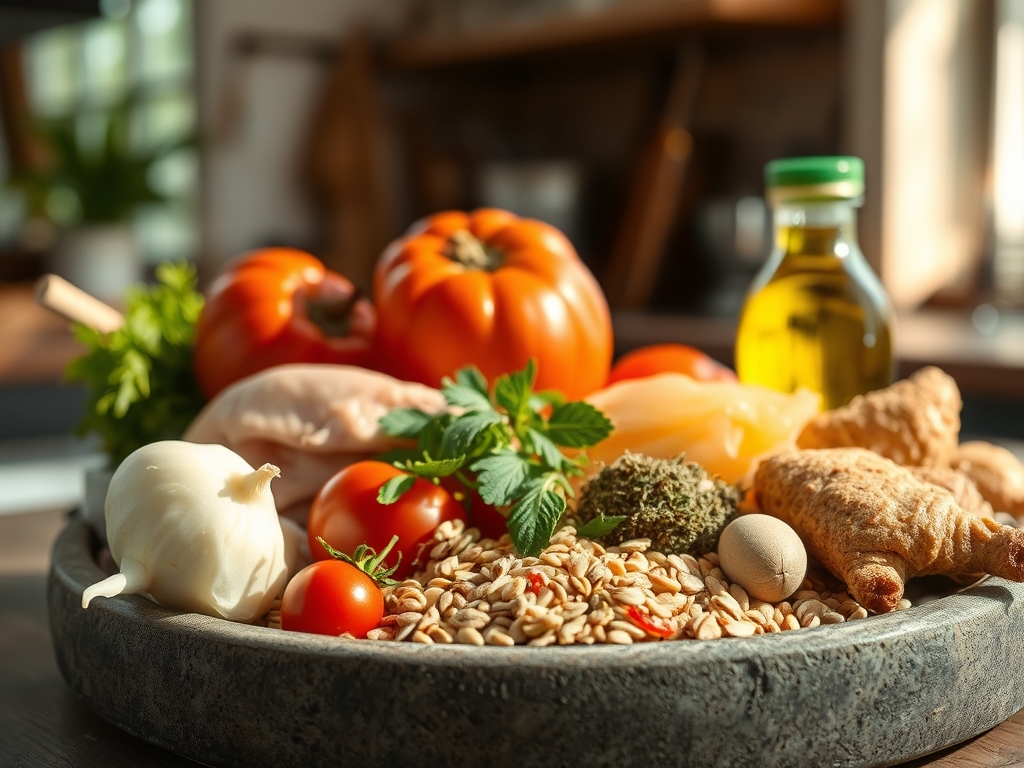
To execute these summer chicken recipes with precision, your mise-en-place must be more than just organized; it must be strategic. Start with your protein. For the most consistent results, seek out air-chilled birds. Unlike water-chilled poultry, air-chilled meat has not absorbed excess moisture, which means the skin will render more efficiently and the flavor remains concentrated.
Your aromatics are the soul of the dish. Gather bunches of woody herbs like thyme and oregano, alongside softer greens like Italian parsley and basil. You will need high-quality fats with high smoke points, such as avocado oil or clarified butter, to achieve that golden crust without the bitter notes of burnt lipids. Do not forget your acids. Fresh lemons, limes, and even a sharp white balsamic vinegar are essential for cutting through the richness of the meat.
Smart Substitutions:
If you find yourself without fresh shallots, use the white parts of green onions for a similar sulfurous bite. No Meyer lemons? A mix of standard lemon juice and a splash of tangerine juice mimics that floral, low-acid profile perfectly. If you are avoiding refined sugars in your marinades, use grated pear; the natural sugars provide excellent caramelization while the enzymes act as a subtle tenderizer.
The Clock:
The "Chef's Flow" is all about overlapping tasks to maximize efficiency. Total active prep time for these recipes averages 25 minutes, with cooking times ranging from 12 minutes for thin cutlets to 45 minutes for a spatchcocked bird.
The rhythm looks like this: Start by tempering your meat. Taking the chicken out of the refrigerator 20 minutes before cooking ensures even heat distribution. While the protein loses its chill, use your bench scraper to clear your chopping board as you prep the marinades. The goal is to have your "wet" work finished before the "hot" work begins. This prevents the frantic scramble that leads to overcooked meat. Always account for a 10-minute resting period. This is non-negotiable for moisture retention.
The Masterclass:
1. The Salt Brine Equilibrium
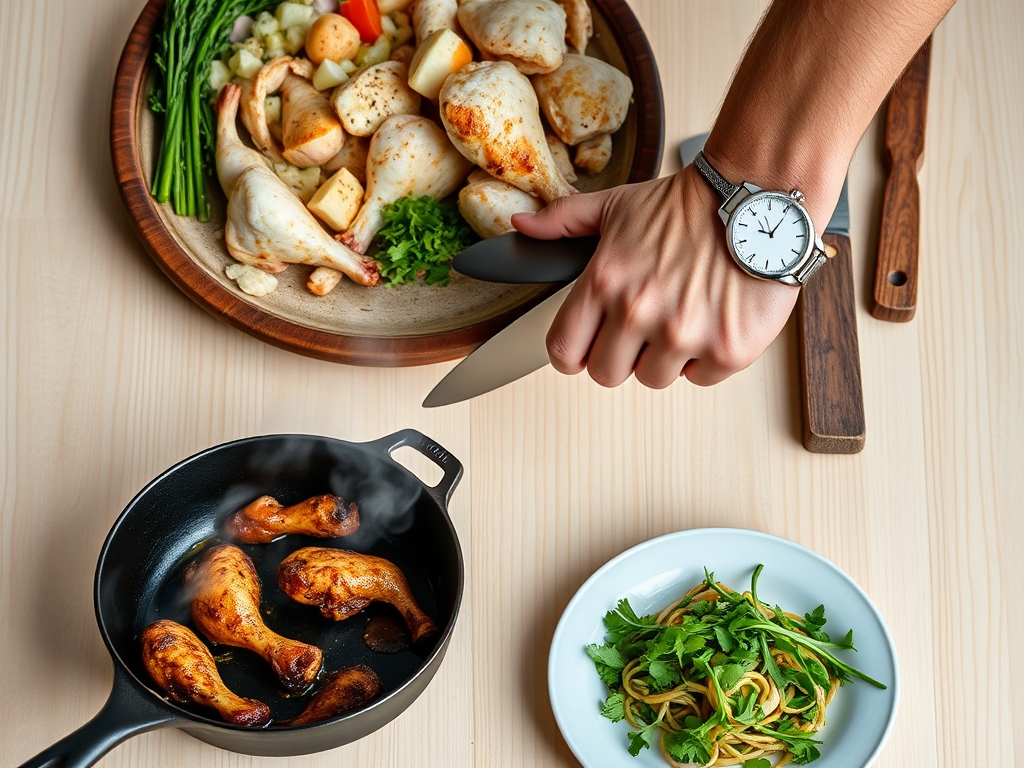
Begin by seasoning your chicken generously with kosher salt at least thirty minutes before cooking. This process, known as dry brining, allows the salt to penetrate the muscle fibers and denature the proteins. Note the texture change in the step-by-step photos below; the surface will initially look wet, then dry as the moisture is reabsorbed.
Pro Tip: This is the science of osmosis. By breaking down the protein structure, the meat can hold onto more water during the high-heat cooking process, preventing the "sawdust" texture common in lean poultry.
2. The Sear and the Sizzle
Heat a heavy-bottomed skillet or a cast-iron pan until a drop of water dances and evaporates instantly. Add your oil, then place the chicken skin-side down. Use tongs to press the meat firmly against the surface to ensure maximum contact.
Pro Tip: This triggers the Maillard reaction, a chemical bridge between amino acids and reducing sugars. It creates hundreds of different flavor compounds that provide the savory, "umami" depth we crave.
3. The Deglaze and Emulsify
Once the chicken is cooked and removed from the pan, you will see brown bits stuck to the bottom. These are called "fond." Pour in a splash of dry white wine or chicken stock and use a wooden spoon to scrape them up. Whisk in cold butter to create a viscous, glossy pan sauce.
Pro Tip: This is an emulsion. The cold butter fats bind with the liquid to create a stable, creamy sauce without the need for heavy starches.
4. The Citrus Infusion
Using a microplane, zest fresh lemon directly over the finished dish. The essential oils in the zest are volatile and will dissipate if cooked too long, so always add them at the very end for a piquant finish.
Pro Tip: Heat destroys the delicate terpene compounds in citrus zest. Adding it as a finishing touch preserves the bright, floral aroma that defines summer chicken recipes.
5. The Thermal Carryover Rest
Transfer the chicken to a warm plate and tent it loosely with foil. Do not cut into it immediately. Allow the meat to rest for at least eight minutes.
Pro Tip: This accounts for thermal carryover. The internal temperature will continue to rise by 5 to 10 degrees after removal from heat. Resting also allows the muscle fibers to relax and reabsorb the juices.
The Deep Dive:
When we look at the macro nutrition of these summer chicken recipes, we are looking at a powerhouse of lean protein. On average, a 6-ounce serving provides 48 grams of protein with minimal saturated fats, especially if you opt for skinless cuts.
Dietary Swaps:
For a Keto version, replace any honey in marinades with monk fruit sweetener and increase the use of healthy fats like extra virgin olive oil. For a Vegan alternative, use the same marinating techniques on "steaks" of cauliflower or oyster mushrooms; the high surface area allows for excellent caramelization. To keep it Gluten-Free, ensure your chicken stock is certified and use tamari instead of soy sauce.
The Fix-It:
- The Rubber Texture: This happens when chicken is cooked too slowly at low heat. Fix: Increase your initial sear temperature to lock in the structure.
- The Burnt Garlic: Garlic burns faster than chicken. Fix: Add minced garlic during the last 2 minutes of cooking or use whole, smashed cloves that can be easily removed.
- The Soggy Skin: This is caused by overcrowding the pan, which creates steam. Fix: Cook in batches to allow moisture to evaporate freely.
Meal Prep Science:
To maintain "day-one" quality when reheating, avoid the microwave, which vibrates water molecules and toughens the protein. Instead, use a saucier or small pan with a tablespoon of water or stock. Cover and heat on low; the gentle steam will rehydrate the meat without overcooking the exterior.
The Wrap-Up:
Mastering summer chicken recipes is about more than just following a list of ingredients; it is about understanding how heat, salt, and acid interact to create something spectacular. Whether you are using a digital scale to perfect your spice rubs or relying on the reliable weight of a cast-iron press, the goal is consistent excellence. Go forth, fire up those burners, and let the science of deliciousness lead the way. Your summer table is waiting.
The Kitchen Table:
How do I keep chicken breast from drying out on the grill?
Use a meat thermometer to pull the chicken at 160 degrees Fahrenheit. The carryover heat will bring it to the safe 165 mark. Brining beforehand also adds a moisture buffer that protects the lean protein from high heat.
What is the best way to get crispy skin every time?
Ensure the skin is bone-dry before it hits the pan. Pat it with paper towels and leave it uncovered in the fridge for an hour. High heat and a heavy pan are essential for rendering the subcutaneous fat.
Can I marinate chicken for too long?
Yes. Acid-heavy marinades containing lemon or vinegar will eventually "cook" the meat, turning the texture mushy and mealy. Limit marinating time to under four hours for the best structural integrity and flavor balance.
Why does my chicken stick to the stainless steel pan?
The chicken will naturally release once the Maillard reaction has formed a proper crust. If it sticks, it is not ready to be flipped. Wait another minute for the proteins to contract and pull away from the metal surface.