
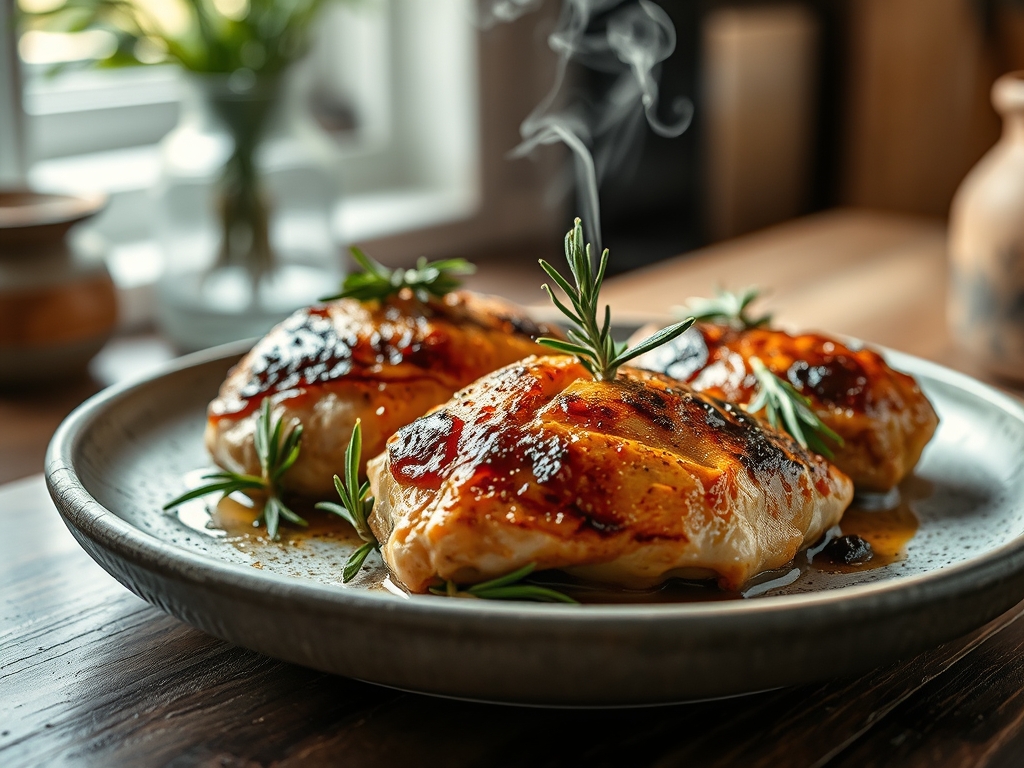
Close your eyes and imagine the sharp, resinous perfume of fresh herbs hitting a screaming hot stainless steel pan. That immediate, piney aroma is the hallmark of the best rosemary and chicken recipes; it is a scent that promises comfort while demanding professional execution. When that woody herb meets the golden, rendered fat of a searing bird, a chemical transformation occurs that elevates a simple dinner into a culinary event.
We are not just cooking here; we are orchestrating a symphony of volatile oils and amino acids. Rosemary contains high levels of eucalyptol and camphor, which act as the perfect piquant foil to the rich, savory depth of poultry. Whether you are aiming for a crispy skin or a succulent braise, the secret lies in how you manipulate these two ingredients. By understanding the molecular structure of your aromatics, you can transform a mundane Tuesday night meal into a five star experience. Let us dive into the mechanics of flavor and master the art of the perfect sear.
The Gathers:
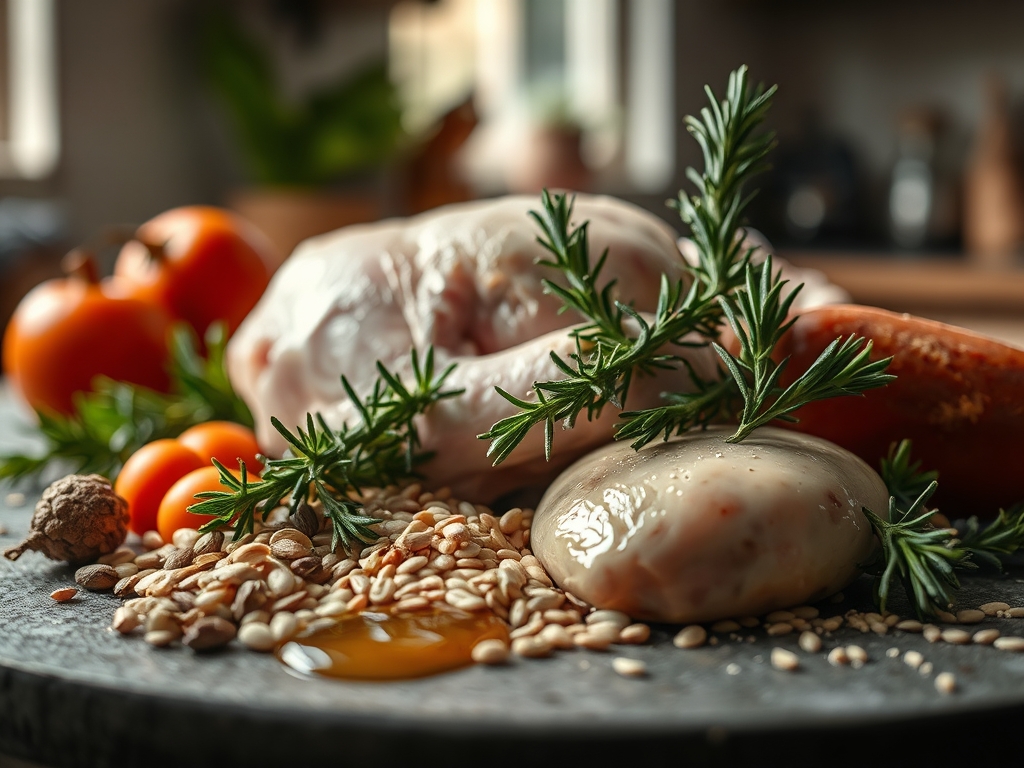
Before we ignite the burner, your mise-en-place must be flawless. You will need high quality chicken thighs or breasts; I prefer bone-in, skin-on thighs for their higher lipid content, which carries flavor more efficiently. For our aromatics, source fresh rosemary sprigs that are vibrant green and flexible. If the needles are brittle, the essential oils have already dissipated.
You will also need a high smoke point fat like avocado oil or clarified butter. Avoid extra virgin olive oil for the initial sear, as its low smoke point will result in acrid, scorched notes. Gather your professional tools: a heavy-bottomed skillet (cast iron or carbon steel is ideal for heat retention), a pair of locking stainless steel tongs, and a microplane for zesting citrus.
Smart Substitutions: If fresh rosemary is unavailable, use one third the amount of dried rosemary, but crush it in a mortar and pestle first to release the trapped oils. For a vegan twist, these techniques work beautifully on thick slabs of cauliflower or oyster mushrooms. If you are watching your sodium, replace table salt with a high mineral sea salt or a splash of liquid aminos to enhance the umami profile without the bloat.
The Clock
Efficiency in the kitchen is about "Chef's Flow." This is the psychological state where your movements are deliberate and your timing is synchronized. For these rosemary and chicken recipes, expect a total time of 30 minutes.
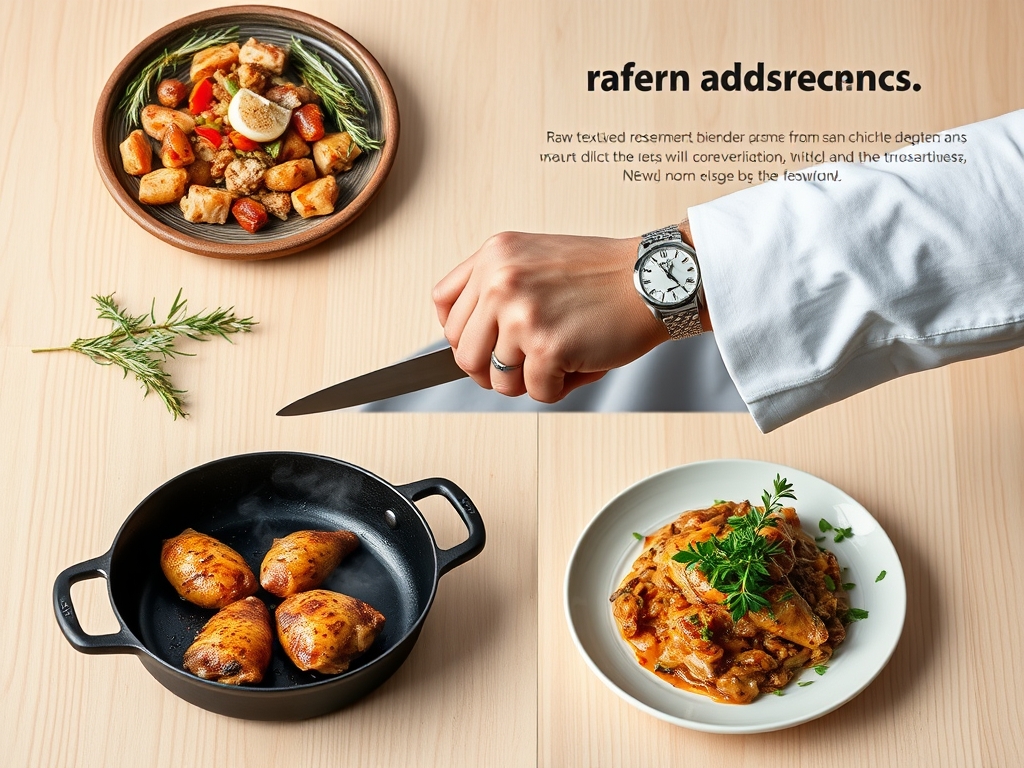
Prep takes exactly 10 minutes: this includes patting the protein dry (moisture is the enemy of the Maillard reaction), stripping the rosemary needles, and mincing your garlic. The cook time sits at 20 minutes. We spend 6 to 8 minutes on the initial sear to develop a crust, followed by 10 to 12 minutes of indirect heat or simmering to reach an internal temperature of 165 degrees Fahrenheit. The final 2 minutes are reserved for the "baste and rest" phase, which is non-negotiable for juice retention.
The Masterclass
1. The Moisture Purge
Use a heavy duty paper towel to pat the chicken surfaces until they are bone dry. Any residual surface water will instantly turn to steam when it hits the oil, preventing the skin from becoming crispy.
Pro Tip: This is the science of evaporative cooling. If the surface is wet, the temperature cannot rise above 212 degrees Fahrenheit until the water is gone. You need it to hit 300 degrees Fahrenheit to trigger the Maillard reaction.
2. The Cold Oil Start
Place your heavy-bottomed skillet over medium high heat and add your fat. Wait until the oil begins to shimmer and shows a slight wisp of smoke before laying the chicken skin-side down.
Pro Tip: This ensures lipid-protein bonding. By waiting for the oil to reach its kinetic peak, you prevent the chicken from sticking to the microscopic fissures in the metal pan.
3. The Herb Infusion
Once the chicken has been searing for three minutes, toss your rosemary sprigs and smashed garlic cloves into the hot fat surrounding the meat. Use your tongs to move them around, ensuring they do not burn.
Pro Tip: This process is called fat-soluble extraction. The essential oils in rosemary (pinene and limonene) are hydrophobic, meaning they dissolve better in hot oil than in water, deeply flavoring the entire dish.
4. The Deglaze
After flipping the chicken, the bottom of your pan will be covered in "fond," those delicious brown bits. Pour in a splash of dry white wine or chicken stock and scrape the bottom with a wooden spoon or a bench scraper.
Pro Tip: This is solvent-based flavor recovery. The liquid dissolves the caramelized proteins and sugars, incorporating them back into a viscous, flavorful sauce.
5. The Butter Baste
In the final two minutes of cooking, add a knob of cold unsalted butter to the pan. As it foams, tilt the skillet and use a large spoon to continuously pour the hot, herb-infused butter over the chicken.
Pro Tip: This creates a convection heat jacket. The hot butter cooks the top of the meat while simultaneously aerating the sauce, creating a silky mouthfeel through temporary emulsification.
6. The Carryover Rest
Transfer the chicken to a warm plate and let it sit for at least five minutes before slicing. Do not tent it tightly with foil, as the trapped steam will soften that hard-earned crispy skin.
Pro Tip: This accounts for thermal carryover. The internal temperature will continue to rise by 5 degrees after removal from heat, while the muscle fibers relax to reabsorb the internal juices.
The Deep Dive
From a nutritional standpoint, rosemary and chicken recipes are a powerhouse. A standard 6 ounce serving of chicken thigh provides roughly 35 grams of high bioavailability protein. Rosemary itself is packed with polyphenols and carnosic acid, which have been studied for their antioxidant properties.
Dietary Swaps: For a Keto version, keep the skin on and use grass-fed butter for the baste. For Vegan guests, use firm tofu pressed for 30 minutes, then follow the same searing and rosemary infusion steps using coconut oil. If you are Gluten-Free, simply ensure your chicken stock is certified and avoid any flour-based thickeners.
The Fix-It:
- Bitter Sauce: This happens if the rosemary or garlic burns. Fix it by adding a teaspoon of honey or agave to balance the acridity with sweetness.
- Soggy Skin: You likely crowded the pan. Fix it by finishing the chicken under the broiler for 60 seconds to rapidly dehydrate the surface.
- Dry Meat: You bypassed the rest period. Next time, use a digital thermometer to pull the chicken at 160 degrees Fahrenheit and let carryover do the rest.
Meal Prep: To maintain "day-one" quality, reheat your chicken in an air fryer at 350 degrees Fahrenheit for 4 minutes. This restores the crispness that a microwave would destroy through uneven molecular agitation.
The Wrap-Up
Mastering rosemary and chicken recipes is a rite of passage for any home cook looking to sharpen their technical skills. By focusing on the science of the sear and the chemistry of herb infusion, you have moved beyond following a list of instructions and started practicing true culinary art. Go forth, grab your favorite skillet, and let the scent of toasted rosemary fill your kitchen. You have got the tools, the tips, and the talent to make this the best meal of your week!
The Kitchen Table
Can I use dried rosemary instead of fresh?
Yes, but use one third of the amount. Dried herbs are more concentrated. Crush them between your palms or in a mortar and pestle to reactivate the dormant oils before adding them to your heavy-bottomed skillet.
Why is my chicken sticking to the pan?
The pan or the oil was not hot enough, or the chicken was too wet. Ensure the oil is shimmering and the protein is patted dry. Let the Maillard reaction finish; the meat will naturally release when seared.
What is the best way to store leftovers?
Store in an airtight glass container for up to four days. To preserve the texture, reheat in an oven or air fryer rather than a microwave to keep the skin from becoming rubbery and the fats from separating.
Does rosemary lose flavor if cooked too long?
Rosemary is a hardy, woody herb that withstands high heat better than soft herbs like parsley. However, if the needles turn black, they become bitter. Add them halfway through the searing process for the best balance.