
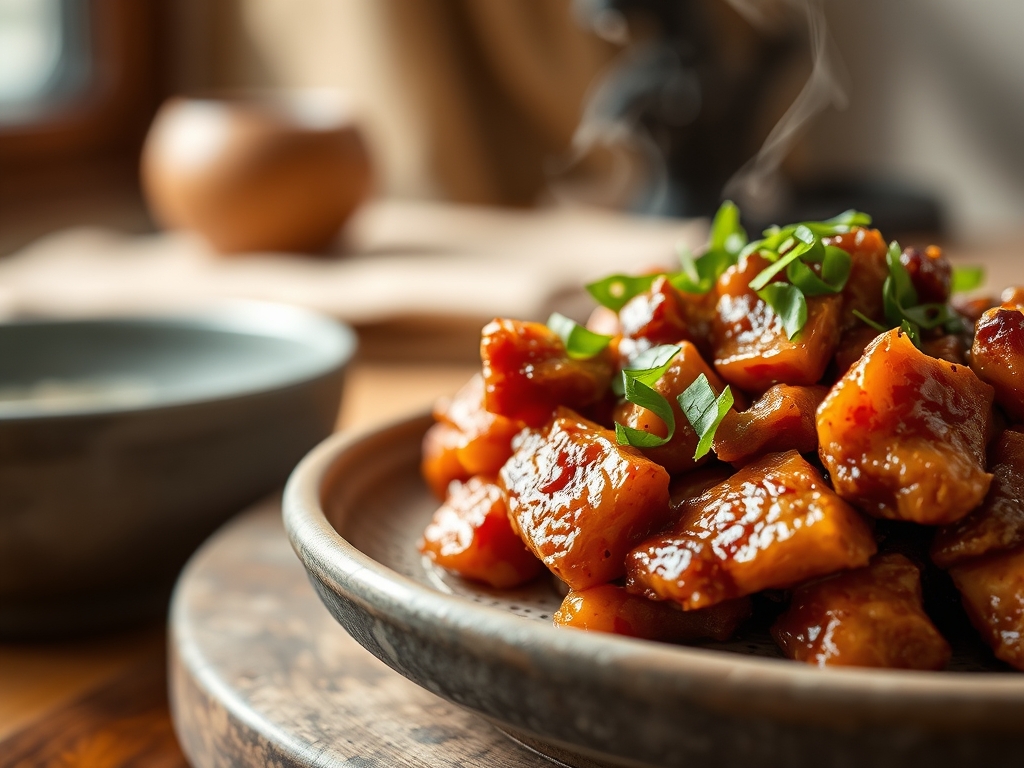
Imagine the scent of toasted peppercorns hitting a shimmering pool of oil; it is a fragrance that does more than just invite you to dinner. It triggers a physical reaction. When you master these seven sichuan chicken recipes, you are not just cooking; you are orchestrating a complex chemical symphony of heat, numbing sensations, and deep umami.
The magic of Sichuan cuisine lies in the concept of "ma-la." This is the interplay between the numbing hydroxy-alpha-sanshool in Sichuan peppercorns and the fiery capsaicin of dried chiles. It is a sensory paradox that keeps your palate awake and your endorphins surging. We are going beyond basic stir-fry. We are diving into the mechanics of high-heat searing and the delicate balance of fermented pastes to ensure every bite is a bold, restaurant-quality experience right in your own kitchen. Grab your heavy-bottomed skillet; we are about to transform ordinary poultry into a masterpiece of heat and texture.
The Gathers:
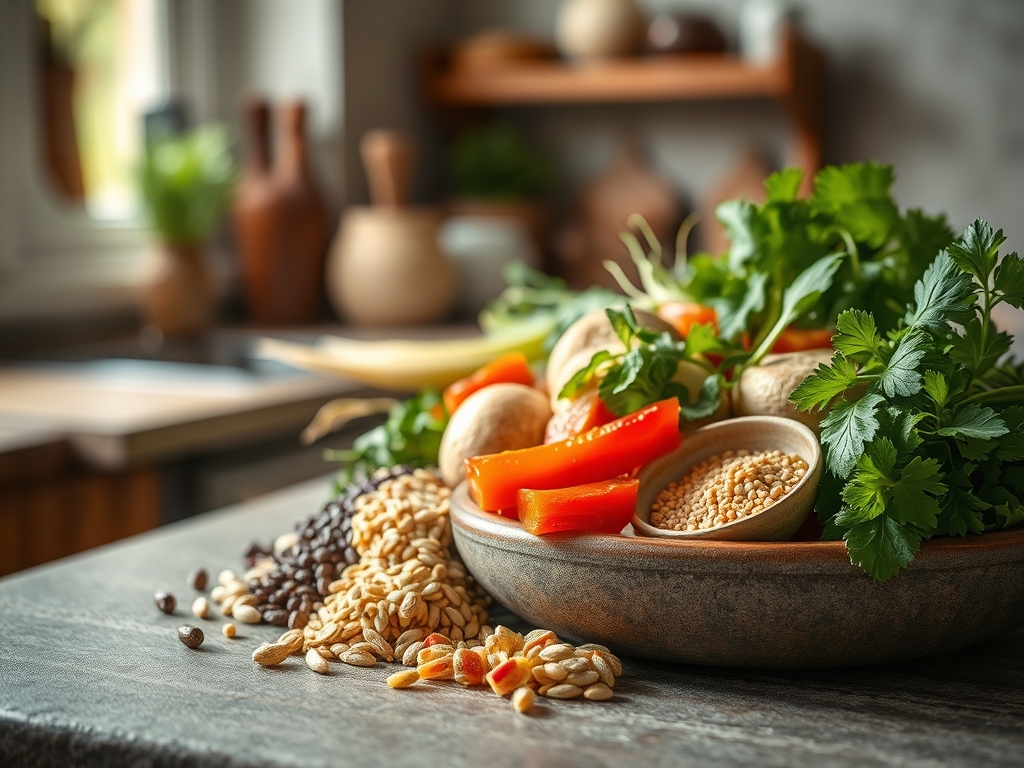
To execute these sichuan chicken recipes with precision, your mise-en-place must be flawless. Start with the proteins. Use boneless, skinless chicken thighs for their higher fat content and connective tissue; this ensures the meat remains succulent even under the intense heat of a carbon steel wok. You will need high-quality Sichuan peppercorns. Look for bright pink husks and discard any black seeds, which are gritty and bitter.
Your pantry must include Pixian broad bean paste (Doubanjiang). This is the "soul" of Sichuan cooking. It is a fermented product that provides a deep, salty, and viscous base for your sauces. You will also need Chinkiang black vinegar for its malty acidity and premium light soy sauce for salinity. Use a microplane to grate fresh ginger and garlic into a fine paste; this increases the surface area and allows the aromatics to melt into the oil without burning.
Smart Substitutions: If you cannot find authentic Doubanjiang, a mixture of sambal oelek and a touch of miso paste can mimic the fermented funk and heat. For those sensitive to gluten, ensure your soy sauce is replaced with liquid aminos or tamari. If the numbing sensation of the peppercorns is too intense, toasted coriander seeds offer a citrusy brightness without the vibrating "buzz."
The Clock
Efficiency in the kitchen is about the "Chef's Flow." For these recipes, total preparation time is approximately 20 minutes, while active cooking time rarely exceeds 10 minutes. The secret is the "Velveting" process. Marinating your chicken in a slurry of cornstarch, egg white, and rice wine for 15 minutes creates a protective barrier.
This barrier prevents the proteins from denaturing too quickly in the heat. While the chicken marinates, use a bench scraper to organize your chopped aromatics. The actual cooking is a high-speed maneuver. You are looking for a total window of 30 minutes from fridge to table. By prepping in batches, you ensure the wok stays hot enough to trigger the Maillard reaction rather than steaming the meat in its own juices.
The Masterclass
1. The Velveting Technique
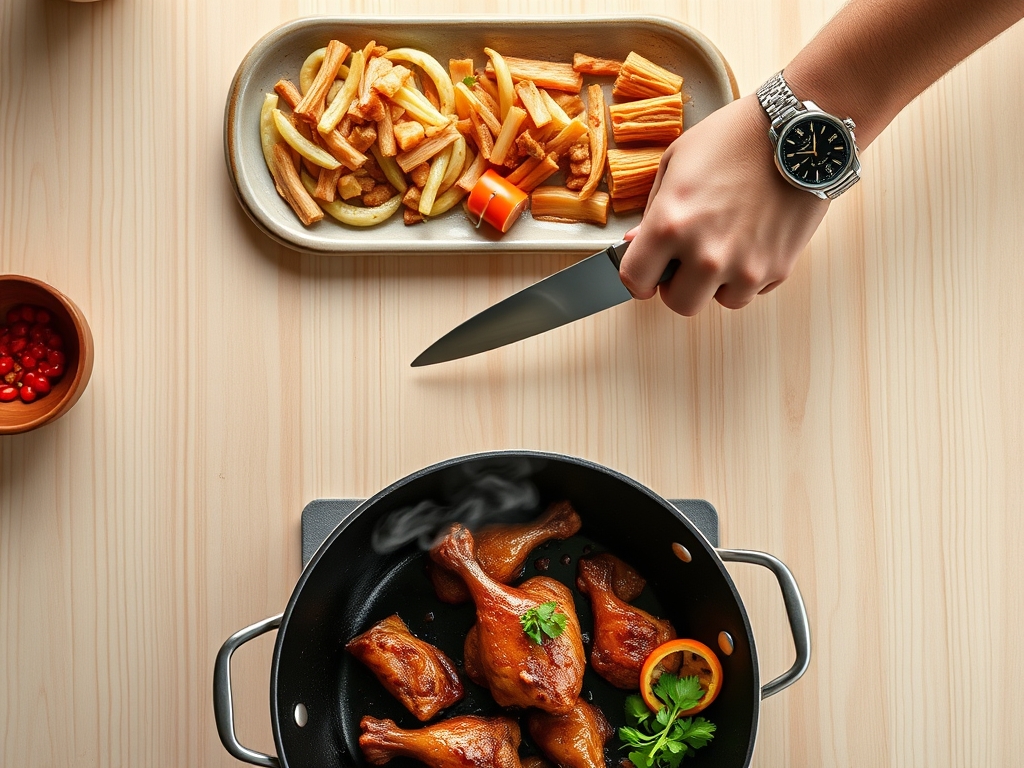
Begin by slicing your chicken into uniform one-inch cubes. Toss them in a bowl with cornstarch, salt, and a splash of Shaoxing wine. This creates a silk-like coating that protects the delicate muscle fibers from the aggressive heat of the pan.
Pro Tip: This is an example of starch gelatinization. The cornstarch absorbs moisture and forms a gel-like film that traps juices inside the meat while creating a smooth exterior that helps sauces cling better.
2. Infusing the Oil
Heat your heavy-bottomed skillet until it wisps with smoke. Add a high-smoke-point oil like peanut or grapeseed. Toss in your whole Sichuan peppercorns and dried chiles. Stir-fry for only 30 seconds until the oil becomes piquant and fragrant.
Pro Tip: This process is called lipid extraction. The heat pulls the fat-soluble flavor compounds out of the spices and into the oil; this ensures the heat is distributed evenly throughout the entire dish.
3. Searing the Protein
Push the spices to the perimeter and add the chicken in a single layer. Do not crowd the pan. Let it sit undisturbed for 90 seconds to develop a golden-brown crust. Use tongs to flip the pieces individually to ensure even browning.
Pro Tip: This is the Maillard reaction at work. By leaving the meat undisturbed, you allow amino acids and reducing sugars to reorganize into hundreds of flavor compounds that provide that "charred" savory depth.
4. Aromatics and Fermentation
Add your ginger, garlic, and white parts of green onions. Stir in a generous tablespoon of Doubanjiang. The paste should "fry" in the oil until it turns a bright, brick red and the oil becomes translucent.
Pro Tip: Frying the bean paste triggers enzymatic browning and mellows the harshness of the fermented beans; this creates a complex, rounded base rather than a sharp, salty one.
5. The Deglaze and Emulsify
Pour in a mixture of soy sauce, black vinegar, and a pinch of sugar. Use a wooden spoon to scrape up any browned bits from the bottom of the pan. Toss the chicken rapidly to coat every surface.
Pro Tip: This is deglazing. The liquid dissolves the fond (browned bits) and incorporates it into a sauce. The cornstarch from the velveting step will naturally thicken the liquid, creating a perfect emulsion that coats the meat.
6. The Final Texture
Add roasted peanuts or cashews and the green tops of the scallions. Give it one final toss over maximum heat. The nuts provide a crucial crunch that contrasts with the tender, velveted chicken.
Pro Tip: Adding the nuts at the very end prevents them from absorbing moisture. This maintains the structural integrity of the dish, providing a necessary textural "snap" against the soft protein.
7. The Resting Phase
Remove the skillet from the heat immediately and transfer the chicken to a warm serving platter. Let it sit for two minutes before serving.
Pro Tip: This allows for thermal carryover. The internal temperature will continue to rise slightly, finishing the cook perfectly without drying out the exterior, while the sauce thickens into a glossy lacquer.
The Deep Dive
From a nutritional standpoint, these sichuan chicken recipes are powerhouse meals. A standard serving provides approximately 35 grams of lean protein and is rich in Vitamin C from the chiles. To make this Keto-friendly, swap the cornstarch for arrowroot powder or simply omit the starch and use a dash of xanthan gum to thicken the sauce. For a vegan version, firm tofu or seitan works beautifully; just ensure you press the tofu first to remove excess water for a better sear.
The Fix-It:
- Too Salty: If you over-seasoned with soy sauce, add a splash of rice vinegar or a squeeze of lime. The acidity cuts through the sodium.
- Too Spicy: Do not reach for water. Add a teaspoon of sugar or a dollop of peanut butter to the sauce. The fats in the peanut butter bind to the capsaicin and neutralize the burn.
- Soggy Chicken: This happens when the pan is too cold. Next time, use a digital scale to ensure your batches are consistent and let the pan reheat for 60 seconds between rounds.
Meal Prep Science: To reheat, avoid the microwave if possible. Use a saucier over medium heat with a tablespoon of water. This creates steam that re-hydrates the starch coating, returning the chicken to its "day-one" glossy texture without making it rubbery.
The Wrap-Up
Mastering the art of bold Sichuan cooking is a gateway to a whole new world of flavor. Once you understand the chemistry of velveting and the importance of high-heat oil infusions, these seven recipes will become your weeknight staples. They are fast, functional, and frankly, addictive. Go ahead and fire up that stove; your kitchen is about to become the best restaurant in town.
The Kitchen Table
What is the best chicken cut for Sichuan recipes?
Boneless, skinless chicken thighs are superior. They contain more fat and collagen than breasts; this allows them to remain juicy and tender even when subjected to the high-intensity heat of a wok or heavy skillet.
How do I stop my dried chiles from burning?
Add your chiles to the oil when it is shimmering but not yet smoking. Stir constantly and watch for a color change to deep red. If they turn black, they are burnt and will taste bitter; discard and restart.
Why is my Sichuan chicken sauce watery?
A watery sauce usually means the pan was crowded, causing the meat to steam. To fix this, ensure your cornstarch slurry is well-mixed and the heat is high enough to boil the liquid rapidly, which activates the thickening properties.
Can I make Sichuan chicken without a wok?
Absolutely. A heavy-bottomed cast iron skillet or a high-quality stainless steel frying pan is an excellent substitute. These tools retain heat effectively, which is the most critical factor for achieving the desired sear and sauce reduction.