
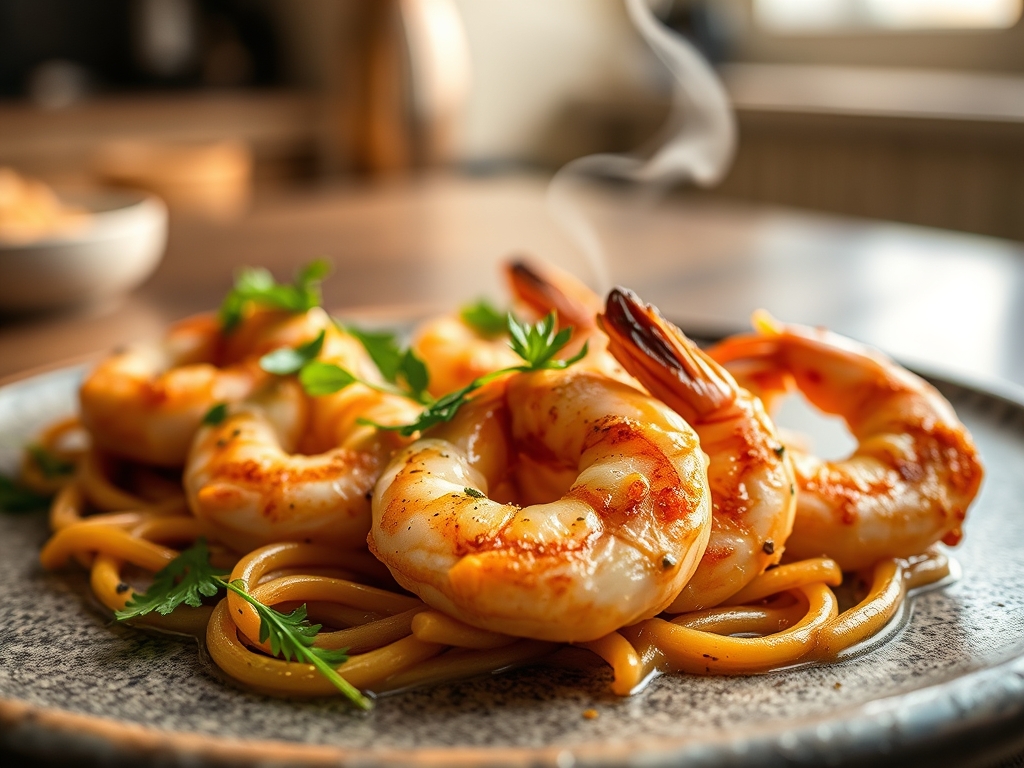
The first time you sear a fat, shell-on shrimp alongside a mahogany-skinned chicken thigh, the aromatics collide in a way that rewires your understanding of surf-and-turf. The chicken fat renders into the pan, creating a golden medium that amplifies the brininess of the shellfish, while shrimp with chicken recipes deliver a protein density that satisfies both pescatarian leanings and carnivore cravings. This isn't about novelty. It's about leveraging complementary cooking times, shared flavor carriers like garlic and citrus, and a texture contrast that keeps every bite interesting. When you nail the sear on both proteins simultaneously, you build a fond layer that becomes the base for sauces with genuine depth.
The reason these pairings work comes down to molecular compatibility. Chicken collagen breaks down into gelatin, enriching broths and pan sauces, while shrimp chitin adds umami-forward complexity when shells are toasted. Both proteins accept marinades aggressively, both take well to high-heat methods, and both finish cooking in overlapping temperature windows (165°F for chicken, 120°F for shrimp). You're not fighting two separate battles. You're orchestrating one integrated cook that rewards timing and heat management.
The Gathers
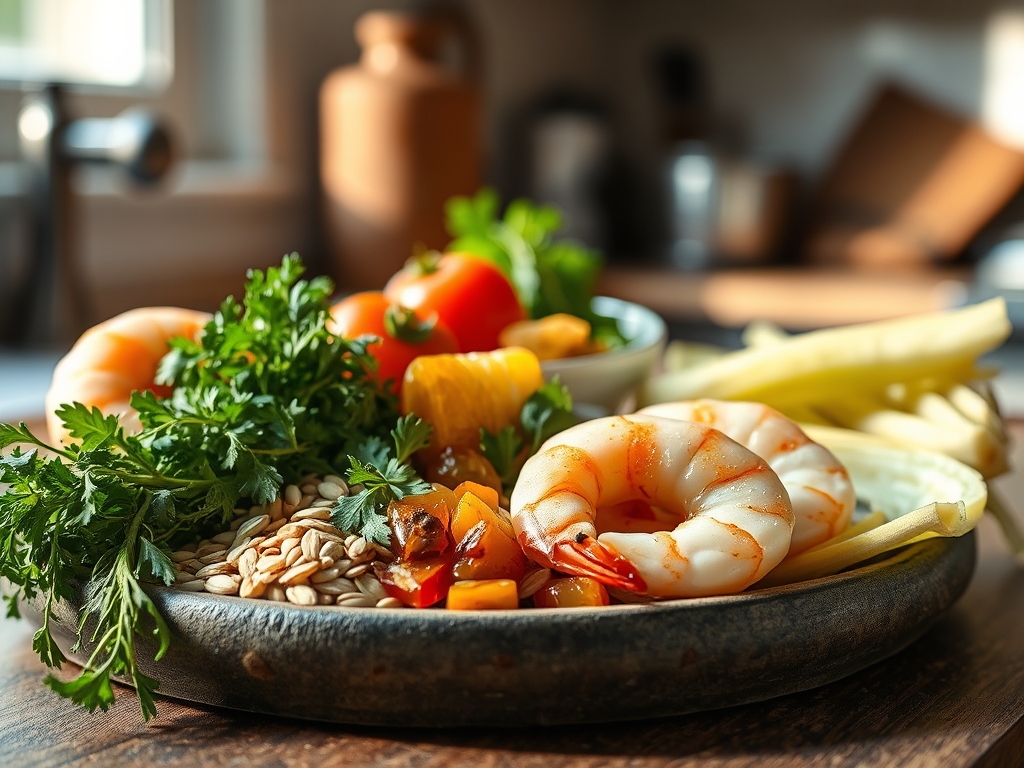
As you see in the ingredient spread below, boneless chicken thighs (not breasts) provide the fat content necessary to keep pace with shrimp's rapid cook. You need 1 lb of each protein, trimmed and patted bone-dry with paper towels. Moisture is the enemy of the Maillard reaction. For aromatics, gather 4 cloves garlic (smashed), 1 medium shallot (minced), and 1 tablespoon fresh thyme. Acid comes from 2 tablespoons white wine and juice of 1 lemon. Fat is 3 tablespoons neutral oil plus 2 tablespoons butter for finishing.
Spice-wise, smoked paprika, cayenne, and kosher salt form the base. The paprika adds color without bitterness, cayenne provides linear heat, and kosher salt draws moisture to the surface, enabling crust formation. Notice the even distribution of ingredients in the photo: proteins separated, aromatics prepped in small bowls, liquids measured in advance. This is mise-en-place that prevents scrambling mid-cook.
Smart Substitutions: Swap chicken thighs for duck breast if you want richer fat. Replace shrimp with scallops (same cook time, different sweetness profile). Use ghee instead of butter for a higher smoke point and nutty undertone.
The Clock
Total time clocks in at 45 minutes: 15 minutes prep, 18 minutes active cooking, 12 minutes resting and finishing. The overlap is intentional. While chicken thighs sear for the first 6 minutes, you prep the shrimp marinade. As chicken rests under foil, shrimp cook in the residual fond.
Chef's Flow: Start your mise-en-place with protein trimming, then move to aromatics. Heat your pan during the final 2 minutes of prep so it's screaming hot (400°F+ surface temp) the moment protein hits the metal. This staggered workflow eliminates dead time and keeps your stovetop momentum high.
The Masterclass
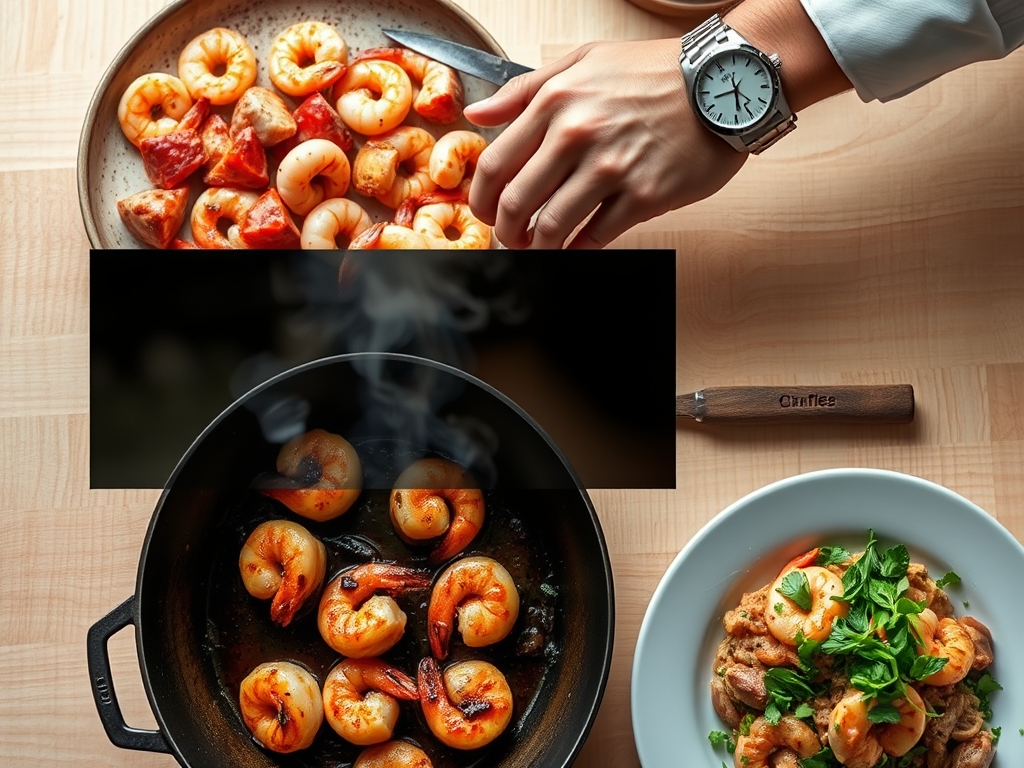
Step 1: Season and Dry-Brine the Chicken
Pat chicken thighs with paper towels until no moisture transfers. Season aggressively with 1 teaspoon kosher salt per pound and let rest for 10 minutes. This micro-brine pulls moisture out, then reabsorbs it with dissolved salt, seasoning the interior.
Why It Works: Salt denatures surface proteins, creating a sticky layer that browns faster and more evenly. You're not just seasoning; you're prepping the chemistry for crust.
Step 2: Sear the Chicken Thighs, Skin-Side Down
Heat 2 tablespoons neutral oil in a 12-inch stainless steel or cast-iron skillet over medium-high (375°F). Lay thighs skin-side down, press gently with a spatula for 10 seconds, then leave untouched for 6 minutes. Flip and cook another 5 minutes until internal temp hits 160°F (carryover will bring it to 165°F).
Chef's Secret: The press ensures full contact, preventing curling. Never move the chicken during the first sear. The Maillard reaction needs uninterrupted heat and time to build complex, savory compounds.
Step 3: Rest the Chicken and Build the Fond
Transfer chicken to a plate, tent with foil. Do not wipe the pan. That golden-brown matrix of caramelized proteins and sugars is liquid gold. Add shallots and garlic, sauté for 45 seconds until fragrant but not burned.
Why It Works: Fond dissolves into your sauce, contributing umami and color. Residual chicken fat amplifies shrimp's sweetness without adding extra calories from additional oil.
Step 4: Flash-Sear the Shrimp
Toss shrimp with 1/2 teaspoon smoked paprika and pinch of cayenne. Add to the hot pan in a single layer. Sear 90 seconds per side until opaque with a tight C-curve (not an O-ring, which signals overcooking).
Chef's Secret: Shrimp cook via rapid protein coagulation. At 120°F, myosin tightens into that perfect curve. Beyond 140°F, you get rubber. Use a thermometer or visual cues: opaque center, slight translucence at the very core.
Step 5: Deglaze and Emulsify the Sauce
Pour in white wine, scrape the pan with a wooden spoon, and reduce by half (about 1 minute). Kill the heat, swirl in butter and lemon juice. The emulsification happens off-heat to prevent the butter from breaking.
Why It Works: Butter contains lecithin, a natural emulsifier that binds fat and water into a glossy, cohesive sauce. Residual pan heat melts the butter without splitting it.
Step 6: Reunite and Garnish
Slice chicken thighs on the bias, arrange over shrimp, spoon sauce over both. Finish with fresh thyme and a pinch of flaky sea salt.
Chef's Secret: Slicing chicken increases surface area, allowing more sauce contact per bite. The bias cut also reveals the interior gradient from crust to center, a visual cue of proper doneness.
Nutritional Info
Per serving (based on 4 servings): 385 calories, 38g protein, 9g carbohydrates (primarily from aromatics and wine reduction), 21g fat (split between chicken thighs and butter finish). Sodium sits at 720mg before additional table salt. Shrimp contributes 190mg cholesterol, chicken adds another 95mg. This is a high-protein, moderate-fat meal ideal for muscle retention and satiety.
The protein density supports post-workout recovery, while the fat content slows digestion, extending fullness. Micronutrients include selenium from shrimp (antioxidant support), niacin from chicken (energy metabolism), and vitamin C from lemon (collagen synthesis).
Dietary Swaps
Keto: Already compliant. Increase butter to 4 tablespoons and serve over cauliflower rice to add volume without carbs.
Gluten-Free: Verify that your paprika and wine are gluten-free (most are, but cross-contamination can occur in processing facilities). Use tamari instead of soy sauce if you add an Asian twist.
Pescatarian Pivot: Double the shrimp, eliminate chicken, and introduce seared halloumi for a briny, squeaky protein that mimics chicken's textural role. Halloumi browns similarly and won't disintegrate in the pan.
Serving & Presentation
Plating Idea 1 (Modern Rustic): Serve in a shallow ceramic bowl over creamy polenta. Shrimp and chicken share the center, sauce pools around the edges, thyme sprigs lean artfully against the protein stack.
Plating Idea 2 (High-End Minimalist): White rectangular plate. Smear a stripe of lemon-butter sauce diagonally. Place sliced chicken in a shingled row, nestle 3 shrimp between slices, microgreens on top.
Plating Idea 3 (Family-Style Abundance): Cast-iron skillet direct to table. Proteins glisten with sauce, crusty bread wedges on the side for dipping. Let guests serve themselves, maximizing the interactive, communal experience.
The Pro-Dodge
Pitfall 1: Overcrowding the Pan. If proteins touch, they steam instead of sear. Fix: Use a 12-inch skillet minimum, or cook in batches. Surface contact with hot metal is non-negotiable for crust.
Pitfall 2: Adding Shrimp Too Early. Shrimp hitting a lukewarm pan equals rubbery texture. Fix: Wait until the fond from chicken has developed fully and the pan temperature recovers to 375°F before adding shellfish.
Pitfall 3: Skipping the Rest. Cutting chicken immediately releases juices onto the cutting board, drying out the meat. Fix: Rest under foil for at least 5 minutes. Carryover cooking finishes the interior while juices redistribute.
The Meal Prep Corner
Store proteins and sauce separately in airtight glass containers. Chicken holds for 4 days refrigerated, shrimp for 2 days (shellfish degrades faster). Reheat chicken in a 350°F oven for 8 minutes, shrimp for 3 minutes only. Overheating shrimp turns them mealy.
For day-one quality, undercook shrimp slightly (pull at 115°F), then finish in the reheating process. Sauce can be refrigerated for 5 days; reheat gently in a small saucepan, whisking in a teaspoon of cold butter to restore gloss.
Freeze cooked chicken for up to 3 months, but avoid freezing cooked shrimp (texture suffers). Thaw chicken overnight in the fridge, never at room temperature.
The Wrap-Up
When you master the timing dance between shrimp and chicken, you unlock a category of recipes that feel luxurious but cook faster than most one-protein meals. The secret isn't exotic ingredients or complex techniques. It's understanding heat zones, respecting carryover, and building layers of flavor through fond and emulsification. These eight pairings prove that shrimp with chicken recipes deliver restaurant-quality results at home without the stress. Now grab your skillet, crank the heat, and let the Maillard reaction do the heavy lifting.
Try this recipe tonight and share your plating photo in the comments. Tag a friend who needs to level up their weeknight dinner rotation.
The Kitchen Table
Can I use chicken breast instead of thighs?
Yes, but reduce cook time by 2 minutes and brine for 30 minutes beforehand. Breasts dry out faster due to lower fat content, so the brine adds insurance.
What size shrimp works best?
16/20 count (16 to 20 shrimp per pound) provides the ideal size-to-cook-time ratio. Larger shrimp (U/15) risk overcooking the exterior before the center reaches temp. Smaller shrimp (31/40) cook too fast to develop good color.
Can I make this in one pan?
Absolutely. Sear chicken, remove and rest, cook shrimp in the same pan, then deglaze. The fond from both proteins compounds the sauce complexity.
How do I prevent shrimp from curling into tight rings?
Don't overcook. Pull them at the C-curve stage (tails almost touch). You can also butterfly shrimp before cooking (slice along the back, open flat) to encourage even cooking and prevent excessive curling.
What wine works best for deglazing?
Dry Sauvignon Blanc or Pinot Grigio adds acidity without residual sugar. Avoid oaked Chardonnay (too heavy) or sweet Riesling (throws off the savory balance). If you skip wine, use dry vermouth or an extra tablespoon of lemon juice plus chicken stock.