
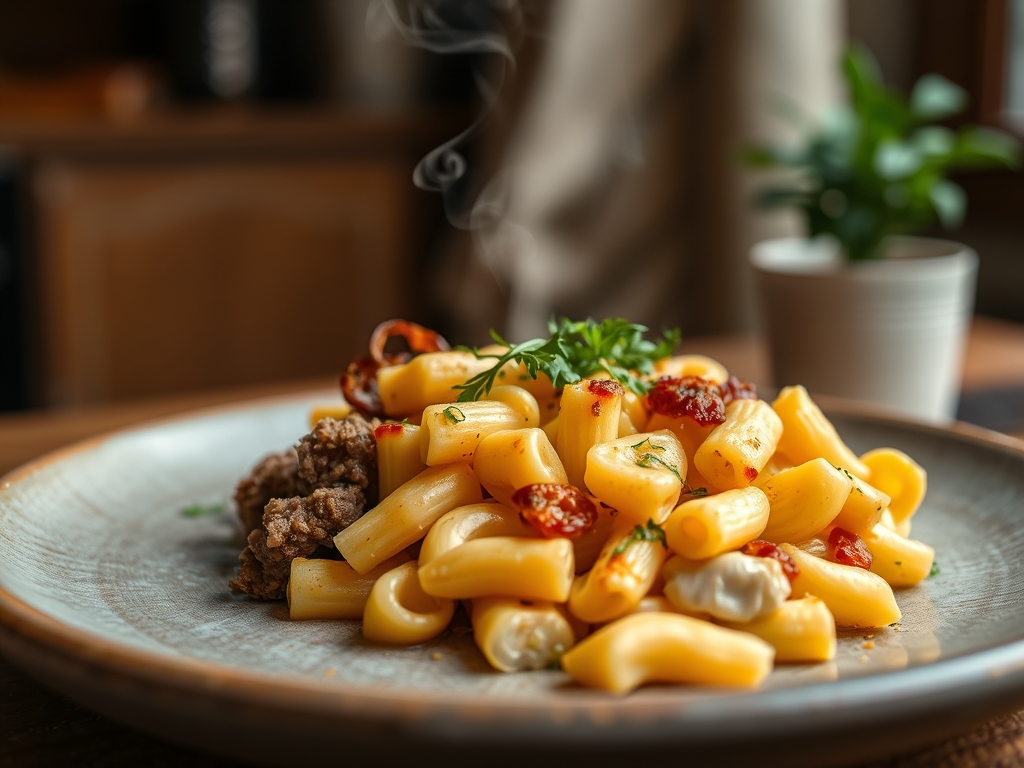
Imagine a heavy-bottomed skillet where marble-flecked protein meets a bubbling, golden sea of roux based sauce. This is the ultimate comfort fusion. When searching for mac and cheese and ground beef recipes, you are not just looking for dinner; you are seeking a chemical masterpiece of emulsified fats and perfectly al dente pasta.
It is the smell of caramelizing onions and the sound of a whisk hitting the side of a stainless steel saucier that signals true luxury. We are moving past the blue box and into a world of high-density flavor. This dish is a textural playground where the grit of seared beef provides a counterpoint to the velvet glide of a sharp cheddar Mornay. By the end of this guide, you will be the absolute master of the stovetop, turning humble pantry staples into a five-star experience that feels like a warm hug for your soul.
The Gathers:
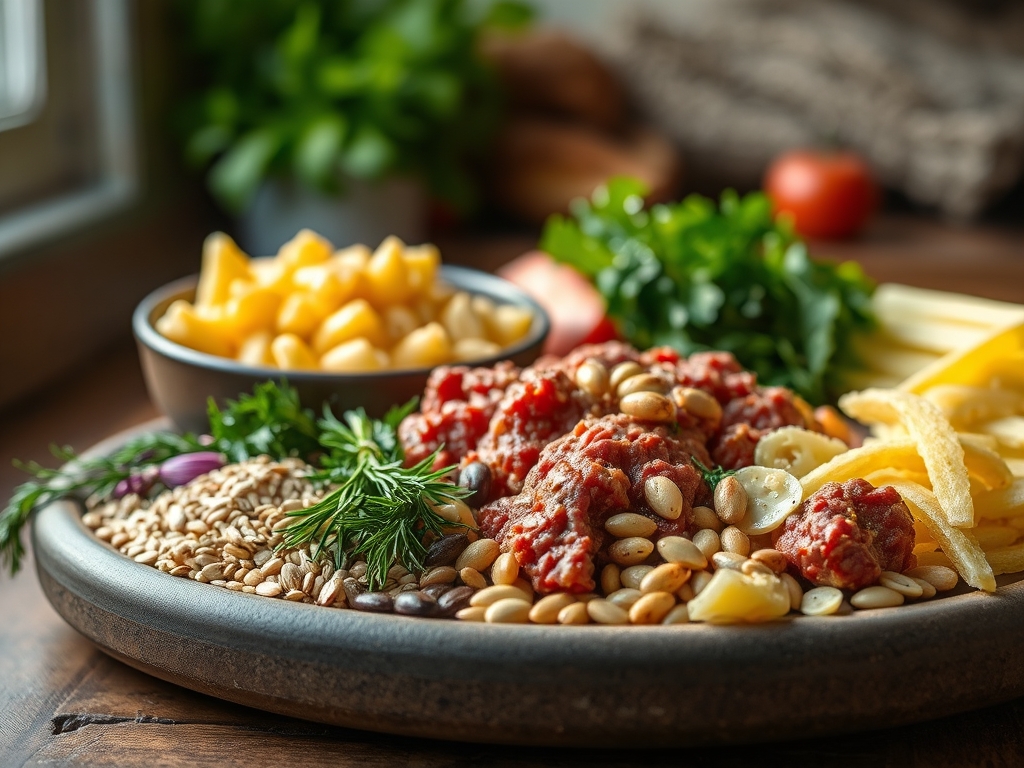
To achieve a piquant and balanced profile, your mise-en-place must be precise. Start with 80/20 ground chuck; the 20 percent fat content is essential for a moist mouthfeel and effective browning. You will need a pound of large elbow macaroni or cavatappi, which features more surface area for the sauce to cling to. For the cheese, skip the pre-shredded bags. Cellulose coatings prevent smooth melting. Instead, use a microplane to grate high-quality sharp cheddar, Gruyere, and perhaps a touch of smoked gouda for depth.
You will also need whole milk, heavy cream, unsalted butter, and all-purpose flour to create your mother sauce. Do not forget the aromatics: minced garlic, shallots, and a pinch of dry mustard to act as an emulsifier. Smart Substitutions are easy here. If you want to lighten the load, swap the beef for ground turkey but add a teaspoon of Worcestershire sauce to mimic the umami of red meat. For a gluten-free version, use a high-quality chickpea pasta and a cornstarch slurry instead of a flour-based roux. If you are looking for a kick, diced poblano peppers provide a smoky heat without overwhelming the dairy.
The Clock
Efficiency in the kitchen is about managing the Chef's Flow. Total prep time sits at a crisp 15 minutes, while active cooking takes approximately 25 minutes. The secret is overlapping your tasks. While your large pot of salted water comes to a boil, you should already be rendering the fat from the beef in your skillet.
The pasta usually requires 7 to 9 minutes to reach al dente. This is the exact window you need to whisk your roux and infuse the milk. Never let your pasta sit in a colander for too long; the residual heat will cause the starches to set, making the noodles gummy. Time your sauce to finish exactly when the pasta is drained. This synchronized finish ensures that the starch on the noodles is still "active," allowing it to bond perfectly with the cheese sauce for a cohesive, non-greasy result.
The Masterclass
1. Sear the Protein
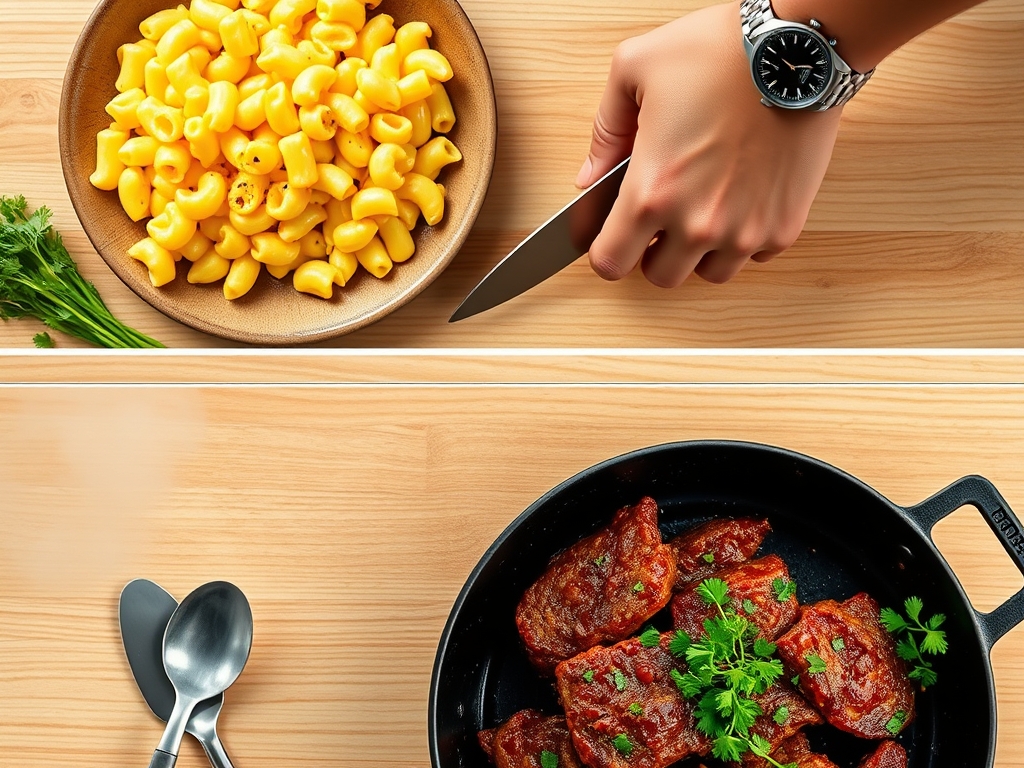
Place your ground beef in a preheated heavy-bottomed skillet. Use a wooden spoon or a bench scraper to break the meat into small, uniform crumbles. Do not over-stir; you want the meat to stay in contact with the heat to develop a deep brown crust.
Pro Tip: This process is called the Maillard reaction. It is a chemical reaction between amino acids and reducing sugars that creates hundreds of different flavor compounds. If you crowd the pan, the meat will steam in its own moisture rather than sear.
2. Deglaze and Aromatics
Once the beef is browned, remove the excess rendered fat but leave about a tablespoon in the pan. Toss in your minced shallots and garlic. Use a splash of beef stock or dry white wine to scrape up the brown bits stuck to the bottom of the pan.
Pro Tip: This is called deglazing. Those brown bits, known as fond, contain concentrated flavor. Incorporating them back into the beef ensures that every bite has an intense, savory backbone.
3. The Roux Foundation
In a separate saucier, melt your butter over medium heat. Whisk in the flour until it forms a paste. Cook this for about two minutes until it smells slightly nutty but remains pale.
Pro Tip: Cooking the roux is essential to neutralize the "raw" flour taste. The flour particles are coated in fat, which prevents them from clumping when you add the liquid, ensuring a viscous and smooth sauce.
4. Infuse the Mornay
Slowly stream in your milk and cream while whisking constantly. Bring the mixture to a gentle simmer until it thickens enough to coat the back of a spoon. Turn off the heat before adding your hand-grated cheeses.
Pro Tip: Adding cheese to boiling liquid can cause the proteins to tighten and the fats to separate, resulting in a grainy sauce. Residual heat is enough to melt the cheese while maintaining a perfect emulsion.
5. The Grand Unification
Fold the cooked pasta and the seared beef into the cheese sauce. Use a silicone spatula to ensure every nook and cranny of the macaroni is filled with liquid gold. Season with salt, pepper, and a dash of nutmeg.
Pro Tip: Nutmeg contains compounds that enhance the perception of "creaminess" in dairy-based dishes. It provides a subtle warmth that cuts through the heavy fats of the beef and cheese.
The Deep Dive
From a Macro Nutrition perspective, this dish is a powerhouse of protein and carbohydrates. A standard serving provides roughly 35 grams of protein and 45 grams of carbohydrates. To balance the plate, serve it alongside a crisp arugula salad with a lemon vinaigrette to provide acidity.
For Dietary Swaps, keto enthusiasts can replace the pasta with roasted cauliflower florets and use xanthan gum as a thickener. Vegans can utilize nutritional yeast and cashew cream to mimic the savory profile of cheddar, paired with a plant-based "crumble" seasoned with liquid smoke.
The Fix-It guide for common pitfalls:
- Grainy Sauce: This usually happens if the heat was too high. Fix it by adding a tablespoon of heavy cream and whisking vigorously off the heat.
- Dry Macaroni: Pasta absorbs liquid as it sits. If your dish looks dry, add a splash of reserved pasta water; the starch helps re-emulsify the sauce.
- Bland Flavor: If it tastes flat, it needs acid. A teaspoon of Dijon mustard or a tiny splash of apple cider vinegar will brighten the entire profile.
For Meal Prep, the science of reheating is key. Dairy-based sauces break when microwaved at high power. To maintain "day-one" quality, add a splash of milk to your bowl, cover it to create steam, and reheat at 50 percent power. This prevents the fats from separating and keeps the pasta tender.
The Wrap-Up
Mastering mac and cheese and ground beef recipes is about more than just tossing ingredients in a pot; it is an exercise in culinary physics and flavor layering. By respecting the sear of the beef and the delicate nature of the cheese emulsion, you elevate a childhood favorite into a sophisticated adult indulgence. Whether you are feeding a crowd or just treating yourself after a long week, these techniques ensure a result that is consistently creamy, savory, and undeniably decadent. Grab your favorite skillet and get to work; your kitchen is about to become the best bistro in town.
The Kitchen Table
How do I prevent my cheese sauce from becoming oily?
Avoid pre-shredded cheese and high heat. Grate your own cheese to avoid anti-clumping agents. Always remove the sauce from the burner before folding in the cheese to ensure the emulsion stays stable and smooth.
What is the best beef to use for mac and cheese?
Use 80/20 ground chuck. The higher fat content provides better flavor and a more tender texture. Leaner meats can become dry and "pebbly" when mixed with a creamy sauce, disrupting the luxurious mouthfeel.
Can I bake this recipe instead of serving it stovetop?
Yes. Increase the sauce volume by twenty percent to account for evaporation. Top with panko breadcrumbs and butter, then bake at 375 degrees Fahrenheit for 15 minutes until the edges are bubbling and the top is golden.
How long does beef mac and cheese stay fresh?
Store leftovers in an airtight container in the refrigerator for up to four days. For the best texture, reheat on the stovetop with an extra splash of milk to restore the creaminess of the sauce.