
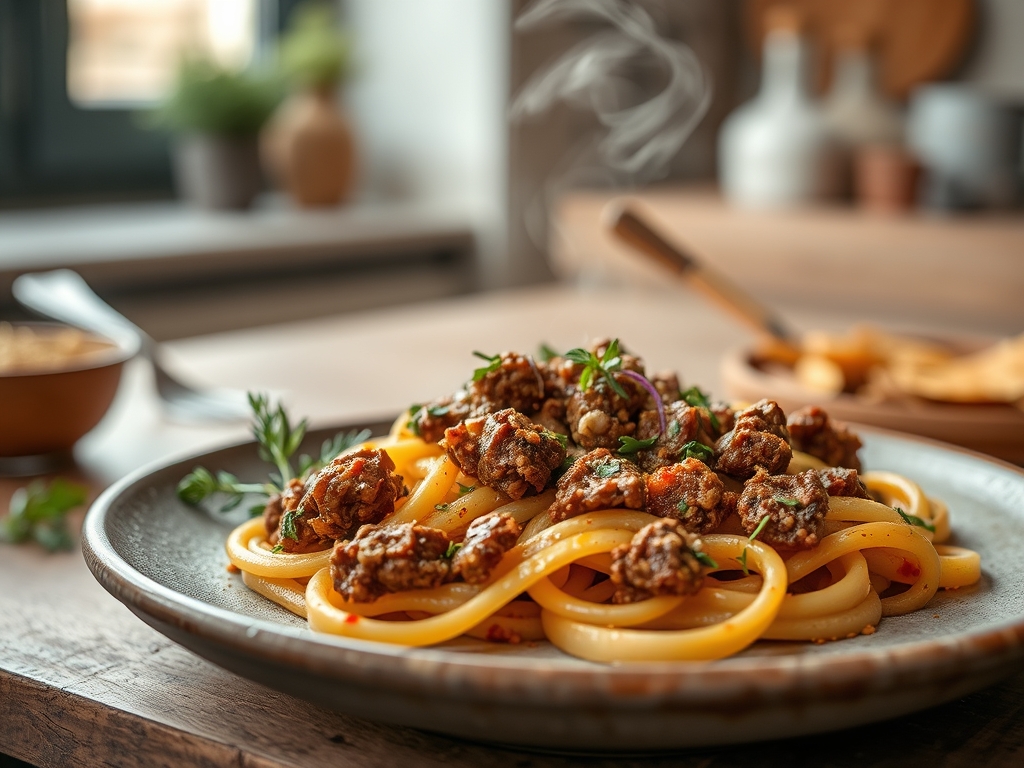
Imagine the scent of searing iron meeting cold fat as it hits a heavy bottomed skillet. That sharp, savory plume of steam is the first sign of a perfect weeknight meal. When you are craving comfort but short on time, easy pasta and ground beef recipes provide the ultimate canvas for culinary chemistry. It is the marriage of starch and protein that satisfies every primal hunger cue.
Ground beef is the workhorse of the modern kitchen. It offers a high surface area for browning, which means more flavor in less time compared to whole muscle cuts. When you pair this with the structural integrity of al dente pasta, you create a dish that is both technically sound and deeply nostalgic. We are moving beyond the basic "hamburger helper" mentality here. We are focusing on emulsification, the Maillard reaction, and the delicate balance of acidity to cut through rich lipids.
The beauty of these recipes lies in their versatility. Whether you are aiming for a silky Stroganoff or a piquant Bolognese, the fundamentals remain the same. You want a sauce that clings to the noodle, a beef texture that is tender rather than rubbery, and a finish that sparkles with fresh herbs. Let us dive into the mechanics of how to turn these humble staples into a five star experience.
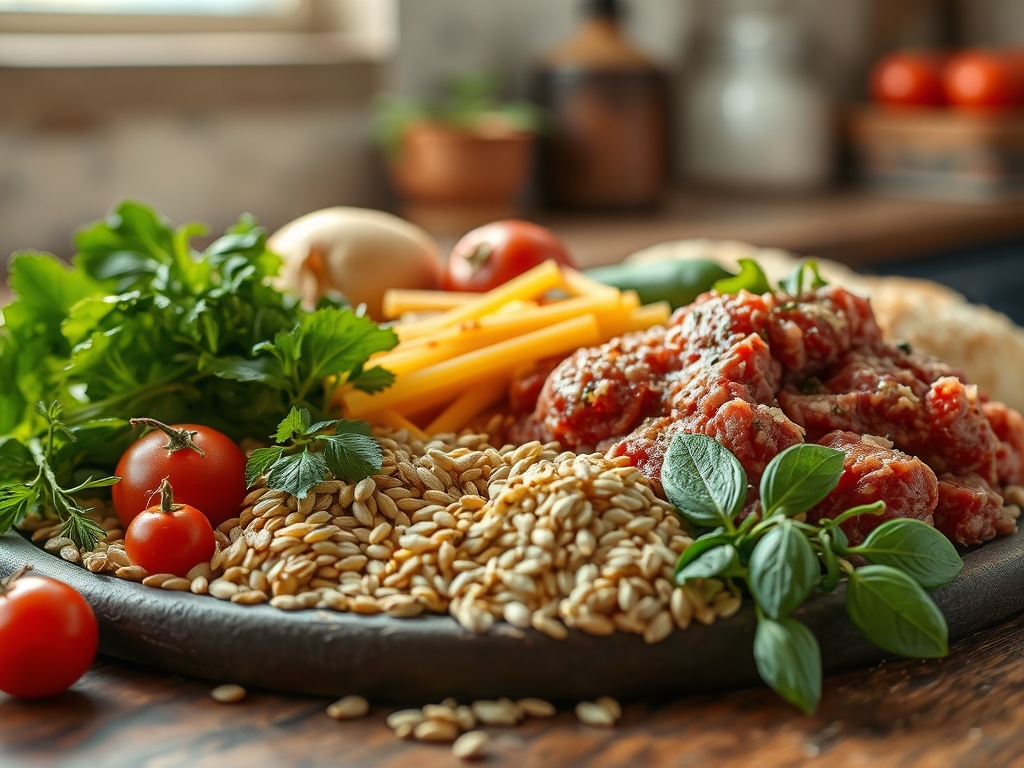
The Gathers:
Before the heat is even a thought, your mise en place must be precise. Start with your protein. For the best flavor profile, select a ground chuck with a 20 percent fat content. This ratio ensures enough lipid to render out and create a base for your aromatics without drowning the dish in grease. You will need a high quality sea salt to denature the proteins and a pepper mill for fresh cracked heat.
Your pasta choice is not just about aesthetics; it is about surface area. Ridged shapes like penne rigate or rotini are designed to trap viscous sauces within their folds. If you are using a finer, more delicate sauce, a long strand like fettuccine works well, provided you use your tongs to emulsify the fat and water properly.
Smart Substitutions:
- The Protein: If you want a leaner profile, swap beef for ground bison. It is incredibly nutrient dense but has a lower melting point for its fat, so cook it slightly faster.
- The Starch: For a gluten free alternative, red lentil pasta provides a sturdy structure and a boost of protein that mimics the bite of traditional semolina.
- The Acid: If you are out of dry white wine for deglazing, use a splash of verjus or a high quality apple cider vinegar to provide that essential piquant lift.
The Clock
Efficiency in the kitchen is about "Chef's Flow." This is the practice of overlapping tasks so that no second is wasted. Total prep time for most of these easy pasta and ground beef recipes is roughly 15 minutes, with a cook time of 20 minutes.
The secret is to start your pasta water first. It takes the longest to reach a rolling boil. While the water is heating, use a bench scraper to clear your dicing station of onions and garlic. By the time your beef is browned and the sauce is simmering, your pasta should be exactly two minutes away from al dente. This overlap ensures the pasta goes directly from the pot into the sauce, allowing the starch to act as a natural thickener.
The Masterclass
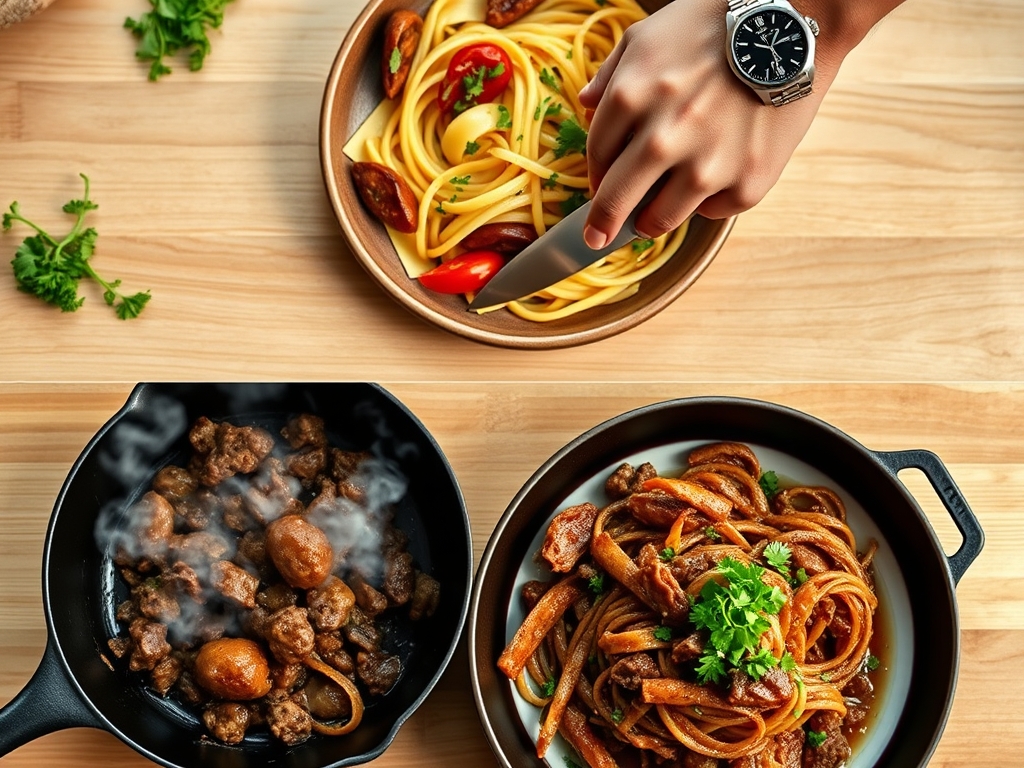
1. The Sear and Render
Heat your heavy-bottomed skillet over medium high heat until a drop of water dances on the surface. Add the beef in a flat layer. Do not stir it immediately. Let it sit for three minutes to achieve enzymatic browning.
Pro Tip: This is the Maillard reaction. By allowing the beef to stay in contact with the hot metal, you create complex flavor compounds that cannot be replicated by steaming the meat in its own juices.
2. Aromatics and Deglazing
Once the beef is browned, push it to the perimeter and add your finely diced aromatics to the center. Use a saucier if you prefer more movement. Once the onions are translucent, pour in a liquid (wine or stock) to deglaze the pan.
Pro Tip: Use a wooden spoon to scrape the "fond" (the brown bits) off the bottom. These bits are concentrated umami and are the secret to a professional grade sauce.
3. The Emulsion Phase
Add your tomato base or cream. As the sauce simmers, add a half cup of the starchy pasta water. Use your tongs to toss the pasta directly into the skillet.
Pro Tip: The starch in the water acts as a bridge between the fats in the beef and the liquids in the sauce. This creates a glossy, cohesive coating rather than a puddle of oil at the bottom of your plate.
4. The Finish
Turn off the heat before adding fresh herbs or cheese. Use a microplane to grate fresh Parmesan or Pecorino Romano over the top, then toss vigorously to aerate the sauce.
Pro Tip: This prevents the cheese from clumping. Residual heat is enough to melt the cheese without breaking the proteins, ensuring a silky texture.
The Deep Dive
From a macro perspective, these meals are powerhouses. A standard serving provides approximately 35 grams of protein and 45 grams of complex carbohydrates. To optimize the nutrition, always opt for grass fed beef, which contains higher levels of Omega 3 fatty acids.
Dietary Swaps:
- Vegan: Use a walnut and mushroom crumble processed in a food processor to mimic the texture of ground beef. Use nutritional yeast for that cheesy umami.
- Keto: Replace the pasta with zoodles or hearts of palm noodles. Focus on a high fat cream sauce to maintain ketosis.
The Fix-It:
- Grainy Sauce: This happens if the heat is too high when adding dairy. Fix it by adding a splash of cold heavy cream and whisking off the heat.
- Bland Beef: You likely salted too late. Next time, salt the meat while it is raw to allow the seasoning to penetrate the fibers.
- Watery Finish: You didn't reduce the sauce enough. Remove the pasta and boil the sauce on high for two minutes to evaporate excess moisture.
Meal Prep Science:
When reheating, the starch in pasta often absorbs the remaining moisture, leaving it dry. To achieve "day-one" quality, add a tablespoon of water or milk before microwaving. This creates a mini steam chamber that re-hydrates the starch molecules without making them mushy.
The Wrap-Up
Mastering easy pasta and ground beef recipes is about more than just following a list of instructions; it is about understanding the physics of your kitchen. When you respect the sear, value the pasta water, and finish with precision, you transform basic pantry staples into a culinary event. Go forth, grab your favorite skillet, and let the science of flavor work its magic on your dinner table tonight.
The Kitchen Table
Why is my ground beef grey instead of brown?
You likely overcrowded the pan or used a cold skillet. This causes the meat to steam in its own moisture rather than sear. Cook in batches and ensure the pan is shimmering hot before adding the protein.
Can I cook the pasta directly in the sauce?
Yes, this is called the "one pot" method. You will need extra liquid (usually a 2:1 ratio) as the pasta absorbs moisture to hydrate. This creates a very starchy, thick sauce that many people find delicious.
How do I stop my pasta from sticking together?
Never add oil to your boiling water; it prevents the sauce from sticking to the noodles later. Instead, use a large pot with plenty of water and stir immediately after dropping the pasta to distribute the surface starch.
What is the best way to store leftovers?
Store in an airtight glass container for up to four days. Glass is non porous and won't absorb the odors of the garlic or onions, keeping the flavor profile crisp for your next lunch.