
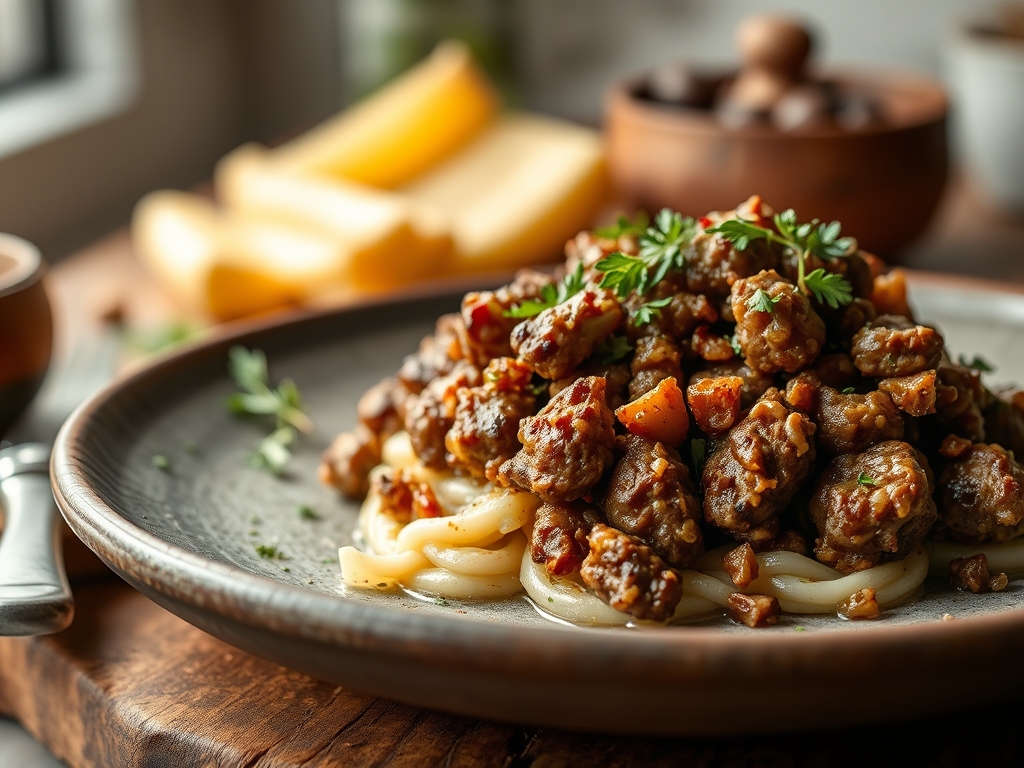
Imagine the sizzle of a heavy-bottomed cast iron skillet as it meets cold fat. The air fills with the aroma of caramelizing proteins and the nutty, earthy scent of roasting cruciferous vegetables. Mastering cauliflower ground beef recipes is not just about calorie counting; it is about manipulating texture and moisture to create a symphony of flavor that rivals any traditional comfort food.
Whether you are looking for a low-carb alternative to shepherd's pie or a spicy, deconstructed taco bowl, the versatility of cauliflower is unmatched. It acts as a porous sponge, ready to absorb the rich, savory juices of grass-fed beef. We are going to dive into six distinct ways to transform these two humble ingredients into gourmet, nutrient-dense masterpieces. Grab your apron and your sharpest chef's knife; we are about to turn your kitchen into a laboratory of deliciousness.
The Gathers:
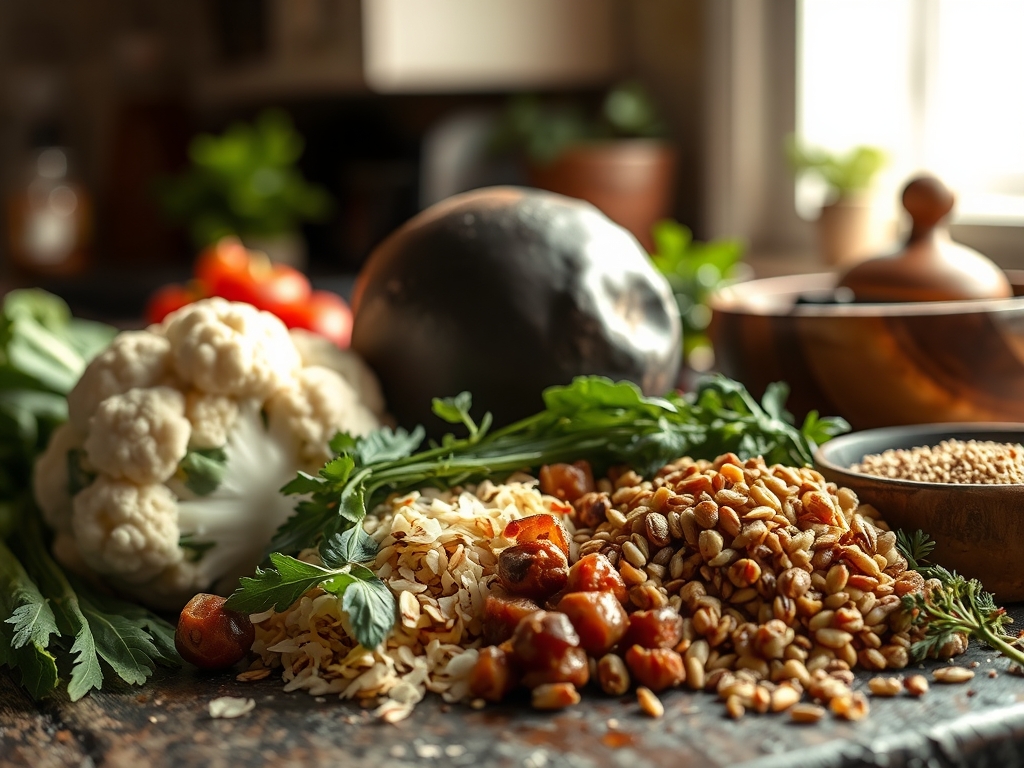
To execute these cauliflower ground beef recipes with precision, your mise-en-place must be impeccable. Start with the beef. I recommend an 80/20 blend for maximum flavor, as the lipids are essential for the Maillard reaction. If you choose a leaner 90/10, you will need to supplement with a high-smoke-point oil like avocado oil to prevent sticking.
Next, the cauliflower. For rice-based textures, use a box grater or a food processor to achieve uniform 2mm grains. If you are roasting florets, ensure they are bone-dry; moisture is the enemy of browning. You will also need aromatics: yellow onions for sweetness, garlic for its piquant bite, and perhaps some ginger for an Asian-inspired stir-fry.
Smart Substitutions: If you are avoiding nightshades, swap paprika for a touch of turmeric and cumin. For those seeking a plant-based hybrid, you can replace half the beef with cooked lentils to increase fiber while maintaining that meaty bite. Always keep a microplane nearby to zest citrus or grate fresh parmesan, adding a bright acidity or salty umami finish to your dishes.
The Clock
Efficiency in the kitchen is all about the "Chef's Flow." For most cauliflower ground beef recipes, you are looking at a 15-minute prep time and a 20-minute cook time. The secret to speed is parallel processing. While your skillet is preheating, use a bench scraper to quickly move your chopped aromatics from the cutting board to a prep bowl.
Start by browning the beef first. This allows the fat to render, providing a flavorful base in which to sauté your cauliflower. If you try to cook them simultaneously in a crowded pan, you will end up steaming the meat rather than searing it, resulting in a gray, unappealing texture. By staggering your entry points, you ensure every ingredient hits its peak internal temperature at the exact same moment.
The Masterclass
1. The Sear and Render
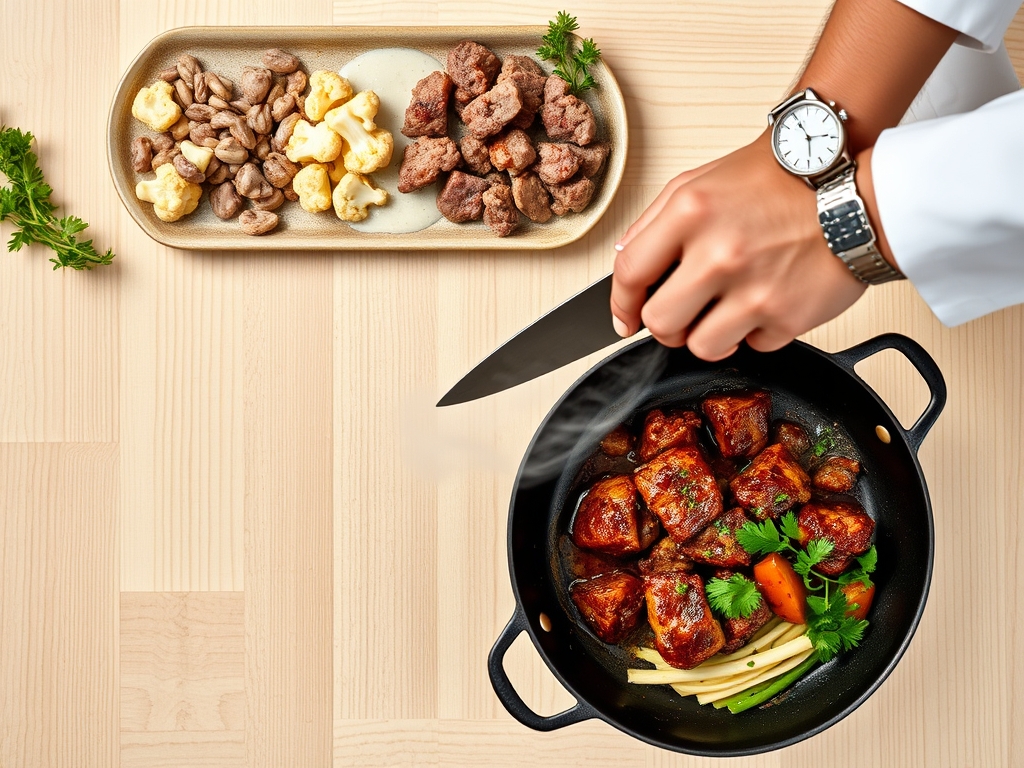
Begin by placing your beef in a cold skillet and then turning the heat to medium-high. This gradual temperature increase allows the fat to liquefy and coat the pan before the proteins begin to tighten. Use a stiff wooden spoon to break the meat into small, uniform crumbles.
Pro Tip: This technique utilizes conductive heat transfer. By maximizing the surface area of the beef against the hot metal, you trigger enzymatic browning, creating complex flavor molecules that raw meat simply lacks.
2. Deglazing the Fond
Once the beef is browned, remove it with a slotted spoon, leaving the liquid gold (the fat) behind. If the pan looks dry, add a teaspoon of tallow or oil. Toss in your cauliflower. As it cooks, it will pick up the brown bits stuck to the bottom of the pan, known as the fond.
Pro Tip: Use a splash of beef stock or dry white wine to deglaze the pan. The liquid dissolves the caramelized proteins, allowing the cauliflower to absorb those deep, savory notes through osmosis.
3. Aromatics and Infusion
Clear a small space in the center of your skillet. Drop in your minced garlic, shallots, or spices. Let them bloom in the hot fat for exactly 30 seconds until they become fragrant but not burnt.
Pro Tip: Spices are fat-soluble. By "blooming" them in oil, you infuse the lipid carrier with flavor, ensuring every bite of your cauliflower ground beef recipes is seasoned from the inside out.
4. The Emulsified Sauce
If your recipe calls for a sauce, such as a keto-friendly stroganoff or a spicy gochujang glaze, add your liquids now. Stir vigorously to combine the rendered beef fat with your added liquids.
Pro Tip: This creates a temporary emulsion. The fats and water-based liquids bind together, creating a viscous coating that clings to the cauliflower florets rather than pooling at the bottom of the bowl.
5. The Final Marriage
Return the beef to the pan. Toss everything together over high heat for two minutes. This ensures the temperatures equalize and the flavors meld.
Pro Tip: Watch for thermal carryover. Remove the pan from the heat when the cauliflower is "al dente." The residual heat will continue to soften the vegetable for several minutes, preventing it from turning into mush on the plate.
6. The Bright Finish
Before serving, hit the dish with something fresh. A squeeze of lime, a handful of cilantro, or a dusting of fresh parsley.
Pro Tip: Acidity cuts through the richness of the beef fat. This creates a balanced flavor profile by stimulating different taste receptors on your tongue, making the dish feel lighter and more vibrant.
The Deep Dive
From a macro perspective, these cauliflower ground beef recipes are a powerhouse. A standard serving provides roughly 25g of protein, 15g of healthy fats, and only 6g of net carbs. This makes it an ideal choice for metabolic health and sustained energy levels without the "carb crash."
Dietary Swaps: To make this vegan, utilize a pea-protein crumble and increase the smoked paprika to mimic the beef's depth. For a strict Keto version, fold in two tablespoons of heavy cream or grass-fed butter at the end to boost the fat content.
The Fix-It:
- Soggy Cauliflower: This happens when you salt too early. Salt draws out moisture via osmosis. Fix: Salt only at the very end.
- Bland Meat: You likely crowded the pan. Fix: Cook the beef in two batches to ensure a hard sear.
- Oily Finish: If the sauce separates, add a tablespoon of bone broth and whisk rapidly to re-emulsify the fats.
Meal Prep Science: To maintain "day-one" quality, store the beef and cauliflower in airtight glass containers. When reheating, use a skillet rather than a microwave. The microwave vibrates water molecules, which can make the cauliflower rubbery. A quick flash in a pan restores the crisp edges and keeps the fats aerated.
The Wrap-Up
You are now officially a master of cauliflower ground beef recipes! By understanding the chemistry of the Maillard reaction and the importance of moisture control, you have elevated a simple weeknight staple into a culinary event. These six meals are not just about feeding your body; they are about enjoying the process of creation. Go ahead, experiment with different spice profiles and textures. Your kitchen is your playground, and you have all the tools you need to succeed.
The Kitchen Table
How do I stop cauliflower rice from getting mushy?
Avoid overcooking and salting too early. Sauté the rice over high heat for no more than 3-5 minutes. This evaporates surface moisture quickly, keeping the grains distinct and firm rather than steaming them into a paste.
Can I freeze cauliflower ground beef recipes?
Yes, but texture changes may occur. For best results, undercook the cauliflower slightly before freezing. When reheating, go straight from the freezer to a hot skillet to evaporate excess ice crystals and restore the vegetable's structural integrity.
What is the best beef-to-cauliflower ratio?
A 1:1 ratio by weight is generally ideal for balance. This ensures you get plenty of protein in every bite while the cauliflower provides enough volume to keep the meal light and fiber-rich without overpowering the meat.
Do I need to wash cauliflower before ricing?
Absolutely. Rinse the head thoroughly, but ensure it is completely dry before processing. Any residual surface water will turn to steam in the pan, preventing the cauliflower from browning and resulting in a soggy, boiled texture.