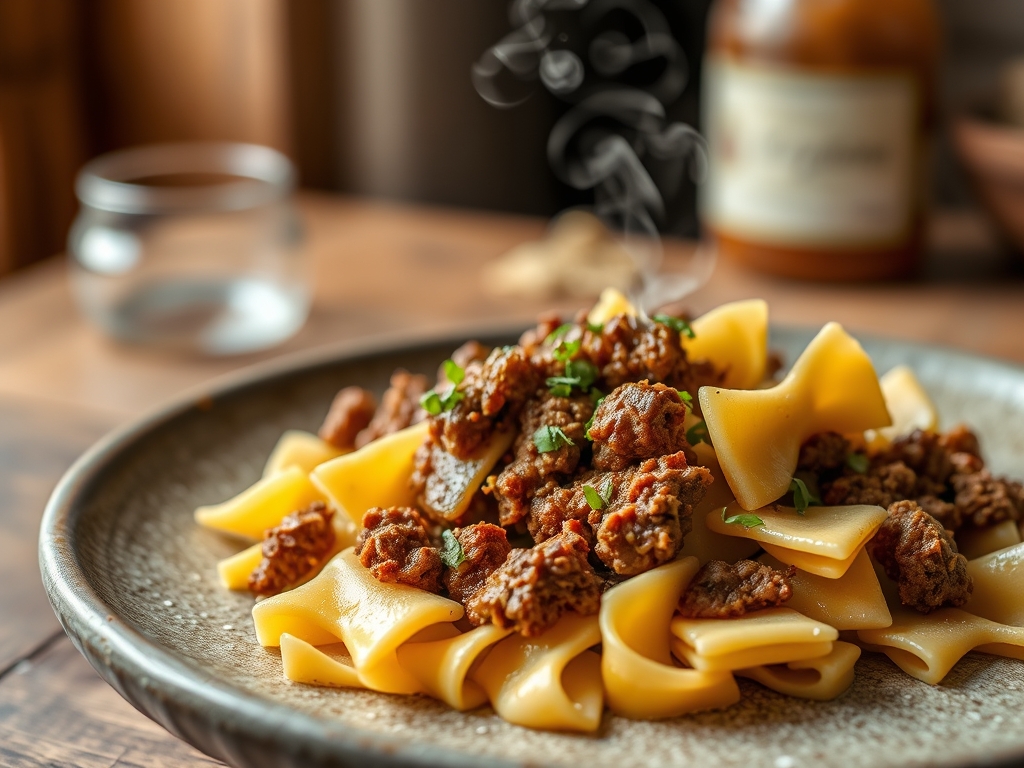
Picture the kitchen at six in the evening. The air is thick with the scent of searing protein and toasted garlic while you navigate the beautiful chaos of a weeknight. Finding reliable bow tie pasta and ground beef recipes is like discovering a secret shortcut through the city; it is efficient, reliable, and surprisingly elegant. We are turning humble staples into high art.
The magic of farfalle, the formal name for bow tie pasta, lies in its architecture. The pinched center remains slightly firm, providing a structural contrast to the tender, browned bits of beef. This is not just a meal; it is a lesson in texture and flavor layering. Whether you are craving a creamy stroganoff or a zesty Mediterranean skillet, the combination of ground beef and farfalle provides the perfect canvas for culinary experimentation. We are moving beyond the basic red sauce to explore nine distinct ways to elevate these pantry heroes.
By understanding the chemistry of your ingredients, you can transform a twenty minute dinner into a five star experience. We will use heat to manipulate proteins and starches, creating sauces that cling to every curve of the pasta. It is time to grab your heavy bottomed skillet and get to work.
The Gathers:
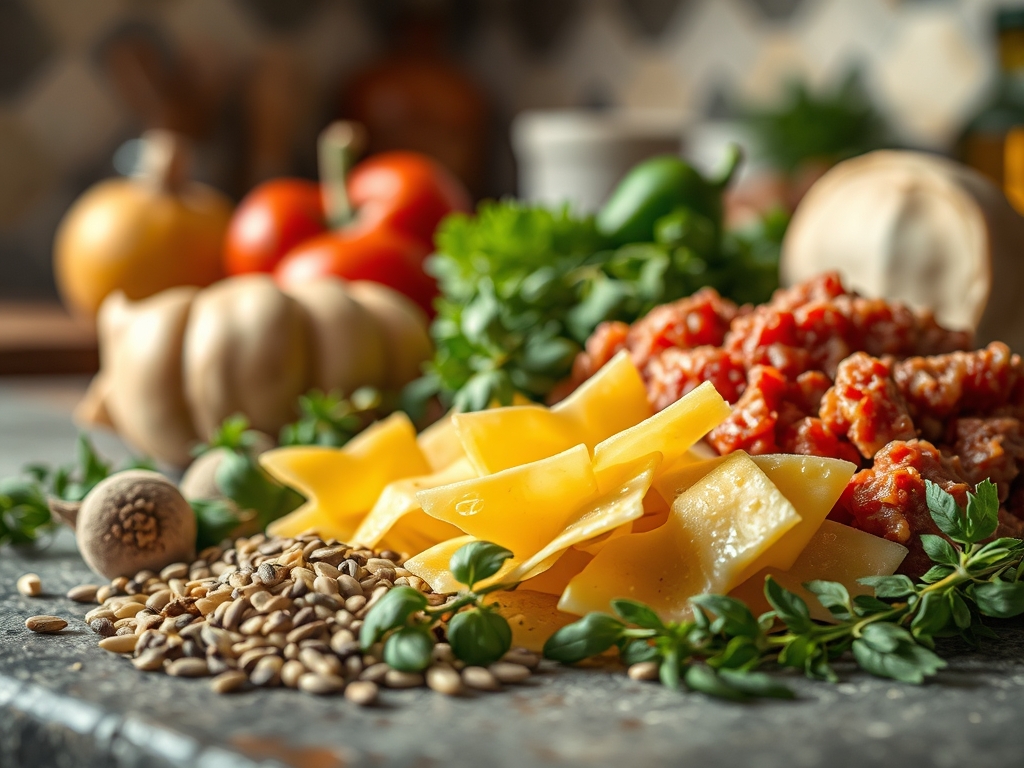
To execute these recipes with precision, your mise en place must be impeccable. Start with high quality ground beef, ideally an 80/20 blend. The fat content is essential for flavor and moisture; as the fat begins to render, it creates a lipid base that carries fat soluble flavors from your spices. For the pasta, look for bronze die extruded farfalle. These have a rougher surface texture compared to teflon extruded varieties, allowing your sauce to emulsify and adhere rather than sliding off.
Your aromatic base should include finely diced yellow onions and cloves of garlic. When these hit the pan, they undergo the Maillard reaction, developing complex, savory notes. You will also need a viscous liquid to create your sauce base, such as heavy cream, beef bone broth, or crushed San Marzano tomatoes. Do not forget the finishing touches: a block of Parmigiano Reggiano for salty depth and fresh herbs like flat leaf parsley or basil to provide a piquant brightness.
Smart Substitutions:
If you are looking to lighten the profile, ground turkey or chicken can be swapped for beef, though you may need to add a splash of olive oil to compensate for the lower fat content. For a gluten free alternative, brown rice or chickpea farfalle works well, but be cautious of the cook time as these tend to release more starch and can become mushy if overcooked. If you lack heavy cream, a dollop of Greek yogurt or a splash of pasta water mixed with butter can create a similarly velvety mouthfeel.
The Clock
Efficiency in the kitchen is about the "Chef's Flow." This means overlapping tasks so that no second is wasted. Total preparation usually takes ten minutes of active chopping and measuring, while the cooking process spans fifteen to twenty minutes.
The flow begins by bringing a large pot of salted water to a rolling boil. While the water heats, you brown your beef. By the time the pasta reaches a perfect al dente state, your sauce should be simmering and ready for integration. This synchronized timing ensures that the pasta is hot and porous when it hits the sauce, allowing for maximum absorption. Total time from pantry to table is roughly thirty minutes.
The Masterclass
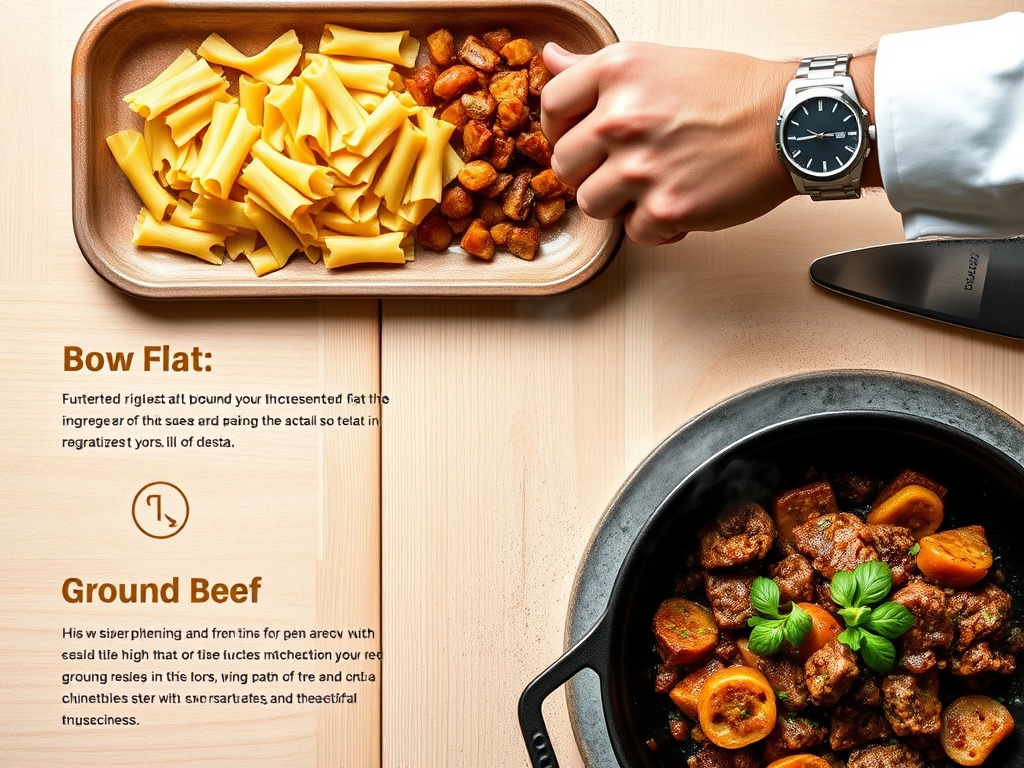
1. The Sear and Render
Place your ground beef in a preheated heavy bottomed skillet. Do not crowd the pan; you want the meat to sear, not steam. Use a sturdy wooden spoon or a meat masher to break the beef into small, uniform crumbles.
Pro Tip: This stage is all about enzymatic browning. By allowing the meat to sit undisturbed for two minutes before stirring, you maximize the Maillard reaction, creating deep umami flavors that cannot be replicated by boiling or slow cooking.
2. Aromatic Infusion
Once the beef is mostly browned, push it to the perimeter of the pan and add your diced onions and garlic to the center. Use the rendered beef fat to sauté these aromatics until they are translucent and fragrant.
Pro Tip: This is called infusing. The fat acts as a solvent, extracting the essential oils from the garlic and onions and distributing them evenly throughout the entire dish.
3. Deglazing the Fond
As the meat and aromatics cook, a brown film called "fond" will form on the bottom of your skillet. Pour in a small amount of liquid, such as beef broth or dry white wine, and use a spatula to scrape up those flavorful bits.
Pro Tip: Deglazing is a chemical process where the liquid dissolves the caramelized proteins stuck to the pan. This integrates those concentrated flavors back into your sauce, adding incredible depth.
4. The Starch Integration
Add your cooked farfalle directly from the boiling water into the skillet. Do not rinse the pasta. The residual starch on the surface of the noodles is vital for the final texture of the meal.
Pro Tip: Rinsing pasta removes the surface starch. Keeping that starch intact allows it to act as a natural thickener, helping the sauce to emulsify and coat the bow ties perfectly.
5. Emulsification and Finish
Add a splash of the starchy pasta water to your skillet along with your sauce components. Toss everything together over medium heat until the sauce becomes glossy and clings to the pasta.
Pro Tip: This final step utilizes thermal carryover. The pasta continues to cook slightly in the sauce, absorbing the liquid and flavors while the sauce thickens into a cohesive, viscous coating.
The Deep Dive
When we look at the macro nutrition, these bow tie pasta and ground beef recipes provide a balanced profile of complex carbohydrates and high quality protein. A standard serving offers approximately 25 to 30 grams of protein, which is essential for muscle repair and satiety. To manage caloric density, you can increase the ratio of vegetables, such as spinach or bell peppers, to pasta.
Dietary Swaps:
For a keto friendly version, replace the bow ties with roasted cauliflower florets or zoodles. For a vegan twist, swap the ground beef for crumbled tempeh or lentils and use a cashew based cream sauce. Those with gluten sensitivities should opt for certified GF pasta and ensure their beef broth is gluten free.
The Fix-It:
- Greasy Sauce: If your dish looks oily, you likely didn't drain enough fat after browning. Fix this by adding a tablespoon of pasta water and whisking vigorously to re-emulsify.
- Dry Pasta: If the noodles look dull and sticky, you need more moisture. Add a splash of broth or cream and a pat of butter to restore the gloss.
- Bland Flavor: If it tastes flat, it lacks acidity. Use a microplane to zest a lemon over the dish or add a teaspoon of balsamic vinegar to brighten the profile.
Meal Prep:
To maintain "day one" quality when reheating, avoid the microwave if possible. Instead, place the leftovers in a saucier with a tablespoon of water or milk. Heat over low flame while stirring gently. This rehydrates the starches without making the beef rubbery.
The Wrap-Up
Mastering bow tie pasta and ground beef recipes is a gateway to becoming a more confident, intuitive cook. By focusing on the science of the sear and the power of emulsification, you turn basic ingredients into a sophisticated meal. These dishes are versatile, comforting, and fast enough for any night of the week. Now, go forth and conquer your kitchen with the wit and wisdom of a pro.
The Kitchen Table
Why is my ground beef grey instead of brown?
Grey meat occurs when the pan is overcrowded or not hot enough. This causes the meat to steam in its own juices rather than searing. Always preheat your skillet and cook in batches if necessary to ensure a proper sear.
Can I cook the pasta directly in the sauce?
Yes, this is known as the "one pot" method. You will need to add extra liquid, usually a 2:1 ratio of liquid to pasta, so the noodles can absorb moisture as they soften. This creates a very starchy, thick sauce.
How do I keep the bow ties from breaking?
Avoid overcooking the pasta in the boiling water. Aim for "al dente," which means the pasta should still have a firm bite. The pasta will continue to soften during the final tossing phase in the skillet.
What is the best way to store leftovers?
Store in an airtight container in the refrigerator for up to four days. To prevent the pasta from soaking up all the sauce, you can store the sauce and pasta separately, though mixing them often improves flavor over time.