
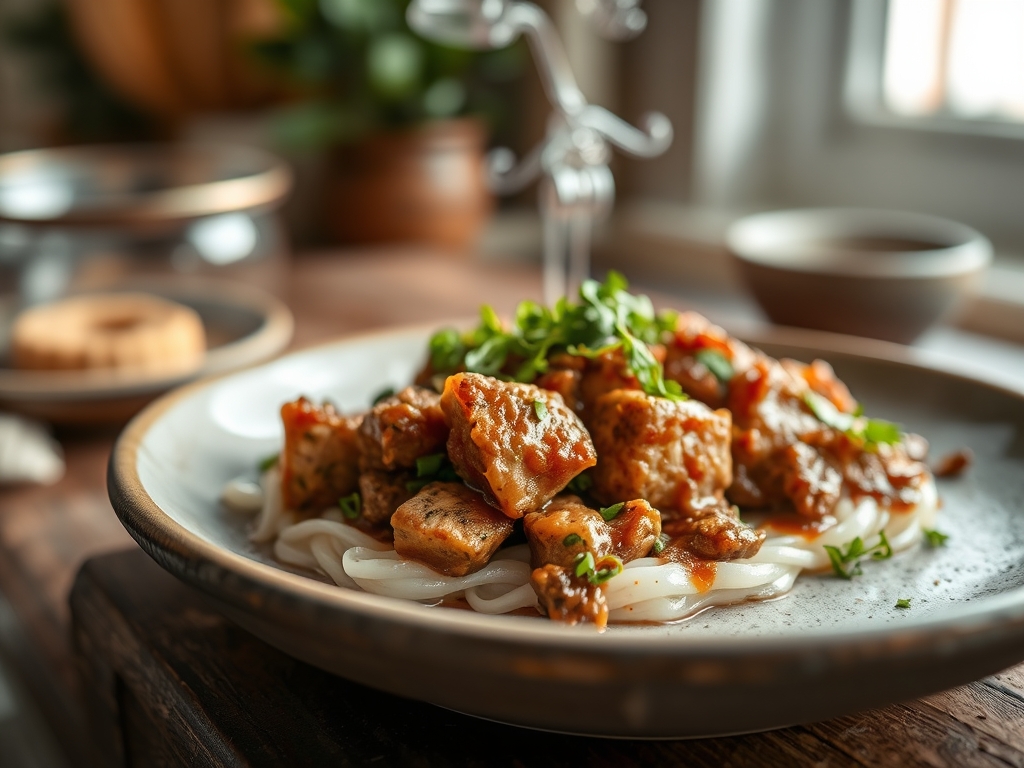
Picture this: a heavy-bottomed cast iron skillet screaming hot on the range, the air thick with the scent of rendering fat and toasted soy. You are craving that deep, primal umami of a burger but your body is begging for something lighter. This is where the magic of tofu ground beef recipes enters the chat. We are not just talking about a filler; we are talking about a molecular marriage where the porous cellular structure of extra-firm tofu acts as a sponge for beef tallow. By blending these two proteins, you create a patty or crumble that is juicier, more sustainable, and packed with complex textures that pure beef simply cannot achieve on its own. It is the ultimate kitchen hack for the modern, conscious carnivore who refuses to sacrifice the Maillard reaction for a health kick.
The beauty of these tofu ground beef recipes lies in the physics of moisture retention. Beef tends to tighten and expel juices as proteins denature at high heat; however, tofu remains stable, holding onto seasoned liquids and creating a luscious mouthfeel. Whether you are aiming for a piquant Bolognese or a crispy taco crumble, this hybrid approach is your ticket to culinary brilliance. We are going to dive deep into the chemistry of the "50/50 split" to ensure your dinner guests never even suspect there is a block of soy hiding in their savory feast. Grab your apron; we are about to re-engineer your favorite comfort foods with a witty, scientific twist.
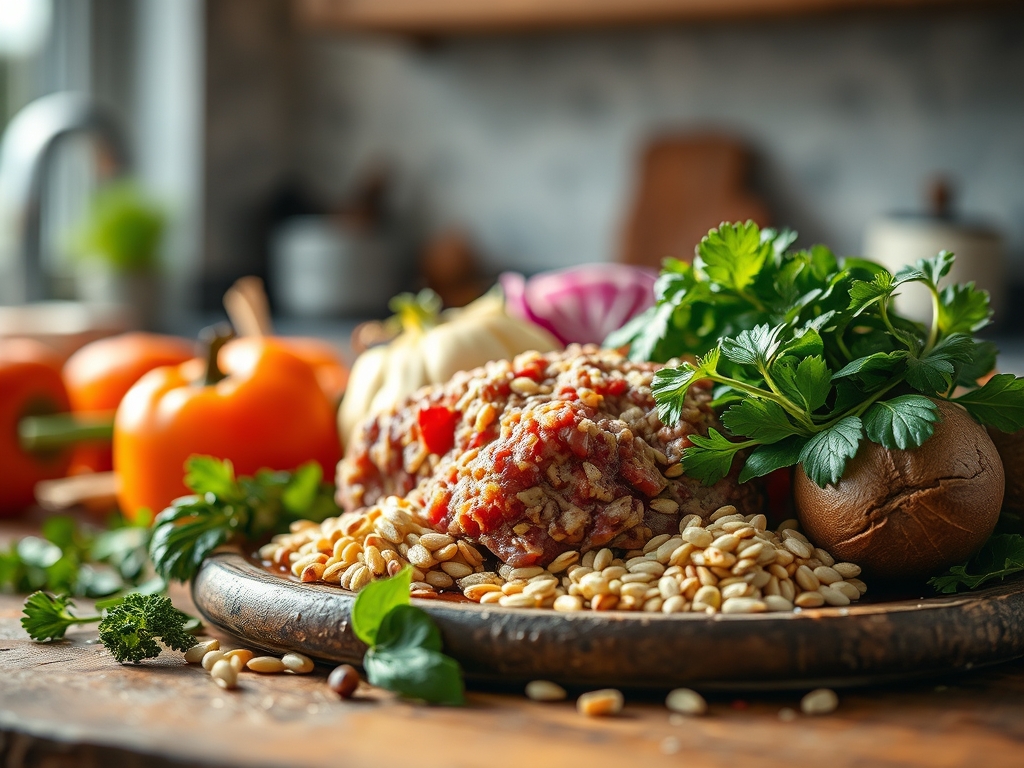
The Gathers:
To master these tofu ground beef recipes, your mise-en-place must be precise. Start with a high-quality, grass-fed ground beef with a 20 percent fat content. This fat is vital because it will infuse the tofu with flavor. For the soy component, select "Super Firm" vacuum-packed tofu. This variety has the lowest water activity, which prevents your mixture from becoming a soggy mess. You will also need a bottle of liquid aminos or high-quality soy sauce to deepen the savory profile through a process called protein hydrolysis.
Smart Substitutions:
If you are looking to pivot, you can swap the beef for ground bison or lamb for a more gamey, lean profile. If soy is off the table, chickpeas pulsed in a food processor to a "pebbled" texture offer a similar structural integrity. For a keto-friendly binder, skip the breadcrumbs and use a tablespoon of gelatin powder. This creates a viscous, collagen-rich texture that mimics the mouthfeel of high-end wagyu. Always keep a microplane nearby to zest in fresh garlic or ginger, adding a bright, volatile top note to the heavy protein base.
The Clock: Chef's Flow
Efficiency in the kitchen is about managing thermal momentum. For most tofu ground beef recipes, you are looking at a 15-minute prep window and a 20-minute cook time. The "Chef's Flow" dictates that you press your tofu first. Even the firmest blocks benefit from ten minutes under a heavy weight to expel residual brine. While the tofu undergoes mechanical dehydration, you can utilize your bench scraper to finely mince aromatics.
The cooking phase is split into two intervals: the "Hard Sear" and the "Integration." You will spend the first eight minutes rendering the beef to develop a crust. The final twelve minutes are dedicated to the tofu integration and sauce reduction. This specific cadence ensures the beef reaches a safe internal temperature while the tofu has enough residence time in the pan to absorb the rendered fats and spices without becoming mushy.
The Masterclass:
1. Mechanical Dehydration of the Soy
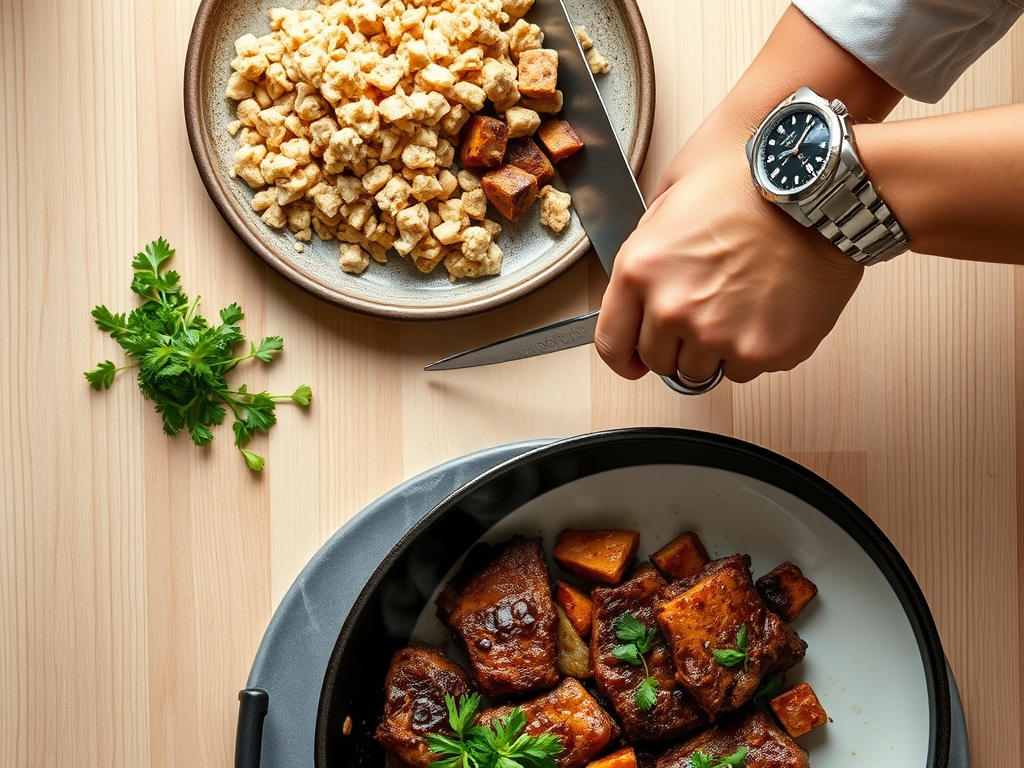
Place your tofu block on a clean lint-free towel and use a heavy skillet to press out excess moisture for ten minutes. Once dry, use your hands to crumble the tofu into irregular, pebble-sized pieces. Irregular shapes are key because they create more surface area for browning.
Pro Tip: This process increases the "solute concentration" within the tofu. By removing water, you make room for the beef fat to move in via capillary action during the cooking process.
2. The High-Heat Beef Render
Heat a heavy-bottomed skillet over medium-high heat until it reaches the smoke point of your chosen oil. Add the ground beef in a single layer. Do not stir it immediately. Let it sit for three minutes to allow the Maillard reaction to create a dark, flavorful crust.
Pro Tip: Avoid overcrowding the pan to prevent "steaming." If the temperature drops too low, the meat will grey rather than brown, missing out on hundreds of flavor compounds created by enzymatic browning.
3. Integrating the Hybrid Proteins
Push the browned beef to the perimeter of the pan and add your crumbled tofu to the center. Use a stiff metal spatula to press the tofu into the hot beef fat. Allow the tofu to fry in the rendered tallow until the edges turn golden brown.
Pro Tip: Tofu is biologically inert in terms of flavor. By frying it directly in the beef fat, you are "infusing" the soy with animal lipids, which fools the palate into perceiving the entire mixture as meat.
4. Deglazing and Emulsifying
Once both proteins are browned, add your aromatics like shallots and garlic. After sixty seconds, deglaze the pan with a splash of beef stock or red wine. Use your spatula to scrape up the "fond" (the brown bits) from the bottom of the pan.
Pro Tip: Deglazing is a chemical extraction. The liquid dissolves the caramelized proteins on the pan surface, creating a viscous sauce that coats every grain of the tofu and beef blend.
The Deep Dive:
When we look at the macro nutrition of these tofu ground beef recipes, the results are impressive. By replacing half the beef with tofu, you significantly reduce saturated fat and cholesterol while maintaining a high protein density. You also introduce isoflavones and fiber into a traditionally heavy meal. For those on specific diets, this blend is naturally gluten-free (if using tamari) and fits perfectly into a Paleo or Keto lifestyle when served with leafy greens instead of grains.
The Fix-It: Common Pitfalls
- The Soggy Scramble: If your mixture looks wet, increase the heat and move the proteins to the sides of the pan to allow the center to vent steam.
- Flavor Voids: If the tofu tastes "flat," add a teaspoon of Worcestershire sauce or fish sauce. These are umami bombs that bridge the gap between plant and animal proteins.
- Texture Mismatch: If the beef is too chunky compared to the tofu, use a potato masher directly in the skillet to break the beef down into a finer crumble.
Meal Prep Science:
To maintain "day-one" quality, store your blend in airtight glass containers. When reheating, use a saucier with a tablespoon of water or stock. Cover the pan to create a steam-saturated environment. This rehydrates the proteins without overcooking them, ensuring the beef remains tender and the tofu stays succulent.
The Wrap-Up:
You have just unlocked a culinary superpower. Mastering tofu ground beef recipes is about more than just saving a few pennies at the grocery store; it is about understanding how to manipulate texture and fat to create a superior dining experience. Whether you are folding this mix into a spicy mapo tofu or forming it into the juiciest sliders of your life, you are now armed with the scientific know-how to make healthy eating feel like a total indulgence. Go forth, deglaze that pan, and show the world that hybrid proteins are the future of the modern kitchen!
The Kitchen Table:
Can I use silken tofu for these recipes?
No, silken tofu has too much moisture and lacks structural integrity. It will turn into a paste. Always stick to extra-firm or super-firm varieties to ensure the tofu mimics the "crumb" of ground beef effectively.
How do I prevent the tofu from smelling like soy?
The key is the "Hard Sear" step. Frying the tofu in rendered beef fat or oil at high temperatures neutralizes the "beany" notes and replaces them with savory, toasted aromas through the Maillard reaction.
Is this blend freezer-friendly?
Absolutely. In fact, freezing tofu changes its molecular structure, making it even more porous and "meat-like" once thawed. Store the cooked mixture in a vacuum-sealed bag for up to three months for best results.
What is the best beef-to-tofu ratio for beginners?
Start with a 2:1 ratio (two parts beef to one part tofu). This ensures the beef flavor dominates while you get used to the texture. As you become a pro, you can move to a 1:1 ratio.