
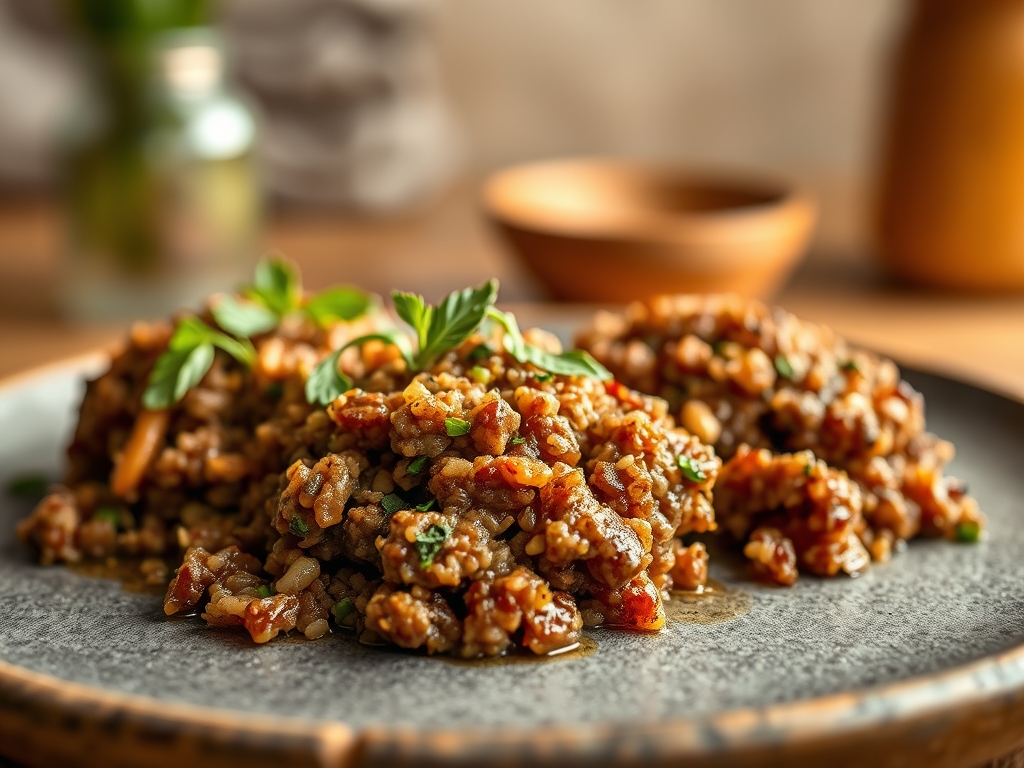
Picture this: a heavy-bottomed cast iron skillet sizzling on the stovetop while the nutty, toasted aroma of ancient grains fills your kitchen. We are moving beyond basic meal prep into a world of high-protein, high-flavor alchemy. These quinoa ground beef recipes offer the perfect marriage of iron-rich protein and complex carbohydrates to fuel your busiest days.
The magic of this pairing lies in the structural contrast. While the beef provides a savory, umami-rich foundation, the quinoa acts as a tiny, absorbent sponge for all those delicious juices. It is a nutritional powerhouse duo that keeps you satiated without the heavy, sluggish feeling of refined starches. Whether you are craving a zesty Mediterranean bowl or a comforting skillet bake, these recipes are about to become your new weeknight obsession. We are focusing on efficiency, flavor density, and the kind of "smart girl" kitchen science that makes cooking feel like a superpower.
The Gathers:
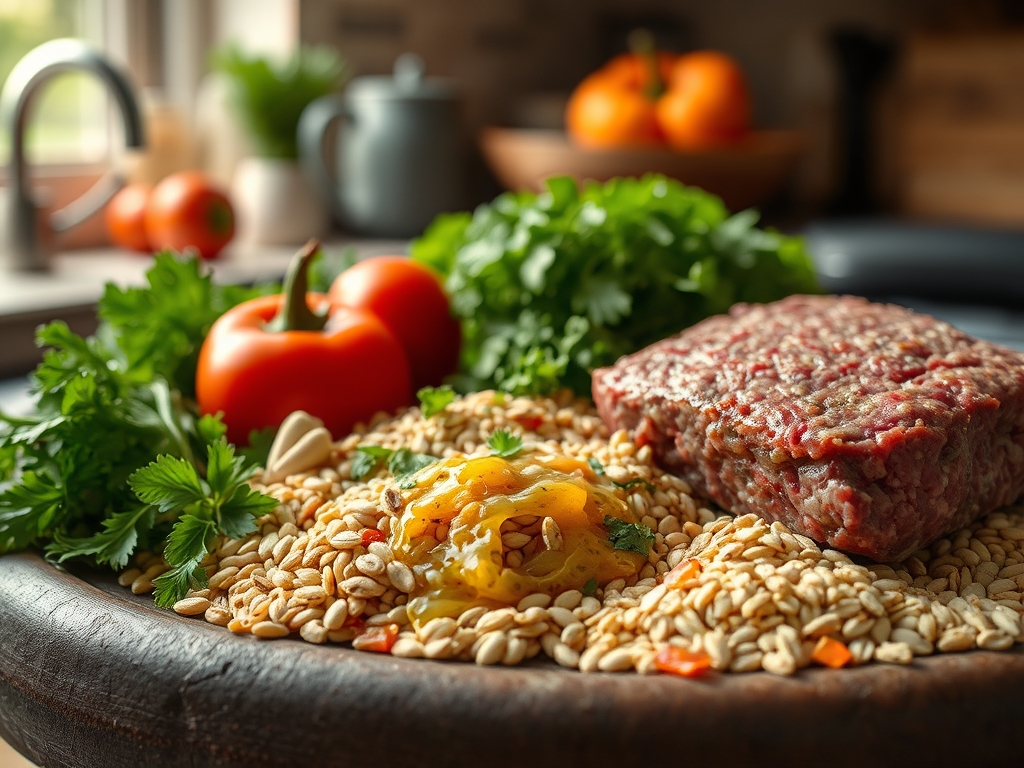
Before we ignite the burners, we must respect the mise-en-place. For these quinoa ground beef recipes, your workstation should look like a vibrant palette of textures. You will need high-quality, lean ground beef (preferably 90/10 for optimal moisture balance) and pre-rinsed tri-color quinoa. The saponins on unwashed quinoa can lend a bitter, soapy finish; always verify your packaging or give it a quick rinse in a fine-mesh strainer.
Your aromatic base is crucial. Gather yellow onions, cloves of garlic, and perhaps some bell peppers for a piquant crunch. Use a sharp chef knife to achieve a uniform dice; this ensures even cooking and a consistent mouthfeel. For the liquid component, reach for a low-sodium bone broth to infuse the grains with extra collagen and depth.
Smart Substitutions: If you are looking to lighten the caloric load, swap half the beef for finely minced cremini mushrooms. This maintains the meaty texture while adding an earthy, savory boost. For those avoiding nightshades, replace bell peppers with diced zucchini or shredded carrots. If you lack a specific spice, remember that smoked paprika can often stand in for chipotle powder if you just need that hint of wood-fired warmth.
The Clock: Mastering the Chef's Flow
Efficiency in the kitchen is about overlapping tasks, not just moving faster. Expect a total time of 35 to 45 minutes for most of these dishes. The "Chef's Flow" begins with the quinoa. Since it requires approximately 15 minutes of simmering followed by a 5-minute rest, start this first. While the grains absorb the liquid, you can focus on the beef.
Prep time usually clocks in at 10 minutes if your knife skills are sharp. Once the beef hits the pan, it only needs 7 to 9 minutes to reach a safe internal temperature of 160 degrees Fahrenheit. By the time you have finished deglazing the pan and sautéing your aromatics, the quinoa will be perfectly fluffed and ready for integration. This synchronized timing ensures that no component sits long enough to become soggy or cold.
The Masterclass
1. The Maillard Sear
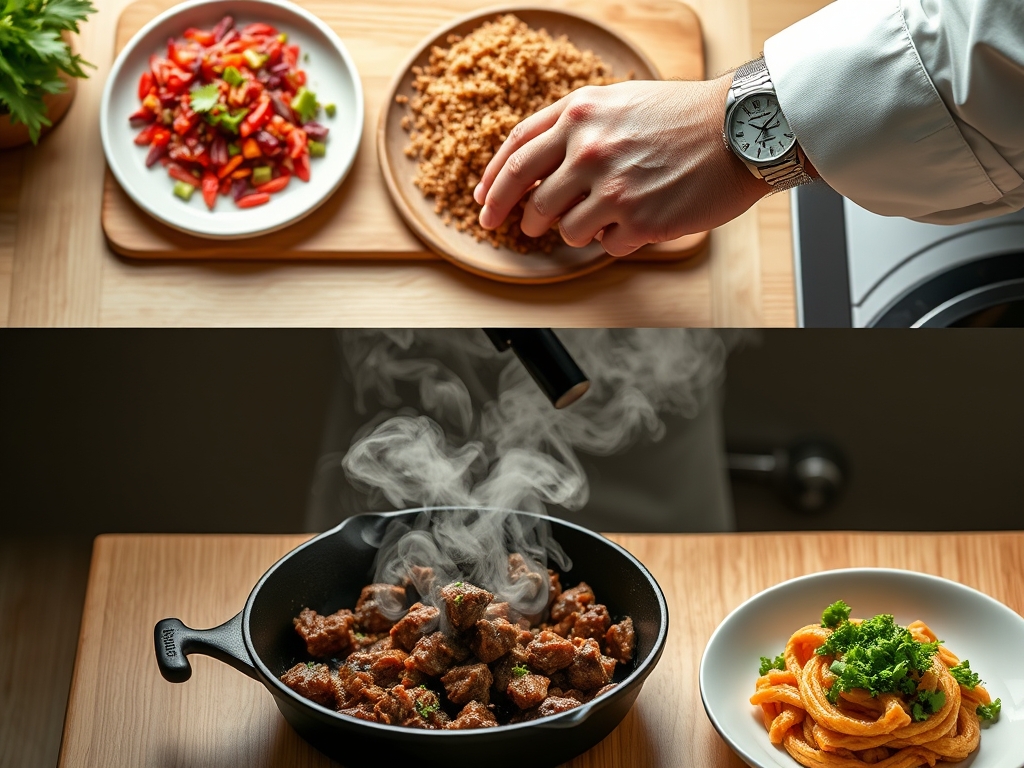
Place your heavy-bottomed skillet over medium-high heat. Once the pan is shimmering, add the ground beef. Do not crowd the pan; you want to render the fat and achieve a deep, mahogany crust. Use a sturdy wooden spoon or a meat masher to break the beef into uniform crumbles.
Pro Tip: This browning is the Maillard Reaction, a chemical reaction between amino acids and reducing sugars that creates hundreds of different flavor compounds. If you move the meat too much, you will steam it instead of searing it. Let it sit undisturbed for at least three minutes to develop that savory crust.
2. Sauté and Deglaze
Once the beef is browned, remove it from the pan, leaving about a tablespoon of fat. Add your onions and peppers. Use a bench scraper to transfer your chopped aromatics cleanly from the board to the pan. As the vegetables soften, use a splash of broth or dry white wine to deglaze the bottom of the pan, scraping up the browned bits (the fond).
Pro Tip: Deglazing is not just for cleanup; it is a flavor extraction technique. Those browned bits are concentrated umami. The liquid creates a steam release that loosens the fond, incorporating it into the base of your sauce for a more complex profile.
3. The Grain Integration
Add your cooked quinoa to the skillet with the vegetables. Toss them together to ensure every grain is coated in the seasoned fats. Return the beef to the pan and fold it in gently. This is the moment to add your dry spices, like cumin, chili powder, or dried oregano, to infuse the oil-soluble flavors into the entire dish.
Pro Tip: Quinoa has a "germ" that pops open when cooked, creating a tiny spiral. By tossing the cooked grain in the remaining fats in the pan, you are using emulsification to coat each grain, preventing them from clumping and ensuring a light, fluffy texture.
4. The Final Fluff and Rest
Turn off the heat. Use a fork to aerate the mixture, lifting the grains to let excess steam escape. This prevents the bottom of the pan from becoming viscous or gummy. Cover the pan for three minutes to allow for thermal carryover, which ensures the center of the dish is piping hot without overcooking the beef.
Pro Tip: Resting is vital. During this stage, the fibers in the beef relax and reabsorb some of the juices, while the quinoa finishes absorbing any residual surface moisture. This results in a cohesive dish where the flavors have truly married.
The Deep Dive: Science and Solutions
From a macro perspective, these quinoa ground beef recipes are a goldmine. You are getting a complete amino acid profile from the quinoa, which is rare for a plant-based source, alongside the high-quality heme iron and B12 from the beef. A standard serving provides roughly 30 grams of protein and 6 grams of fiber, making it an excellent choice for metabolic health.
Dietary Swaps: To make this Keto-friendly, replace the quinoa with riced cauliflower; just be sure to sauté the cauliflower longer to cook off excess moisture. For a Vegan version, utilize a soy-based crumble or lentils in place of the beef, adding a dash of liquid smoke to mimic that grilled flavor. All these recipes are naturally Gluten-Free, provided you check your spice blends for hidden anti-caking agents.
The Fix-It:
- Soggy Quinoa: If your grains are mushy, you likely used too much liquid. Fix it by spreading the quinoa on a sheet pan and placing it in a 300-degree oven for five minutes to dehydrate the surface.
- Bland Beef: If the dish tastes "flat," it likely lacks acidity. Add a squeeze of fresh lime juice or a teaspoon of apple cider vinegar to brighten the heavy fats.
- Burnt Aromatics: If your garlic turns bitter, you added it too early. Next time, add garlic only in the last 60 seconds of sautéing to preserve its sweetness.
Meal Prep Science: When reheating, add a tablespoon of water or broth before microwaving. This creates a localized steam chamber that prevents the beef from becoming rubbery and restores the quinoa's tender texture.
The Wrap-Up
Mastering quinoa ground beef recipes is about more than just filling a bowl; it is about understanding how heat, fat, and texture interact to create something spectacular. You now have the technical foundation to sear, deglaze, and infuse like a professional. These dishes are versatile, nutritious, and undeniably delicious. So, grab your favorite skillet, trust the science, and get cooking. Your future self (and your taste buds) will thank you for this high-protein upgrade.
The Kitchen Table
How do I stop quinoa from tasting bitter?
Quinoa is coated in saponins, a natural pest repellent. To remove the bitter taste, rinse the dry grains in a fine-mesh strainer under cold running water for 30 seconds before cooking, even if the package says it is pre-washed.
Can I cook the beef and quinoa in the same pot?
Yes, this is called a "one-pot" method. Brown the beef first, remove it, then toast the dry quinoa in the rendered fat. Add liquid, simmer until absorbed, and fold the beef back in at the end for perfect texture.
What is the best beef-to-quinoa ratio?
For a balanced meal, use a 1:1 ratio of cooked quinoa to browned beef. This provides roughly 1 cup of each per four servings, ensuring every bite has a satisfying mix of savory protein and nutty, fiber-rich grains.
How long does this stay fresh in the fridge?
Stored in an airtight glass container, these recipes stay fresh for up to four days. The flavors often deepen by day two as the spices continue to infuse the grains, making it an elite option for weekly meal prep.