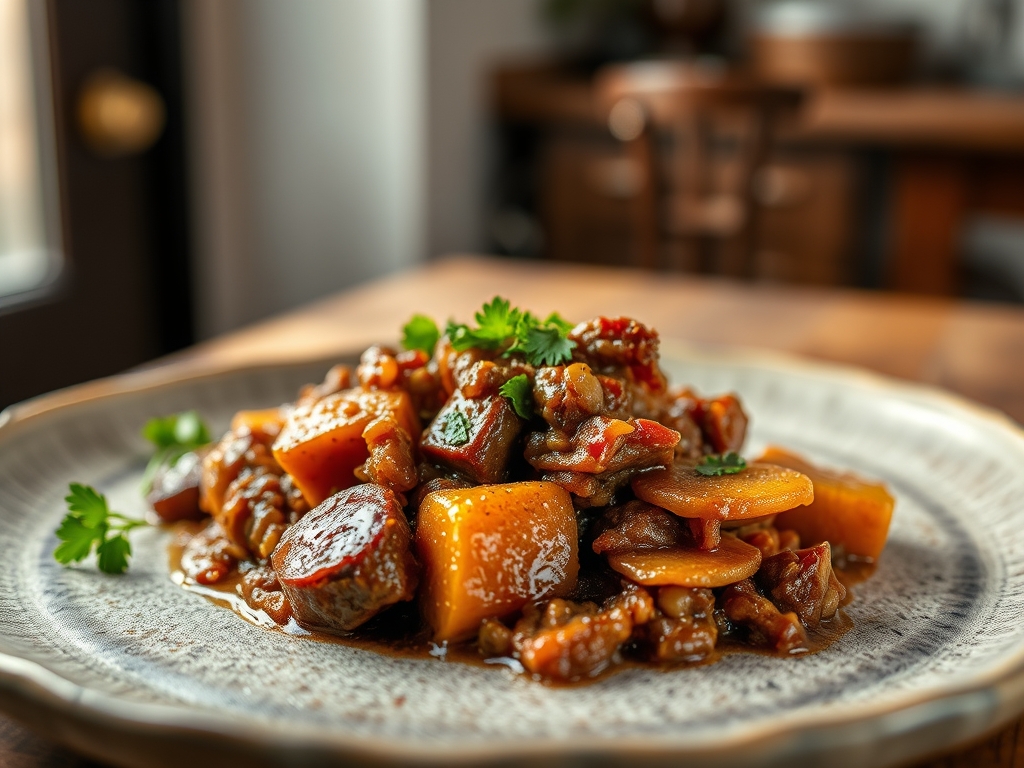
Imagine the sound of a heavy-bottomed skillet meeting a gas flame; it is the rhythmic heartbeat of a kitchen that knows true comfort. We are diving into the world of picadillo beef recipes; those complex, savory, and slightly sweet masterpieces that define the ultimate weeknight luxury. This is not just a meat sauce. It is a textured tapestry of Latin heritage where every raisin and olive plays a specific role in a high-stakes flavor profile. You want that perfect balance of salty and piquant notes that makes your kitchen smell like a professional bistro.
The Gathers:
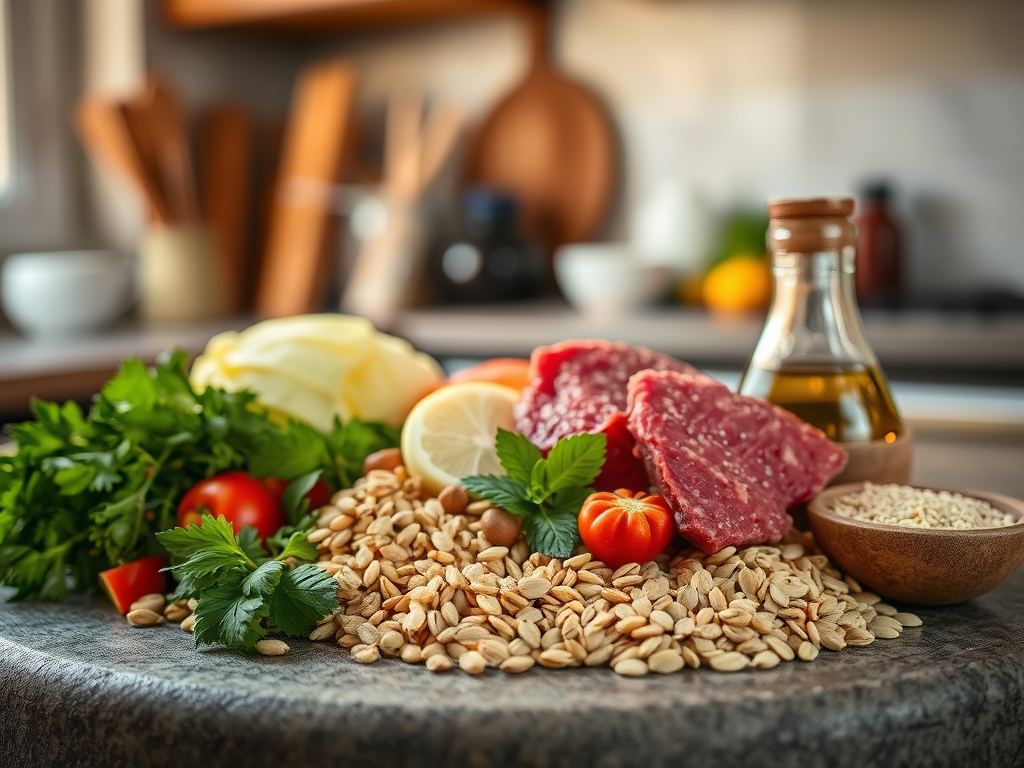
To achieve a five-star result, your mise-en-place must be precise. Start with one pound of 80/20 ground chuck; the fat content is non-negotiable for a silky mouthfeel. You will need a fine-mesh sieve for rinsing your aromatics and a sharp chef knife for a uniform brunoise. Gather your dry components: ground cumin, smoked paprika, and a single bay leaf. For the wet components, secure a high-quality tomato paste and a splash of dry sherry or apple cider vinegar to provide that essential acidity.
Smart Substitutions are your best friend when the pantry looks bare. If you lack traditional Spanish olives, capers offer a similar punch of salinity. No raisins? Try dried currants or even a teaspoon of brown sugar to mimic that necessary sweetness. If you are watching your sodium, swap the store-bought broth for a homemade unsalted stock and use a microplane to zest in fresh lime at the end; this tricks the palate into perceiving saltiness through heightened acidity.
The Clock: Timing the Chef's Flow
Efficiency in the kitchen is about heat management and sequence. Your total active prep time should clock in at 15 minutes, with a cook time of approximately 25 minutes. This is the "Chef's Flow": while your skillet preheats, you chop. While the meat renders, you measure your spices. The goal is to have the entire dish simmering within 12 minutes of the first flame. This allows the flavors to infuse without overcooking the delicate vegetables. Remember, the potatoes need exactly 12 to 15 minutes to reach a fork-tender state without turning into mush.
The Masterclass:
1. The Maillard Foundation
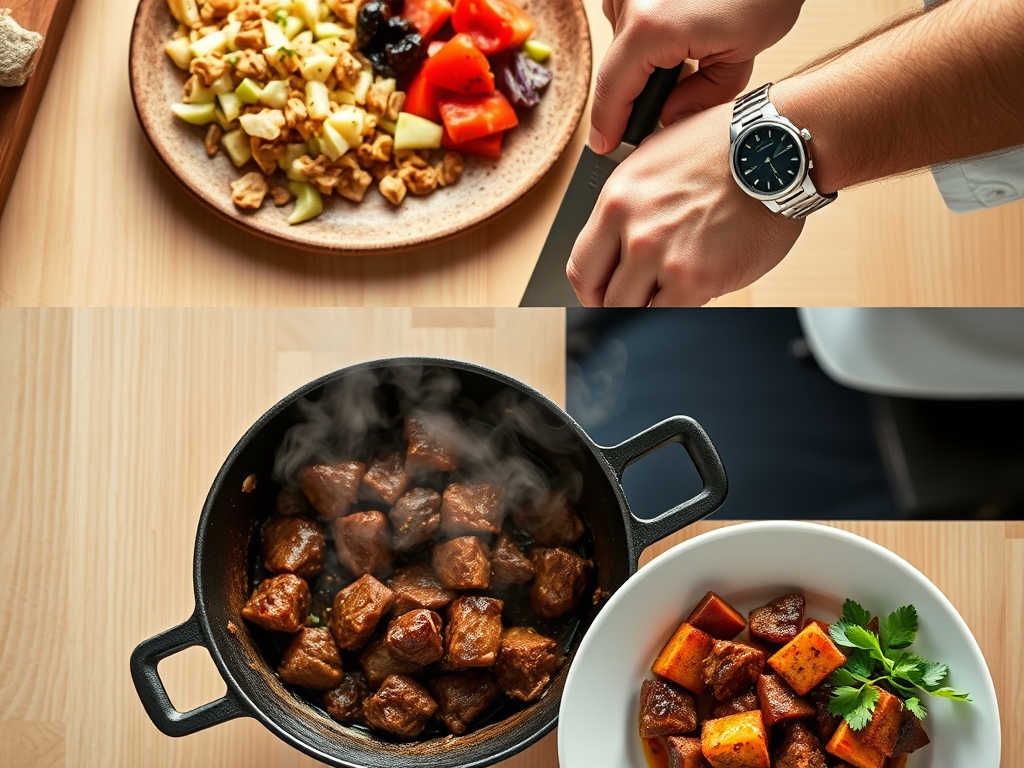
Begin by heating your heavy-bottomed skillet over medium-high heat. Add the beef and resist the urge to stir immediately. You want to achieve Maillard browning, which is a chemical reaction between amino acids and reducing sugars that creates that deep, savory crust. Use a stiff wooden spoon or a bench scraper to break the meat into small, uniform crumbles.
Pro Tip: This is about moisture evaporation. If you crowd the pan or stir too often, the meat will steam in its own juices rather than sear. Wait for the audible "sizzle" to change pitch before flipping.
2. Rendering and Deglazing
Once the meat is browned, use a slotted spoon to remove it, leaving about two tablespoons of fat in the pan. Toss in your onions, bell peppers, and garlic. Use the moisture from the vegetables to deglaze the pan, scraping up those brown bits (the fond) which contain concentrated flavor.
Pro Tip: The science here involves lipid-soluble flavors. Many of the aromatic compounds in garlic and onions are fat-soluble, meaning they need that rendered beef fat to fully release their essence into the dish.
3. The Spice Infusion
Add your cumin, oregano, and paprika directly into the fat-slicked vegetables for 30 seconds. This is called "blooming" the spices. It uses heat to release essential oils that have been trapped in the dried herbs, significantly increasing the aromatic impact of your picadillo beef recipes.
Pro Tip: This prevents a "gritty" texture. By heating the spices in fat first, you ensure the particles are fully coated and integrated before any liquid is added to the pan.
4. The Acidic Balance
Stir in your tomato paste and cook it until it turns a deep brick red. This process, known as pincer, caramelizes the natural sugars in the tomato. Pour in your splash of vinegar or wine. The acidity will cut through the richness of the beef, providing a bright counterpoint to the heavy spices.
Pro Tip: Acidity acts as a flavor enhancer. It lowers the pH of the dish, which actually makes your taste buds more sensitive to the other savory notes present in the beef.
5. The Simmer and Hydration
Return the beef to the pan and add your diced potatoes and beef stock. Lower the heat to a gentle simmer. Cover the pan to trap the steam, which will cook the potatoes through conductive heating. You want the liquid to become slightly viscous, coating the meat rather than drowning it.
Pro Tip: Watch for starch gelatinization. As the potatoes cook, they release small amounts of starch into the sauce, acting as a natural thickener that creates a cohesive, velvety texture.
6. The Sweet and Salty Finish
In the final five minutes, fold in your raisins and olives. The raisins will hydrate slightly, becoming plump little jewels of sweetness, while the olives release their brine into the sauce. This creates the "agrodolce" (sour and sweet) profile that makes picadillo so addictive.
Pro Tip: This is about osmotic pressure. Adding the dried fruit at the end prevents them from disintegrating, allowing them to pull just enough moisture from the sauce to balance their texture.
The Deep Dive:
From a macro perspective, a standard serving of picadillo provides roughly 28g of protein and 15g of healthy fats. For a Keto-friendly version, simply swap the potatoes for diced chayote squash or cauliflower florets and omit the raisins. If you are going Vegan, use a walnut and lentil crumble in place of beef; the high tannin content in walnuts mimics the "chew" of browned meat perfectly.
The Fix-It: If your sauce is too thin, remove the lid and increase the heat to facilitate rapid evaporation. If it is too salty, add a splash of water and a pinch more sugar to balance the ions. If the meat feels tough, you likely boiled it too hard; next time, keep the simmer "lazy" to avoid denaturing the proteins too quickly.
For Meal Prep, picadillo is a dream. The flavors actually improve on day two because of aromatic maturation. When reheating, add a tablespoon of water and cover tightly. This creates a steam chamber that restores the moisture levels without overcooking the beef, ensuring "day-one" quality every time.
The Wrap-Up:
You are now officially a picadillo pro! By mastering the Maillard reaction and understanding the delicate balance of acidity and sweetness, you have elevated a simple ground beef dish into a culinary event. Whether you serve this over fluffy white rice, tucked into crispy empanadas, or straight out of the pan with a spoon, you are tapping into a tradition of flavor science that never fails to impress. Grab your skillet and get cooking!
The Kitchen Table:
How do I prevent my picadillo from being too greasy?
Always drain the excess fat after browning the beef, leaving only about two tablespoons. This ensures you have enough for flavor and sautéing aromatics without creating a heavy, oily residue in the finished sauce.
Can I make picadillo in a slow cooker?
Yes. Brown the beef and sauté aromatics in a skillet first to develop flavor through the Maillard reaction. Transfer everything to the slow cooker and cook on low for 4 to 6 hours for a deeply infused result.
What is the best type of potato for picadillo beef recipes?
Use waxy potatoes like Yukon Gold or Red Bliss. They hold their shape during the simmering process and have a creamy texture that resists turning into mush, unlike starchy Russet potatoes which may crumble.
Why are raisins included in a savory beef dish?
Raisins provide a necessary "sweet" counterpoint to the salty olives and acidic tomatoes. This creates a complex, multi-dimensional flavor profile known as agrodolce, which is a hallmark of traditional Latin American and Spanish cuisine.