
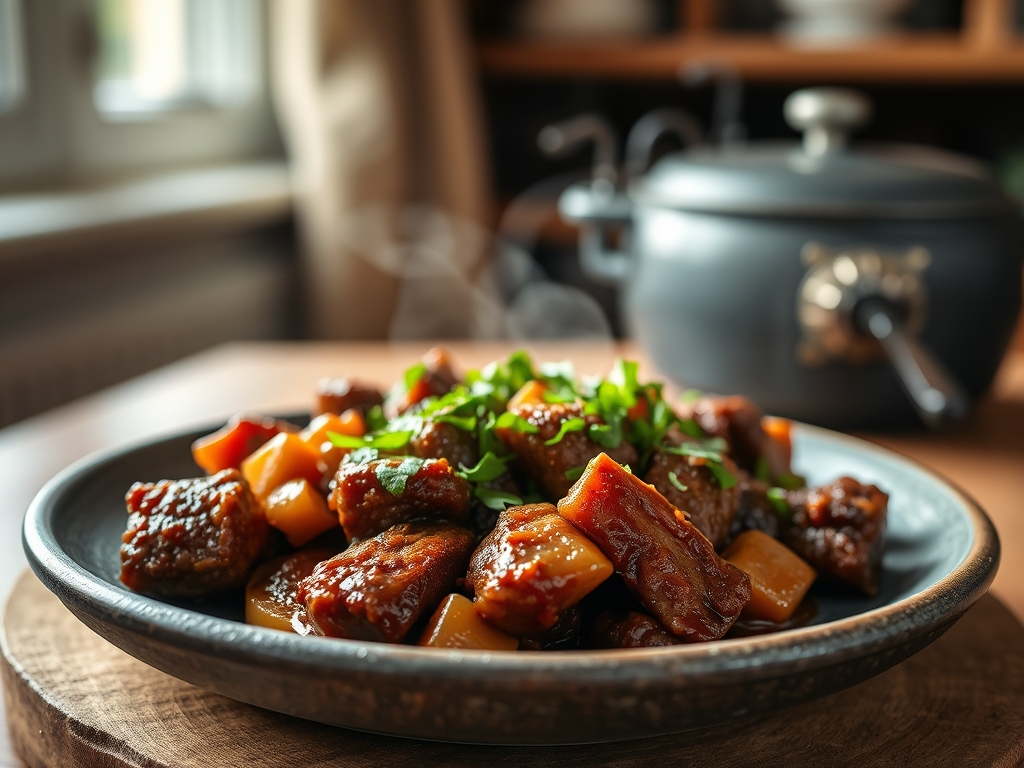
Imagine the scent of toasted sesame oil and pungent garlic drifting through your hallway at five in the evening. It is the ultimate olfactory hug. When you dive into mongolian beef recipes slow cooker style, you are not just making dinner; you are engineering a masterpiece of salt, silk, and heat. This dish relies on the delicate balance of soy sauce and brown sugar to create a viscous glaze that clings to every fiber of the meat. Most people settle for mediocre takeout that arrives lukewarm and soggy. You are about to do better. By using a slow cooker, you allow the connective tissues in the beef to break down into gelatin, resulting in a melt-in-your-mouth texture that a high-heat wok simply cannot replicate in ten minutes. We are looking for that perfect piquant finish and a sauce thick enough to coat a spoon. Grab your favorite apron and a glass of wine; we are about to transform a humble flank steak into a five-star experience that will make your kitchen the most popular spot in the neighborhood.
The Gathers:
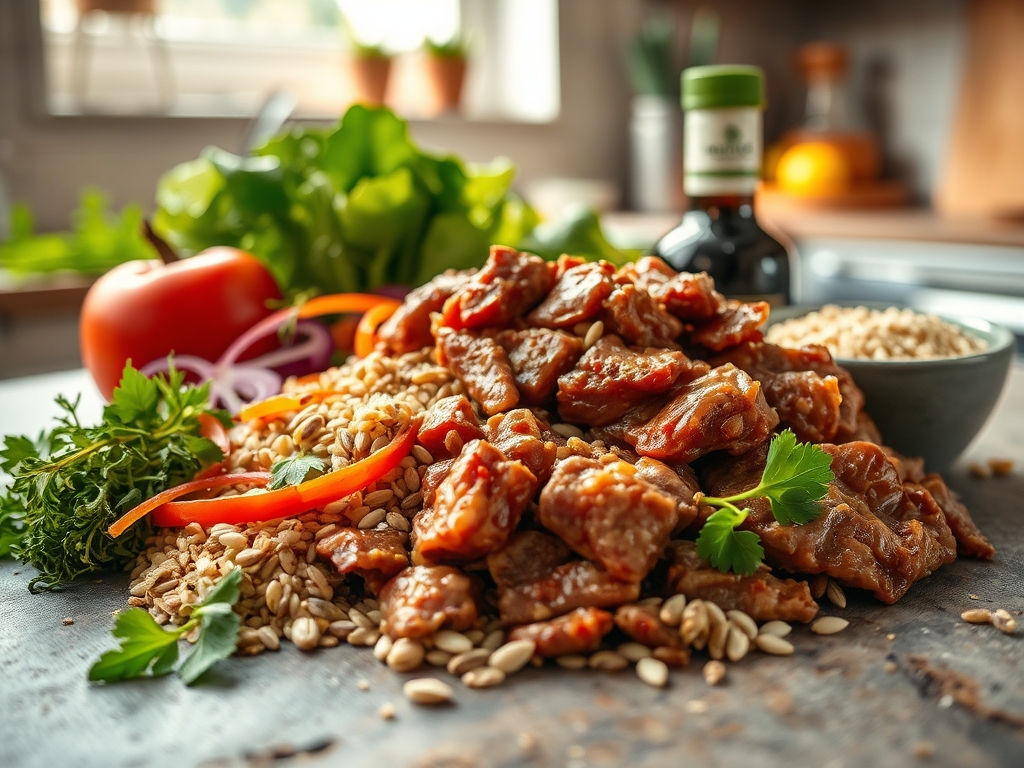
To achieve the perfect results, your mise-en-place must be precise. Start with 1.5 to 2 pounds of flank steak or skirt steak. Flank is the gold standard here because its long muscle fibers absorb the marinade through capillary action. You will also need cornstarch to act as a thickening agent, low-sodium soy sauce to control the salinity, and dark brown sugar for that deep, molasses-driven sweetness. For the aromatics, gather fresh ginger and garlic. Use a microplane to grate them into a fine paste; this increases the surface area and allows the essential oils to infuse the sauce more effectively.
Smart Substitutions: If you are watching your sodium, liquid aminos or coconut aminos provide a similar umami profile with less salt. If flank steak is unavailable, chuck roast sliced very thin against the grain is a fantastic alternative because its high fat content will render beautifully during the long cook. For a kick of heat, add dried red chili flakes or a dollop of sambal oelek. Always use a digital scale to measure your meat and liquids; precision is the difference between a balanced sauce and a salty disaster.
The Clock:
The "Chef's Flow" for this recipe is all about front-loading the effort. Prep time should take you no more than 15 to 20 minutes. This includes slicing the beef, grating the aromatics, and whisking the sauce in a saucier or small mixing bowl. Once the ingredients are in the crock, the magic happens over 4 to 5 hours on Low or 2 to 3 hours on High.
I strongly recommend the Low setting. The lower temperature prevents the proteins from tightening too quickly, which can squeeze out moisture and leave the beef "stringy." By keeping the heat gentle, you encourage a slow breakdown of collagen. Finish the dish with a 5-minute "flash" at the end to thicken the sauce once the cornstarch slurry is added.
The Masterclass:
1. The Precision Cut
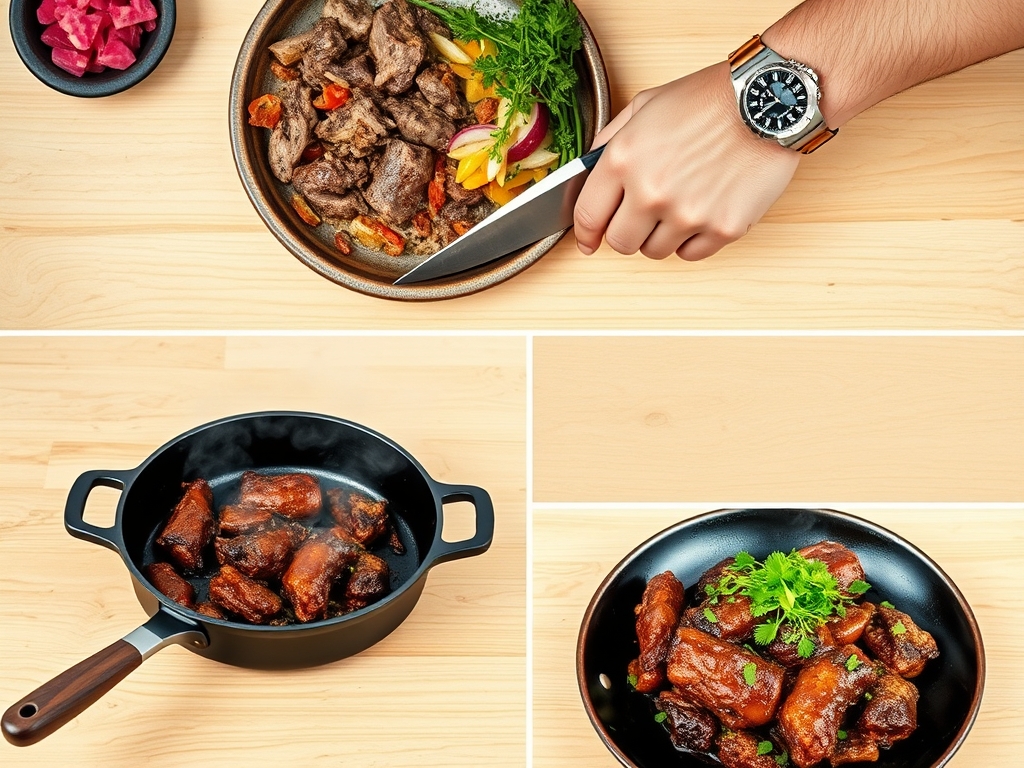
Slice your beef into thin strips, roughly 1/4 inch thick. Crucially, you must slice against the grain. Look for the parallel lines of muscle fiber and cut perpendicular to them.
Pro Tip: Slicing against the grain shortens the muscle fibers. This makes the meat easier to chew because your teeth do not have to work through long, intact protein strands.
2. The Cornstarch Dredge
Place the beef strips in a large bowl or a zip-top bag and toss with 1/4 cup of cornstarch until every piece is evenly coated. Let it sit for 5 minutes until the starch looks "damp."
Pro Tip: This creates a protective barrier that prevents the meat from overcooking and provides the starch needed to emulsify the sauce later via the Maillard reaction if you choose to sear.
3. The Optional Sear
For maximum flavor, use a heavy-bottomed skillet or a cast iron pan to sear the beef in small batches before adding it to the slow cooker. Use tongs to turn the pieces quickly.
Pro Tip: Searing triggers enzymatic browning, creating complex flavor compounds that a slow cooker alone cannot produce. This adds a "roasted" depth to the final profile.
4. The Aromatic Infusion
Whisk together the soy sauce, water, brown sugar, minced garlic, and grated ginger. Pour this over the beef in the slow cooker liner.
Pro Tip: Grating ginger with a microplane breaks down the fibrous cell walls, releasing gingerol, the compound responsible for that signature spicy-sweet heat.
5. The Low and Slow Simmer
Cover and cook on Low for 4 hours. Avoid lifting the lid during the process.
Pro Tip: Every time you lift the lid, you lose significant heat and moisture. This can extend your cook time by 15 to 20 minutes and disrupt the thermal equilibrium.
6. The Slurry Adjustment
If the sauce is too thin after 4 hours, whisk 1 tablespoon of cornstarch with 2 tablespoons of cold water. Stir this into the pot and cook on High for another 15 minutes.
Pro Tip: Cornstarch requires a temperature of approximately 144 degrees Fahrenheit to gelatinize. Switching to High ensures the sauce reaches the necessary temperature to thicken into a glossy glaze.
7. The Rest and Carryover
Once the beef is tender, turn off the heat and let it sit for 10 minutes before serving.
Pro Tip: Thermal carryover continues to cook the meat slightly while the fibers relax, allowing them to reabsorb some of the flavorful liquid.
8. The Aeration Finish
Before serving, use a bench scraper or a large spoon to gently toss the beef, ensuring every piece is coated in the now-thickened sauce.
Pro Tip: Tossing the beef helps aerate the sauce, which can subtly brighten the flavors and improve the mouthfeel of the fats.
9. The Garnish Pop
Top with sliced green onions and toasted sesame seeds just before the plate hits the table.
Pro Tip: The residual heat from the beef will slightly soften the onions, releasing their sulfurous aroma without losing their crisp texture.
The Deep Dive:
Macro Nutrition
A standard serving of this Mongolian beef provides approximately 350 to 400 calories. It is high in protein (around 25g) but also contains significant sugars from the glaze. To lower the glycemic index, you can swap the brown sugar for a monk fruit sweetener or stevia blend.
Dietary Swaps
- Vegan: Replace the beef with extra-firm tofu or seitan. Press the tofu first to remove excess water so it can absorb the sauce.
- Keto: Eliminate the cornstarch and use xanthan gum as a thickener. Replace the sugar with a keto-friendly brown sugar substitute.
- Gluten-Free: Ensure you use Tamari or coconut aminos instead of traditional soy sauce, which contains wheat.
The Fix-It: Common Pitfalls
- The Sauce is Too Salty: Add a splash of rice vinegar or a squeeze of lime. The acid will balance the sodium.
- The Beef is Tough: You likely cut with the grain or used a cut with too little fat. Next time, try a "velveting" technique by soaking the meat in a bit of baking soda and water for 15 minutes before rinsing and cooking.
- The Sauce Won't Thicken: Your slow cooker might not be getting hot enough. Transfer the sauce to a saucier on the stove and reduce it over medium heat until it reaches your desired consistency.
Meal Prep and Reheating
This dish actually tastes better on day two as the flavors continue to marry. When reheating, avoid the microwave if possible. Instead, use a small skillet over medium-low heat. Add a tablespoon of water to loosen the glaze and prevent the beef from becoming rubbery. The starch in the sauce will "reset" and become glossy again once it hits the right temperature.
The Wrap-Up:
Mastering mongolian beef recipes slow cooker style is a total game changer for your weekly rotation. It is the perfect blend of scientific precision and soulful comfort food. By understanding how the starch interacts with the heat and why the cut of the meat matters, you have elevated a simple meal into a culinary event. Whether you are serving this over a bed of fluffy jasmine rice or some zesty cauliflower rice, the result is guaranteed to be a crowd-pleaser. Now go forth, grab those tongs, and show that slow cooker who is boss!
The Kitchen Table:
Can I use frozen beef for this recipe?
No, always thaw beef completely before slow cooking. Starting from frozen keeps the meat in the "danger zone" for bacterial growth too long. Thawing ensures even heat distribution and a safer, more consistent texture for your mongolian beef recipes slow cooker.
How do I make the sauce extra glossy?
The secret to a high-shine glaze is the emulsification of fats and sugars. Ensure your cornstarch slurry is fully incorporated and the sauce reaches a simmer. A tiny pat of cold butter stirred in at the end adds professional luster.
What is the best way to store leftovers?
Store in an airtight glass container for up to four days. Glass is preferable to plastic as it does not retain odors from the garlic and ginger. Reheat gently on the stovetop to maintain the delicate protein structure of the beef.
Why is my beef falling apart instead of staying in strips?
You likely overcooked it or sliced it too thin. If you prefer distinct strips, stick to the 4-hour Low setting. If the meat is shredding, it has simply reached the "pulled" stage; it still tastes delicious over noodles!