
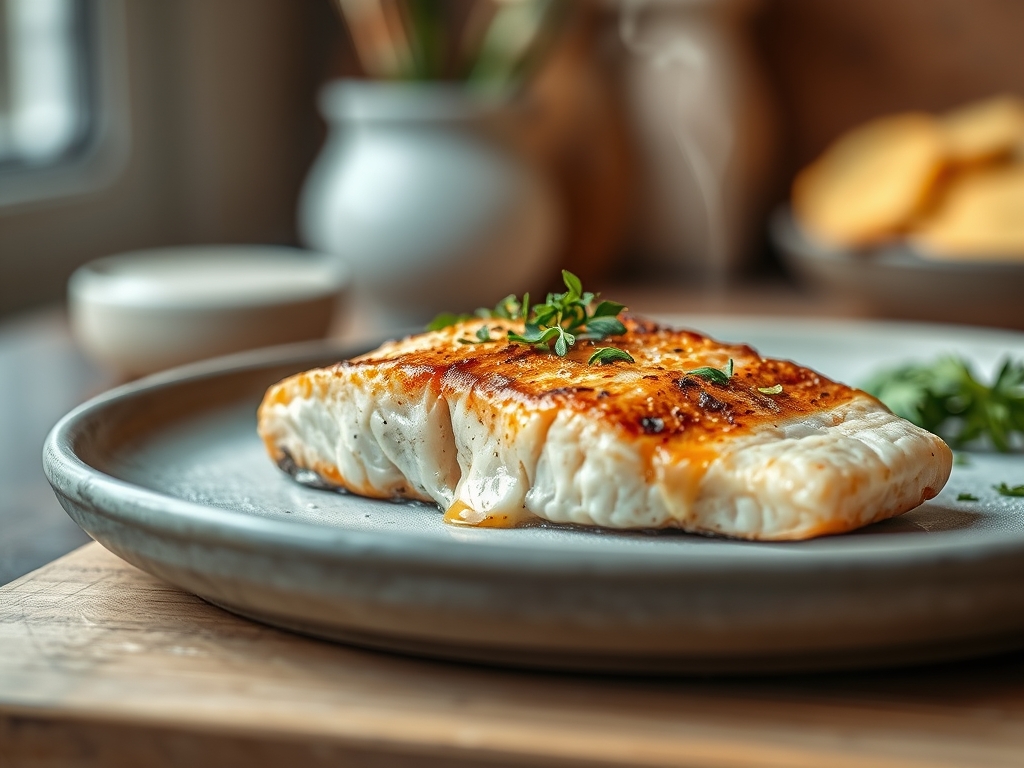
Picture the kitchen at sunset, the air thick with the scent of charred lemon and bubbling butter. Your fork glides through a fillet, meeting zero resistance before the meat flakes into translucent, fatty petals that melt on your tongue. Achieving this level of perfection is why we hunt for the best oven baked salmon recipes. It is not just about heat; it is about the chemistry of collagen and the precision of the thermal curve.
Most home cooks treat salmon like a piece of steak, but it is far more delicate. We are dealing with myosepta, the connective tissue that dissolves at much lower temperatures than beef. If you have ever seen that unappealing white gunk (albumin) seeping out of your fish, you have pushed the protein too far. Today, we are reclaiming the fillet. We are moving beyond "good enough" and stepping into the realm of professional culinary styling where texture is king and flavor is layered with scientific intent.
The Gathers:
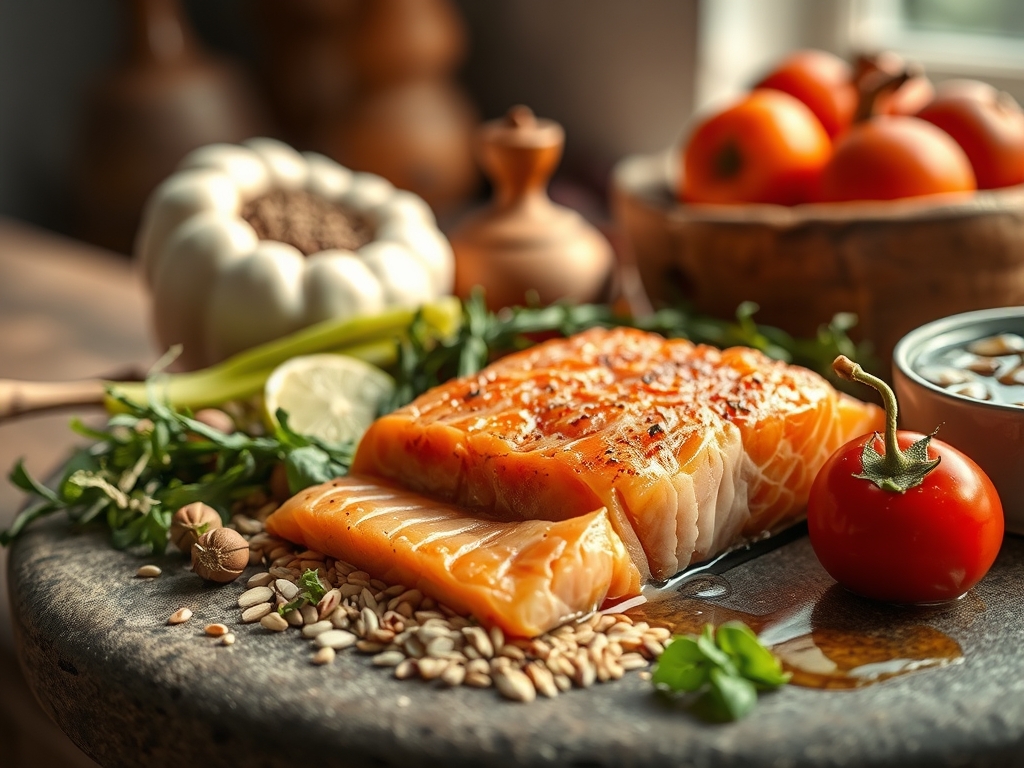
To execute the best oven baked salmon recipes, your mise-en-place must be impeccable. Start with a center-cut King or Atlantic fillet, ideally weighing 1.5 to 2 pounds. You will need high-smoke-point fats like avocado oil or clarified butter to ensure the skin crisps without acridity. For the aromatic profile, gather fresh dill, garlic cloves, and organic lemons. Use a microplane to zest the citrus; this tool shears the zest into fine ribbons, releasing the essential oils without the bitter white pith.
The salt choice is non-negotiable. Use Diamond Crystal Kosher salt for its hollow flake structure, which allows for even distribution and prevents over-seasoning. If you are craving a piquant kick, include capers or Dijon mustard to act as a viscous binder for your herb crust.
Smart Substitutions: If you are avoiding dairy, swap butter for a high-quality tahini. The sesame paste provides a similar mouthfeel and a nutty depth that complements the fish's natural oils. For a soy-free umami boost, use coconut aminos or a dash of fish sauce to infuse the flesh with savory complexity.
The Clock
The "Chef's Flow" is the secret to a stress-free kitchen. Total prep time is exactly 12 minutes, with a cook time ranging from 10 to 15 minutes depending on the thickness of your cut. The most critical phase, however, is the 10-minute "Tempering Period" before the fish hits the oven.
Cold protein shocks when it meets high heat, causing the muscle fibers to contract violently and squeeze out moisture. By letting your salmon sit at room temperature for a few minutes, you ensure even heat penetration. While the fish tempers, use your bench scraper to clear your workstation and prep a side of quick-blanched asparagus or a bright arugula salad. This overlap ensures everything hits the table at the peak of its thermal window.
The Masterclass:
1. The Desiccation Ritual
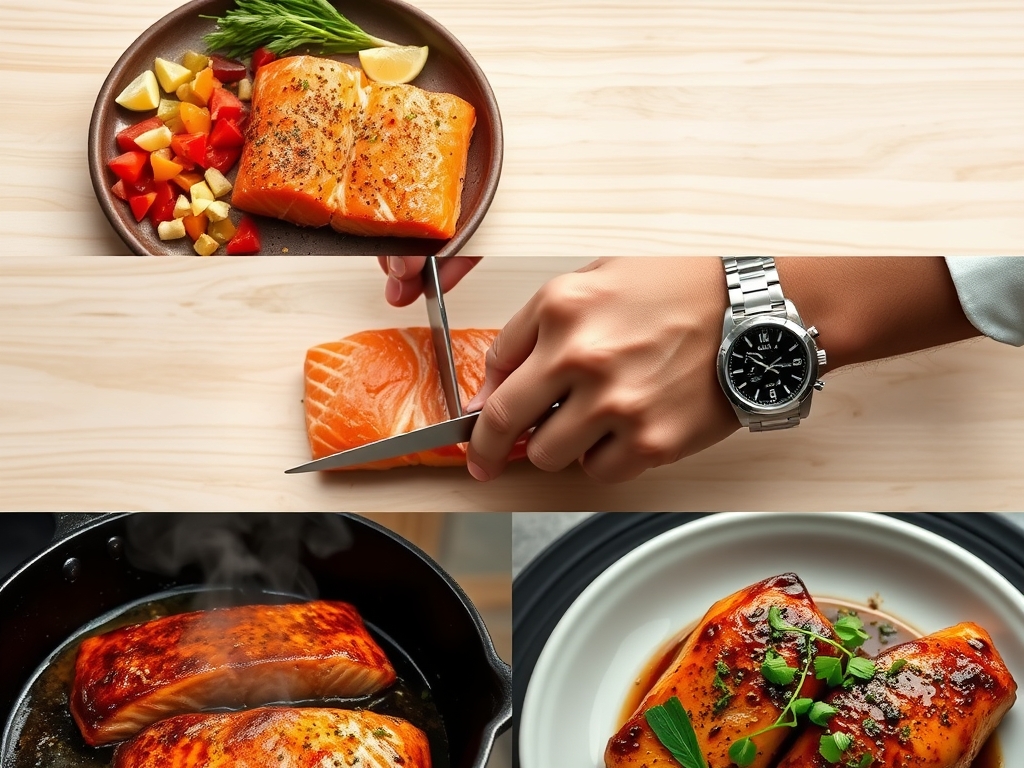
Pat the salmon bone-dry using heavy-duty paper towels. Moisture is the enemy of the Maillard reaction. If the surface is damp, the fish will steam rather than sear, resulting in a pale, rubbery texture. Use your fingers to feel for any stray pin bones and remove them with kitchen tweezers.
Pro Tip: This is about surface tension. Removing moisture allows the fats to render efficiently, creating a crisp exterior that protects the delicate interior.
2. The Acidic Infusion
Rub the flesh with a mixture of lemon zest, minced garlic, and olive oil. Avoid adding lemon juice at this stage; the acid will begin to "cook" the fish like a ceviche, denaturing the proteins before they even hit the oven. Save the juice for the final glaze.
Pro Tip: Garlic contains sulfur compounds that mellow and sweeten when roasted. By suspending them in oil, you prevent them from burning and becoming bitter in the high-heat environment.
3. The High-Heat Launch
Preheat your oven to 425 degrees Fahrenheit. Place the salmon skin-side down on a preheated sheet pan or in a heavy-bottomed skillet. The immediate contact with a hot surface initiates the crisping of the skin, which acts as a thermal insulator for the meat above.
Pro Tip: Using a preheated pan utilizes conductive heat. This ensures the bottom of the fish starts cooking at the same rate as the top, which is being hit by convective air.
4. The Glaze Application
Halfway through the bake, use a saucier to warm a mixture of honey and Dijon mustard. Brush this over the top of the fillet. The sugars will begin to caramelize, creating a glossy, umami-rich crust that locks in the remaining juices.
Pro Tip: This is called enzymatic browning. The sugars in the honey react with the amino acids in the fish to create hundreds of new flavor compounds.
5. The Internal Audit
Use a digital scale or, more importantly, an instant-read thermometer to check for doneness. Pull the salmon when it hits 125 degrees Fahrenheit for a perfect medium-rare. The temperature will continue to rise as it rests.
Pro Tip: This is thermal carryover. Even after removal from the heat, the residual energy in the outer layers moves toward the center. Ignoring this leads to dry fish.
6. The Rest and Finish
Transfer the salmon to a warm platter using wide tongs to avoid breaking the flakes. Let it rest for five minutes. Finish with a flourish of flaky sea salt and a squeeze of fresh lemon juice to brighten the fats.
Pro Tip: Resting allows the muscle fibers to relax and reabsorb the internal juices. If you cut it too soon, the moisture will leak out onto the plate.
The Deep Dive
From a macro perspective, salmon is a nutritional powerhouse. A 6-ounce serving delivers roughly 34 grams of high-quality protein and is loaded with Omega-3 fatty acids, which are essential for brain health. It is naturally low in carbohydrates, making it a staple for Keto and Paleo lifestyles.
Dietary Swaps: For a vegan "salmon" experience, use thick slabs of roasted cauliflower or marinated tofu, though the cooking times will vary. For a Gluten-Free crust, swap breadcrumbs for crushed macadamia nuts or almond flour to maintain that essential crunch.
The Fix-It:
- White Gunk (Albumin): This means the heat was too high. Lower your oven by 25 degrees next time and pull the fish sooner.
- Soggy Skin: You likely skipped the desiccation step or didn't preheat your pan. Ensure the skin is bone-dry.
- Uneven Cooking: If one end is thin and the other thick, tuck the thin tail underneath itself to create a uniform thickness.
Meal Prep Science: To reheat salmon without it smelling "fishy" or turning into cardboard, use the "Low and Slow" method. Place it in a 275-degree oven with a splash of water and cover with foil. This creates a gentle steam environment that rehydrates the protein.
The Wrap-Up
Mastering the best oven baked salmon recipes is a rite of passage for any serious home cook. It requires a balance of high-heat aggression and delicate timing. By understanding the physics of heat transfer and the chemistry of protein denaturation, you move from following a script to conducting a symphony. Go forth, grab your microplane, and turn that fillet into a masterpiece. Your kitchen is now a laboratory of flavor.
The Kitchen Table
How do I know when salmon is done without a thermometer?
Gently press the top of the fillet with a fork or your finger. If the flakes begin to separate along the white lines (the fat deposits), it is ready. The center should still look slightly translucent.
Why is my salmon skin sticking to the pan?
You likely tried to flip or move it too early. Protein bonds to the pan initially; as it cooks and the skin crisps, it will naturally release. Also, ensure your pan is sufficiently preheated before adding the fish.
Can I bake salmon from frozen?
It is possible but not recommended for the best texture. Frozen salmon releases excess moisture as it thaws in the oven, leading to steaming rather than roasting. For best results, thaw overnight in the refrigerator.
What is the best rack position for baking salmon?
Place your rack in the center of the oven. This allows for even air circulation around the pan. If you want a more charred, caramelized top, move it to the top rack for the final two minutes.
How long does cooked salmon stay fresh?
Store leftovers in an airtight container for up to three days. For the best quality, avoid freezing cooked salmon, as the ice crystals will damage the delicate flake structure upon thawing.