
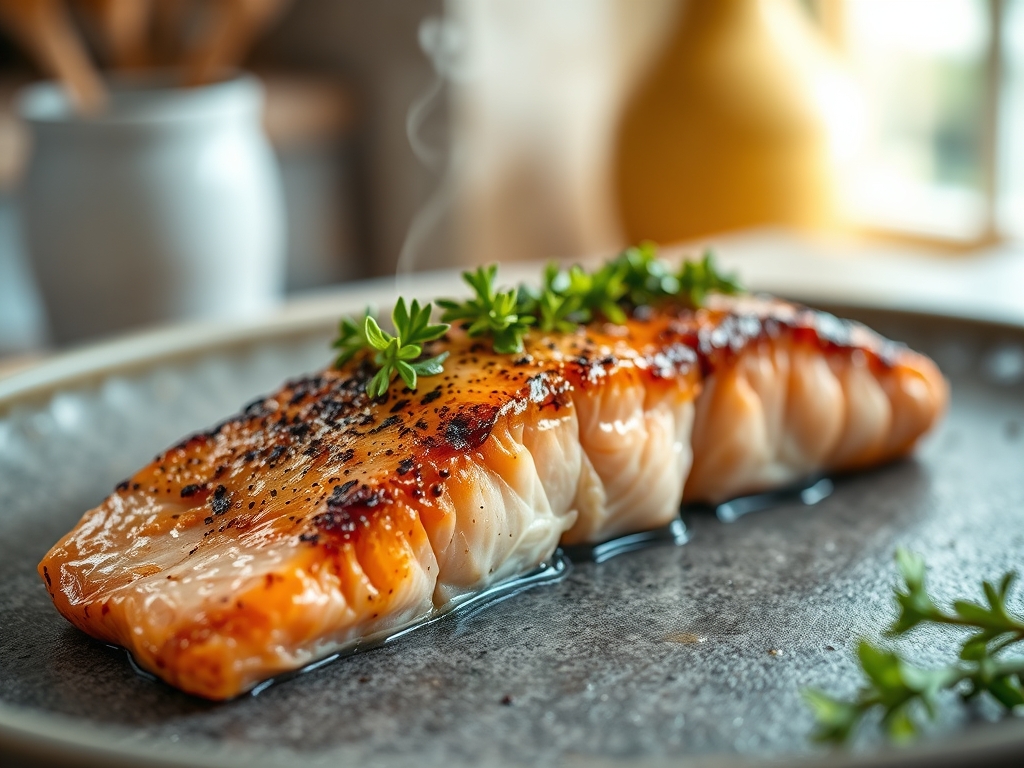
Imagine a heavy-bottomed skillet screaming at high heat while a cold, ruby-pink fillet hits the surface with a violent sizzle. That sound is the overture to the perfect dinner. When you are hunting for salmon recipes gluten free, you are not just looking for a meal; you are looking for that elusive intersection of buttery fat and crisp, salty skin. Salmon is the ultimate canvas for gluten-free cooking because its natural lipids provide all the richness you usually lose when you strip away flour-based sauces. We are talking about a fish that is so structurally sound it can handle the aggressive heat of a cast iron sear or the gentle, humid embrace of a parchment steam. Whether you are hosting a dinner party or just trying to survive a Tuesday night, mastering these eight variations will turn your kitchen into a high-end bistro. The goal is simple: zero gluten, maximum flavor, and a texture so succulent it flakes at the mere suggestion of a fork. Let us get into the chemistry of the perfect sear.
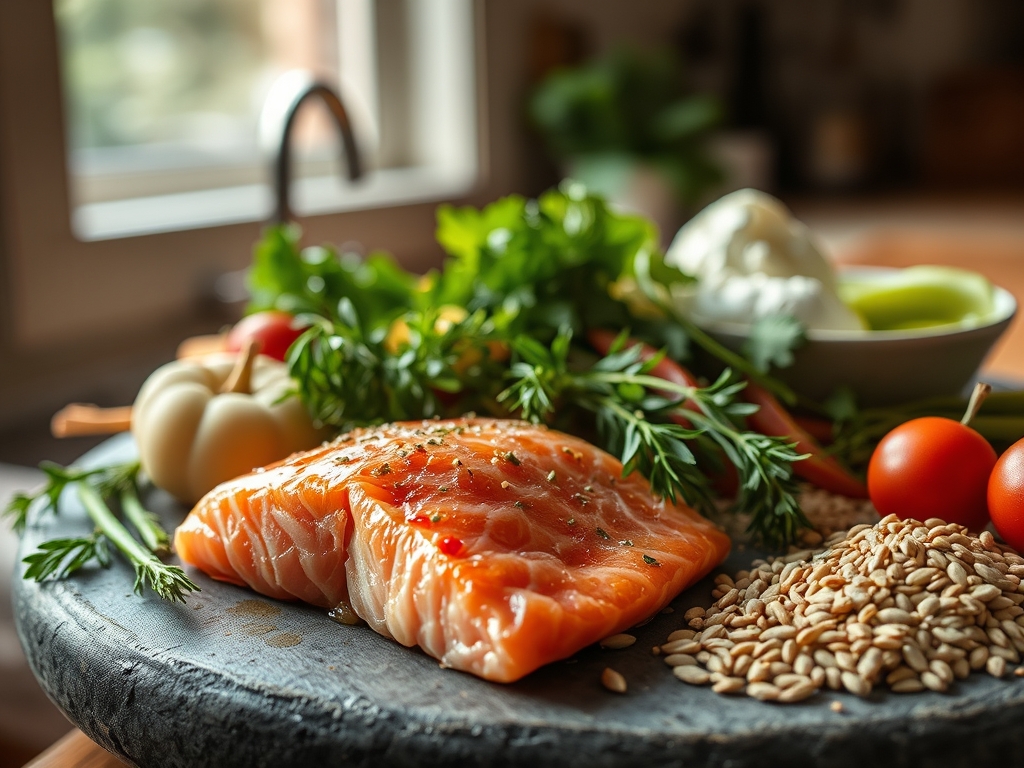
The Gathers:
Setting up your mise-en-place is more than just organization; it is about controlling the variables of heat and moisture. For these salmon recipes gluten free, your ingredient list starts with the quality of the protein. Look for fillets with high intermuscular fat, which appears as white striations. You will need a high-smoke-point oil like avocado or grapeseed to facilitate the Maillard reaction without scorching.
Your aromatics should be prepped and ready: fresh dill, flat-leaf parsley, and garlic cloves that have been smashed to release their volatile oils. For the acids, keep lemons and limes at room temperature to maximize juice yield. Instead of traditional soy sauce, reach for liquid aminos or tamari to maintain that deep umami profile without the wheat. If you are making a crust, swap breadcrumbs for crushed macadamia nuts or toasted quinoa for a piquant crunch. Use a microplane to zest your citrus directly over the fish to capture the essential oils before they evaporate. Finally, ensure your salt is coarse; kosher salt or Maldon flakes provide a structural crunch that fine table salt cannot replicate.
The Clock: 15 Minutes to Glory
Efficiency in the kitchen is all about "Chef's Flow." This is the psychological state where your movements are synchronized with the thermal properties of your cookware. For these recipes, the active prep time is a mere 10 minutes. This involves the "pat-dry" phase; moisture is the enemy of a sear. If the skin is wet, the energy of the pan goes into evaporating water rather than browning the protein.
The cooking phase is equally swift, usually taking 12 to 15 minutes depending on the thickness of the cut. The flow looks like this: Prep your sides first, as salmon waits for no one. Once your greens are steaming or your cauliflower rice is sautéing, you move to the fish. The goal is to time the "rest" of the salmon so it coincides with the plating of your vegetables. This ensures the internal temperature stabilizes while you are adding the finishing garnishes.
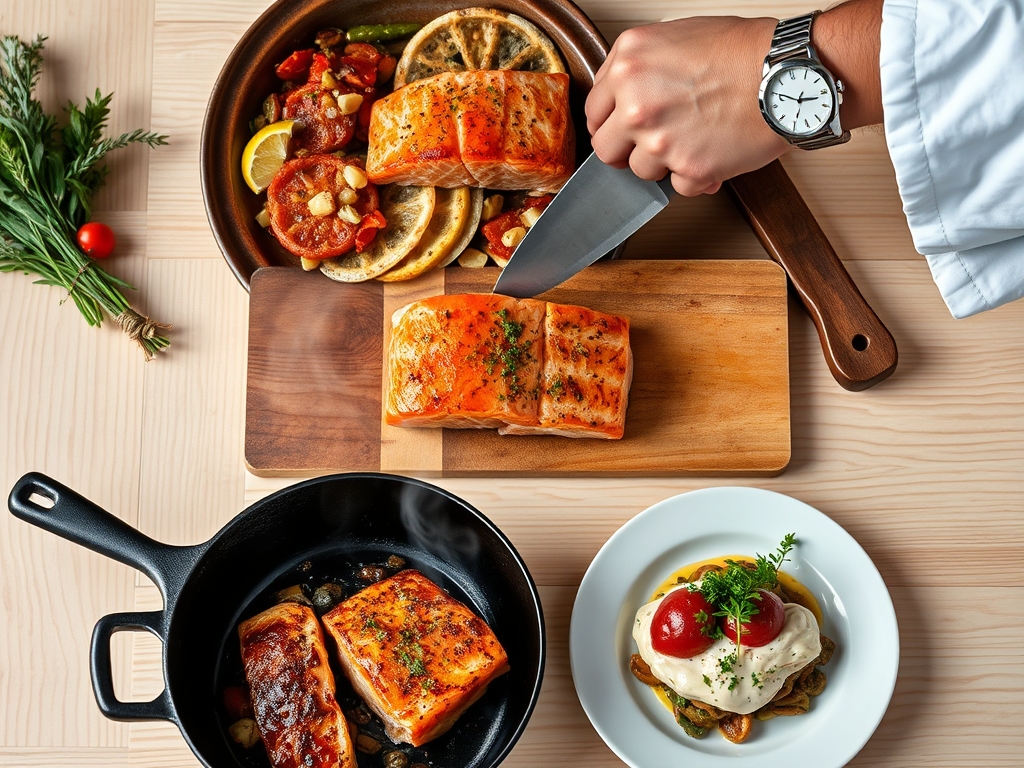
The Masterclass
1. The Dry Brine and Prep
Before the heat even touches the pan, you must season the fillets aggressively with kosher salt. This draws out surface moisture and seasons the flesh deeply. Use a bench scraper to move your aromatics to the side, keeping your workspace clear of debris.
Pro Tip: This process is called osmotic dehydration. By pulling moisture to the surface and then wiping it away, you ensure the skin becomes brittle and crisp rather than rubbery.
2. The Cold-Start Sear
Place your salmon skin-side down in a cold, heavy-bottomed skillet before turning the heat to medium-high. This allows the fat to render slowly as the pan warms up, preventing the skin from shrinking too rapidly and curling.
Pro Tip: Gradual heat prevents the protein fibers from "clamping" down and squeezing out the internal juices. This results in a much more tender texture.
3. The Butter Baste and Infusion
Once you flip the fish, drop a knob of grass-fed butter and a sprig of rosemary into the pan. Use a large spoon to continuously pour the foaming butter over the cooked side. This is where you infuse the fish with deep, nutty notes.
Pro Tip: This is a form of convection cooking. The hot fat carries flavor into the nooks and crannies of the flaked meat, creating a viscous, luxurious mouthfeel.
4. The Deglaze and Pan Sauce
Remove the fish and immediately hit the pan with a splash of white wine or vegetable stock. Use a wooden spoon to scrape up the fond, those browned bits of protein stuck to the bottom. This is the base for your gluten-free sauce.
Pro Tip: Deglazing captures the concentrated flavor created by the Maillard reaction. Whisk in a teaspoon of Dijon mustard to emulsify the sauce without needing flour.
5. The Thermal Rest
Transfer the salmon to a warm plate and let it sit for at least three minutes. Do not tent it with foil, as the trapped steam will soften the skin you worked so hard to crisp.
Pro Tip: Carryover cooking will raise the internal temperature by about 5 degrees. Pulling the fish at 125 degrees Fahrenheit ensures it reaches a perfect medium-rare of 130 degrees on the plate.
The Deep Dive
When we look at the macro nutrition of salmon recipes gluten free, we are looking at a powerhouse of Omega-3 fatty acids and high-quality protein. A standard 6-ounce fillet provides roughly 34 grams of protein and 20 grams of healthy fats. For those on a Keto diet, this is the gold standard. If you are looking for a vegan alternative, the same techniques apply to thick-cut cauliflower steaks or marinated tofu, though the fat rendering will differ.
The Fix-It: Technical Troubleshooting
- The Skin is Sticking: You likely tried to flip it too early. Protein "releases" from the pan naturally once the crust has formed. Be patient.
- White Gunk Appearing: This is albumin, a protein that leaches out when salmon is cooked too fast or too high. Lower your heat to keep it contained.
- Dry Interior: You missed the carryover window. Use a digital thermometer to pull the fish earlier next time.
Meal Prep Science: To reheat salmon without it becoming "fishy" or dry, avoid the microwave. Instead, use a low-heat oven (275 degrees) with a splash of water in the pan to create a gentle steam. This rehydrates the protein fibers without overcooking the core.
The Wrap-Up
Mastering salmon recipes gluten free is your ticket to becoming the most confident cook in your friend group. It is about understanding the physics of the pan and the chemistry of the ingredients. When you stop fearing the heat and start embracing the sear, the results are transformative. You have the tools, the science, and the flavors; now, go get that skillet hot and make something incredible. Your kitchen is your laboratory, and tonight, the experiment is going to be delicious.
The Kitchen Table
Can I use frozen salmon for these recipes?
Yes, but you must thaw it completely in the refrigerator and pat it extremely dry. Frozen salmon often contains extra moisture, which can prevent the skin from crisping. Always use a digital scale to ensure even cooking portions.
What is the best way to prevent fish from smelling?
Freshness is key, but soaking fillets in milk for 20 minutes can neutralize trimethylamine, the compound responsible for that "fishy" odor. Rinse and dry thoroughly before cooking to ensure the Maillard reaction still occurs properly.
Is skin-on salmon better for gluten-free cooking?
Absolutely. The skin acts as a thermal barrier, protecting the delicate flesh from direct heat. It also provides a structural crunch that replaces the texture of breading or flour-based coatings found in traditional recipes.
What can I use instead of soy sauce?
Tamari is the most common gluten-free substitute, as it is made purely from fermented soybeans. Coconut aminos are another excellent option; they offer a slightly sweeter profile and lower sodium content while maintaining deep umami.