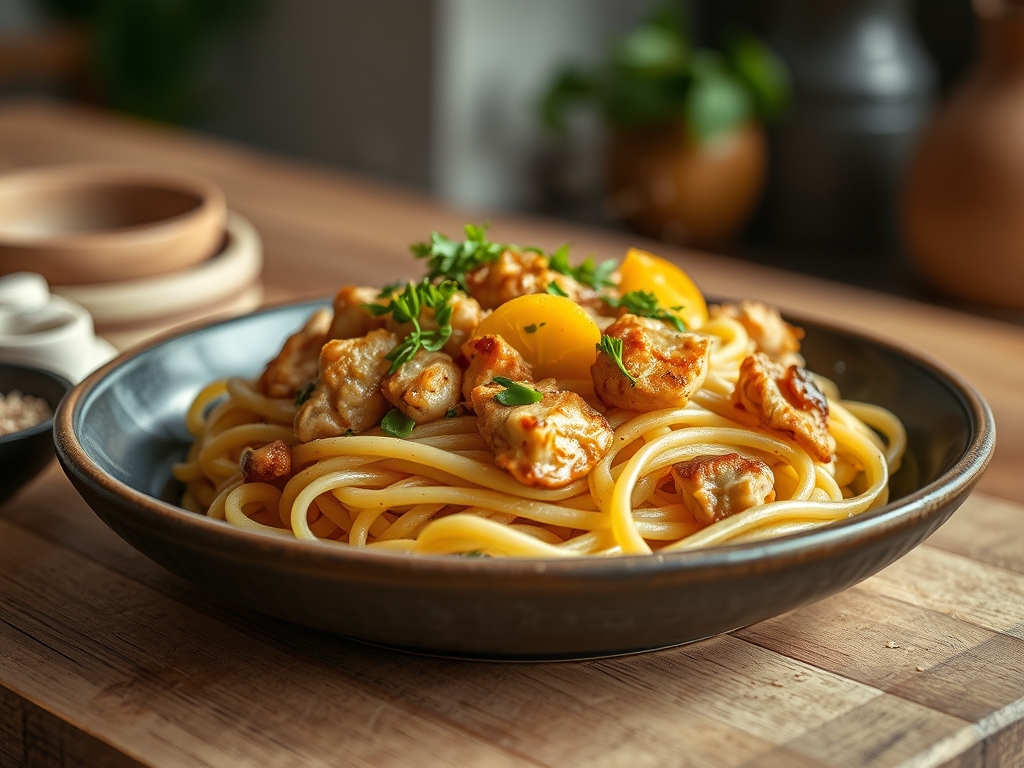
The first wisps of steam rising from a pot of chicken recipes egg noodles carry the unmistakable perfume of roasted thighs meeting buttered ribbons of pasta, a combination that has anchored weeknight dinners and Sunday suppers across continents for generations. The marriage of tender poultry and pliable egg noodles creates a textural dialogue: chewy resistance meeting fork-tender protein, all bound by a sauce or broth that clings to every ridge. This collection of six foundational techniques transforms basic pantry staples into dishes that deliver soul-warming satisfaction without requiring a culinary degree. Each variation spotlights a different preparation method, from quick skillet tosses to slow-simmered braises, proving that chicken recipes egg noodles adapt to any schedule, any season, and any skill level.
What makes these dishes universally appealing is their structural simplicity. Protein, starch, and fat form the holy trinity, with aromatics and liquid creating depth. The egg noodles themselves bring more than bulk: their high egg content (typically 5-6 eggs per pound of flour) yields superior browning when pan-fried and enhanced sauce adhesion thanks to a rough, porous surface. Chicken thighs outperform breasts here, offering double the intramuscular fat and collagen that breaks down into gelatin, enriching every spoonful. Together, they create a canvas for bold spices, bright herbs, or creamy reductions.
The Gathers
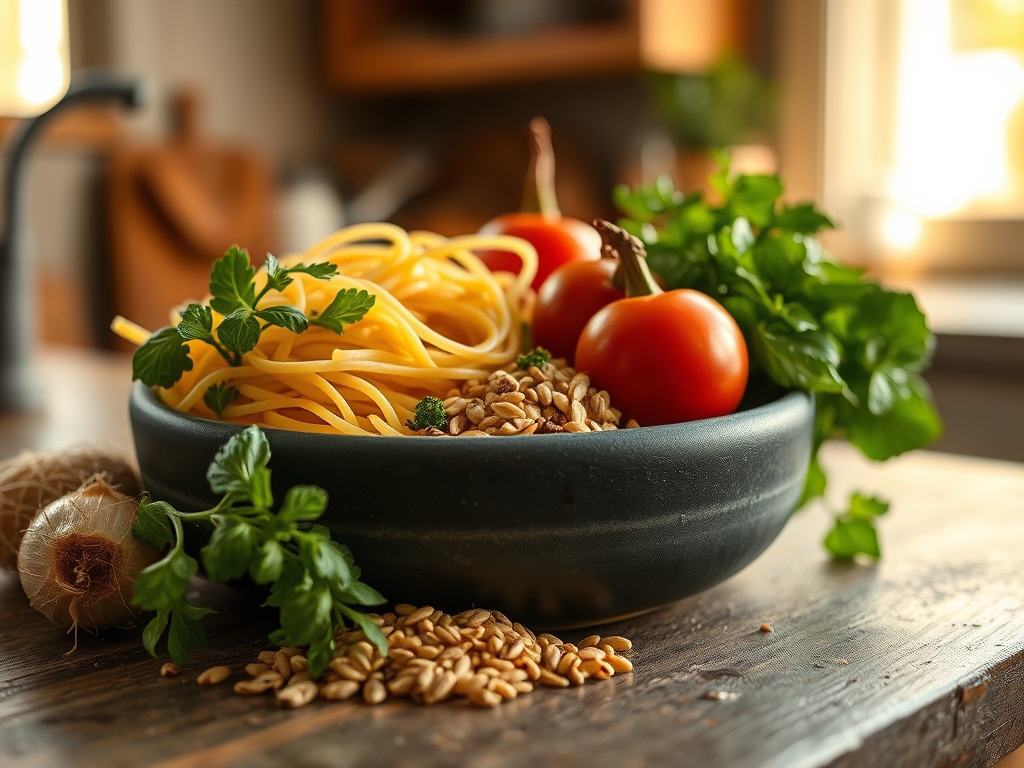
As you see in the ingredient spread below, the foundation begins with 1.5 pounds boneless, skinless chicken thighs, their marbled fat visible in creamy white streaks against deep pink muscle. Select thighs with consistent thickness to ensure even cooking; a variance of more than half an inch will result in rubbery edges or undercooked centers. Next to them sit 12 ounces wide egg noodles, their pale yellow hue indicating proper egg ratio (anything too white suggests commercial shortcuts). The supporting cast includes two tablespoons unsalted butter (European-style, 82% fat minimum for richer mouthfeel), one large yellow onion (the sulfur compounds will mellow into sweetness), four cloves garlic (smashed but not minced, to prevent scorching), and two cups low-sodium chicken stock (homemade or store-bought, but check for gelatin content by refrigerating; it should wobble).
Aromatics matter: fresh thyme sprigs (four to six, with woody stems that withstand long cooking), one bay leaf (Turkish, not California, for subtler bitterness), and half a cup frozen peas (added at the end to retain their pop). Seasoning requires kosher salt (Diamond Crystal, which is half as dense as Morton's), freshly cracked black pepper, and a pinch of nutmeg (the secret weapon that amplifies savory notes without revealing itself).
Smart Substitutions: Swap thighs for bone-in drumsticks (add 10 minutes to cook time). Use fettuccine or tagliatelle if egg noodles are unavailable, though cooking time may shift by two minutes. Replace butter with ghee for lactose-free richness, or use olive oil at the cost of some silkiness. Vegetable stock works, but add a tablespoon of white miso to restore umami depth.
The Clock
Prep Time: 15 minutes (trimming thighs, dicing onion, smashing garlic, measuring liquids)
Cook Time: 35 minutes (searing protein, building fond, simmering noodles)
Total Time: 50 minutes (includes resting period for carryover cooking)
Chef's Flow: While the salted pasta water comes to a boil (covered pot, 212°F at sea level), sear the seasoned chicken in a preheated skillet. This parallel tasking shaves eight minutes off linear execution. As thighs rest post-sear, build your aromatic base in the same pan, capturing fond (those caramelized brown bits) with deglazing liquid. When noodles hit al dente (one minute shy of package directions), reserve one cup of starchy pasta water before draining. That cloudy liquid contains dissolved starch and emulsifies fats into a cohesive sauce, eliminating the need for flour-based thickeners.
The Masterclass
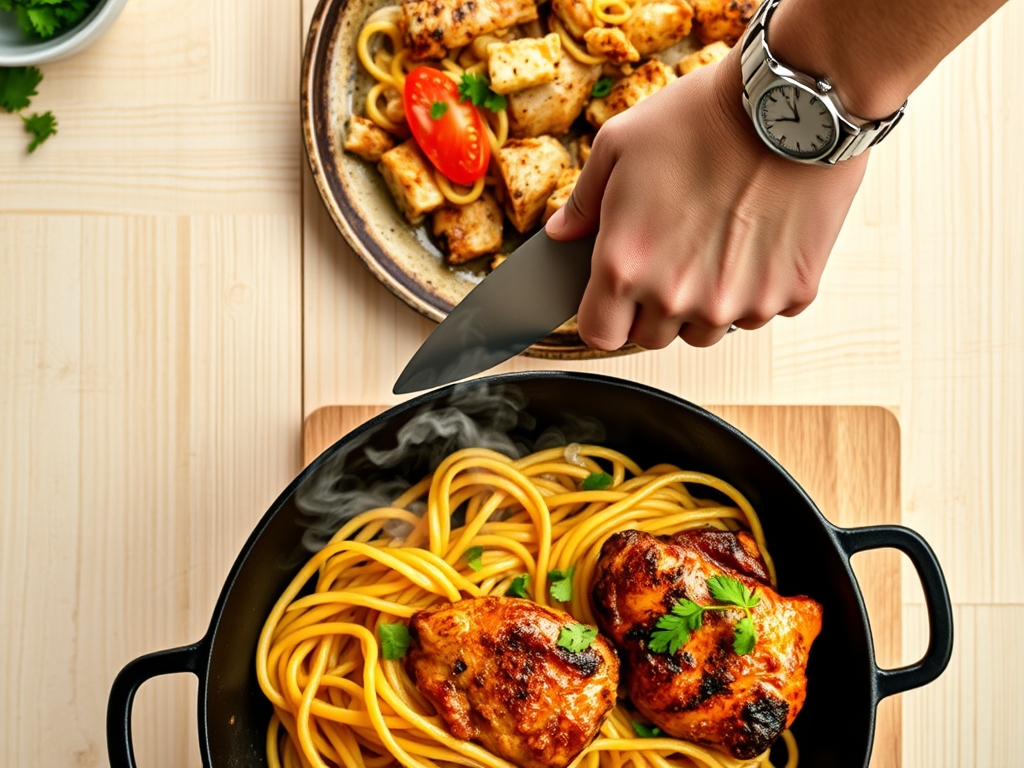
Step 1: Season and Sear the Chicken
Pat thighs completely dry with paper towels (moisture is the enemy of the Maillard reaction). Season both sides with kosher salt (one teaspoon total) and black pepper. Heat a 12-inch stainless steel skillet over medium-high until a drop of water skitters across the surface, then add one tablespoon butter. Once foaming subsides (indicating water has evaporated), lay thighs presentation-side down. Do not move them for four minutes. The proteins need uninterrupted contact to form a golden crust at 310°F, the threshold where amino acids and reducing sugars create hundreds of flavor compounds.
Chef's Secret: The skillet will smoke slightly, this is correct. Stainless steel, not nonstick, allows fond development. Flip only when the meat releases easily; forcing it tears the crust.
Step 2: Remove and Rest
Transfer seared thighs to a plate (internal temp should read 150°F). They will coast to 165°F via carryover cooking while you build the sauce. Pour off all but one tablespoon of rendered fat.
Why It Works: Resting redistributes juices. Cutting immediately causes moisture loss, turning tender meat dry and fibrous.
Step 3: Build the Aromatic Base
Reduce heat to medium. Add diced onion to the reserved fat, stirring occasionally until edges turn translucent (five minutes). The goal is softening, not caramelization. Add smashed garlic, thyme, and bay leaf. Cook for 60 seconds until fragrant but not colored.
Chef's Secret: Garlic burns at 330°F, turning acrid. By adding it after onions have released moisture, you create a buffer that keeps temperatures in the safe zone (290-310°F).
Step 4: Deglaze and Simmer
Pour in chicken stock, scraping the pan bottom vigorously with a wooden spoon. Note the texture shown in the step-by-step photos: those brown bits dissolve into the liquid, darkening it from pale gold to amber. Bring to a simmer (180-190°F, small bubbles breaking the surface). Slice rested chicken into one-inch strips and return to the pan along with any accumulated juices. Nestle pieces into the liquid but don't submerge completely; you want gentle braising, not boiling.
Why It Works: Simmering (not boiling) breaks down collagen into gelatin without toughening muscle fibers. Boiling (212°F) causes proteins to contract violently, expelling moisture.
Step 5: Cook the Noodles and Combine
In a separate pot, boil salted water (two tablespoons kosher salt per four quarts). Add egg noodles and cook for one minute less than package instructions (typically six minutes for al dente). Drain, reserving one cup pasta water. Add noodles directly to the chicken pan. Toss gently, adding pasta water two tablespoons at a time until a glossy, cohesive sauce forms. Stir in remaining butter off heat, followed by frozen peas.
Chef's Secret: The starch in pasta water acts as an emulsifier, binding fat and water into a stable sauce. Adding butter off heat (below 160°F) prevents it from breaking into greasy pools.
Step 6: Finish and Adjust
Taste for salt (pasta water salinity varies). Add a pinch of nutmeg and a crack of fresh pepper. Remove thyme stems and bay leaf before serving.
Why It Works: Nutmeg contains myristicin, a compound that enhances savory perception without adding sweetness or heat. A tiny amount (1/16 teaspoon) amplifies chicken's natural flavors.
Nutritional Info
Per serving (based on six servings): 385 calories, 22g protein, 38g carbohydrates (4g fiber, 3g sugar), 14g fat (6g saturated), 720mg sodium, 95mg cholesterol. The egg noodles contribute complex carbs, while chicken thighs deliver B vitamins (niacin, B6) and selenium. Butter adds fat-soluble vitamins A and D.
Macro Breakdown: 23% protein, 39% carbs, 33% fat. For athletic recovery, this ratio supports glycogen replenishment while providing amino acids for muscle repair.
Dietary Swaps
Gluten-Free: Replace egg noodles with rice noodles (pad Thai width). Rinse after cooking to remove excess starch, then toss with one teaspoon sesame oil to prevent clumping. Add to the pan during the final minute to warm through.
Keto: Substitute noodles with spiralized zucchini (cook separately, salt and drain for 10 minutes to remove moisture). Double the butter and add two tablespoons heavy cream to increase fat content. Final macros: 8g net carbs per serving.
Vegan: Swap chicken for king oyster mushrooms (slice lengthwise, score, and sear cut-side down for five minutes). Use vegetable stock and nutritional yeast (two tablespoons) for umami. Replace butter with cashew cream (soaked cashews blended with water to a thick consistency).
Serving & Presentation
Rustic Family Style: Serve directly from the skillet, family-style. Garnish with chopped parsley and grated Parmesan. The visual of chicken nestled in noodles invites communal serving.
Elevated Plating: Twirl noodles into a nest using tongs, center on a shallow bowl. Arrange three chicken slices fanned across the top. Drizzle sauce around the perimeter and finish with microgreens and a dusting of smoked paprika.
Soup Presentation: Increase stock to four cups for a brothier result. Ladle into deep bowls, ensuring each serving gets equal chicken and noodles. Top with a soft-boiled egg (six-minute), halved to reveal jammy yolk.
The Pro-Dodge
Pitfall 1: Gummy, Clumped Noodles
Fix: Always use abundant water (one gallon per pound of pasta) and stir within the first two minutes. The initial starch release causes sticking; agitation prevents it.
Pitfall 2: Dry, Stringy Chicken
Fix: Check temperature with an instant-read thermometer. Pull thighs at 160°F; they will reach 165°F during rest. Overcooking by even five degrees transforms juicy meat into sawdust.
Pitfall 3: Greasy, Separated Sauce
Fix: Add butter off heat and swirl the pan gently rather than stirring vigorously. Vigorous action breaks the emulsion. If it splits, add one tablespoon cold water and swirl again to re-emulsify.
The Meal Prep Corner
Storage: Cool completely before transferring to airtight containers. Refrigerate for up to four days. The noodles will absorb liquid; expect a thicker consistency.
Reheating: Add two tablespoons chicken stock or water to a skillet over medium heat. Add leftovers, cover, and warm for five minutes, stirring occasionally. Avoid microwaving, which creates hot spots and rubbery noodles.
Day-One Quality Trick: Store noodles and chicken separately if possible. Reheat chicken in the sauce, then toss with freshly boiled noodles. This preserves the original texture and prevents mushiness.
The Wrap-Up
These six frameworks for chicken recipes egg noodles prove that comfort food doesn't require shortcuts or apologies. By understanding the science behind searing, emulsification, and carryover cooking, you control texture and flavor with precision. Whether you crave the quick skillet toss or the slow-braised depth, the foundational techniques remain constant: build fond, deglaze thoughtfully, and finish with starchy pasta water. Master these principles, and you can riff endlessly, adding mushrooms, greens, or global spice blends while maintaining structural integrity. Share your favorite variation in the comments below, tag your plated masterpiece on social media, and let's keep the conversation going. Great cooking is built on shared knowledge, one perfectly twirled forkful at a time.
The Kitchen Table
Q: Can I use chicken breasts instead of thighs?
A: Yes, but reduce cook time by three minutes and monitor closely. Breasts lack the fat and collagen of thighs, so they dry out faster. Brine them first (one tablespoon salt per cup water, 30 minutes) to improve moisture retention.
Q: Why do my egg noodles turn mushy when reheated?
A: Noodles continue absorbing liquid in storage. Combat this by undercooking them by two minutes initially, or store noodles and sauce separately. Reheat with added stock to restore the original consistency.
Q: Can I make this dish ahead for a dinner party?
A: Sear chicken and build the sauce base up to two days ahead. Refrigerate separately. Thirty minutes before serving, bring the sauce to a simmer, add sliced chicken, and cook noodles fresh. This ensures optimal texture.
Q: What's the best way to add vegetables without making it watery?
A: Roast or saute vegetables separately (broccoli, bell peppers, spinach) and fold them in during the final two minutes. Adding raw vegetables directly to the sauce releases moisture, diluting flavor and breaking emulsions.
Q: How do I scale this recipe for a crowd?
A: Double all ingredients except salt (increase by 1.5x and taste). Use a 14-inch skillet or divide between two pans. Sear chicken in batches to avoid overcrowding, which steams rather than browns. Finish everything in a large roasting pan if your stovetop skillet won't accommodate doubled portions.