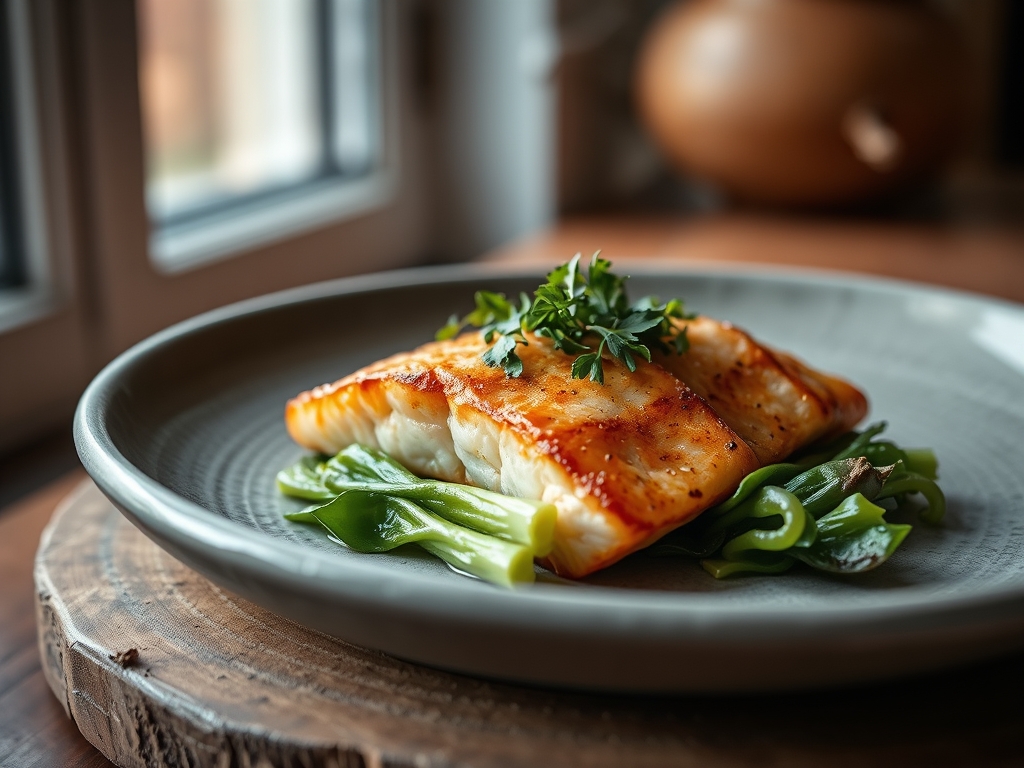
Imagine the sound of a cold, heavy-bottomed skillet meeting a high-flame burner; the metal expands almost imperceptibly as it prepares for the sear. This is where the magic of bok choy and salmon recipes begins. You are looking for that perfect intersection of omega-3 fatty acids and the peppery, mineral crunch of brassica vegetables. When the pink flesh of the fish hits the shimmering oil, the Maillard reaction transforms amino acids into a savory crust that smells like a five-star bistro. Meanwhile, the bok choy waits to be wilted into a bright, verdant side that cuts through the rich lipids of the salmon. This is not just a meal; it is a masterclass in texture and temperature. We are moving beyond basic steaming to embrace high-heat caramelization and delicate infusions. Whether you are a seasoned home cook or a weekend warrior, mastering these bok choy and salmon recipes will revolutionize your weeknight rotation. Let us get into the grit of the chemistry and the glory of the plate.
The Gathers:
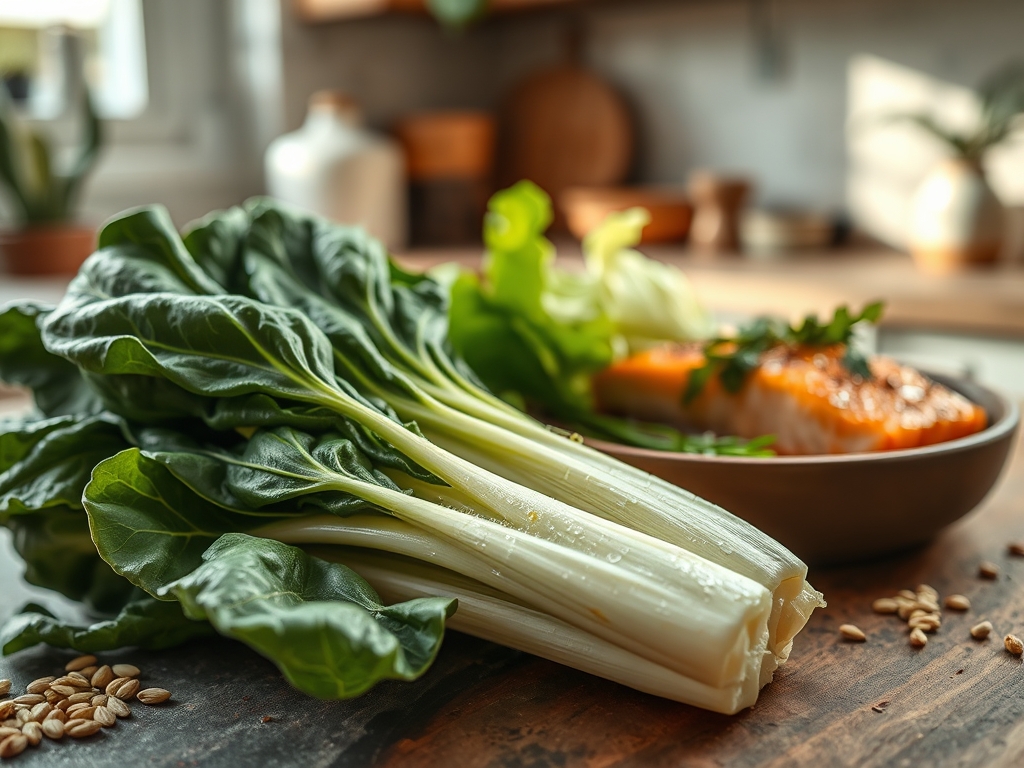
Your mise-en-place is the foundation of culinary success. Start with center-cut Atlantic or King salmon fillets; their higher fat content ensures a more viscous mouthfeel and prevents drying during the sear. You will need baby bok choy, specifically chosen for its high water-to-fiber ratio which allows for a rapid wilt without becoming stringy. For the aromatics, gather fresh ginger and garlic. Use a microplane to grate these into a fine paste; this increases the surface area for maximum flavor extraction.
The liquid components are equally vital. You will need a high-quality tamari or soy sauce for umami, toasted sesame oil for a nutty finish, and rice vinegar to provide a piquant acidity that balances the fat. If you are looking for smart substitutions, swap the soy sauce for coconut aminos if you are avoiding soy; the flavor profile remains remarkably similar. Instead of salmon, a firm white fish like barramundi works, though you will lose the specific omega-3 profile. For the greens, tatsoi or Swiss chard can stand in for bok choy, but they require slightly different cook times due to their thinner stalks.
The Clock
Efficiency in the kitchen is about the Chef's Flow. This entire process takes approximately 25 minutes from the first chop to the final garnish. Expect 10 minutes for preparation; this includes washing the grit from the bok choy ribs and patting the salmon bone-dry with paper towels. The cooking phase takes 12 to 15 minutes. The flow is critical: you sear the protein first to allow for thermal carryover, then use the same skillet to deglaze and cook the vegetables. This ensures that no flavor is lost to the sink.
The Masterclass
1. The Surface Prep
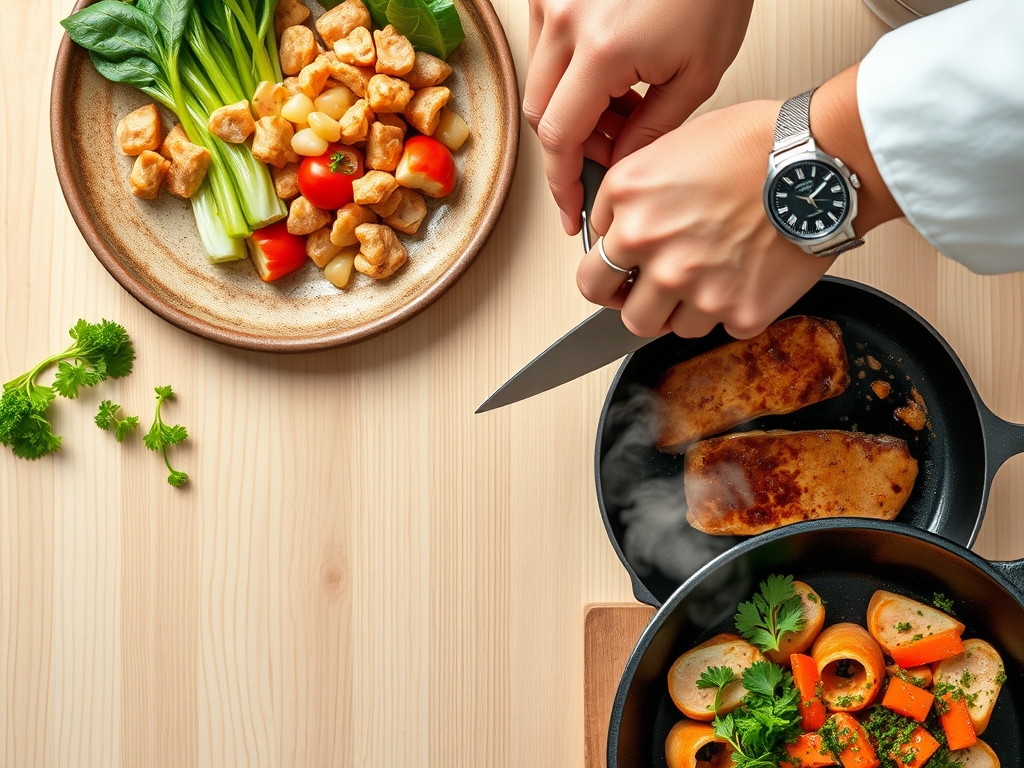
Before the fish ever touches the pan, it must be dry. Use a bench scraper to move your chopped aromatics to the side, then focus on the skin. Moisture is the enemy of a crisp sear; it creates steam which prevents the temperature from rising high enough for browning.
Pro Tip: This is about evaporative cooling. If the surface of the fish is wet, the energy of the pan goes into boiling the water rather than searing the proteins. Dry skin equals a glass-like crunch.
2. The Sear and Render
Heat your skillet until the oil shimmers but does not smoke. Place the salmon skin-side down and use tongs to press it firmly against the surface for 30 seconds. This prevents the skin from curling as the proteins denature and contract.
Pro Tip: This step utilizes conduction. By applying physical pressure, you ensure even heat distribution across the skin, leading to a uniform render of the subcutaneous fat layer.
3. The Aromatics Infusion
Once the salmon is flipped and nearly finished, move it to a warm plate. Lower the heat slightly and toss in your ginger and garlic. You want to infuse the oil with these flavors without burning the delicate sugars in the garlic.
Pro Tip: This prevents enzymatic browning from turning into bitter carbonization. Garlic contains high levels of sulfur compounds that become acrid if scorched; low and slow is the secret here.
4. The Deglaze and Wilt
Add the bok choy to the pan along with your liquid mixture. Use a wooden spoon to deglaze the bottom of the skillet, scraping up the browned bits of fish and aromatics. Cover the pan for 60 seconds to allow the steam to soften the stalks.
Pro Tip: This is steam-convection at work. The liquid hits the hot pan and turns into a gas, surrounding the bok choy and cooking it from all angles simultaneously while the stalks absorb the concentrated pan juices.
The Deep Dive
From a macro perspective, this dish is a powerhouse. You are looking at roughly 35 grams of protein and 22 grams of healthy fats per serving, with minimal net carbs. For a Vegan version, swap the salmon for extra-firm tofu pressed for 30 minutes. For Keto enthusiasts, this recipe is already gold; just ensure your rice vinegar has no added sugar. Gluten-Free diners should stick to tamari or liquid aminos.
The Fix-It
If your salmon skin sticks, do not panic. It usually means the proteins haven't finished bonding and releasing; wait another 30 seconds and try again. If your sauce is too thin, a tiny slurry of cornstarch and water will make it more viscous. If the bok choy is too bitter, a pinch of sugar or a squeeze of lime will neutralize the alkaloids.
Meal Prep
To reheat this for day-one quality, avoid the microwave. Use a saucier or small pan with a splash of water over medium heat. This re-introduces moisture to the greens without turning the salmon into a rubbery puck. The goal is to gently bring the internal temperature to 125 degrees Fahrenheit.
The Wrap-Up
Mastering bok choy and salmon recipes is like learning a secret handshake in the culinary world. It proves you understand how to balance heavy fats with bright, alkaline greens. You have used your digital scale for precision, your tongs for control, and your knowledge of chemistry to create a meal that is as nutritious as it is delicious. Now, plate it up, garnish with a flurry of toasted sesame seeds, and enjoy the fruits of your labor.
The Kitchen Table
How do I keep the salmon skin crispy?
Ensure the skin is bone-dry before cooking. Use a high-smoke point oil and press the fish down with a spatula for the first thirty seconds to ensure maximum surface contact and even heat distribution for a perfect sear.
Can I use frozen bok choy?
Frozen bok choy is generally not recommended for stir-frying as the cell walls break during freezing. This results in a mushy texture. Stick to fresh baby bok choy for that essential crisp-tender snap in your skillet recipes.
What is the best way to wash bok choy?
Slice the bok choy in half lengthwise first. Submerge the halves in a bowl of cold water and agitate them to dislodge any sand or grit trapped between the ribs. Pat them completely dry before they hit the hot oil.
How do I know when the salmon is done?
Use a digital thermometer to check for an internal temperature of 125 to 130 degrees Fahrenheit for medium-rare. The flesh should be opaque and flake easily when pressed gently with a fork or a pair of tongs.