
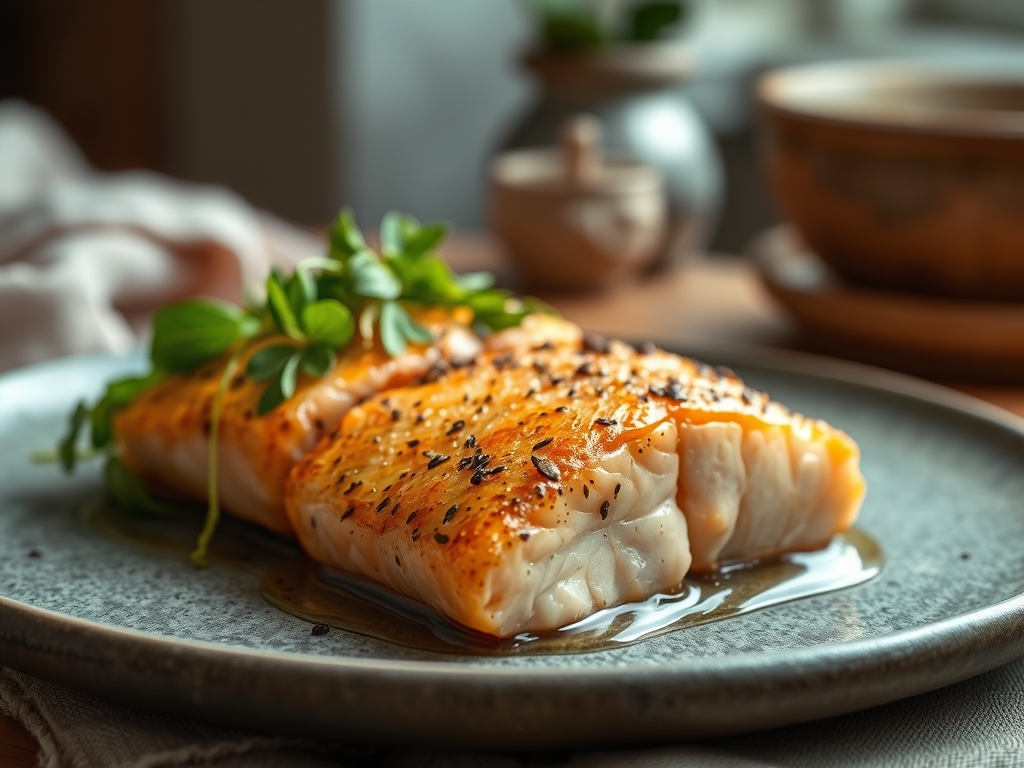
Imagine the sizzle of a heavy-bottomed skillet meeting cold fat as the aroma of caramelized zest fills your kitchen. We are not just making dinner; we are engineering a masterpiece of acidity and omega-3s. Finding the perfect citrus salmon recipes is about more than just squeezing a lemon over a fillet. It is about the chemistry of brightness and the way citric acid breaks down proteins to create a melt-in-your-mouth texture.
When you master the balance of a viscous citrus glaze against the rich, fatty profile of Atlantic or King salmon, you unlock a restaurant-quality experience at home. This is where high-heat searing meets the piquant punch of grapefruit, lime, and blood orange. We are diving deep into the molecular magic that happens when fruit sugars meet high heat. Get your microplane ready because we are about to elevate your weeknight rotation into a gourmet event that looks as vibrant as it tastes.
The Gathers:
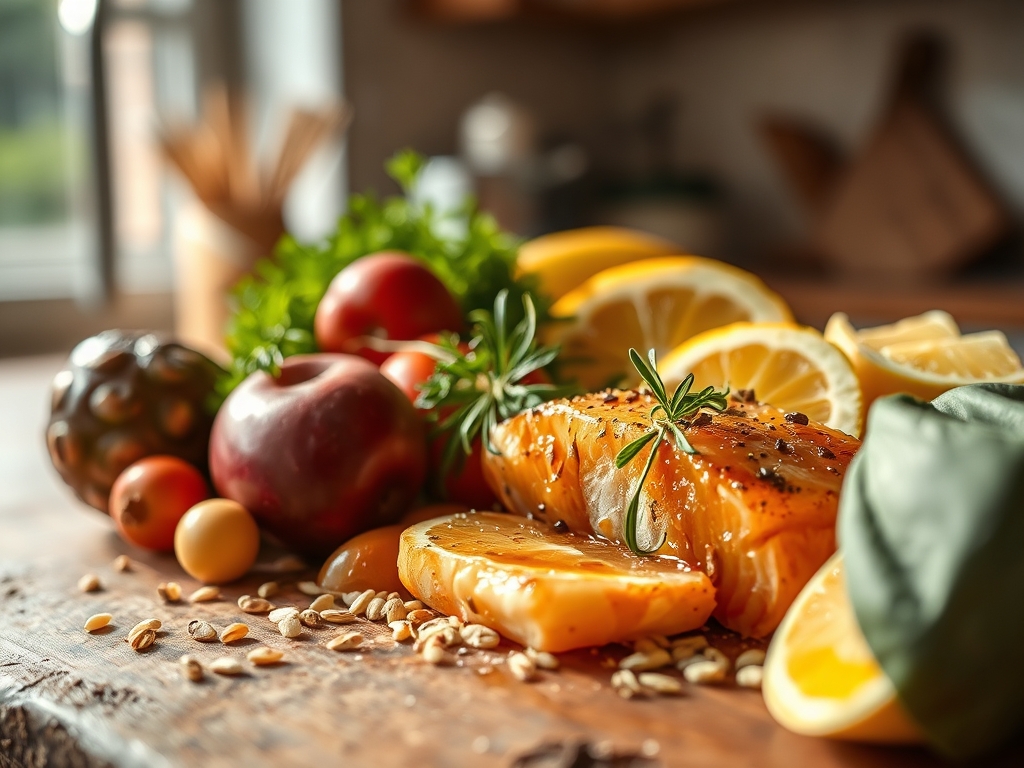
Before we ignite the burner, we must assemble our laboratory of flavors. Start with center-cut salmon fillets, ideally one inch thick for even heat distribution. You will need a citrus trifecta: Meyer lemons for their floral sweetness, limes for sharp acidity, and a ruby red grapefruit to provide a sophisticated, slightly bitter finish. The zest is where the essential oils live; these volatile compounds provide the fragrance that juice alone cannot replicate.
Your pantry staples should include a high-smoke-point oil like avocado oil and a source of salinity like flaky sea salt or tamari. To round out the glaze, grab raw honey or agave nectar. The sugars in these syrups are vital for the Maillard reaction, ensuring your salmon develops a golden-brown crust. For aromatics, gather fresh thyme and a knob of ginger to add heat without overwhelming the delicate fish.
Smart Substitutions: If you cannot find Meyer lemons, use a 2:1 ratio of regular lemon juice and tangerine juice to mimic that specific sweetness. For a keto-friendly version, swap the honey for a monk fruit syrup or simply omit the sweetener and rely on the natural fructose in the citrus. If you are avoiding soy, coconut aminos offer a fantastic umami depth with a lower sodium profile.
The Clock
Efficiency in the kitchen is all about the Chef's Flow. Total active preparation time is approximately 15 minutes, while the cooking process takes a swift 10 to 12 minutes depending on the thickness of your fillets. You should allow 5 minutes for the fish to come to room temperature before it hits the pan; this prevents the muscle fibers from seizing up and becoming tough.
The flow begins with the "Zest and Rest" phase. While your skillet preheats, you zest and juice your fruit. This allows the citrus oils to infuse into the honey and salt. By the time your pan is screaming hot, your salmon is seasoned and ready. The actual sear takes 4 minutes on the skin side and 3 minutes on the flesh side, followed by a 2-minute rest period to allow for thermal carryover.
The Masterclass
1. Tempering the Protein
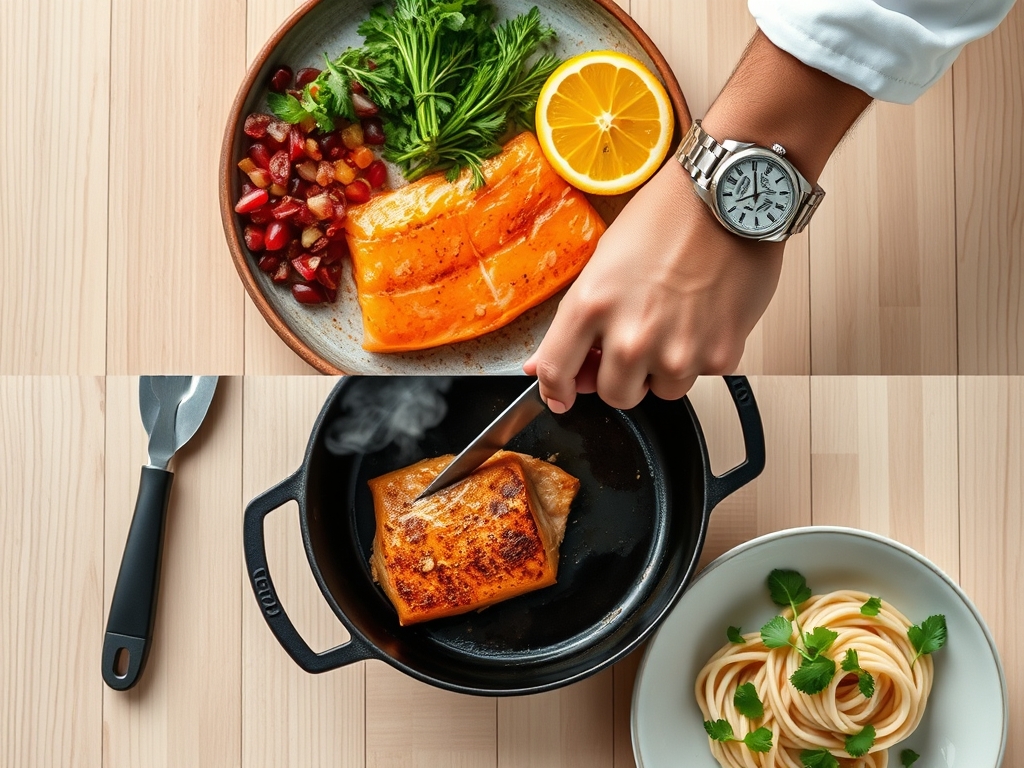
Take your salmon out of the refrigerator and pat it bone-dry with paper towels. Moisture is the enemy of a crisp sear. Use a bench scraper to ensure the surface is flat and even.
Pro Tip: This is known as surface dehydration. Removing excess water prevents the fish from steaming in its own juices, allowing the proteins to undergo the Maillard reaction immediately upon contact with the heat.
2. The Zest Infusion
Use a microplane to shave only the colored part of the citrus rinds into a small bowl. Avoid the white pith, which is overly bitter. Mix the zest with your oil and salt before rubbing it onto the flesh.
Pro Tip: Essential oils are fat-soluble. By mixing the zest with oil first, you infuse the fat with flavor, which then penetrates the fish more deeply than a dry rub would.
3. Achieving the Perfect Sear
Heat your heavy-bottomed skillet until the oil shimmers but does not smoke. Lay the salmon skin-side down, pressing firmly with a flexible spatula for ten seconds to prevent the skin from curling.
Pro Tip: This initial pressure ensures maximum contact between the skin and the pan. This allows the subcutaneous fat to render efficiently, resulting in a glass-like, crispy skin.
4. Deglazing the Pan
Once you flip the salmon, pour your prepared citrus juice and honey mixture into the pan. Use a saucier or a spoon to swirl the liquid around the base of the fillets.
Pro Tip: This is the deglazing stage. The liquid picks up the browned bits (fond) from the bottom of the pan, incorporating those deep, savory flavors into your bright citrus sauce.
5. Arrosage (Basting)
As the sauce thickens and becomes viscous, use a spoon to continuously pour the bubbling citrus glaze over the top of the salmon.
Pro Tip: This French technique, called arrosage, uses hot fat and sugar to finish cooking the top of the fish gently. It creates a lacquered finish and adds layers of flavor without overcooking the center.
6. The Carryover Rest
Remove the salmon from the pan when a digital thermometer reads 125 degrees Fahrenheit for medium-rare. Place it on a warm plate and let it sit for three minutes.
Pro Tip: Thermal carryover will continue to raise the internal temperature by about 5 degrees. Resting allows the juices to redistribute, ensuring the fish remains succulent rather than leaking moisture when cut.
The Deep Dive
From a nutritional standpoint, citrus salmon recipes are a powerhouse. A standard 6-ounce serving provides roughly 34 grams of high-quality protein and is rich in Vitamin D and B12. The citrus adds a significant boost of Vitamin C, which actually aids in the absorption of the iron found in the fish.
Dietary Swaps: For a vegan alternative, this citrus glaze works wonders on thick slabs of cauliflower or firm tofu. If you are following a strict Keto protocol, ensure your glaze uses erythritol or simply rely on a reduction of lemon juice and butter to keep the carb count near zero.
The Fix-It:
- The Skin is Soggy: You likely put the fish in a cold pan. Fix it by removing the fish, reheating the pan until it wisps smoke, and placing the skin side back down for 60 seconds.
- The Sauce is Too Thin: If your glaze looks like soup, remove the salmon and crank the heat. Whisk in a cold pat of butter (monter au beurre) to create an emulsion that coats the back of a spoon.
- The Fish is Dry: This is the result of overcooking. To save it, flake the salmon and toss it with extra virgin olive oil and fresh lemon juice to reintroduce moisture.
Meal Prep: To reheat salmon without it smelling like a tuna can, avoid the microwave. Place it in a 275-degree oven with a splash of water and cover it with foil. This gentle steaming method preserves the delicate fats and prevents the proteins from tightening.
The Wrap-Up
There you have it; the science of the perfect sear and the brighten-everything power of citrus. By understanding how acidity interacts with heat and fat, you have moved beyond following a recipe to mastering a technique. These citrus salmon recipes are your ticket to a vibrant, healthy, and undeniably impressive dinner. Now, grab those tongs and get searing!
The Kitchen Table
How do I stop salmon from sticking to the pan?
Ensure the pan and oil are hot before adding the fish. Pat the salmon completely dry with paper towels. Once the skin sears and releases its natural fats, it will naturally detach from the surface of the pan.
Can I use bottled lemon juice for the glaze?
Fresh is always superior. Bottled juice lacks the bright, volatile aromatics found in fresh fruit and often contains preservatives that alter the flavor profile. Fresh juice also provides the necessary enzymes for a better texture.
What is the white stuff oozing out of my salmon?
That is albumin, a harmless protein that solidifies when the fish is cooked. To minimize it, avoid overcooking the salmon and try brining the fillets in a salt-water solution for ten minutes before cooking to tighten the protein structure.
How do I know when the salmon is done?
The most reliable method is using a digital thermometer to hit 125 to 130 degrees Fahrenheit. Visually, the fish should be opaque on the outside but still slightly translucent and flaky in the very center.
Which citrus works best for salmon?
While lemon is classic, grapefruit offers a sophisticated bitterness that cuts through the fatty oils of the fish. Lime is excellent for a zestier, tropical profile, while blood orange provides a beautiful color and a mellow, berry-like sweetness.