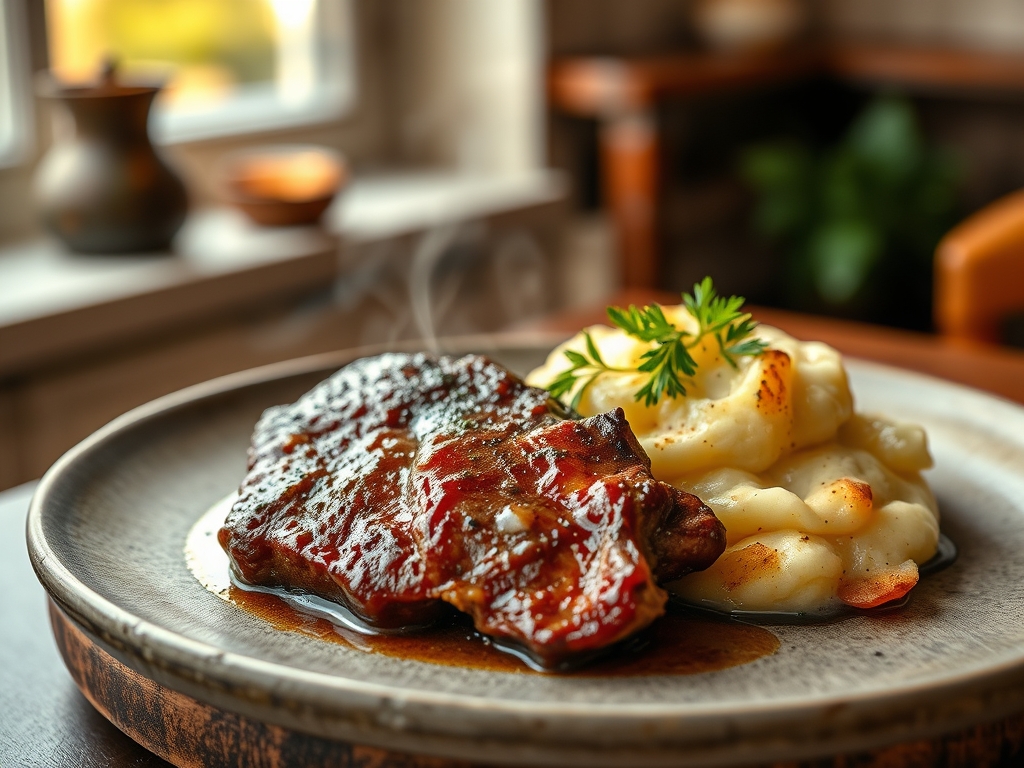
Picture a heavy-bottomed cast iron skillet screaming with heat as a marbled ribeye hits the surface. The immediate hiss is not just noise; it is the sound of moisture rapidly evaporating to make way for the Maillard reaction. This chemical transformation creates hundreds of flavor compounds that define the best steak and mashed potato recipes. Within seconds, the kitchen fills with the scent of toasted protein and nutty browned butter. We are not just making dinner; we are engineering the ultimate sensory experience. This combination is the gold standard of culinary comfort because it balances the intense, savory depth of rendered beef fat with the pillowy, cloud-like texture of aerated starch. Whether you are searing a delicate filet or braising a hearty chuck, the goal remains the same: a crust so dark it borders on mahogany and potatoes so smooth they feel like silk on the palate.
The Gathers:
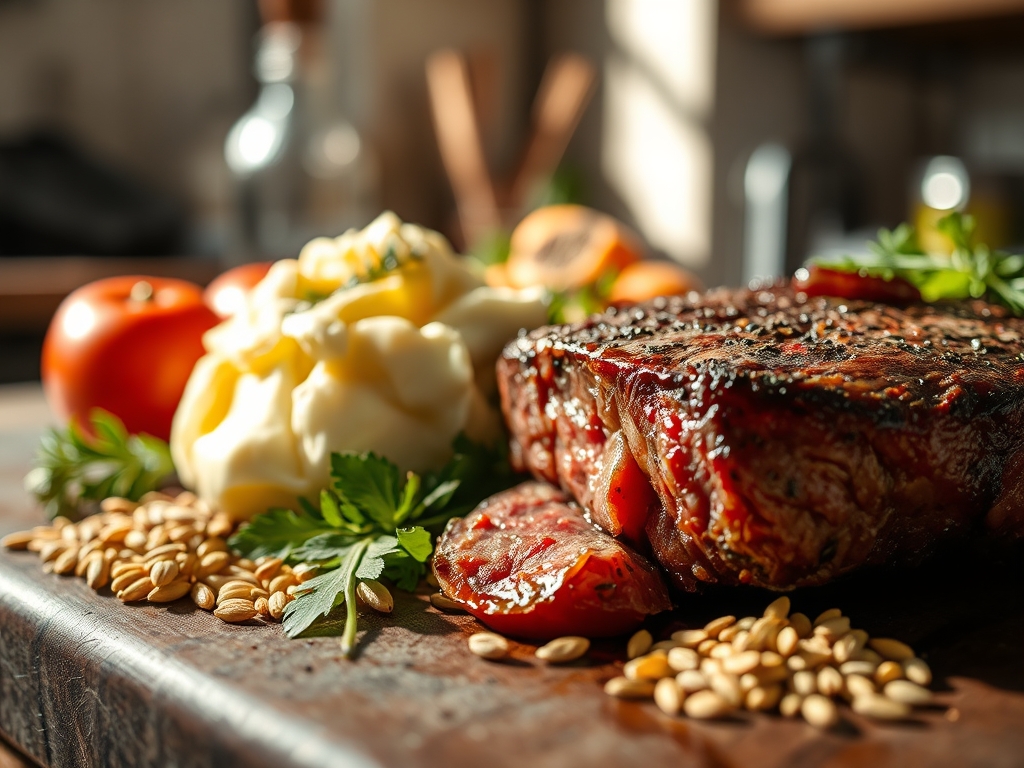
To execute these steak and mashed potato recipes with professional precision, your mise-en-place must be flawless. Start with your proteins. Look for high-marbling cuts like Ribeye or New York Strip; the intramuscular fat provides the lubrication necessary for a tender mouthfeel. For the potatoes, high-starch varieties like Russets or Yukon Golds are non-negotiable. Russets offer a fluffy, dry cell structure that absorbs butter like a sponge, while Yukons provide a naturally buttery, viscous texture.
You will need high-smoke-point fats such as avocado oil or clarified butter for the sear. Avoid extra virgin olive oil here; its low smoke point will result in acrid, burnt flavors. For the infusion, gather fresh aromatics: sprigs of woody rosemary, thyme, and several cloves of garlic. Use a microplane to zest a bit of lemon into your butter at the end to provide a piquant contrast to the richness.
Smart Substitutions: If you are looking for a lighter profile, swap heavy cream for buttermilk to add a tangy brightness. For a dairy-free version, use a high-quality cashew cream and nutritional yeast to mimic the umami of parmesan. If beef is off the menu, a thick-cut cauliflower "steak" seasoned with smoked paprika and seared in a heavy-bottomed skillet provides a similar structural satisfaction.
The Clock:
Mastering the "Chef's Flow" is about managing thermal momentum. Total active time for these recipes usually spans 45 to 60 minutes. The potatoes require the longest lead time; they should be peeled and simmering while your steak temperately rests on the counter. Never cook a steak straight from the refrigerator. Cold muscle fibers tighten aggressively when hitting heat, leading to uneven cooking.
Allow 20 minutes for the potatoes to reach fork-tender status and 10 minutes for the steak to sear and baste. The most critical window is the rest period. A steak must rest for at least half its cooking time to allow the internal juices to redistribute. If you cut it too soon, the liquid will flood the board, leaving the meat dry and fibrous.
The Masterclass:
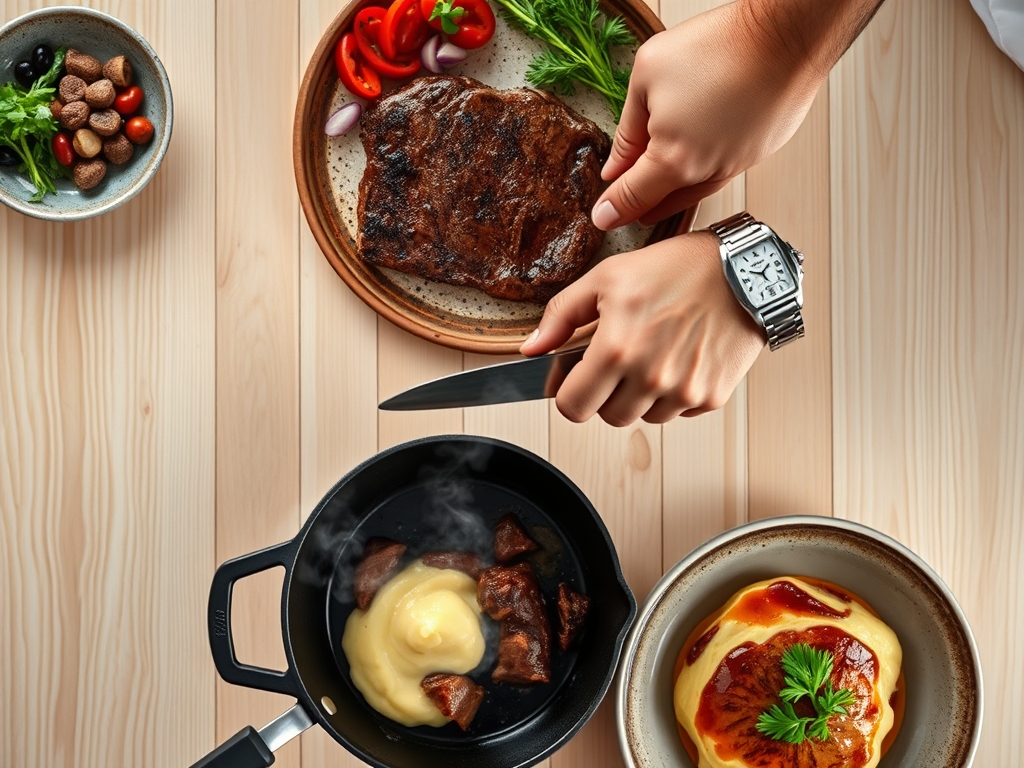
1. Tempering and Surface Prep
Remove your steaks from the fridge 30 minutes prior to cooking. Pat the surface bone-dry with paper towels. Moisture is the enemy of a good crust; any surface water will turn to steam and prevent the Maillard reaction from occurring.
Pro Tip: This is known as surface dehydration. A dry surface allows the temperature to jump immediately to 300 degrees Fahrenheit, the threshold where amino acids and sugars fuse to create that iconic brown crust.
2. The High-Velocity Sear
Heat your heavy-bottomed skillet until the oil shimmering. Lay the steak away from you to avoid splashes. Press down firmly with tongs to ensure total contact with the metal. Do not move the meat for at least two minutes.
Pro Tip: Conduction is the primary heat transfer method here. By maintaining steady contact, you maximize the energy transfer from the pan to the protein, ensuring a deep, even sear without overcooking the interior.
3. The Arrosé (Butter Basting)
Lower the heat slightly and drop in a knob of cold butter, garlic, and herbs. Tilt the pan so the foaming butter pools at the bottom. Use a large spoon to continuously drench the steak in this hot, aromatic fat.
Pro Tip: This technique, called arrosé, uses fat as a heat conductor to cook the top and sides of the steak simultaneously. The milk solids in the butter undergo further browning, adding a nutty complexity to the meat.
4. Starch Breakdown and Ricing
Boil your potatoes in heavily salted water until the pectin breaks down and they are tender. Drain them and return them to the hot pot for one minute to evaporate excess moisture. Pass them through a potato ricer or food mill into a warm bowl.
Pro Tip: Using a ricer prevents the over-agitation of starch. If you mash too aggressively or use a blender, the starch granules rupture and release amylopectin, which turns your potatoes into a gummy, glue-like paste.
5. Emulsifying the Mash
Slowly fold in warm cream and cubes of cold butter using a silicone spatula. The temperature difference helps create a stable emulsion, resulting in a velvety finish. Season with sea salt and white pepper for a clean aesthetic.
Pro Tip: This is a fat-in-water emulsion. By adding the fat slowly to the warm starch, you coat the individual potato particles, preventing them from clumping and ensuring a light, aerated texture.
The Deep Dive:
Macro Nutrition: A standard serving of steak and mashed potatoes provides approximately 35 grams of protein and 40 grams of carbohydrates. While high in iron and B12, the caloric density comes primarily from the added fats in the mash. To balance the plate, always include a fibrous green like roasted asparagus or sautéed spinach.
Dietary Swaps:
- Vegan: Use vegan butter sticks and oat milk. The proteins in oat milk brown similarly to dairy.
- Keto: Replace potatoes with a cauliflower puree. Use a high-speed blender to achieve a "mash" consistency.
- GF: This meal is naturally gluten-free, provided you avoid flour-based gravies. Use a cornstarch slurry or a reduction sauce to thicken juices.
The Fix-It:
- Gummy Potatoes: If you over-processed them, spread them in a baking dish, top with cheese, and bake. The dry heat will mask the texture.
- Gray Steak: If your steak didn't sear, your pan wasn't hot enough. Remove the meat, get the pan smoking, and try again for 30 seconds per side.
- Broken Sauce: If your pan sauce separates, whisk in a tablespoon of cold water or heavy cream over low heat to re-emulsify the fats.
Meal Prep: To reheat, do not use the microwave for the steak. It will turn the meat rubbery. Instead, use a low oven (250 degrees) until the internal temp reaches 110 degrees. For potatoes, add a splash of milk before reheating to restore the moisture lost to retrogradation.
The Wrap-Up:
Mastering steak and mashed potato recipes is a rite of passage for any home cook. It is a lesson in heat management, fat emulsification, and the beauty of simple ingredients handled with technical respect. When you pull that perfectly rested steak off the board and scoop a mountain of silken potatoes beside it, you aren't just serving a meal; you are serving a masterclass in culinary science. Grab your tongs and your ricer; it is time to turn your kitchen into the best steakhouse in town.
The Kitchen Table:
Why is my steak tough even if it is medium-rare?
You likely skipped the resting phase or cut with the grain. Resting allows fibers to relax and retain juice. Always slice against the grain to shorten the muscle fibers, making every bite significantly more tender.
What is the best potato for mashing?
Russets or Yukon Golds are superior. Russets provide a light, fluffy texture due to high starch content. Yukons offer a rich, creamy consistency and a natural buttery flavor that holds up well to heavy cream.
Can I make mashed potatoes ahead of time?
Yes, but store them in a slow cooker on the "warm" setting. This prevents the starch from crystallizing. If refrigerating, add extra liquid when reheating to fix the texture, as potatoes thicken significantly when cooled.
How do I get a restaurant-style crust on my steak?
Use a cast iron skillet and ensure the steak is bone-dry. High heat is essential to trigger the Maillard reaction. Do not crowd the pan; cooking too many steaks at once drops the temperature and causes steaming.