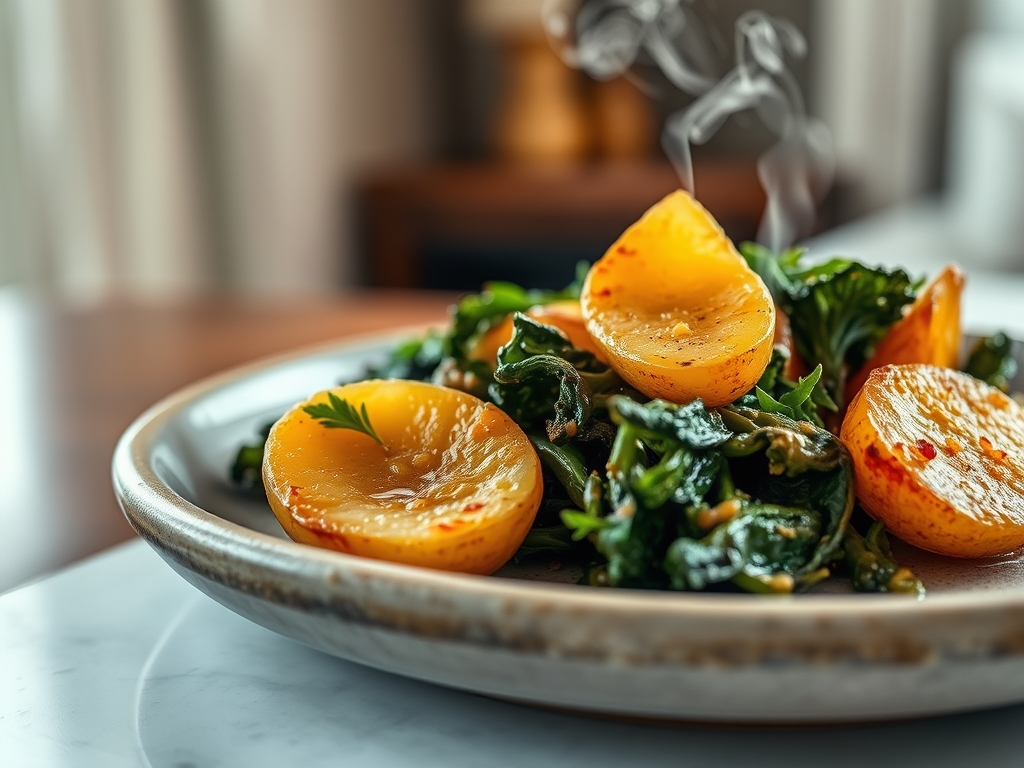
Imagine a kitchen filled with the scent of garlic hitting hot olive oil; it is the ultimate olfactory signal that something incredible is about to happen. When you master kale and potato recipes, you are not just cooking dinner; you are balancing the earthy, mineral depth of cruciferous greens against the creamy, starch-heavy comfort of a perfectly roasted tuber. It is a culinary marriage of texture and nutrition that transforms humble ingredients into a five-star experience.
The magic lies in the contrast. Kale provides a structural integrity that refuses to wilt into mush, while potatoes offer a canvas for salt and fat. Whether you are craving a crispy hash or a velvety soup, these two powerhouses deliver a nutrient-dense punch that keeps your energy levels stable. We are moving beyond the basic side dish and into a world where high-heat roasting meets delicate chiffonade cuts. Grab your favorite heavy-bottomed skillet and a sharp chef knife; we are about to elevate your weeknight rotation with ten sophisticated pairings that prove health food can be genuinely indulgent.
The Gathers:
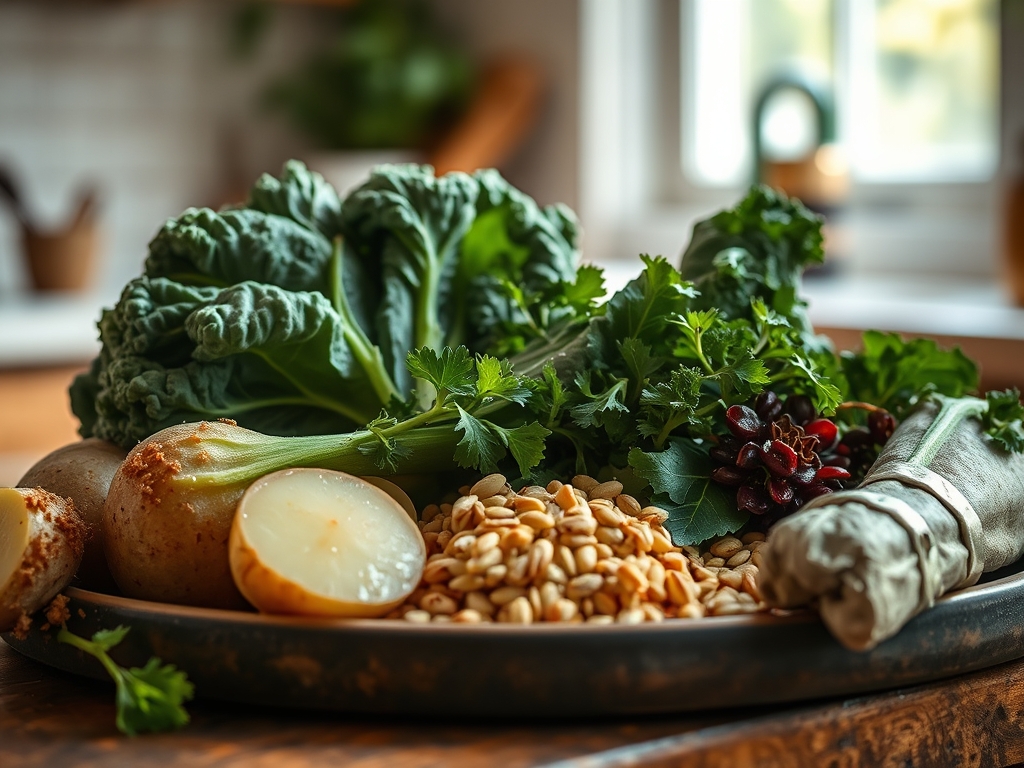
To execute these kale and potato recipes with precision, your mise-en-place must be intentional. Start with your starch. For a high-moisture roast, reach for Yukon Golds; their medium starch content and waxy skin allow them to hold their shape while developing a creamy interior. If you are aiming for a crispy smashed potato, a starchy Russet is your best friend because the high amylose content creates a fluffy, porous surface that maximizes the Maillard reaction.
Next, examine your kale. Lacinato (Dino) kale offers a more delicate, nutty profile, while Curly kale provides a robust, ruffled texture that catches sauces beautifully. You will also need high-quality fats. A cold-pressed extra virgin olive oil is essential for finishing, but for the actual sear, use a high-smoke-point oil like avocado oil or clarified butter (ghee) to avoid acrid flavors.
Smart Substitutions:
If you are avoiding nightshades, Japanese Sweet Potatoes offer a similar creamy texture with a lower glycemic index. For a kale alternative, Swiss Chard provides a similar earthy flavor, though it requires less cooking time due to its thinner cellular walls. If you want to boost the protein, chickpeas can be roasted right alongside the potatoes for an added crunch.
The Clock: Mastering the Chef's Flow
Efficiency in the kitchen is about understanding the "Chef's Flow." This means managing your thermal energy so everything peaks at the same moment. Generally, these recipes require a 45-minute window.
Prep Time (15 Minutes): This is where you utilize your bench scraper and digital scale. Weighing your potatoes ensures even cooking. You will spend this time washing, drying (crucial for browning), and chopping.
Cook Time (30 Minutes): The potatoes take the longest. They need about 20 to 25 minutes in a 425-degree oven or a hot skillet to achieve a golden crust.
The Integration (5 Minutes): Kale only needs a few minutes to soften. By adding it during the final stage of cooking, you preserve its vibrant chlorophyll and prevent it from becoming bitter.
The Masterclass:
1. The Parboil and Shock
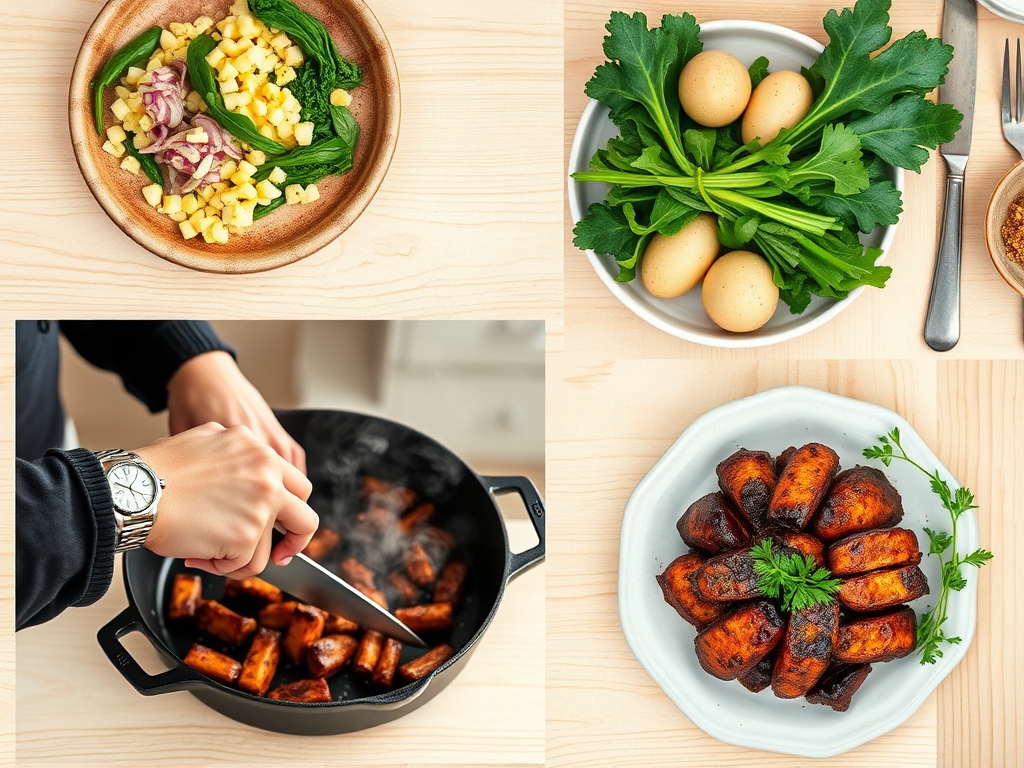
Before roasting, boil your potato chunks in heavily salted water until the edges are just soft. Drain them and let them steam-dry for two minutes. This creates a surface layer of gelatinized starch that crisps up dramatically in the oven.
Pro Tip: This process, known as retrogradation, allows the starch molecules to realign, resulting in a crunchier exterior and a fluffier interior once roasted.
2. The Massage Technique
While the potatoes roast, place your kale in a large bowl with a splash of lemon juice and a pinch of sea salt. Use your hands to physically bruise the leaves for 60 seconds.
Pro Tip: Massaging breaks down the cellulose cell walls and neutralizes bitter compounds, making the kale significantly more tender and bioavailable.
3. The High-Heat Sear
Use a heavy-bottomed skillet to sear the parboiled potatoes in hot fat. Do not crowd the pan; if the potatoes are too close, they will steam rather than fry.
Pro Tip: Crowding the pan drops the surface temperature, preventing the Maillard reaction (the chemical reaction between amino acids and reducing sugars) from occurring.
4. The Deglaze and Infuse
Once the potatoes are golden, toss in minced garlic and red pepper flakes. After thirty seconds, deglaze the pan with a splash of vegetable stock or white wine, then toss in the kale.
Pro Tip: Deglazing captures the fond (the browned bits on the bottom of the pan), which contains concentrated flavor molecules that would otherwise be lost.
5. The Emulsified Finish
Turn off the heat. Add a knob of cold butter or a drizzle of tahini and toss vigorously. The residual heat will melt the fat, creating a glossy sauce that clings to every crevice.
Pro Tip: This creates a temporary emulsion where the fat and the deglazing liquid combine, providing a luxurious mouthfeel without a heavy cream base.
The Deep Dive:
When we look at the macro nutrition of kale and potato recipes, we see a perfect balance. Potatoes provide complex carbohydrates and more potassium than a banana, while kale delivers vitamins A, K, and C. Together, they offer a high fiber content that promotes satiety and gut health.
Dietary Swaps:
- Vegan: Swap butter for a nutritional yeast and olive oil slurry to maintain that savory, umami depth.
- Keto: Replace 75% of the potatoes with roasted cauliflower florets to significantly lower the net carb count while keeping the texture.
- Gluten-Free: This pairing is naturally GF, but ensure your spices do not contain anti-caking agents derived from wheat.
The Fix-It:
- Soggy Potatoes: Usually caused by residual moisture. Always pat potatoes dry with a lint-free towel after parboiling.
- Bitter Kale: Overcooking kale can concentrate its sulfur compounds. Add an acid (vinegar or lemon) at the very end to brighten the flavor profile.
- Burnt Garlic: Garlic has a high sugar content and burns quickly. Always add it during the last 60 seconds of sautéing.
Meal Prep Science:
To maintain "day-one" quality, store your potatoes and kale in an airtight glass container. When reheating, avoid the microwave, which turns potatoes gummy through starch retrogradation. Instead, use an air fryer or a dry skillet to reactivate the crispiness of the potato skins.
The Wrap-Up:
Mastering kale and potato recipes is your ticket to effortless, nutrient-dense dining that feels like a warm hug. By focusing on the science of the sear and the chemistry of the massage, you turn basic pantry staples into a sophisticated meal. These pairings are versatile, vibrant, and incredibly satisfying. Now, get into that kitchen, grab your tongs, and start creating something delicious!
The Kitchen Table:
Why is my kale always tough in recipes?
Kale contains tough cellulose walls. To fix this, massage the leaves with salt and acid or sauté them briefly with a splash of liquid to steam-soften the fibers without losing the structural integrity of the leaf.
Can I use any potato for roasting?
Yukon Golds are the gold standard for kale and potato recipes. They possess a medium starch content that allows for a creamy interior and a crisp exterior, providing the perfect textural contrast to the fibrous greens.
How do I keep potatoes from sticking to the pan?
Ensure your skillet is preheated before adding fat. Use a heavy-bottomed skillet for even heat distribution and wait for the potatoes to develop a crust before attempting to flip them; they will naturally release when ready.
Is it healthy to eat potatoes and kale together?
Yes, it is a nutritional powerhouse. Potatoes provide sustained energy through complex carbs, while kale offers dense micronutrients. The fat used for roasting also helps your body absorb the fat-soluble vitamins found in the kale.