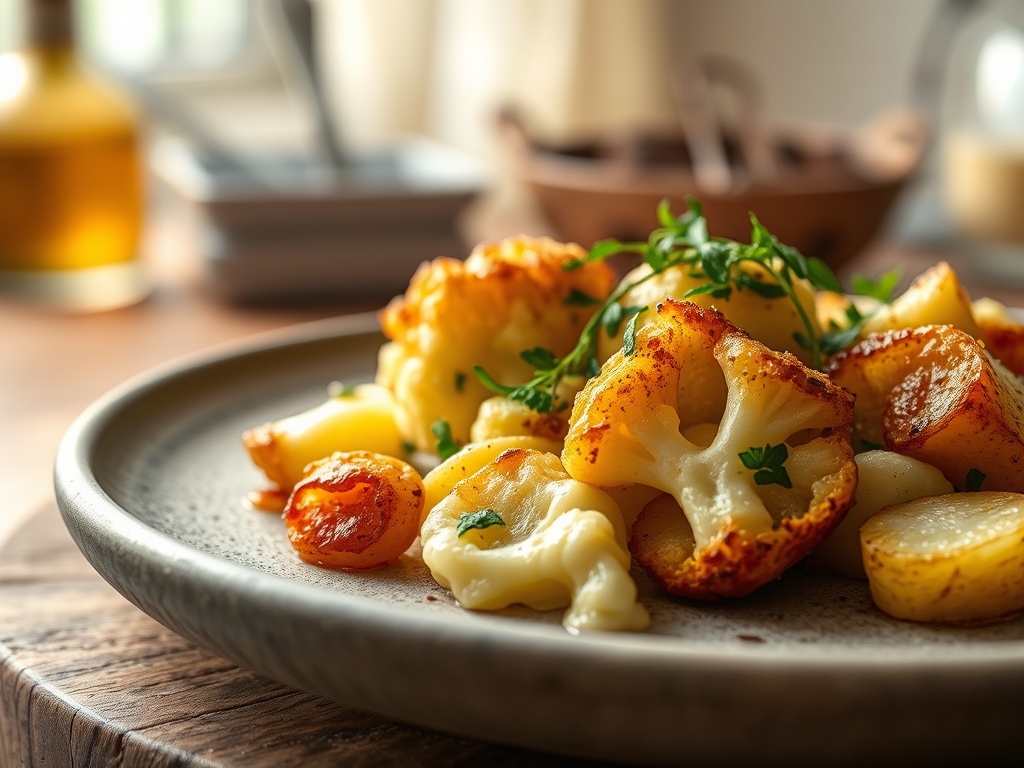
Picture a steaming bowl of velvet mash where the earthy, starchy comfort of a Yukon Gold meets the nutty, cruciferous lightness of a fresh floret. If you have been searching for the ultimate cauliflower and potato recipes, you are essentially chasing the holy grail of texture and nutrition. We are hacking the classic starch profile to create something lighter yet infinitely more complex in flavor.
The secret lies in the synergy between these two vegetables. Potatoes provide the amylose and amylopectin starches required for that signature "cling" on the palate; meanwhile, cauliflower offers a high water content and a sulfurous depth that cuts through heavy fats. By blending them, we reduce the overall glycemic load without sacrificing the soul-soothing mouthfeel of a traditional side dish. Whether you are aiming for a silky puree, a rustic smash, or a golden gratin, mastering the ratio is your first step toward culinary brilliance. We are not just cooking; we are engineering a better bite that respects both your macros and your cravings.
The Gathers:
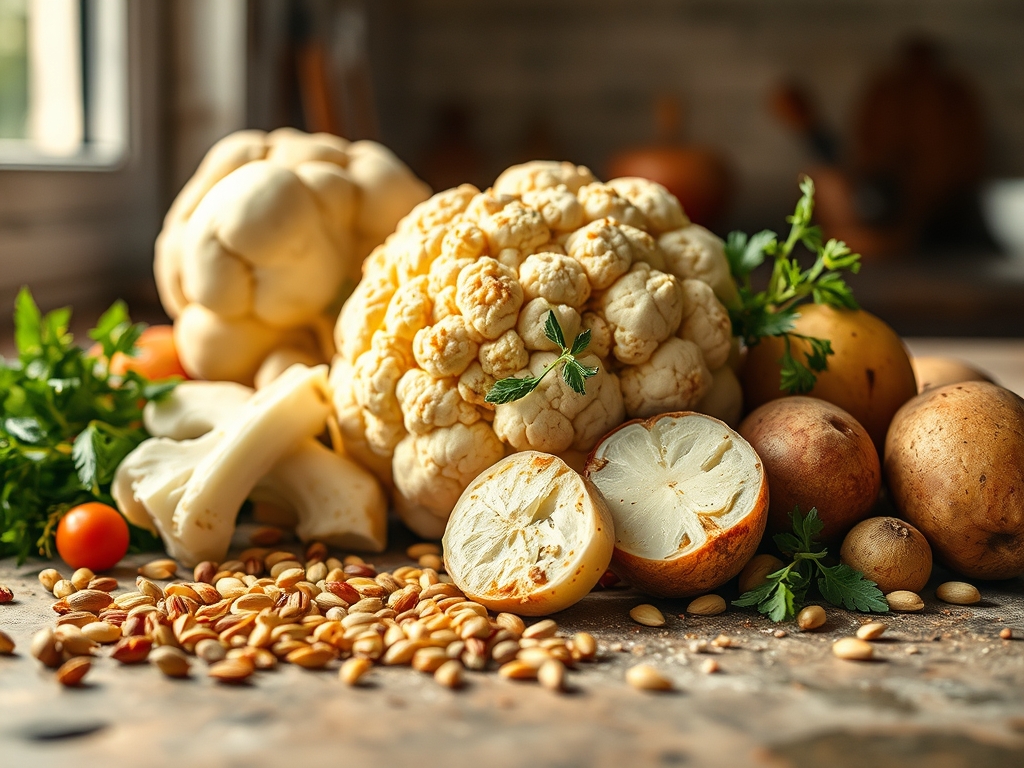
Before we fire up the range, your mise-en-place must be precise. Start with high-quality Yukon Gold or Russet potatoes. Yukons offer a naturally buttery flavor and a waxy texture that emulsifies beautifully, while Russets provide a fluffy, dry crumb perfect for absorbing aromatics. Your cauliflower should be tight-curded and heavy for its size, indicating high moisture retention and freshness.
Gather your supporting cast: high-fat European butter (which has less water and more milk solids), heavy cream or full-fat coconut milk for a viscous finish, and fresh aromatics like garlic, rosemary, or thyme. Use a digital scale to ensure a 50:50 ratio for a balanced nutritional profile, or a 70:30 potato-to-cauliflower split if you are catering to picky eaters who crave traditional density.
Smart Substitutions: If you are dodging dairy, reach for a high-quality extra virgin olive oil to create a fruity, peppery emulsion. Swap heavy cream for unsweetened cashew cream to maintain that luxurious mouthfeel. For a piquant kick, use a microplane to zest fresh lemon or grate aged parmesan directly into the mix. This adds top-note acidity and umami without adding significant calories.
The Clock:
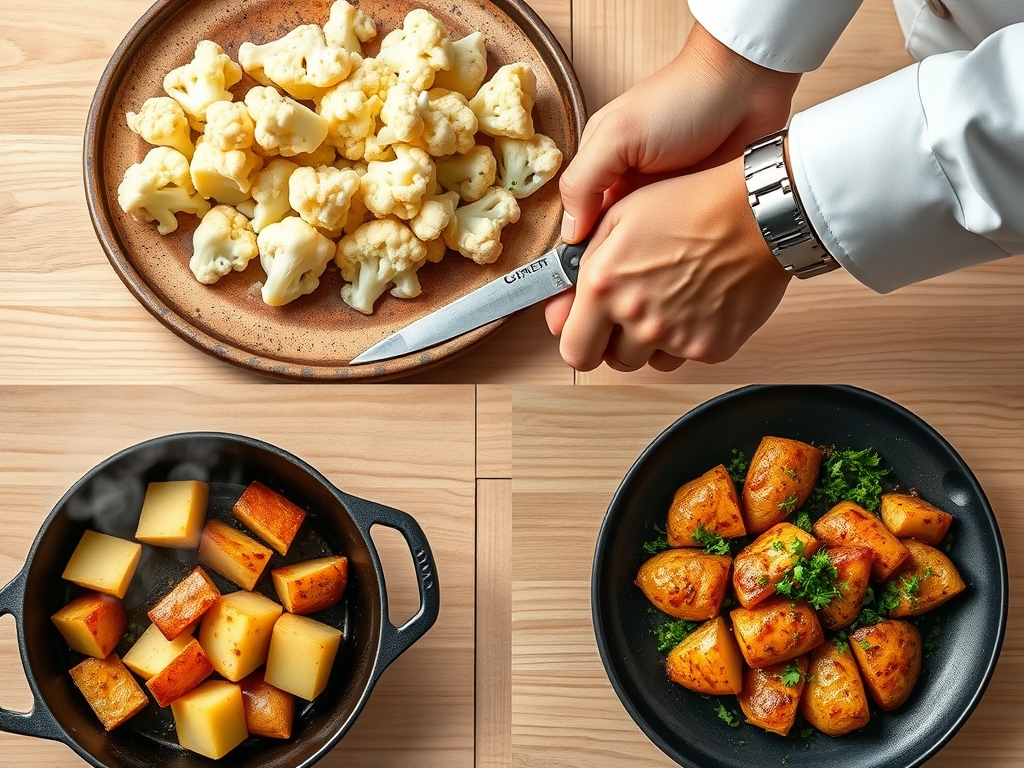
Efficiency in the kitchen is about "Chef's Flow," which is the art of overlapping tasks to minimize downtime. Expect a total active prep time of 15 minutes and a cook time of 20 to 25 minutes. While your water comes to a boil in a saucier or a large stockpot, you should be dicing your vegetables into uniform one-inch cubes.
Uniformity is not just for aesthetics; it ensures that the potato starch granules and the cauliflower cellulose fibers soften at the same rate. If you cut the potatoes too large, they will remain fibrous while the cauliflower turns to mush. By the time the vegetables are tender, your aromatics should be infused into your butter or oil on low heat. This synchronized timing ensures that when you are ready to mash, your liquid components are at the optimal temperature to prevent "shocking" the starches, which can lead to a gummy texture.
The Masterclass:
1. The Precision Dice
Start by peeling your potatoes and breaking the cauliflower into small, even florets. Aim for one-inch cubes to maximize surface area for even heat distribution. Use a sharp chef knife and a bench scraper to transfer your produce to the pot without bruising the cell walls.
Pro Tip: This step prevents uneven cooking. If pieces vary in size, smaller chunks will undergo excessive starch gelatinization, absorbing too much water and resulting in a watery, flavorless mash.
2. The Cold Water Start
Place your vegetables in a pot and cover them with cold, heavily salted water. Starting with cold water allows the temperature of the potato and cauliflower to rise gradually, ensuring the outside does not disintegrate before the center is cooked.
Pro Tip: Salting the water early allows the sodium ions to penetrate the cellular structure of the vegetables, seasoning them from the inside out rather than just coating the surface.
3. The Gentle Simmer
Bring the water to a boil, then immediately reduce to a steady simmer. Violent boiling can rupture the starch cells of the potato, releasing too much amylopectin and creating a sticky, glue-like consistency. Cook until a paring knife slides into a potato chunk with zero resistance.
Pro Tip: Watch for the "fork-tender" moment. Overcooking cauliflower leads to the release of hydrogen sulfide gas, which creates that unpleasant "cabbage" smell often associated with poorly prepared brassicas.
4. The Steam Dry
Once tender, drain the vegetables thoroughly. Return them to the hot, empty pot for 60 seconds over low heat, shaking gently. This process, known as "dry-firing," evaporates excess surface moisture.
Pro Tip: Removing residual water is critical for a "day-one" quality texture. Excess moisture prevents the fat (butter or oil) from properly coating the vegetable fibers, which can lead to a broken emulsion.
5. The Aerated Mash
Use a potato ricer or a food mill for the smoothest results. If you prefer a rustic texture, use a heavy-duty masher. Avoid high-speed blenders or food processors, which shear the starch molecules and turn your beautiful cauliflower and potato recipes into wallpaper paste.
Pro Tip: Aerate the mixture by folding in your warm cream and butter gently. This incorporates air pockets, giving the dish a light, soufflé-like lift rather than a dense, heavy weight.
The Deep Dive:
When we look at the macro nutrition of cauliflower and potato recipes, the benefits are clear. By replacing half the potato with cauliflower, you significantly drop the carbohydrate count and increase the fiber and Vitamin C content. This blend provides a slower release of energy, preventing the insulin spikes associated with pure potato dishes.
For those with dietary restrictions, these recipes are incredibly versatile. Keto followers can lean into an 80% cauliflower ratio with added grass-fed butter for healthy fats. Vegan enthusiasts can use nutritional yeast to mimic the savory depth of cheese. Gluten-free diners can rest easy, as these vegetables are naturally devoid of gluten, though always check your thickening agents if you are making a gravy or gratin.
The Fix-It:
- The Problem: My mash is watery. The Fix: You skipped the steam-dry step. Spread the mash on a baking sheet and bake at 350F for 5 minutes to cook off the excess liquid.
- The Problem: It is too lumpy. The Fix: Pass the mixture through a fine-mesh sieve or a tamis using a spatula. This is the secret to restaurant-grade silkiness.
- The Problem: The flavor is bland. The Fix: You need acidity. Stir in a teaspoon of Dijon mustard or a splash of white balsamic vinegar to brighten the earthy notes.
Meal Prep Science: To reheat, do not use the microwave on high power, as it toughens the potato starches. Instead, use a heavy-bottomed skillet over low heat with a splash of milk. This gently re-hydrates the starches and restores the creamy emulsion without breaking the fats.
The Wrap-Up:
Mastering cauliflower and potato recipes is like learning a new language of comfort food. It is about balancing the rustic charm of the potato with the nutritional powerhouse of the cauliflower. By using professional tools like a digital scale and a ricer, and respecting the chemistry of starch and steam, you elevate a simple side dish into a culinary masterpiece. Now, grab your tongs, fire up the stove, and get mashing!
The Kitchen Table:
Can I make this ahead of time?
Yes. Store the blend in an airtight container for up to three days. Reheat slowly on the stovetop with a splash of liquid to maintain the creamy, emulsified texture and prevent the starches from becoming grainy.
What is the best potato for this blend?
Yukon Golds are the gold standard. Their naturally buttery flavor and medium starch content create a luxurious, smooth texture that complements the lightness of cauliflower better than starchy Russets or waxy red potatoes.
How do I prevent the cauliflower smell?
Do not overcook the cauliflower. Simmer only until tender and immediately drain. Adding a bay leaf or a clove of garlic to the boiling water can also help neutralize the sulfurous compounds released during the cooking process.
Can I freeze cauliflower and potato mash?
Freezing is possible but can alter the texture. The water in the cauliflower may separate upon thawing. To fix this, reheat in a pan while whisking vigorously to re-incorporate the moisture into the potato starches.