
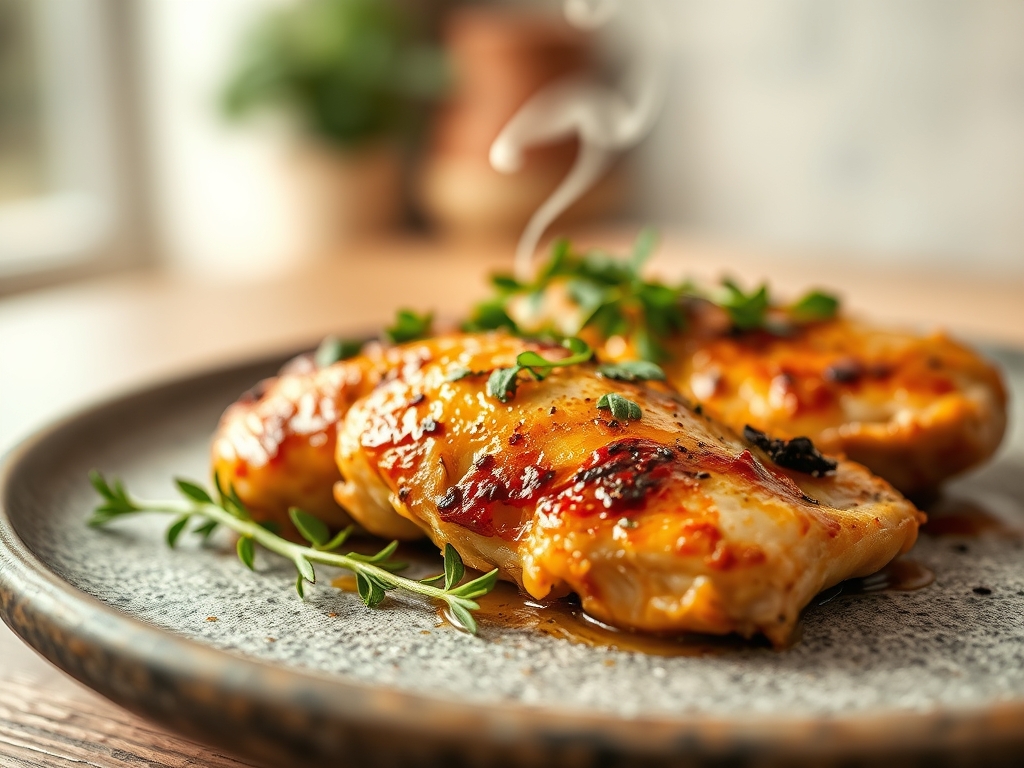
The moment chicken breast hits a preheated stainless steel pan at 190°C (375°F), you hear that sharp, satisfying sizzle that signals the Maillard reaction has begun. That sound, paired with the immediate caramelization of surface proteins, is your gateway to lean, protein-rich dinners that deliver big flavor without the guilt. These easy health chicken recipes strip away fuss and focus on technique: high heat, smart seasoning, and strategic fat use that maximizes taste while keeping calories in check. Each of the seven recipes here clocks in under 30 minutes, uses pantry staples, and leans on fundamental cooking science to turn simple poultry into something you'd happily pay for at a bistro. No breading baths, no heavy cream, just clean ingredients and methods that work every single time. Whether you're meal prepping for the week or racing against a weeknight deadline, these formulas give you control, consistency, and the kind of golden-brown crust that makes chicken exciting again.
The Gathers
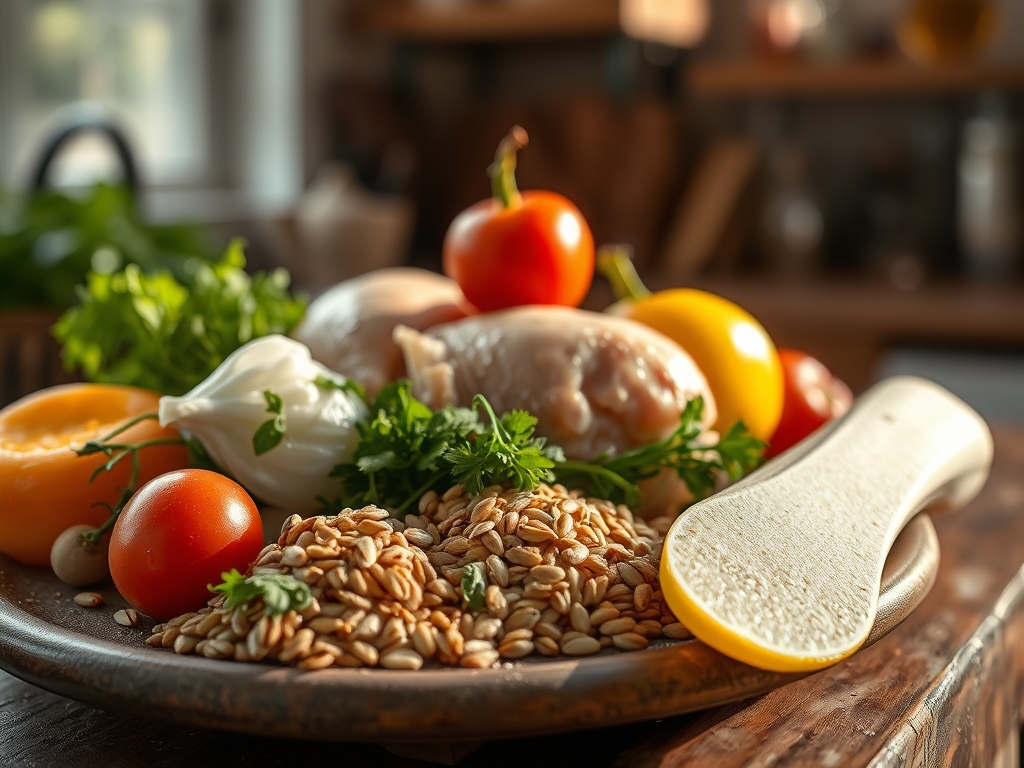
As you see in the ingredient spread below, the foundation starts with boneless, skinless chicken breasts (about 170g each), trimmed of excess fat and pounded to an even 2cm thickness. Uniformity matters: it ensures simultaneous doneness and prevents rubbery edges. You'll need extra-virgin olive oil (15ml per breast), kosher salt (1.5g per 100g protein), black pepper, garlic powder, and smoked paprika. Fresh lemon juice (30ml total) brightens acidity, while low-sodium chicken stock (240ml) provides deglazing power. For the vegetable roster, grab cherry tomatoes (halved), baby spinach (a generous handful per serving), red bell peppers (julienned), and zucchini (sliced into half-moons). Each element here plays a dual role: flavor and micronutrient density.
Smart Substitutions: Swap chicken thighs if you prefer dark meat (add 3 minutes cook time). Use avocado oil for a higher smoke point (270°C). Replace spinach with kale (blanch first to tenderize). Coconut aminos can stand in for soy sauce in the Asian-inspired variations, and nutritional yeast delivers umami without dairy.
The Clock
Prep Time: 10 minutes
Cook Time: 18 minutes
Total Time: 28 minutes
Yield: 4 servings
Chef's Flow: Start by pounding and seasoning chicken while your pan preheats (4 minutes). Sear protein first (6 minutes per batch), then set aside under foil to hold heat. Use the same pan for vegetables (5 minutes), deglaze with stock or citrus (2 minutes), and reintroduce chicken for the final simmer (3 minutes). This sequence maximizes fond development and minimizes dish count. Every second of resting redistributes juices, so never skip the foil tent.
The Masterclass
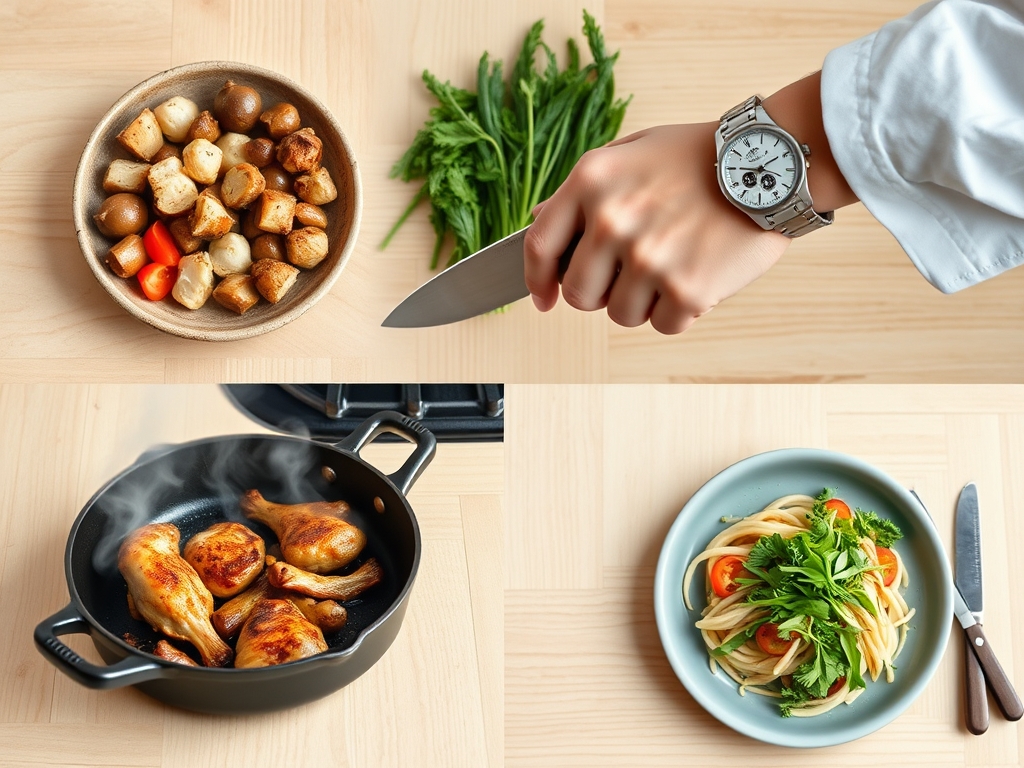
Step 1: Pound and Season
Place each breast between two sheets of parchment, then use a flat meat mallet to achieve uniform 2cm thickness. Season both sides with kosher salt (about 1/2 teaspoon per breast), black pepper, and smoked paprika.
Chef's Secret: Pounding breaks down connective tissue and reduces cook time by up to 40%, preventing the dreaded dry-chalky texture.
Step 2: Preheat and Sear
Heat a stainless steel or cast-iron skillet over medium-high until a water droplet skitters across the surface (around 190°C). Add olive oil, then lay chicken presentation-side down. Do not move for 4 minutes.
Why It Works: Patience allows a golden crust to form via the Maillard reaction. Premature flipping causes sticking and pale, steamed protein.
Step 3: Flip and Finish
Turn breasts, reduce heat to medium (160°C), and cook another 3 to 4 minutes until the internal temperature reaches 72°C (162°F). Note the texture shown in the step-by-step photos: slight spring-back indicates doneness. Transfer to a plate, tent with foil, and rest 5 minutes. Carryover heat will push the final temp to 75°C (167°F).
Chef's Secret: Resting redistributes myoglobin and water-soluble proteins, locking in moisture.
Step 4: Build the Pan Sauce
In the same skillet, add cherry tomatoes, bell peppers, and zucchini. Saute 3 minutes until tomatoes blister. Pour in chicken stock and lemon juice, scraping up browned bits (fond) with a wooden spoon.
Why It Works: Fond is pure umami. Deglazing with acid brightens the sauce and emulsifies residual fat into a glossy glaze.
Step 5: Reunite and Simmer
Return sliced chicken to the pan, nestle it among vegetables, and simmer 2 minutes. Toss in baby spinach just before serving; residual heat wilts greens without nutrient loss.
Chef's Secret: Spinach retains more vitamin C and folate when exposed to heat for under 60 seconds.
Nutritional Info
Per Serving (1 breast + vegetables):
Calories: 285
Protein: 38g
Carbohydrates: 9g (Fiber: 3g, Net Carbs: 6g)
Fat: 10g (Saturated: 2g, Monounsaturated: 6g)
Sodium: 420mg
Vitamin A: 45% DV | Vitamin C: 110% DV | Iron: 12% DV
This macro split supports muscle repair, satiety, and steady energy without insulin spikes.
Dietary Swaps
Keto: Double the olive oil, add 30g crumbled feta per serving, and swap zucchini for cauliflower florets. Net carbs drop to 4g.
Vegan: Replace chicken with firm tofu (pressed and cubed), reduce cook time to 6 minutes total, and use vegetable stock. Protein falls to 18g, so pair with quinoa.
Gluten-Free: Already compliant. Ensure stock is certified gluten-free.
Serving & Presentation
- Bistro Style: Fan sliced chicken over a bed of wilted greens, drizzle pan sauce in a zigzag, and garnish with microgreens and lemon zest.
- Family Bowl: Toss everything with spiralized zucchini noodles, top with fresh basil, and finish with a squeeze of lime.
- Meal Prep Grid: Divide into glass containers with a side of roasted sweet potato cubes and steamed broccoli for balanced macros.
The Pro-Dodge
Pitfall 1: Rubbery Chicken
Fix: Always rest post-cooking. Slicing immediately releases all retained moisture.
Pitfall 2: Burnt Garlic in the Pan
Fix: Add garlic powder during seasoning, not to the hot oil. Fresh garlic burns at 150°C, turning bitter.
Pitfall 3: Watery Sauce
Fix: Pat vegetables dry before adding them. Excess surface water dilutes fond and prevents caramelization.
The Meal Prep Corner
Store cooked chicken and vegetables separately in airtight glass containers. Refrigerate up to 4 days or freeze up to 3 months. Reheat in a covered skillet with 30ml stock over medium-low heat (about 4 minutes), stirring gently. Microwaving dries out protein; stovetop reheating with added liquid restores day-one juiciness. If freezing, undercook chicken by 1 minute; reheating will finish the process.
The Wrap-Up
You now have seven versatile blueprints that prove healthy eating doesn't mean bland, repetitive meals. Each formula respects the science of heat, seasoning, and resting, giving you restaurant-quality results on a Tuesday night. Master these techniques, and you'll never see chicken as boring again. Share your plating photos, tag your favorite variation, and let the community know which recipe became your weeknight hero.
The Kitchen Table
Q: Can I use frozen chicken breasts?
A: Yes, but thaw completely in the fridge (8 hours minimum) and pat bone-dry. Frozen protein releases excess water, preventing the Maillard reaction.
Q: How do I prevent sticking in stainless steel?
A: Preheat until the pan passes the water-droplet test, use adequate fat (15ml per breast), and resist the urge to move the chicken before a crust forms.
Q: What's the best way to check doneness without a thermometer?
A: Press the thickest part: it should feel like the fleshy base of your thumb when you touch your thumb to your ring finger. For precision, invest in an instant-read thermometer.
Q: Can I make this spicy?
A: Absolutely. Add 1/2 teaspoon red pepper flakes to the pan sauce or toss in sliced jalapenos during the vegetable saute.
Q: How do I scale these recipes for meal prep?
A: Double or triple the base recipe. Sear chicken in batches to avoid crowding (which steams instead of sears), and store components separately for maximum freshness.