
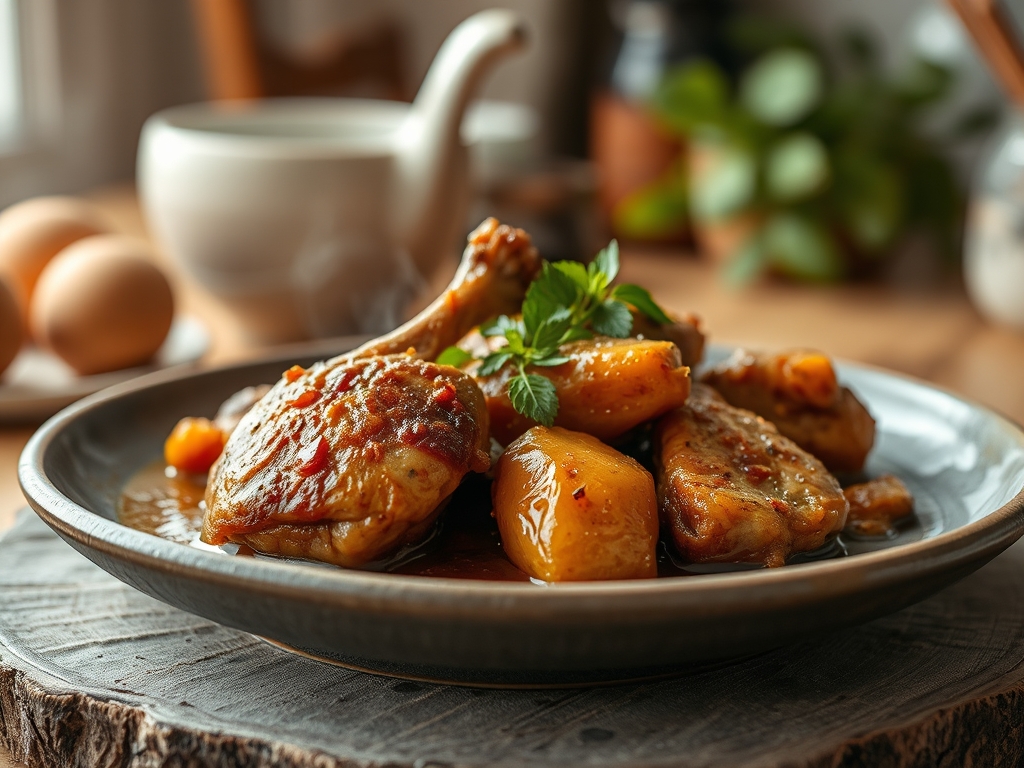
Imagine walking through your front door after a grueling ten hour day and being greeted by the scent of toasted aromatics and velvety poultry fat. That is the magic of mastering slow cooker stewed chicken recipes; it is the culinary equivalent of a warm hug from a professional chef. We are moving far beyond the watery, bland crockpot meals of the past. Instead, we are focusing on the precise mechanics of low temperature braising to create a dish where the meat yields at the mere suggestion of a fork. This method relies on the steady, gentle application of heat to transform tough connective tissues into rich, silky gelatin. By understanding the molecular dance between the amino acids in the chicken and the sugars in your vegetables, you can create a sauce that is naturally thick and deeply savory. We are going to build layers of flavor that taste like they took a week to develop, even though the ceramic insert did all the heavy lifting while you were at the office.
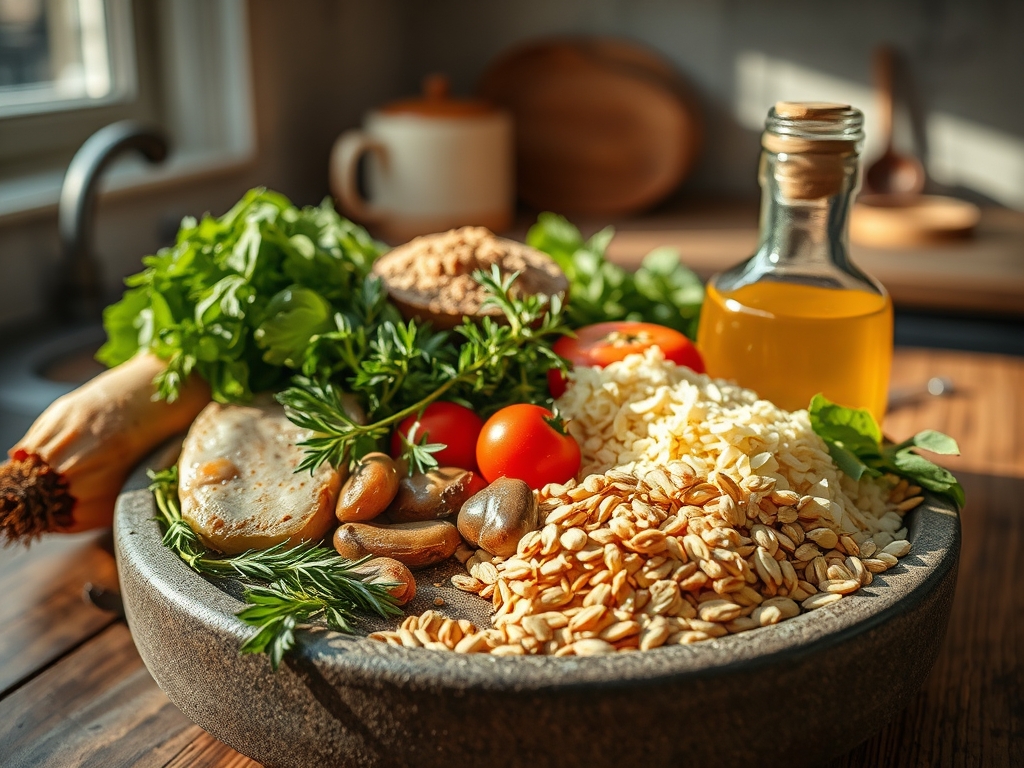
The Gathers:
To achieve a five star result, your mise-en-place must be intentional. Start with three pounds of bone-in, skin-on chicken thighs. While breasts are leaner, thighs contain higher levels of myoglobin and collagen, which are essential for maintaining moisture during an eight hour simmer. You will need a quart of high quality bone broth; look for one that is viscous at room temperature, indicating a high protein content. Gather four large carrots, three stalks of celery, and one massive yellow onion to form your mirepoix base. For the piquant punch, grab six cloves of fresh garlic and a bunch of woody herbs like rosemary and thyme.
Smart Substitutions: If you are watching your sodium, swap the store bought broth for a homemade stock reduced in a saucier to concentrate the natural minerals. For those who prefer a brighter profile, replace half a cup of broth with a dry white wine like Sauvignon Blanc to deglaze the pan and add acidity. If you cannot find fresh herbs, use one third the amount of dried herbs, as their oils are more concentrated. Use a digital scale to measure your aromatics; precision here ensures the garlic does not overpower the delicate poultry notes.
The Clock
Efficiency in the kitchen is about the Chef's Flow, or the logical sequence of operations that minimizes downtime. Your active prep time will take exactly 20 minutes. This includes the time to break down your vegetables with a sharp chef knife and sear the proteins. Once the lid is locked, the slow cooker stewed chicken recipes require either 4 to 5 hours on the High setting or 7 to 8 hours on the Low setting.
I strongly recommend the Low setting for this specific dish. The slower temperature climb allows the collagen to melt gradually without tightening the muscle fibers, resulting in a superior mouthfeel. If you are in a rush, the High setting works, but you may notice a slightly grainier texture in the meat. Factor in a 10 minute rest period at the end; this allows the internal juices to redistribute so they do not spill out onto the plate.
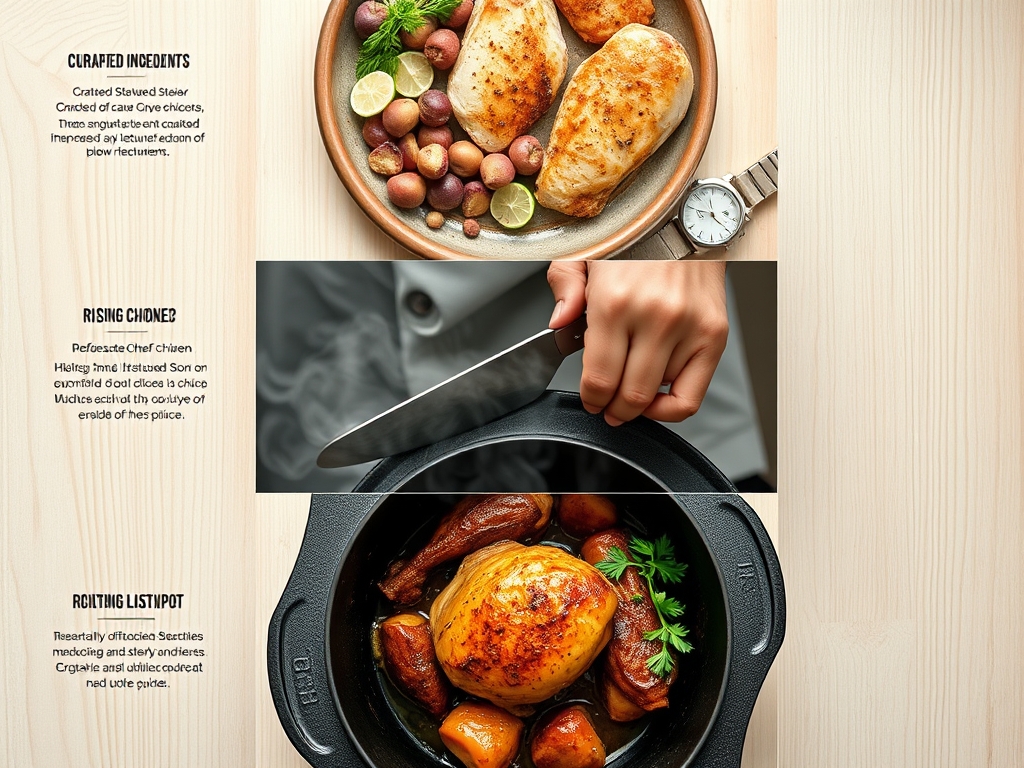
The Masterclass
1. The Maillard Sear
Place a heavy-bottomed skillet over medium-high heat. Pat the chicken skin bone-dry with paper towels to ensure maximum contact with the pan. Add a tablespoon of high smoke point oil and sear the thighs skin-side down until they are a deep, mahogany brown.
Pro Tip: This step triggers the Maillard reaction, a chemical process where amino acids and reducing sugars create hundreds of different flavor compounds. Skipping this means missing out on the savory "umami" depth that a slow cooker cannot produce on its own due to the presence of steam.
2. Sweat the Aromatics
Use tongs to remove the chicken and set it aside. In the same skillet, toss in your diced onions, carrots, and celery. Use a wooden spoon to scrape up the brown bits, or fond, from the bottom of the pan.
Pro Tip: This is called sweating the vegetables. By softening them in the rendered chicken fat before they enter the slow cooker, you are pre-releasing their natural sugars and volatile oils, which ensures they do not taste "raw" in the finished stew.
3. Deglaze and Infuse
Pour a splash of broth or wine into the hot skillet. Use a whisk to incorporate all those caramelized juices into the liquid. Add your minced garlic and herbs during the last 60 seconds to prevent burning.
Pro Tip: Garlic contains allicin, which is highly heat-sensitive. Adding it at the very end of the sauté phase preserves its pungent aroma while mellowing the sharp bite before the long braise begins.
4. The Low and Slow Braise
Transfer the vegetables and the liquid into the slow cooker insert. Nestled the seared chicken on top, keeping the skin side above the liquid line if possible. Set your timer for 8 hours on Low.
Pro Tip: This creates a thermal equilibrium. The liquid heats the bottom of the meat through conduction, while the trapped steam cooks the top through convection. This dual-action heating ensures the meat is evenly tender throughout.
5. The Final Emulsification
Once the timer hits zero, remove the chicken. If the sauce looks too thin, temper in a slurry of cornstarch and water, or use an immersion blender to puree a cup of the cooked vegetables back into the broth.
Pro Tip: This creates a stable emulsion. The starch or vegetable fibers trap the fat droplets within the liquid, turning a thin broth into a luxurious, coat-the-back-of-the-spoon sauce.
The Deep Dive
From a nutritional standpoint, this dish is a powerhouse. A single serving provides roughly 35 grams of protein and is rich in Vitamin A from the carrots and bone-strengthening minerals from the broth. To make this Keto, simply omit the carrots and use radishes instead. For a Vegan version, swap the chicken for hearty oyster mushrooms and use a kombu-based vegetable dashi. If you are Gluten-Free, ensure your broth is certified and use arrowroot powder as a thickener.
The Fix-It:
- Too Salty? Drop in a peeled, halved potato for the last 30 minutes; it acts as a sponge for excess sodium.
- Too Greasy? Use a wide spoon to skim the "scum" or fat from the surface, or drag a cold butter wrapper across the top to catch the oil.
- Bland Flavor? Stir in a teaspoon of apple cider vinegar or a squeeze of lemon. Acidity "wakes up" the heavy fats and clarifies the flavor profile.
For Meal Prep, store the stew in airtight glass containers. When reheating, do so gently on the stovetop rather than the microwave. Microwaves vibrate water molecules rapidly, which can cause the delicate protein structures to become rubbery. A gentle simmer on the stove restores the viscous quality of the sauce perfectly.
The Wrap-Up
Mastering slow cooker stewed chicken recipes is about more than just "dump and go" cooking; it is about respecting the science of the ingredients. When you take the time to sear the skin and sweat your mirepoix, you are elevating a humble weeknight meal into a gourmet experience. This dish is forgiving, nourishing, and undeniably delicious. So, grab your favorite heavy-bottomed skillet, prep your aromatics with a bench scraper, and let your slow cooker turn a few simple ingredients into a masterpiece. Your future self will thank you when dinner is served.
The Kitchen Table
Can I use frozen chicken in the slow cooker?
No, you should always thaw chicken first. Starting from frozen keeps the meat in the "danger zone" (40 to 140 degrees Fahrenheit) for too long, which allows harmful bacteria to multiply before the liquid reaches a safe temperature.
How do I prevent the chicken from becoming dry?
Always use dark meat like thighs or drumsticks. These cuts have more connective tissue and fat than breasts. If you must use breasts, reduce the cooking time by two hours to prevent the protein fibers from over-tightening and squeezing out moisture.
Why is my stew sauce so thin?
Slow cookers trap steam, which prevents evaporation. To thicken the sauce, whisk two tablespoons of cornstarch with cold water and stir it in during the last 30 minutes, or leave the lid off for the final hour of cooking.
Can I overcook chicken in a slow cooker?
Yes. Even in liquid, chicken can become "mushy" or "stringy" if left for over 10 hours on Low. The muscle fibers eventually break down completely, losing their pleasant structural integrity. Aim for the 7 to 8 hour window for perfect results.