
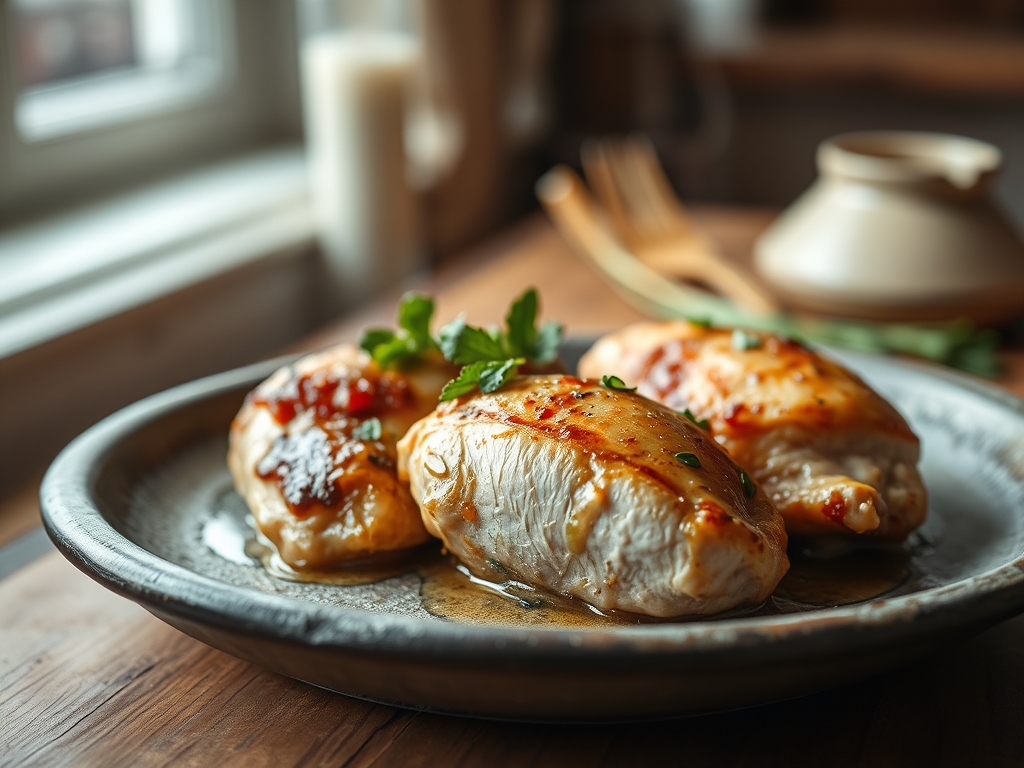
Imagine the sound of a cold, stainless steel skillet meeting a high-flame burner. Within seconds, the scent of rendering fat and toasted aromatics fills your kitchen; this is the sensory gateway to mastering the best chicken recipes for dinner. We have all been there, staring into the refrigerator at a pack of pale poultry, wondering how to transform it into something that feels like a celebration rather than a chore. The secret is not just in the seasoning, but in the molecular magic of heat and timing. By understanding how to manipulate proteins and moisture, you can turn a basic Tuesday night into a five-star culinary experience. We are moving past the days of rubbery, overcooked breasts and bland thighs. Instead, we are diving into a world of crispy skins, viscous sauces, and piquant glazes that will make your family think you have been moonlighting at a French bistro. Grab your favorite heavy-bottomed skillet and a glass of wine; it is time to revolutionize your weeknight rotation with precision and flair.
The Gathers:
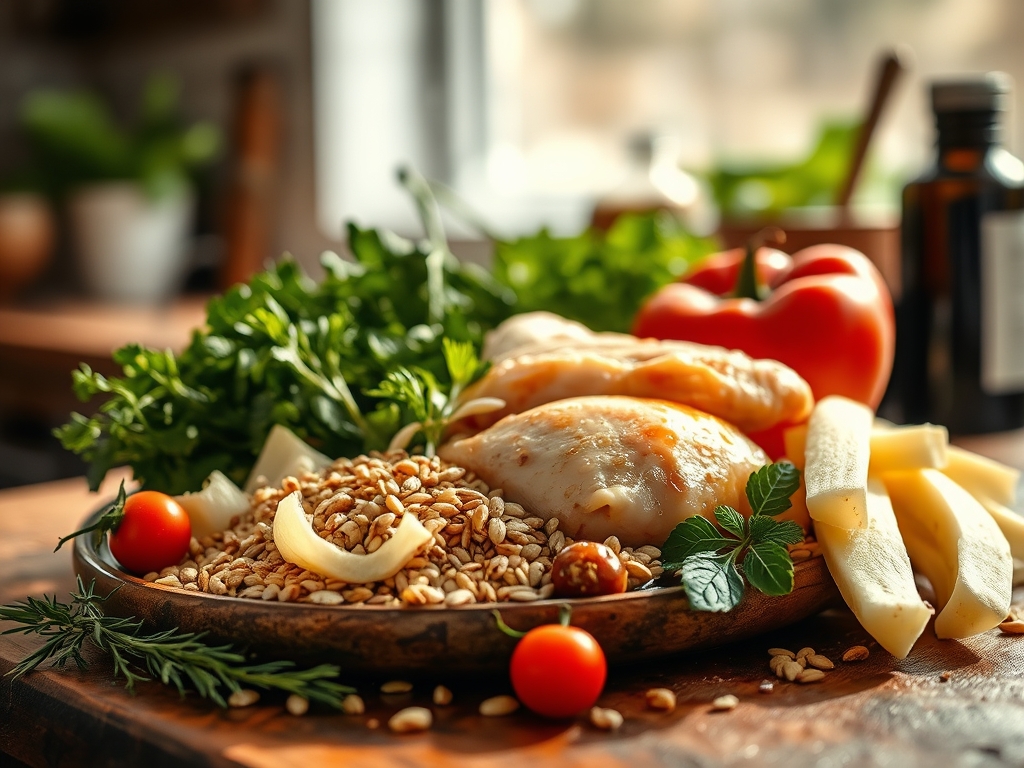
To execute these best chicken recipes for dinner, your mise-en-place must be impeccable. Start with high-quality poultry; organic, air-chilled chicken is superior because it has not been injected with a saline solution that dilutes flavor and prevents proper browning. You will need a variety of fats, specifically high-smoke point oils like avocado or grapeseed for searing, and European-style butter for finishing sauces. Your aromatics should include fresh garlic cloves, shallots for a delicate bite, and woody herbs like rosemary and thyme which contain essential oils that infuse deeply into the fat.
Do not forget the acids. Keep a bottle of dry white wine for deglazing and fresh lemons to provide a bright, enzymatic lift to the finished dish. For those following smart substitutions, you can swap heavy cream for full-fat coconut milk to maintain a viscous mouthfeel without the dairy. If you lack fresh shallots, the white parts of green onions offer a similar sulfurous profile. Always use a microplane to zest your citrus; this ensures you capture the fragrant oils without the bitter white pith.
The Clock
Efficiency in the kitchen is about mastering the Chef's Flow. For these eight variations, prep time typically hovers around 15 minutes, while active cook time ranges from 12 to 25 minutes. The total commitment is under 45 minutes, but the key is parallel processing. While your chicken is resting to allow for thermal carryover, you should be using that same pan to whisk together a pan sauce. This maximizes flavor and minimizes cleanup. Use a digital scale to ensure consistent portioning, which leads to even cooking times across all pieces of meat.
The Masterclass
1. The Perfect Sear
Place your chicken skin-side down in a preheated cast iron skillet. Do not move it. You are waiting for the Maillard reaction, a chemical reaction between amino acids and reducing sugars that creates that golden-brown crust and complex savory flavor.
Pro Tip: Use a weight or another heavy pan to press the chicken down. This increases surface area contact, ensuring the skin renders its fat evenly and becomes shatteringly crisp.
2. Deglazing the Fond
Once the chicken is removed, you will see brown bits stuck to the bottom of the pan. This is called fond. Pour in a splash of wine or stock and use a wooden spoon to scrape these bits up. This process, known as deglazing, captures concentrated flavor that would otherwise be lost.
Pro Tip: The alcohol in wine acts as a solvent, pulling out flavor compounds that are not water-soluble, resulting in a more complex sauce.
3. Emulsifying the Sauce
Lower the heat and whisk in cold cubes of butter or a dollop of Dijon mustard. You are creating an emulsion, where fat and water-based liquids combine into a smooth, glossy coating.
Pro Tip: Always use cold butter for finishing. Cold fat incorporates more slowly, creating a more stable and viscous emulsion than melted butter would.
4. Managing Thermal Carryover
Remove your chicken from the heat when it hits 160 degrees Fahrenheit. As it rests, the internal temperature will continue to rise to the safe 165-degree mark. This is called thermal carryover.
Pro Tip: Resting allows the muscle fibers to relax and reabsorb juices. If you cut into it immediately, the moisture will leak out, leaving the meat dry.
5. Aerating the Aromatics
When adding garlic or delicate herbs, toss them in the residual fat for only 30 seconds. This aerates the volatile oils, releasing their scent without burning the delicate solids.
Pro Tip: Burning garlic creates a bitter compound called diallyl disulfide which can ruin the entire flavor profile of your sauce.
6. Balancing with Acid
Just before serving, add a squeeze of fresh lemon juice or a teaspoon of sherry vinegar. This cuts through the richness of the rendered chicken fat.
Pro Tip: Acid works on a molecular level to brighten flavors by stimulating the salivary glands, which makes the savory notes of the chicken more perceptible.
7. The Texture Contrast
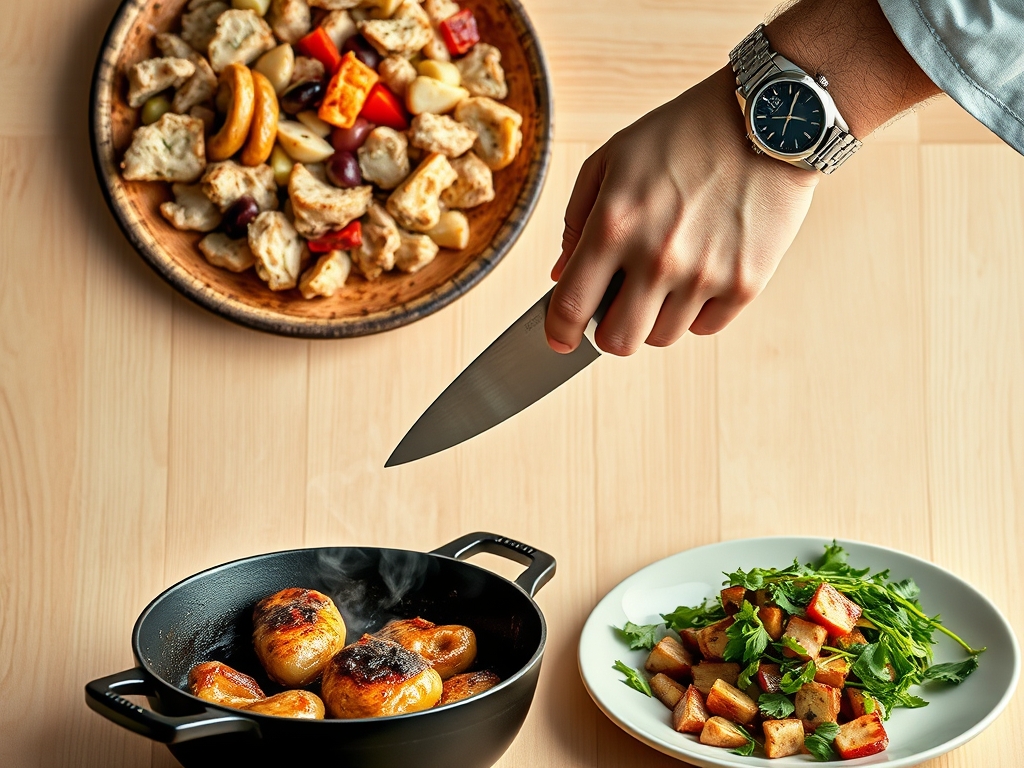
Incorporate a crunchy element like toasted pine nuts or crispy fried shallots at the very end. Note the texture in the step-by-step photos below to see how a garnish changes the visual appeal.
Pro Tip: Contrast is essential for palatability; the brain finds the combination of tender meat and crunchy topping more satisfying than a single texture.
8. The Final Infusion
Finish with a sprinkle of flaky sea salt. Unlike table salt, flaky salt provides a concentrated burst of salinity that enhances the meat's natural profile without over-seasoning the entire dish.
Pro Tip: Flaky salt has a larger surface area, allowing it to sit on top of the food rather than dissolving instantly, which provides a pleasant crunch.
The Deep Dive
From a nutritional standpoint, these best chicken recipes for dinner are powerhouses of lean protein. A standard 6-ounce serving provides roughly 45 grams of protein with minimal carbohydrates. To keep things Keto, focus on the butter-based pan sauces. For a Vegan twist, the same techniques apply to "chicken" made from seitan or oyster mushrooms; just ensure you use high-quality olive oil instead of butter.
The Fix-It:
- Soggy Skin: Your pan wasn't hot enough. Next time, wait for the oil to shimmer before adding the protein.
- Tough Meat: You likely skipped the resting phase. Give it five minutes under a tent of foil.
- Broken Sauce: If your sauce separates, whisk in a teaspoon of warm water or heavy cream to re-emulsify the fats.
Meal Prep: When reheating, avoid the microwave. Use a low-heat oven (300 degrees) with a splash of water covered in foil. This creates a gentle steam environment that prevents the proteins from tightening and becoming rubbery.
The Wrap-Up
Mastering the best chicken recipes for dinner is about more than just following a list of steps; it is about understanding the science of the kitchen. When you learn to deglaze, emulsify, and respect the rest, you transform from a cook into a chef. These eight variations are your foundation. Use them to experiment, to feed your soul, and to impress everyone at your table. Now, go grab those tongs and start searing!
The Kitchen Table
How do I get crispy chicken skin every time?
Pat the skin extremely dry with paper towels before seasoning. Use a heavy-bottomed skillet and do not crowd the pan. Crowding creates steam, which leads to rubbery skin rather than the desired Maillard-induced crispness.
What is the best way to tell if chicken is done?
Use a digital meat thermometer inserted into the thickest part of the meat. Remove the chicken at 160 degrees Fahrenheit. The temperature will rise to the safe 165-degree threshold during the essential five-minute resting period.
Can I make these recipes with frozen chicken?
You must thaw the chicken completely in the refrigerator before cooking. Cooking from frozen prevents even heat distribution, meaning the outside will overcook and dry out before the center reaches a safe internal temperature.
Why does my pan sauce always separate?
Sauces usually break because the heat is too high when adding the fat. Remove the pan from the burner before whisking in cold butter. The gradual temperature change helps create a stable, silky emulsion.