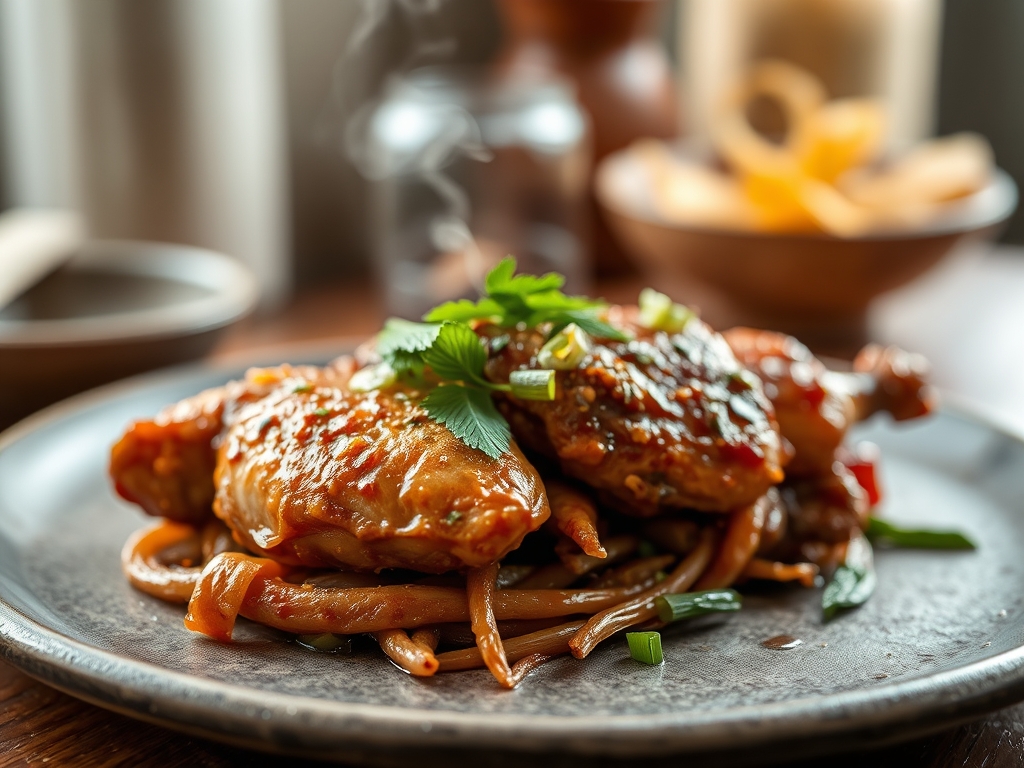
The air in a true Hunan kitchen does not just smell like food; it vibrates with the volatile compounds of fermented black beans and the sharp, piquant sting of dried bird eye chilies. If you are tired of the sugary, gloopy takeout versions, you are in the right place. These authentic hunan chicken recipes prioritize the dry heat of the wok and the complex acidity of pickling over syrupy thickeners. We are talking about thin, velvety slices of poultry seared to perfection and tossed in a sauce that balances heat, salt, and funk with mathematical precision. It is time to master the art of the "dry fry" and the "velvet."
The Gathers:
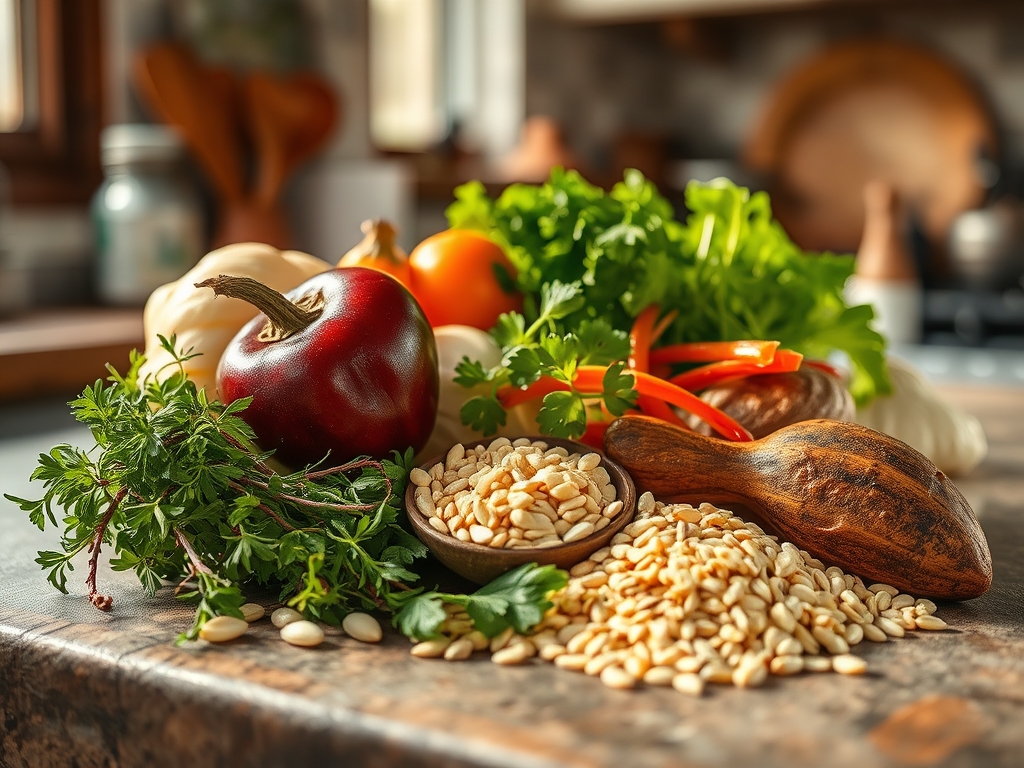
Setting up your mise-en-place is not just about organization; it is about managing the kinetic energy of a high-heat cook. For these hunan chicken recipes, your ingredient list is a chemical blueprint for flavor. You will need high-quality chicken breast or thigh, sliced against the grain to shorten the muscle fibers. The "soul" of the dish comes from Doubanjiang (fermented broad bean chili paste) and Douchi (fermented black beans). These provide the umami backbone that defines the Xiang cuisine profile.
Fresh aromatics are non-negotiable. Use a microplane to grate ginger and garlic into a fine paste, which increases the surface area for rapid infusion into the oil. Your vegetable medley should include crunchy textures like bamboo shoots, water chestnuts, and bell peppers to contrast the tender meat.
Smart Substitutions: If you cannot find Doubanjiang, a mix of miso paste and sambal oelek can mimic the fermented heat. For a gluten-free version, swap light soy sauce for liquid aminos or tamari. If you lack a traditional carbon steel wok, a heavy-bottomed skillet or a cast iron pan is your best friend because it retains the thermal mass necessary to prevent the chicken from steaming in its own juices.
The Clock
The "Chef's Flow" for these hunan chicken recipes is a sprint, not a marathon. Preparation takes approximately 20 minutes; this includes the crucial velveting process where the chicken marinates in cornstarch and egg white. The actual cooking time is a blistering 6 to 8 minutes. In a professional kitchen, we divide the flow into three phases: the Prep (slicing and whisking), the Sear (protein denaturation), and the Marriage (emulsifying the sauce with the aromatics). Do not walk away from the stove; at 400 degrees Fahrenheit, the line between caramelized and carbonized is measured in seconds.
The Masterclass
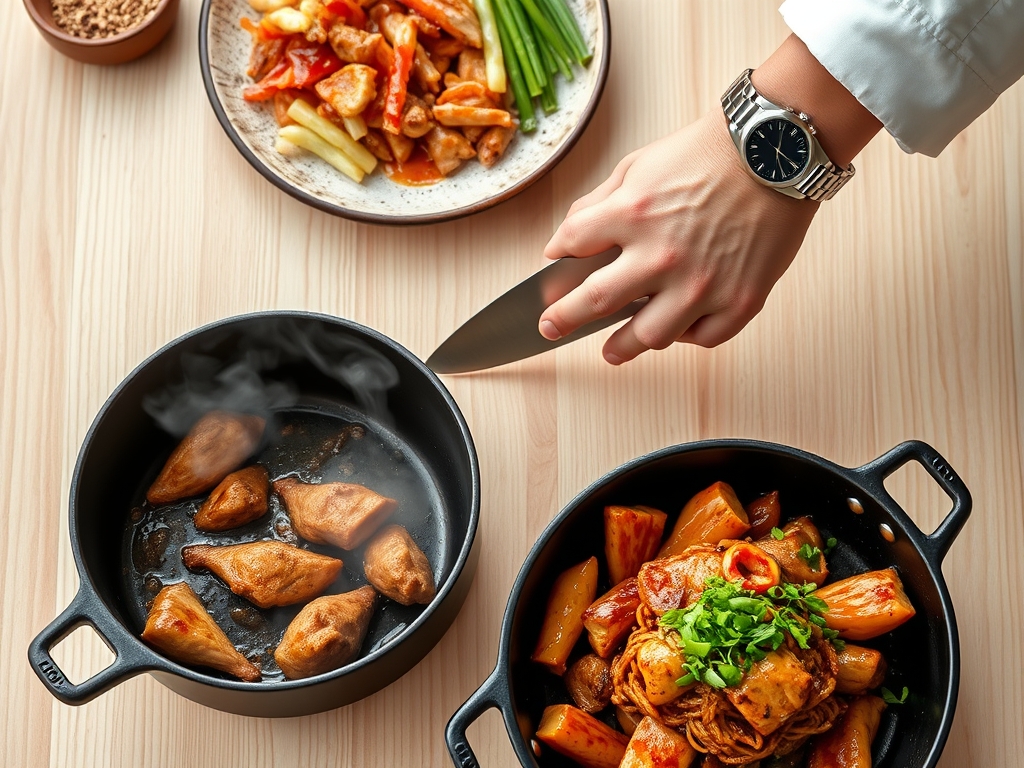
1. The Velveting Technique
Coat your sliced chicken in a mixture of cornstarch, Shaoxing wine, and a pinch of salt. This creates a protective starch barrier that prevents the proteins from tightening and becoming rubbery when hitting the high heat.
Pro Tip: This is known as starch-shielding. The cornstarch gelatinizes instantly upon contact with hot oil, trapping moisture inside the meat and ensuring a silky mouthfeel despite the intense wok heat.
2. Tempering the Aromatics
Heat your oil until it reaches the shimmering point. Toss in your ginger, garlic, and white parts of the scallions. Use tongs or a wok spatula to keep them moving constantly.
Pro Tip: This process is called blooming. Many flavor compounds in garlic and chilies are fat-soluble; heating them in oil extracts these essential oils, distributing the heat evenly throughout the entire dish.
3. The High-Sear Protein Render
Add the chicken in a single layer. Let it sit undisturbed for 60 seconds to develop a golden crust before tossing. This is where the magic happens.
Pro Tip: This triggers the Maillard reaction, a chemical reaction between amino acids and reducing sugars that creates hundreds of different flavor compounds. If the pan is too crowded, the temperature drops, and you get "gray meat" instead of a savory sear.
4. Deglazing with the Mother Sauce
Pour in your mixture of soy sauce, chicken stock, and vinegar. Use the liquid to scrape up any browned bits stuck to the bottom of the pan.
Pro Tip: This is deglazing. The acidic components in the vinegar dissolve the "fond" (the caramelized bits), incorporating those deep, concentrated flavors back into the viscous sauce.
5. The Final Emulsification
Add your vegetables and a cornstarch slurry. Toss vigorously over high heat until the sauce transitions from cloudy to translucent and clings to every surface.
Pro Tip: This is starch gelatinization. As the slurry hits 175 degrees Fahrenheit, the starch granules swell and burst, thickening the liquid into a glossy coating that resists separation.
6. The Aromatic Finish
Turn off the heat and fold in fresh cilantro, toasted sesame oil, and the green tops of your scallions. Use a digital scale to measure your finishing oils if you want consistent restaurant-quality results.
Pro Tip: We add sesame oil at the end because it has a low smoke point. Adding it too early causes the delicate nutty aromas to dissipate; adding it late preserves the volatile aromatics.
The Deep Dive
Macro Nutrition: One serving of these hunan chicken recipes typically contains 280 to 350 calories. It is a high-protein powerhouse with roughly 35g of protein, 12g of carbohydrates, and 10g of healthy fats. By controlling the oil, you make this significantly leaner than any takeout option.
Dietary Swaps: To make this Keto, omit the cornstarch and use xanthan gum (just a pinch!) as a thickener. For a Vegan version, swap chicken for extra-firm tofu or seitan; ensure you press the tofu first to remove excess water for a better sear.
The Fix-It:
- Too Salty? Add a splash of rice vinegar or a teaspoon of sugar. Acidity and sweetness act as chemical balancers to sodium.
- Too Watery? Your pan wasn't hot enough. Next time, use a heavy-bottomed skillet and cook in smaller batches to maintain thermal mass.
- Chicken is Dry? You skipped the velveting or overcooked the meat. Use an instant-read thermometer; chicken is safe and juicy at 165 degrees Fahrenheit.
Meal Prep: To maintain "day-one" quality, store the sauce and chicken separately if possible, though a complete stir-fry holds well for 3 days. When reheating, avoid the microwave if you can. Instead, use a saucier or small pan with a tablespoon of water to re-steam the vegetables and loosen the sauce without toughening the protein.
The Wrap-Up
Mastering hunan chicken recipes is about more than just following a list of ingredients; it is about understanding the physics of the wok and the chemistry of fermentation. You now have the technical knowledge to create a dish that is vibrant, spicy, and deeply satisfying. Grab your bench scraper to clear your board, fire up that burner, and show your kitchen who is boss. You have got this!
The Kitchen Table
Is Hunan chicken supposed to be very spicy?
Yes, authentic Hunan cuisine is known for "Gan La" or dry spice. Unlike Szechuan food which uses numbing peppercorns, Hunan heat is direct and sharp, derived from fresh and pickled chilies. Adjust the chili count to your personal tolerance.
Can I use chicken thighs instead of breasts?
Absolutely. Chicken thighs have more connective tissue and fat, making them more forgiving under high heat. They provide a richer flavor and remain succulent even if you accidentally over-sear them during the Maillard phase.
What makes the sauce so shiny in restaurants?
The glossy finish comes from the proper emulsification of the cornstarch slurry and a final drizzle of oil at the end. The starch must reach a specific temperature to clarify and create that professional sheen.
Why is my chicken sticking to the pan?
This usually happens if the pan is not "seasoned" or hot enough before adding the oil. Ensure the oil is shimmering and the pan is nearly smoking before the protein makes contact to ensure a clean release.