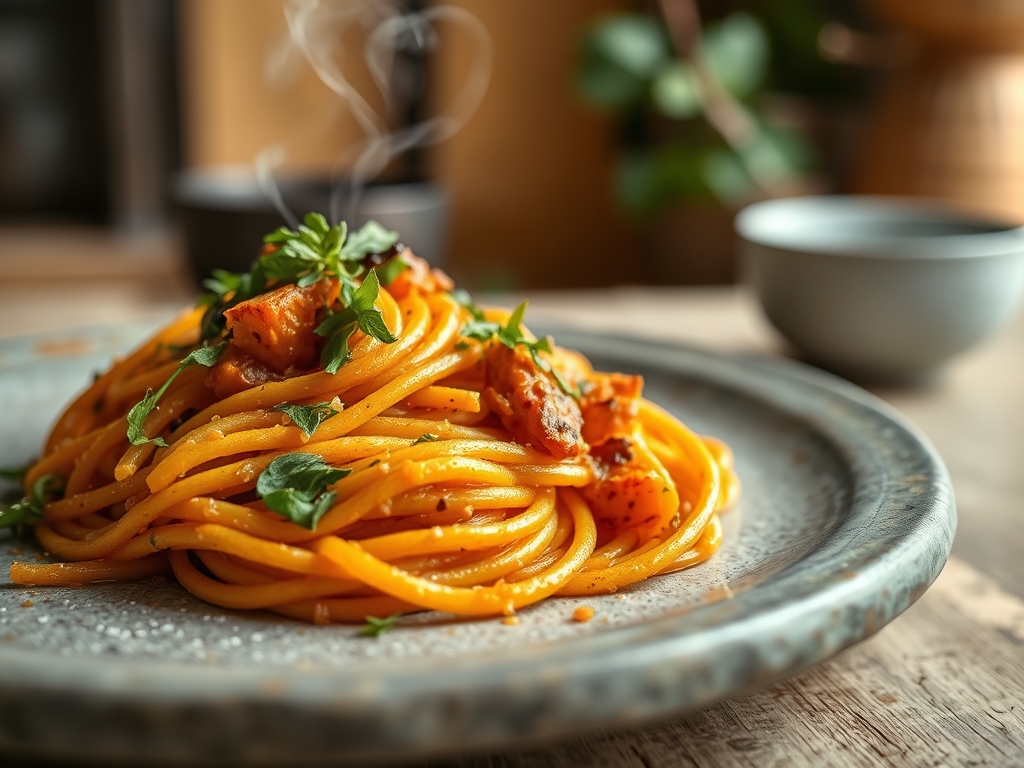
Imagine the scent of nutty, browned butter swirling around a heavy-bottomed skillet while the earthy sweetness of roasted tubers fills your kitchen. We are moving beyond the standard heavy cream sauces of the past. When you master sweet potato recipes pasta becomes a canvas for vibrant colors and complex nutrition. This is not just a meal; it is a masterclass in balancing the natural sugars of the root vegetable against the sharp, piquant notes of aged cheese and fresh herbs. We are going to transform a humble orange potato into a silky, golden sauce that clings to every noodle without the heavy caloric load of traditional Alfredo. It is smart, it is gorgeous, and it is about to become your new weeknight obsession.
The Gathers:
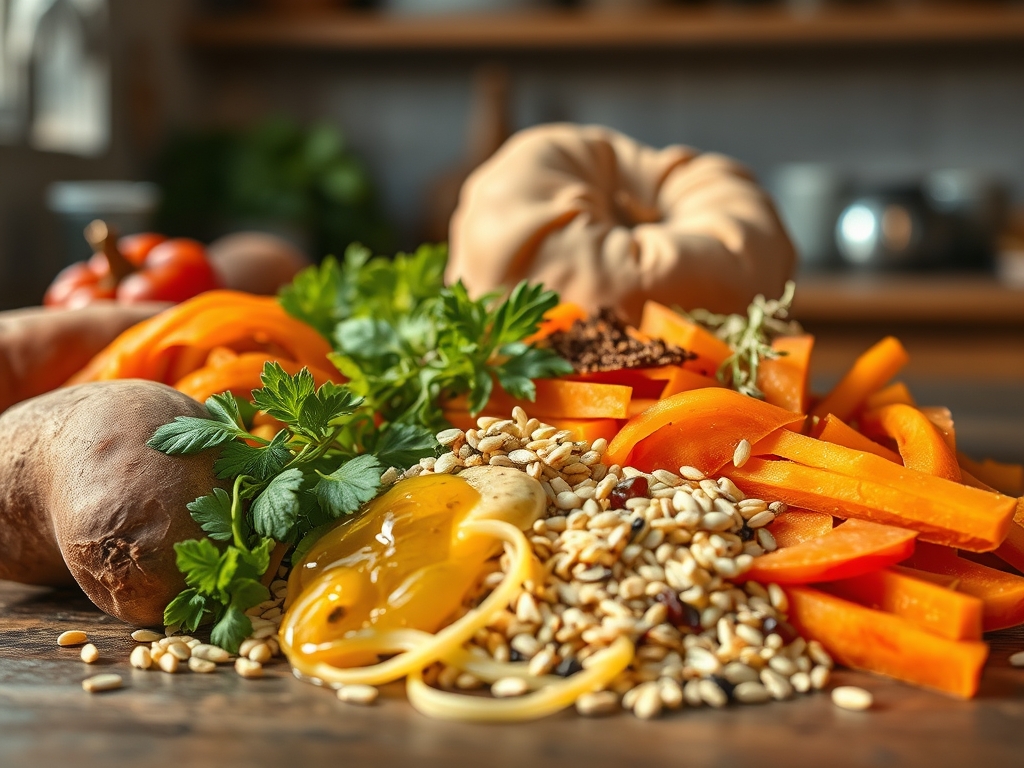
To achieve a restaurant-quality finish, your mise-en-place must be precise. Start with two large Jewel or Garnet sweet potatoes; these varieties have a higher moisture content which creates a more viscous sauce. You will need a high-quality fat source like grass-fed butter or extra virgin olive oil to infuse the base with richness. Grab your microplane for a block of Parmigiano-Reggiano and fresh nutmeg; the latter is essential for bridging the gap between savory and sweet. For the aromatics, mince three cloves of garlic and one shallot to provide a sharp contrast to the starch.
Smart Substitutions: If you are leaning into a plant-based lifestyle, swap the butter for a neutral avocado oil and use nutritional yeast to mimic the umami of cheese. For those following a gluten-free path, chickpea or brown rice pasta works beautifully here because the starch in the sweet potato helps those often-finicky noodles hold their structure. Always keep a cup of starchy pasta water on standby; this "liquid gold" is the secret to perfect emulsification.
The Clock
Efficiency in the kitchen is all about the Chef's Flow. Total preparation time takes approximately 15 minutes, while the cooking process spans 30 minutes. The trick is to overlap your tasks. While your sweet potatoes are roasting or boiling to reach a state of total cellular breakdown, you should be boiling your pasta water and prepping your aromatics. This ensures that the moment your noodles hit al dente, your sauce is hot, aerated, and ready to receive them. Never let the pasta sit in a colander; it will lose its surface starch and stick together. Timing is the difference between a cohesive dish and a clump of orange noodles.
The Masterclass
1. The Softening Phase
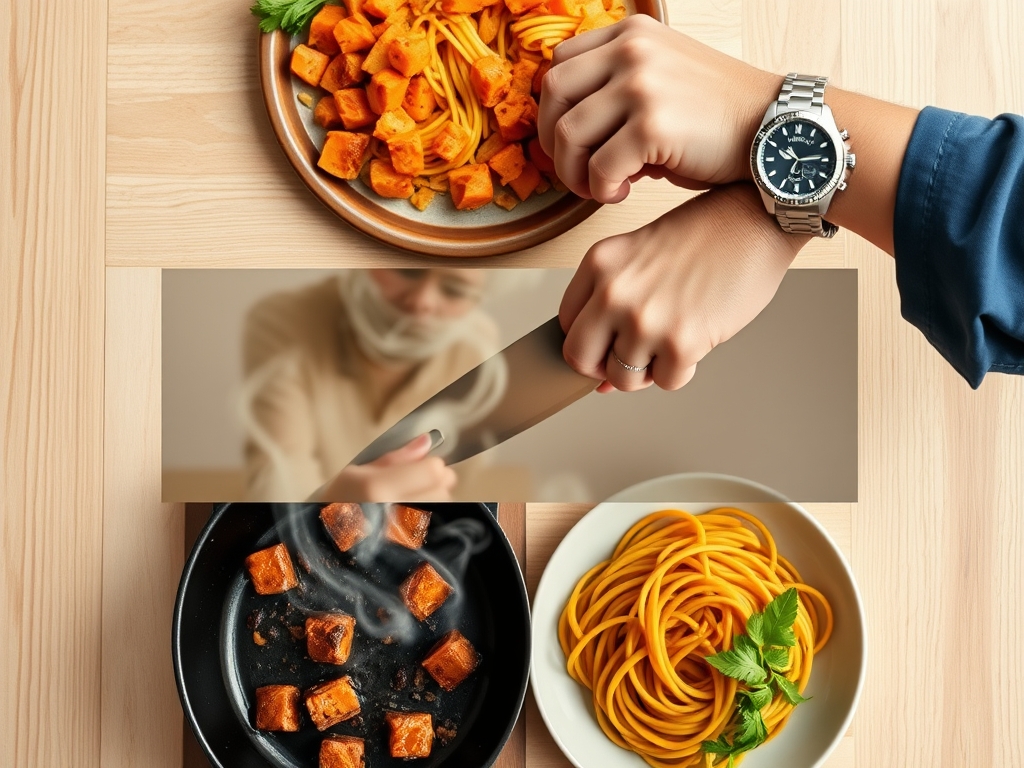
Peel and cube your potatoes into uniform half-inch pieces. Boil them in salted water until they are fork-tender or roast them at 400 degrees for a deeper, caramelized flavor profile. Using a digital scale ensures you have exactly 500 grams of potato for a consistent sauce-to-pasta ratio.
Pro Tip: This stage relies on gelatinization. As the starch granules absorb water and heat, they swell and burst, creating the creamy texture we need without adding heavy cream.
2. The Puree Precision
Transfer the cooked potatoes to a high-speed blender or use an immersion blender in a deep saucier. Add a splash of vegetable stock or pasta water and blend until the mixture is completely smooth. You are looking for a glossy, velvet-like consistency that flows slowly off a spoon.
Pro Tip: Blending at high speeds introduces air, which helps to aerate the sauce. This makes the final dish feel lighter on the palate while maintaining a rich mouthfeel.
3. The Aromatic Base
In a large heavy-bottomed skillet, melt your butter over medium heat. Add the minced shallots and garlic, sautéing until translucent but not browned. We want to avoid the bitter notes of burnt garlic, focusing instead on the mellow, sweet fragrance of softened alliums.
Pro Tip: This is the Maillard reaction in its subtlest form. Browning the butter slightly (beurre noisette) adds a toasted, nutty dimension that complements the sweet potato's natural sugars.
4. The Flavor Infusion
Whisk the sweet potato puree into the skillet with the aromatics. Add a pinch of nutmeg, salt, and cracked black pepper. If the sauce appears too thick, deglaze the pan with a small amount of dry white wine or more pasta water to loosen the proteins.
Pro Tip: Use your tongs to stir constantly. This prevents the sugars in the potato from scorching on the bottom of the pan, which would ruin the vibrant orange color.
5. The Final Emulsification
Drop your pasta into the skillet two minutes before it reaches the package's suggested cook time. Toss vigorously with the sauce, adding the grated cheese and a final splash of pasta water. The friction of tossing creates a stable emulsion between the fats, starches, and liquids.
Pro Tip: This utilizes thermal carryover. The pasta finishes cooking inside the sauce, allowing the noodles to absorb the flavors directly into their core rather than just being coated on the outside.
The Deep Dive
Macro Nutrition: One serving of this sweet potato pasta provides a massive hit of Vitamin A (over 300 percent of your daily value) and a solid dose of fiber. By using the vegetable as the sauce base, you significantly lower the saturated fat content compared to a traditional cream sauce while keeping the satiety levels high.
Dietary Swaps: For a Keto-friendly version, swap the traditional noodles for zoodles or spaghetti squash. The sweet potato sauce is higher in carbs, so use it sparingly as a flavor-packed glaze. For a vegan version, use cashew cream to add that fatty, luxurious texture that butter usually provides.
The Fix-It:
- Grainy Sauce: This usually happens if the potatoes weren't cooked long enough. Fix it by passing the puree through a fine-mesh sieve.
- Broken Sauce: If the oil is separating, add a tablespoon of boiling pasta water and whisk violently to re-emulsify.
- Bland Flavor: Sweet potatoes need acid. Add a squeeze of fresh lemon juice or a teaspoon of apple cider vinegar to brighten the entire profile.
Meal Prep: If you are reheating this the next day, do not use the microwave on high power. The starch will tighten and become gummy. Instead, reheat it in a pan with a splash of water or milk, stirring constantly to restore the original viscous texture.
The Wrap-Up
Mastering sweet potato recipes pasta is about understanding the science of starch and the art of balance. You have taken a simple root vegetable and elevated it into a sophisticated, nutrient-dense masterpiece. Whether you are hosting a dinner party or just fueling up for a busy week, this technique ensures a perfect, velvety result every single time. Now, grab your bench scraper to tidy up your station, pour a glass of crisp white wine, and enjoy the fruits of your culinary labor. You have officially leveled up your kitchen game.
The Kitchen Table
Can I make the sauce ahead of time?
Yes, you can refrigerate the sweet potato puree for up to three days. When ready to eat, simply reheat it in a saucier with a bit of pasta water to restore its silky, pourable consistency before tossing with fresh noodles.
What pasta shape works best for this sauce?
Rigatoni or fusilli are ideal choices. Their ridges and hollow centers are designed to capture the thick, viscous sweet potato sauce; this ensures you get a perfect burst of flavor in every single bite.
How do I prevent the garlic from burning?
Add your garlic only after the shallots have softened. Garlic has a lower water content and higher sugar levels; it browns much faster. Keep the heat at medium-low and move it constantly with your tongs or a spatula.
Is it possible to overcook the sweet potatoes?
While difficult, overcooking can make them waterlogged and flavorless. Aim for "fork-tender" where the potato gives way easily but does not disintegrate into the water. This preserves the structural integrity and the concentrated sweetness of the tuber.