
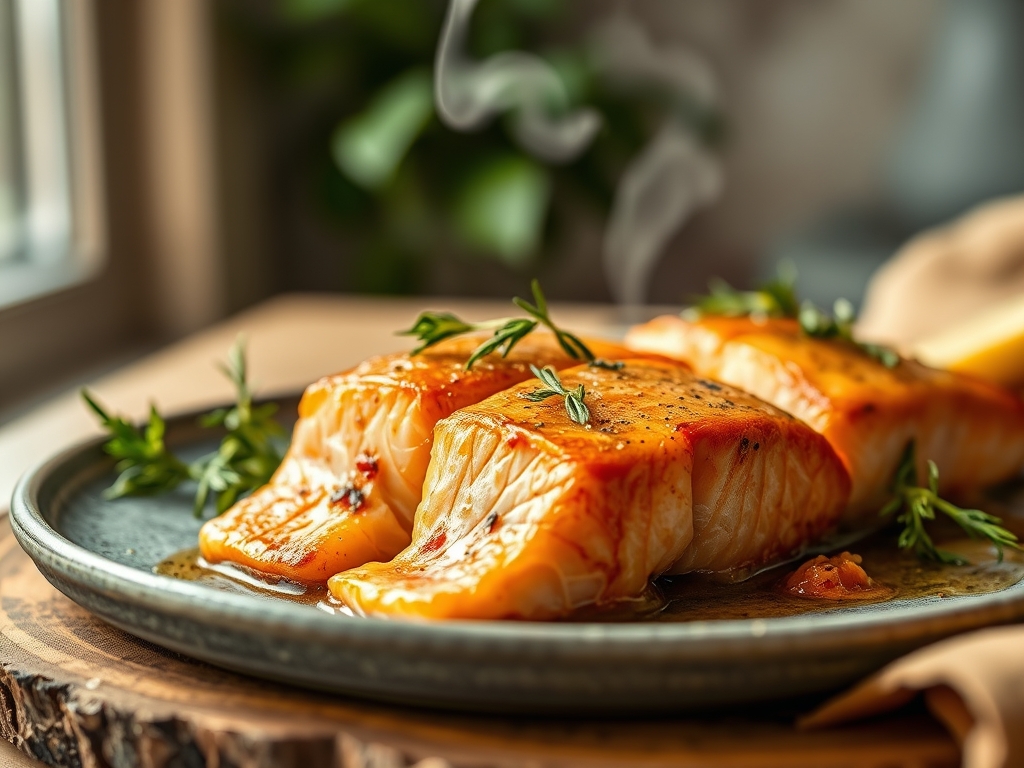
The smell of rendering fat and caramelized citrus hitting a hot pan is the ultimate antidote to a gray February afternoon. When you are craving something that feels like a warm hug but performs like a high-end bistro meal; winter salmon recipes are the absolute gold standard for home cooks. We are moving past the light; citrusy salads of July and entering the season of deep; umami-heavy glazes and slow-roasted fillets that flake under the slightest pressure from a fork.
Imagine a thick cut of King salmon resting on a bed of charred root vegetables; its skin shattered into a salty crisp while the interior remains a buttery; translucent pink. This is not just dinner; it is a masterclass in moisture retention and thermal control. Winter demands a higher fat content and bolder aromatics to cut through the chill. Whether you are hosting a candlelit dinner or just trying to survive a Tuesday; these six variations on the winter roast will transform your kitchen into the warmest room in the house. Grab your favorite heavy-bottomed skillet and let us get into the molecular magic of the perfect roast.
The Gathers:
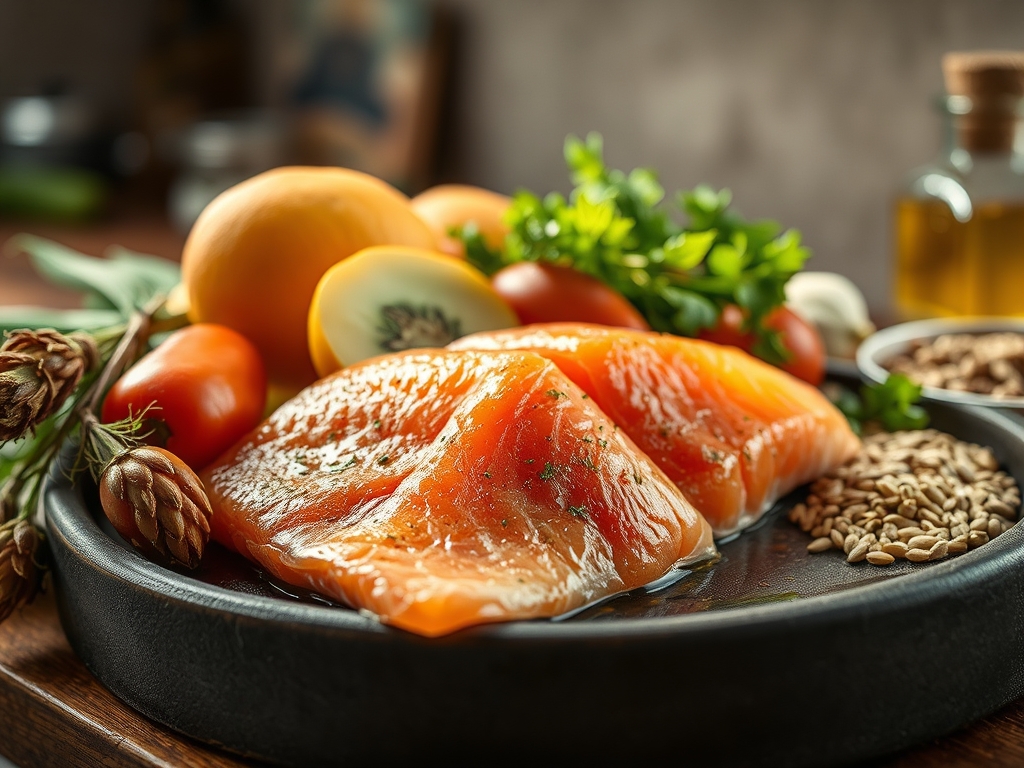
To execute these winter salmon recipes with precision; your mise-en-place must be impeccable. We are looking for high-quality fats and aromatics that can withstand sustained heat without scorching. Start with your protein: seek out Coho or King salmon for their superior marbling; which provides a safety net against overcooking. You will need a microplane for zesting winter citrus and grating fresh ginger into a fine; fibrous paste that integrates seamlessly into glazes.
The aromatics are the backbone here. Gather fresh rosemary; thyme; and sage; which contain volatile oils that become more viscous and fragrant when heated. For the liquids; keep a high-quality olive oil and a bottle of dry white wine or apple cider nearby to deglaze the pan. If you are looking for a Smart Substitution; swap honey for maple syrup to lean into those earthy; autumnal notes; or use coconut aminos instead of soy sauce for a lower-sodium; gluten-free umami punch. Always use a digital scale for your dry rubs to ensure the salt-to-sugar ratio is perfect for achieving that coveted Maillard reaction.
The Clock
Efficiency in the kitchen is all about the Chef's Flow. For these roasts; expect a total active prep time of 15 minutes and a cook time ranging from 12 to 20 minutes depending on the thickness of the fillet. The secret to professional timing is the "room temperature rest." Never pull a cold fillet straight from the refrigerator and drop it into a hot pan; the thermal shock will cause the muscle fibers to contract violently; squeezing out moisture and leaving you with a dry; tough result.
Instead; allow your salmon to sit on the counter for 20 minutes while you prep your vegetables. This ensures the internal temperature rises evenly. While the salmon roasts; use that 15-minute window to whip up a quick pan sauce or a bright gremolata. By the time the timer dings; your kitchen is clean; your sides are ready; and the fish is perfectly rested.
The Masterclass
1. The Surface Prep
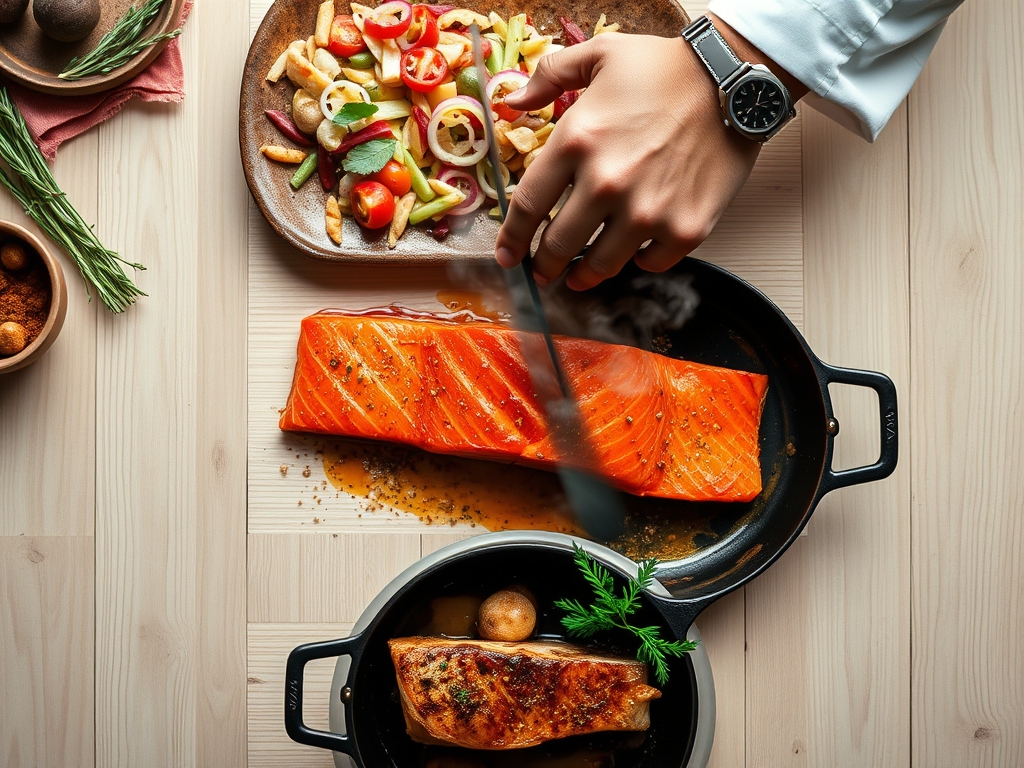
Dry the skin of the salmon using paper towels until it is bone-dry to the touch. Moisture is the enemy of crispness because it creates steam; which prevents the skin from reaching the temperatures necessary for browning. Use a bench scraper to move your fillets without tearing the delicate flesh.
Pro Tip: This is known as surface dehydration. By removing all external water; you allow the heat of the pan to immediately begin rendering the subcutaneous fat rather than wasting energy evaporating surface moisture.
2. The Seasoning Layer
Apply your dry rub or salt at least 10 minutes before cooking or immediately before the fish hits the heat. If you salt and let it sit for only 2 minutes; the salt draws moisture to the surface via osmosis but hasn't had time to reabsorb; resulting in a slippery; gray exterior.
Pro Tip: Salt acts as a denaturant; partially breaking down the protein structures on the surface so they can trap more moisture during the roasting process.
3. The Searing Phase
Heat your heavy-bottomed skillet until the oil just begins to shimmer and reach its smoke point. Place the salmon skin-side down and press firmly with a flexible spatula for 30 seconds to prevent the skin from curling.
Pro Tip: This initial pressure ensures maximum surface area contact; facilitating even conduction of heat and a uniform golden-brown crust.
4. The Aromatic Infusion
Toss in smashed garlic cloves; sprigs of thyme; and a knob of cold butter. As the butter foams; use a large spoon to baste the hot; flavored fat over the top of the fish. This adds a layer of nutty flavor known as beurre noisette.
Pro Tip: Basting creates a secondary heat source; cooking the top of the fillet gently via convection while the bottom sears; leading to a more even gradient of doneness.
5. The Oven Transition
Slide the entire skillet into a 400-degree oven to finish. This provides surrounding heat that cooks the center of the fillet without burning the bottom skin. Use tongs to check for firmness; the fish should have a slight give but feel resilient.
Pro Tip: Use an instant-read thermometer to pull the fish at 125 degrees Fahrenheit. Thermal carryover will continue to raise the internal temperature by 5 to 7 degrees as it rests.
6. The Rest and Deglaze
Remove the fish to a warm plate and let it rest for 5 minutes. While it rests; return the skillet to the stove and add a splash of acid; like lemon juice or vinegar; to deglaze the brown bits (fond) from the bottom of the pan.
Pro Tip: Resting allows the internal juices to redistribute and the protein fibers to relax; ensuring that the moisture stays inside the fish when you finally flake it open.
The Deep Dive
From a macro perspective; winter salmon recipes are a nutritional powerhouse. A 6-ounce fillet provides roughly 34 grams of high-quality protein and is rich in Omega-3 fatty acids; which are essential for brain health during the darker months. For Dietary Swaps; Keto followers should lean into the butter-basting technique for healthy fats; while those looking for a Vegan alternative can apply these same glazing and roasting techniques to thick slabs of "salmon-style" marinated tofu or cauliflower steaks.
The Fix-It: Common Pitfalls
- White Gunk (Albumin): If you see white liquid seeping out; you are cooking it too fast or too high. Fix this by lowering the oven temp and pulling the fish 5 degrees earlier next time.
- Soggy Skin: This happens when you crowd the pan. Use a larger skillet or cook in batches to allow steam to escape.
- Sticking: If the fish won't lift; it isn't ready. The skin will naturally release from the pan once the proteins have fully caramelized.
Meal Prep & Reheating: To maintain "day-one" quality; never microwave salmon. Reheat it in a 275-degree oven with a splash of water and a tight foil cover to aerate the steam and gently warm the fats without overcooking the delicate protein.
The Wrap-Up
Mastering winter salmon recipes is about more than just following a set of instructions; it is about understanding the relationship between heat; fat; and time. When you treat the ingredient with respect; using the right tools and scientific principles; you end up with a meal that is both sophisticated and deeply comforting. So; light a candle; pour a glass of something crisp; and enjoy the process of creating a restaurant-quality roast in your own sanctuary.
The Kitchen Table
How do I prevent salmon from smelling "fishy"?
Buy high-quality; fresh fish and rinse it with cold water before patting it dry. The "fishy" smell comes from trimethylamine; which develops as fish ages. Fresh salmon should smell like the clean; salty ocean.
Can I roast salmon from frozen?
Yes; but for the best texture; use the low and slow method. Brush with oil; cover tightly with foil; and bake at 325 degrees. This prevents the outside from toughening before the center thaws and cooks.
What is the best way to get crispy skin?
Ensure the skin is bone-dry and the pan is hot before adding the fish. Use a high-smoke-point oil like avocado oil and do not move the fillet for the first three minutes of searing.
How do I know when the salmon is done?
The most reliable method is using a digital thermometer to reach 125-130 degrees Fahrenheit. Alternatively; the flesh should easily flake along the natural white fat lines when pressed gently with a fork.