
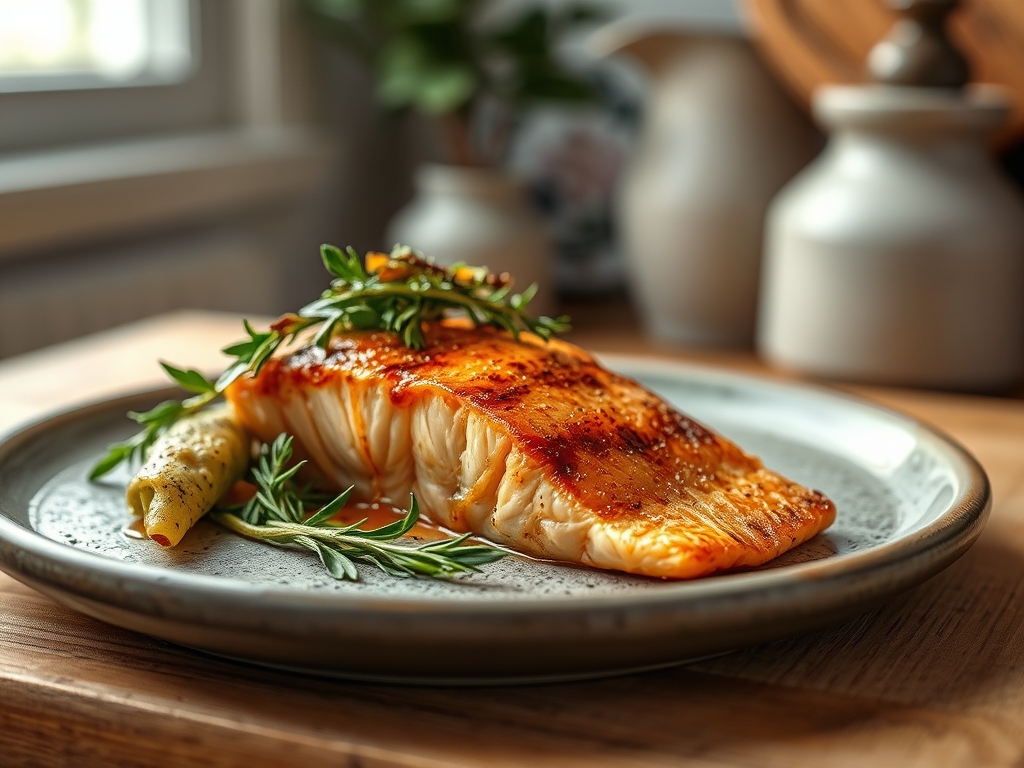
Picture a heavy-bottomed skillet shimmering with a thin veil of avocado oil as it reaches its smoke point. You lay down a cold, center-cut fillet and the kitchen erupts into a rhythmic, aggressive sizzle. That sound is the symphony of amino acids and reducing sugars reacting under high heat. If you have been searching for gluten free salmon recipes that actually deliver a restaurant-grade crust without the gummy binders, you have arrived at the right place. We are moving beyond the basic steamed fish and into the realm of high-science searing and delicate emulsions.
Salmon is the ultimate canvas for gluten-free cooking because its high fat content provides a natural, luscious mouthfeel that compensates for the lack of traditional flour-based thickeners. Today, we are mastering eight distinct flavor profiles. We will use everything from miso-glazes to herb-crusts to ensure your repertoire is as versatile as it is safe for your gut. Grab your digital scale and your sharpest chef knife; we are about to turn a simple protein into a technical masterpiece that just happens to be entirely wheat-free.
The Gathers:
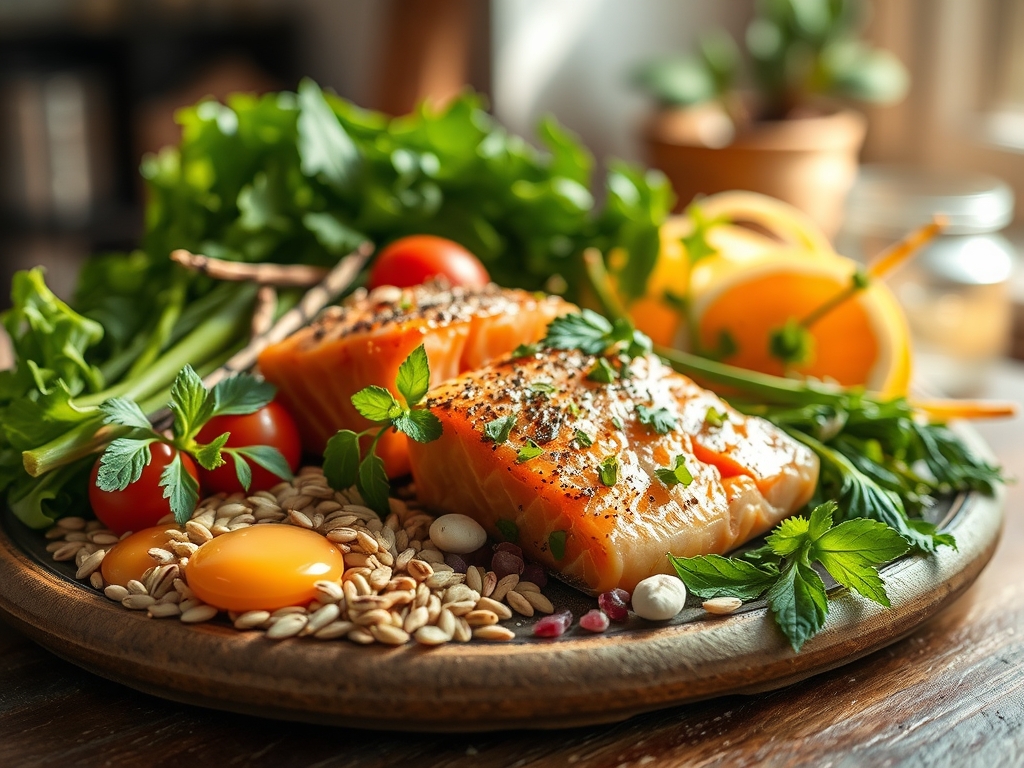
The secret to professional gluten free salmon recipes lies in the mise-en-place. To achieve a piquant and balanced profile, you must gather ingredients that offer high impact without hidden fillers. Start with high-quality Atlantic or King salmon fillets. Ensure they are patted bone-dry with lint-free towels to prevent steam from ruining your sear. You will need a high-quality Tamari or liquid aminos to replace traditional soy sauce; these provide the essential umami and salt without the wheat protein.
For texture, reach for superfine almond flour or crushed gluten-free panko. These act as your structural agents when creating a crust. You will also need aromatics like fresh ginger, garlic, and shallots. Use a microplane to zest organic lemons and limes; the essential oils in the zest provide a bright, volatile aroma that cuts through the oily richness of the fish. For fats, keep grass-fed butter or ghee on hand for basting, along with a high-smoke-point oil like grapeseed or avocado oil. Smart substitutions are key: use arrowroot powder instead of cornstarch for a more translucent, viscous sauce that holds its gloss even as it cools.
The Clock: Timing the Perfect Sear
Efficiency in the kitchen is about the "Chef's Flow." This is the sequence of operations that ensures nothing sits getting cold while you finish a side dish. For these gluten free salmon recipes, your active prep time is roughly 15 minutes. This includes your knife work and measuring ingredients on a digital scale for precision. The actual cooking time is remarkably fast; usually 6 to 10 minutes depending on the thickness of the fillet.
The flow begins with tempering your fish. Take it out of the refrigerator 20 minutes before cooking to ensure the interior reaches the target temperature at the same time the exterior finishes browning. While the fish tempers, you prepare your glazes and garnishes. The final 5 minutes of the clock are reserved for resting. Never skip the rest; it allows the muscle fibers to relax and reabsorb the juices, ensuring every bite is succulent rather than dry.
The Masterclass:
1. The Critical Dry-Down
Use a bench scraper to clear your workspace and lay your fillets on a clean surface. Use paper towels to press firmly into the skin and flesh. Moisture is the enemy of the Maillard reaction. If the surface is wet, the energy of the pan goes into evaporating water rather than browning the protein.
Pro Tip: This is about thermodynamics. By removing surface moisture, you allow the surface temperature to rapidly exceed 300 degrees Fahrenheit, which triggers the Maillard reaction for a savory, complex crust.
2. Seasoning and Thermal Prep
Season your fillets generously with kosher salt from a high altitude to ensure even coverage. Do not add pepper yet; it can burn in a hot skillet and turn bitter. Heat your heavy-bottomed skillet until the oil shimmers and moves like water.
Pro Tip: Salt acts as a denaturant. It begins to break down the protein structure on the surface, which eventually helps create a tighter, more cohesive sear that locks in moisture.
3. The Initial Sear
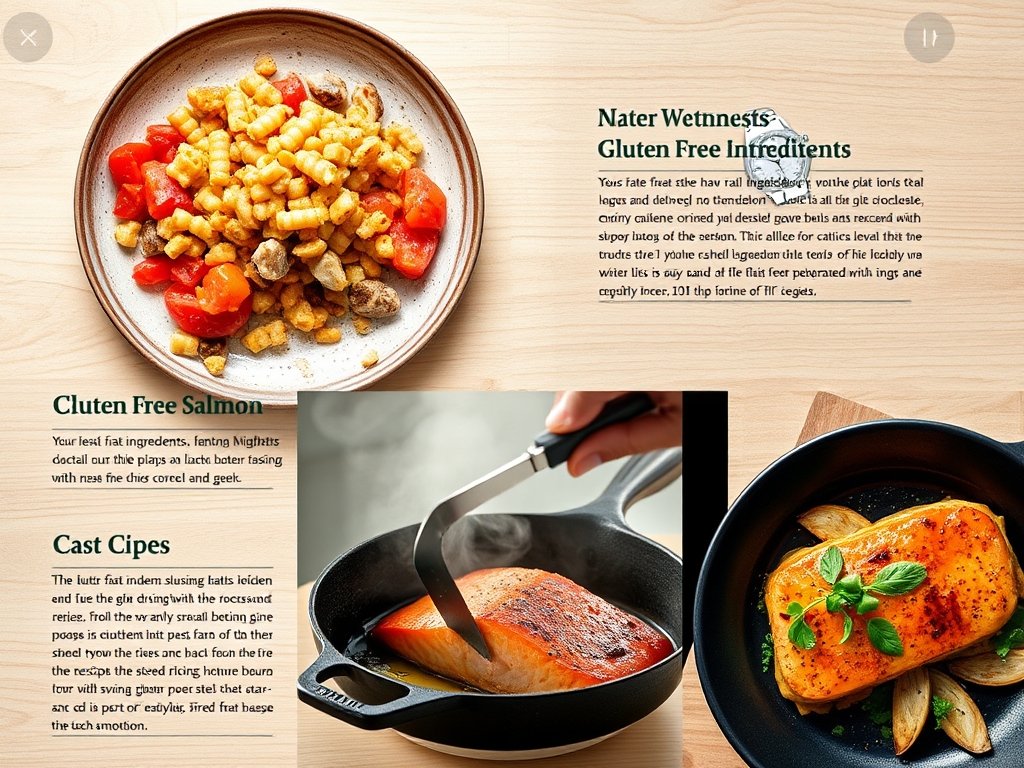
Place the salmon skin-side down using metal tongs. Press down gently with a flexible fish spatula for the first 30 seconds. This prevents the skin from curling as the collagen fibers contract under sudden heat.
Pro Tip: This is known as protein denaturation. Applying pressure ensures maximum surface contact, leading to an even, glass-like crispness on the skin.
4. Managing the Heat
Reduce the heat to medium-high. Watch the side of the fillet; you will see the color change from translucent pink to opaque beige as the heat climbs. Flip the fish only once when the opaque color has reached about halfway up the side.
Pro Tip: This is monitoring thermal conduction. By watching the "cook line" move up the fillet, you can accurately judge the internal temperature without constantly piercing the meat.
5. The Butter Baste
Add a knob of ghee or butter, smashed garlic, and thyme to the pan. Use a large spoon to continuously pour the foaming fat over the fish. This is called "arroser." It adds a nutty depth and finishes the cooking process gently.
Pro Tip: Butter basting utilizes convection. The hot fat carries flavor into every crevice of the fish while the milk solids (in ghee or butter) undergo further browning for a rich finish.
6. The Glaze Application
If your recipe calls for a glaze, such as a honey-tamari reduction, add it in the final 60 seconds. Use a saucier to pre-warm the glaze so it does not shock the fish. The sugars will caramelize quickly, so stay vigilant.
Pro Tip: This is enzymatic browning and sugar caramelization. The glaze creates a viscous coating that adheres to the protein through hydrogen bonding, creating a glossy, professional look.
7. Checking Internal Doneness
Use an instant-read thermometer to check the thickest part of the fillet. For a perfect medium-rare, pull the fish at 125 degrees Fahrenheit. The temperature will continue to rise during the rest.
Pro Tip: This is thermal carryover. The residual heat on the surface continues to move toward the center even after the fish is removed from the pan, often raising the internal temp by 5 degrees.
8. The Essential Rest
Transfer the salmon to a warm plate or a wooden board. Let it sit undisturbed for at least 3 to 5 minutes before serving. This is the moment where the texture transitions from "cooked" to "perfect."
Pro Tip: During the rest, the internal pressure of the steam subsides. This allows the liquid to redistribute among the protein strands, ensuring the fish stays moist when you finally flake it with a fork.
The Deep Dive:
When we look at the macro nutrition of these gluten free salmon recipes, we see a powerhouse of Omega-3 fatty acids and high-quality protein. A standard 6-ounce fillet provides roughly 34 grams of protein and 20 grams of healthy fats. For those following a Keto protocol, these recipes are naturally compliant. To make them vegan, you can apply these same searing techniques to thick slabs of "watermelon tuna" or firm tofu, though the cook times will vary.
"The Fix-It" guide for common pitfalls: If your skin is sticking, you likely tried to flip it too early; wait for the protein to naturally release from the pan. If the fish is white and "oozing," that is albumin. It happens when the heat is too high, too fast; lower your flame next time. If your sauce is broken or oily, whisk in a teaspoon of warm water to re-emulsify the fats. For meal prep, reheat your salmon in a 275-degree oven with a splash of water covered in foil. This gentle steaming prevents the fats from oxidizing and turning "fishy."
The Wrap-Up:
Mastering gluten free salmon recipes is about more than just avoiding wheat; it is about embracing the chemistry of great cooking. By focusing on surface moisture, thermal control, and the magic of the Maillard reaction, you can create a meal that feels like a celebration every single night. Whether you are hosting a dinner party or just fueling your body after a long day, these techniques ensure your salmon is always the star of the table. Now, get that skillet hot and show that fillet who is boss!
The Kitchen Table:
Can I use frozen salmon for these recipes?
Yes, but you must thaw it completely in the refrigerator first. Pat it extremely dry to remove excess moisture from the freezing process. This ensures the skin still gets crispy despite the previous ice crystals.
What is the best substitute for soy sauce?
Tamari is the gold standard for gluten-free cooking because it is fermented similarly to soy sauce but without wheat. Coconut aminos are a great soy-free and gluten-free alternative if you prefer a slightly sweeter profile.
How do I stop my salmon from smelling fishy?
Freshness is key, but you can also rinse the fillets in cold water and pat them dry. The "fishy" smell comes from trimethylamine; an acidic marinade like lemon juice or a quick soak in milk can neutralize it.
Why does my salmon have white stuff on it?
That white substance is albumin, a harmless protein that pushes to the surface when the muscle fibers contract too quickly. To minimize this, cook the salmon at a slightly lower temperature and do not overcook it.
Is salmon skin actually edible?
Absolutely, and it is packed with nutrients. When seared correctly using the techniques above, it becomes thin and cracker-crisp. It provides a wonderful textural contrast to the buttery soft flesh of the fish.