
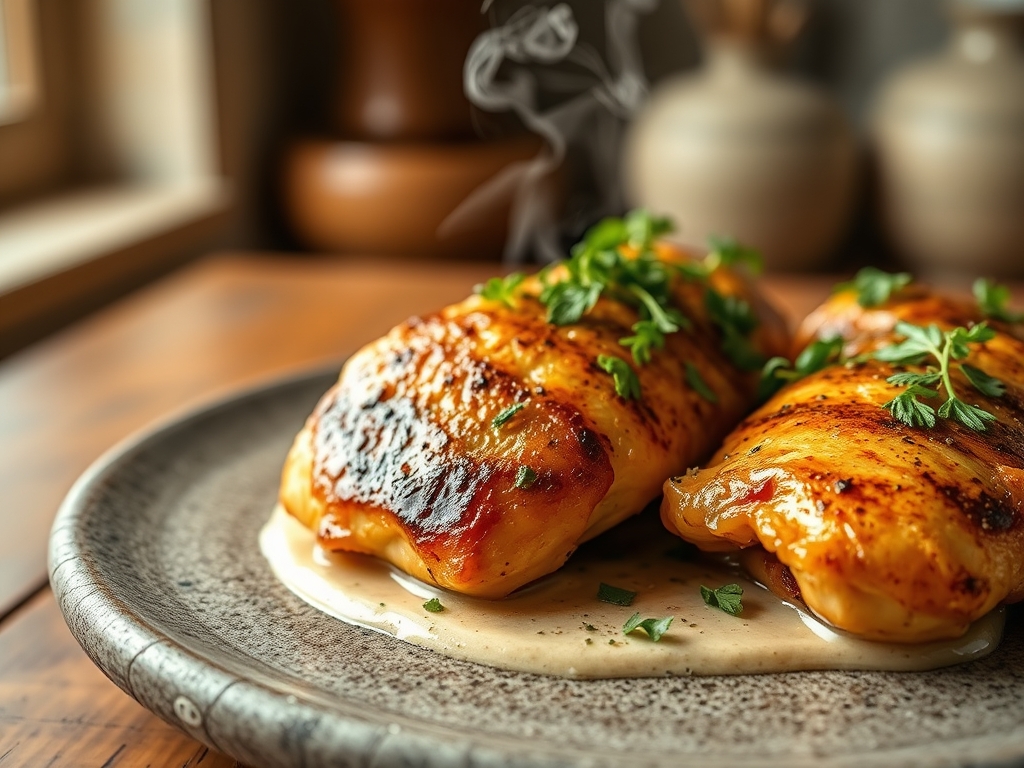
The moment chicken hits a hot grill grate, those first wisps of smoke carry the promise of caramelized skin and juice-locked meat. Summer cooking demands speed, brightness, and flavor that cuts through the heat without weighing you down. These summertime chicken recipes lean into citrus marinades, herb-forward sauces, and high-heat techniques that deliver restaurant-quality results in under 40 minutes. No heavy cream sauces. No hour-long braises. Just clean protein, bold acid, and the kind of char that makes your neighbors lean over the fence. Whether you're grilling bone-in thighs, pounding out cutlets for quick sears, or spatchcocking a whole bird for even cooking, each recipe here maximizes surface area for browning while keeping interiors at a safe 74°C (165°F) without drying out. Let's cook.
The Gathers
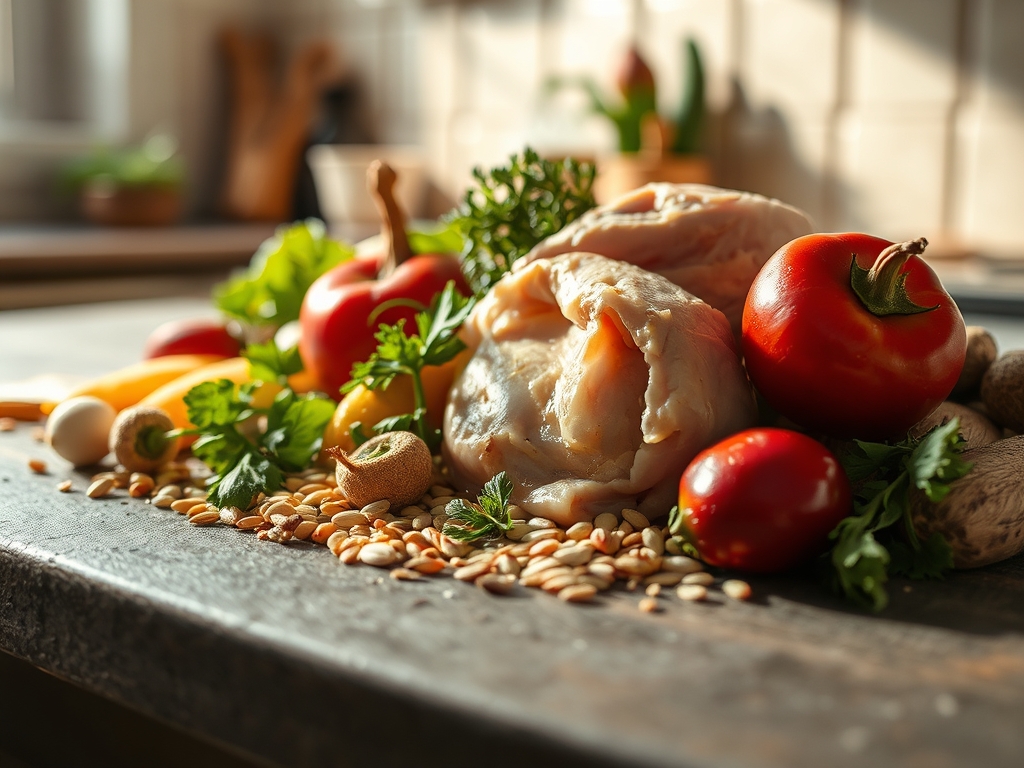
As you see in the ingredient spread below, the foundation starts with bone-in, skin-on chicken thighs (1.8 kg), their marbled fat content insurance against overcooking. You'll need fresh lemons (6, for both marinade and finishing), garlic cloves (12, smashed), extra-virgin olive oil (120 ml), honey (45 ml), Dijon mustard (30 ml), fresh thyme and rosemary (10 sprigs each), smoked paprika (15 ml), kosher salt (20 g), and cracked black pepper (10 g). The citrus provides enzymatic tenderization while the honey accelerates Maillard browning. For the tomato-cucumber salad that accompanies three of these recipes, grab heirloom tomatoes (900 g), English cucumber (2), red onion (1, thinly shaved), fresh mint and basil (1 bunch each), and red wine vinegar (30 ml). The raw allium bite mellows in the acid bath.
Smart Substitutions: Swap thighs for boneless breasts (reduce cook time by 6 minutes). Replace honey with maple syrup for deeper caramel notes. Use lime instead of lemon for a sharper, more tropical profile. If fresh herbs are unavailable, dried versions work at one-third the volume, but add them during cooking, not in the marinade, to prevent bitterness.
The Clock
Prep time: 20 minutes (includes pounding, marinating, and vegetable prep). Cook time: 28 minutes (22 minutes active grilling plus 6 minutes rest). Total time: 48 minutes from fridge to fork.
Chef's Flow: While the grill preheats to 230°C (450°F), marinate the chicken. As it rests in the marinade (minimum 15 minutes, maximum 2 hours), prep your salad and set up your finishing station with lemon halves and fresh herbs. Start thighs skin-side down, then use those first 8 minutes to toast bread or char vegetables on the cooler zone. Pull the chicken at 71°C (160°F) internal; carryover will hit 74°C (165°F) during rest. This overlap saves 10 minutes of downtime.
The Masterclass
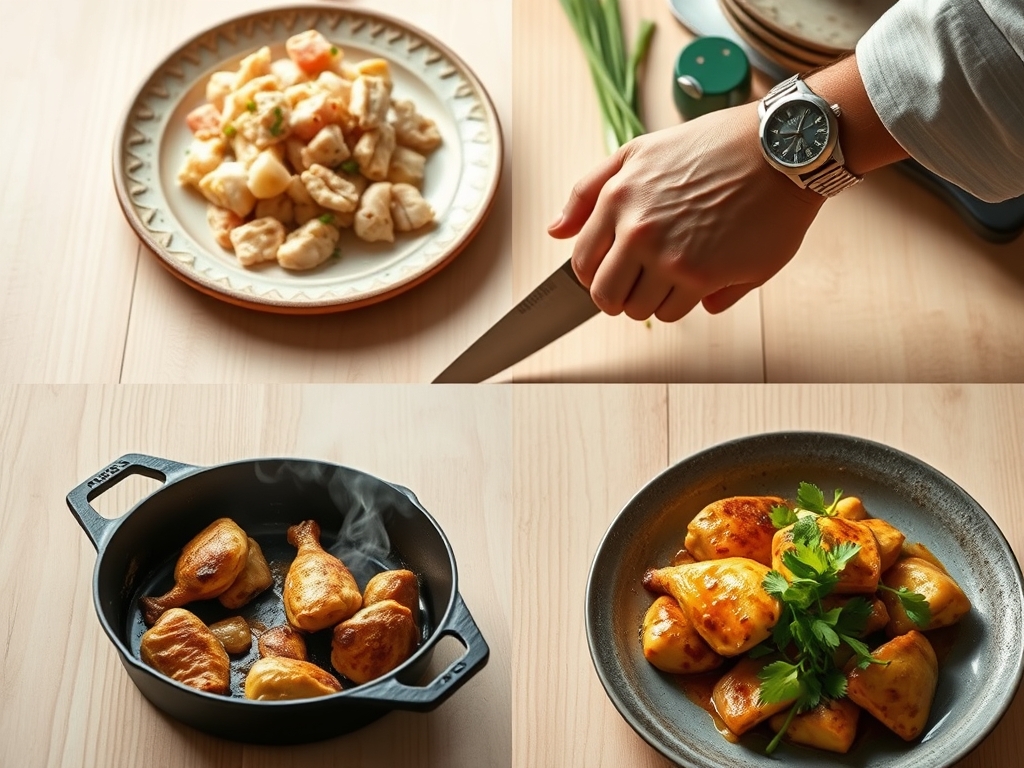
Note the texture shown in the step-by-step photos, especially the contrast between pale raw skin and deep amber crust.
Step 1: Build the Marinade
Whisk lemon juice (90 ml), olive oil (120 ml), honey (45 ml), Dijon (30 ml), smoked paprika (15 ml), minced garlic (6 cloves), and salt (10 g) in a large bowl until emulsified. The mustard acts as a stabilizer, preventing the oil and acid from separating.
Chef's Secret: Add honey last and whisk vigorously. Its viscosity coats the chicken more evenly than a thin vinaigrette, creating a tacky surface that promotes crust formation.
Step 2: Prep and Marinate the Chicken
Pat chicken thighs dry with paper towels. Score the skin in a crosshatch pattern, cutting through fat but not into meat. Submerge in marinade, ensuring every crevice is coated. Refrigerate 15 to 120 minutes.
Why It Works: Scoring releases subcutaneous fat, which bastes the meat as it renders. Drying the surface first allows better marinade adhesion; wet skin repels oil-based liquids.
Step 3: Preheat and Oil the Grill
Set your grill to 230°C (450°F) direct heat. Once preheated, dip a folded paper towel in neutral oil, grip it with tongs, and wipe the grates. This creates a temporary non-stick barrier.
Chef's Secret: Never oil the grates when they're cold. The oil polymerizes at high heat, forming a slick surface. Cold oil just soaks into the cast iron and smokes.
Step 4: Sear Skin-Side Down
Place thighs skin-side down. Do not move them for 8 minutes. You'll hear an aggressive sizzle. Resist the urge to peek.
Why It Works: Uninterrupted contact allows proteins to denature and release from the metal. Moving too early tears the skin. The Maillard reaction requires sustained heat above 150°C (300°F).
Step 5: Flip and Finish
Flip thighs. Brush with reserved marinade. Cook another 10 to 12 minutes, until a probe thermometer reads 71°C (160°F) in the thickest part.
Chef's Secret: Aim for 71°C (160°F) at the grill. Carryover cooking will add 3 to 4°C (5 to 7°F) during rest, hitting the safe zone without drying out the meat.
Step 6: Rest and Garnish
Transfer to a platter. Tent loosely with foil. Rest 6 minutes. Squeeze fresh lemon halves over the top. Scatter torn basil and mint.
Why It Works: Resting allows myofibrils to reabsorb expelled moisture. Cutting immediately causes a flood of juice onto the cutting board, not your palate.
Nutritional Info
Per serving (1 thigh with salad): 420 calories, 28 g protein, 18 g fat (4 g saturated), 22 g carbohydrates (6 g fiber, 14 g sugar from honey and tomatoes), 680 mg sodium. High in niacin (B3) and selenium, both critical for metabolic function and antioxidant defense. The citrus and tomatoes deliver 38 mg vitamin C, nearly half your daily requirement.
Dietary Swaps
Keto: Eliminate honey. Replace with erythritol (30 ml) or omit entirely; the mustard and lemon still provide flavor complexity. Serve over cauliflower rice or a mixed green salad with avocado. Net carbs drop to 8 g per serving.
Gluten-Free: This recipe is naturally GF. Confirm your Dijon contains no malt vinegar (most don't).
Vegan Pivot: Substitute extra-firm tofu (pressed and cubed) or king oyster mushrooms (halved lengthwise). Marinate 30 minutes. Grill at 200°C (400°F) for 6 minutes per side. The Maillard reaction works on plant proteins too, though you'll get more caramelization than browning.
Serving & Presentation
Plating Idea 1: Arrange thighs atop a charred romaine wedge, drizzle with tahini-lemon dressing, and scatter toasted pine nuts and pomegranate arils. The bitter char and creamy tahini balance the sweet-tart chicken.
Plating Idea 2: Slice thighs against the grain. Fan over herbed couscous cooked in chicken stock. Garnish with pickled red onions and microgreens. The acidity of the pickles cuts the richness.
Plating Idea 3: Serve whole thighs family-style on a platter with grilled peach halves, burrata, and a drizzle of aged balsamic. The stone fruit's caramelized sugars echo the honey marinade.
The Pro-Dodge
Pitfall 1: Flare-Ups Char the Skin. Excess marinade drips onto coals, igniting flames that deposit soot. Fix: Shake off excess before grilling. Keep a spray bottle of water nearby to tame flare-ups without moving the chicken.
Pitfall 2: Pale, Rubbery Skin. If the skin never crisps, your grill wasn't hot enough or you flipped too soon. Fix: Preheat for a full 15 minutes. Use an infrared thermometer to confirm grate temp at 230°C (450°F).
Pitfall 3: Dry, Chalky Meat. Overcooking past 77°C (170°F) squeezes out moisture. Fix: Invest in a digital probe thermometer. Pull at 71°C (160°F) and rest. Carryover will finish the job.
The Meal Prep Corner
Storage: Cool chicken completely. Store in an airtight container in the fridge for up to 4 days. Keep the salad separate; dress it just before serving to prevent sogginess.
Reheating: For day-one quality, reheat in a 180°C (350°F) oven for 12 minutes. The dry heat recrisps the skin better than a microwave, which steams and softens. Alternatively, sear in a hot skillet, skin-side down, for 4 minutes, then flip and warm through.
Freezing: Freeze cooked, cooled thighs in a single layer on a sheet pan, then transfer to a freezer-safe bag. They'll keep 3 months. Thaw overnight in the fridge, then reheat as above. The texture remains 90% as good as fresh.
The Wrap-Up
Summer cooking thrives on simplicity and speed, and these summertime chicken recipes deliver both without sacrificing depth. You've learned how to harness high heat for crust, balance acid and sweetness, and use carryover cooking to protect moisture. Each technique here scales beautifully for weeknight dinners or backyard gatherings. Fire up the grill, trust your thermometer, and let the char do the talking. Drop a photo of your plated thighs in the comments or tag us on social. We want to see your version.
The Kitchen Table
Q: Can I use chicken breasts instead of thighs?
A: Absolutely. Boneless, skinless breasts cook faster, so reduce grill time to 6 to 7 minutes per side. Brine them first in a 5% salt solution (50 g salt per liter of water) for 30 minutes to retain moisture.
Q: How do I prevent the marinade from burning on the grill?
A: Shake off excess before grilling. The honey and sugars in the marinade will caramelize, not burn, if your grill temp stays at 230°C (450°F). Higher temps cause charring.
Q: Can I make this indoors?
A: Yes. Use a cast-iron grill pan over high heat. Preheat the pan for 5 minutes. Cook thighs skin-side down for 8 minutes, flip, and finish in a 200°C (400°F) oven for 12 minutes.
Q: What's the best way to check doneness without a thermometer?
A: Pierce the thickest part with a paring knife. Juices should run clear, not pink. The meat should feel firm but springy, not hard. That said, a $15 digital thermometer eliminates guesswork entirely.
Q: How far in advance can I marinate the chicken?
A: Minimum 15 minutes for flavor penetration. Maximum 8 hours; beyond that, the acid begins to break down proteins into mush. For overnight marinating, reduce lemon juice by half.