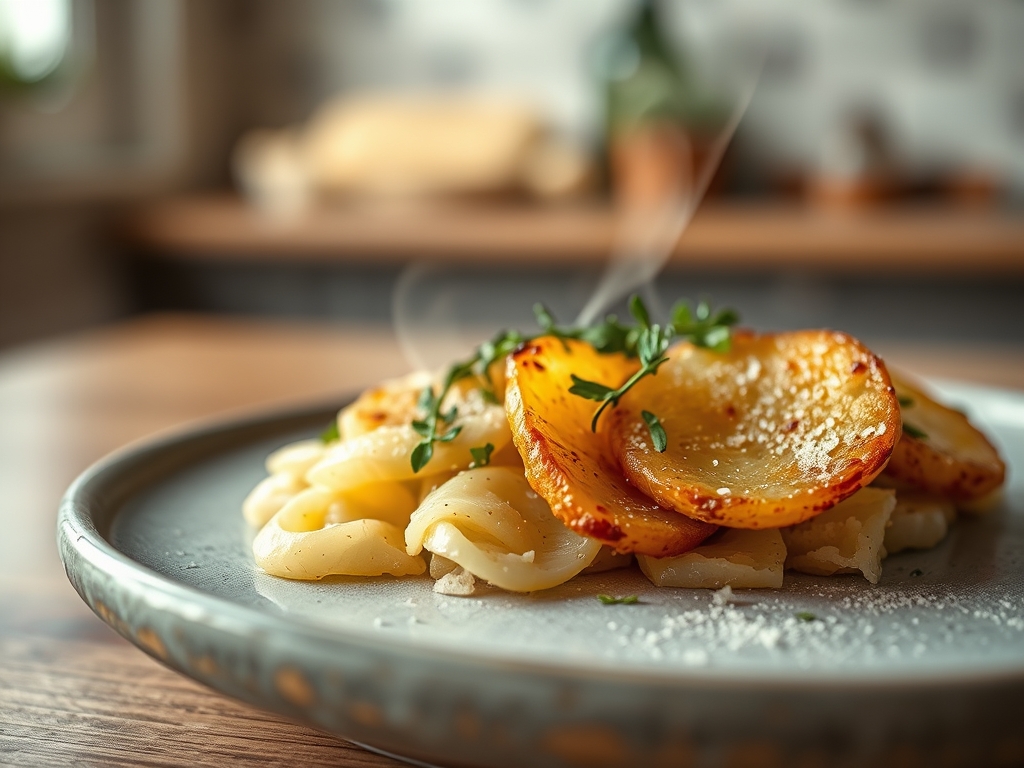
Picture a cold Tuesday evening where the only thing standing between you and total decompression is a bag of russets and a canister of all-purpose flour. There is a primal comfort in flour and potato recipes that transcends simple hunger. It is the chemistry of starch meeting heat; the way a humble tuber transforms into a pillowy gnocchi or a crispy latke when bound by the structural integrity of wheat. We are moving beyond the basic mash to explore how these two pantry staples create the ultimate canvas for flavor. Whether you are craving the snap of a pan-fried flatboard or the velvet crumb of a potato bread, these pairings are your shortcut to a gourmet finish.
The Gathers:
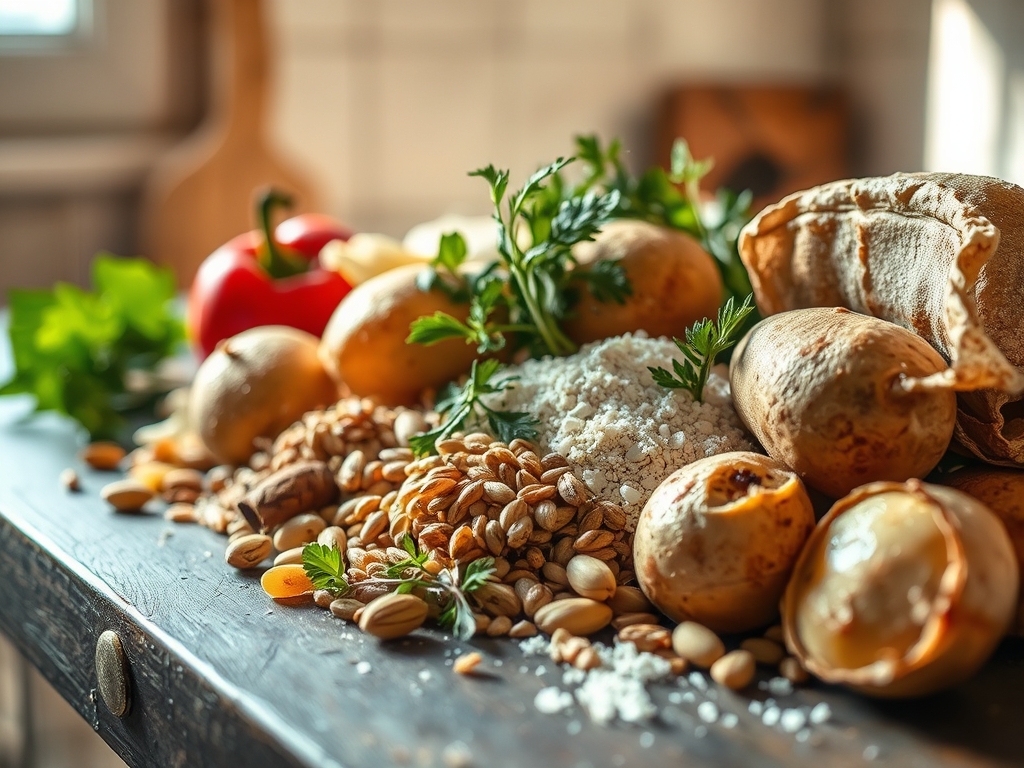
To master these flour and potato recipes, your mise-en-place must be precise. Start with high-starch potatoes like Russets or Yukon Golds. Russets provide a mealy texture that is ideal for frying, while Yukons offer a buttery, waxy finish for doughs. Your flour choice is equally critical. All-purpose flour provides the standard protein content (around 10 to 12 percent) needed for elasticity, but you might reach for "00" flour if you want a more delicate, silken pasta mouthfeel.
Essential tools for this journey include a digital scale for precise ratios; a bench scraper to manage sticky doughs; and a ricer to ensure your potatoes are aerated rather than gummy. You will also want high-quality fats like clarified butter or extra virgin olive oil to render out moisture and encourage a golden crust.
Smart Substitutions:
If you are looking to pivot, replace all-purpose flour with a 1:1 gluten-free blend containing xantham gum to maintain structural bonds. For a lower glycemic index, swap white potatoes for sweet potatoes, though you must increase your flour ratio by 15 percent to account for the higher moisture content and sugar levels that affect the Maillard reaction.
The Clock
Efficiency in the kitchen is about "Chef's Flow." For most flour and potato recipes, your active prep time will hover around 20 minutes, with cook times ranging from 10 to 30 minutes. The secret to speed is multitasking. While your potatoes boil or steam, use that window to sift your flour and prepare your aromatics. If you are making a quick potato flatbread, the dough only needs a 10-minute rest to allow the gluten to relax, preventing the "snap-back" effect during rolling. Using a heavy-bottomed skillet ensures even heat distribution, reducing the risk of hot spots and cutting down on total time spent at the stove.
The Masterclass
1. The Steam and Rice Method
Start by boiling peeled potatoes until they are fork-tender. Immediately pass them through a ricer into a large bowl. This prevents the formation of large starch clumps and ensures a uniform texture.
Pro Tip: This technique utilizes retrogradation. By ricing the potatoes while hot, you allow steam to escape, which reduces the moisture content and prevents your final dough from becoming a viscous mess.
2. The Flour Integration
Gradually incorporate your flour into the warm potato mash. Use a light hand; overworking the dough at this stage will develop too much gluten, resulting in a rubbery texture rather than a tender crumb.
Pro Tip: The heat from the potatoes partially gelatinizes the starch in the flour. This creates a more cohesive bond, allowing you to use less flour overall for a richer potato flavor.
3. The Shaping and Scoring
Turn the dough onto a floured surface. Use your bench scraper to divide the dough into even portions. For flatbreads, roll them thin; for gnocchi, create long ropes and cut into uniform pillows.
Pro Tip: Consistent sizing is not just for aesthetics; it ensures thermal equilibrium. When every piece is the same size, they cook at the same rate, preventing a mix of raw and overdone bites.
4. The Searing Phase
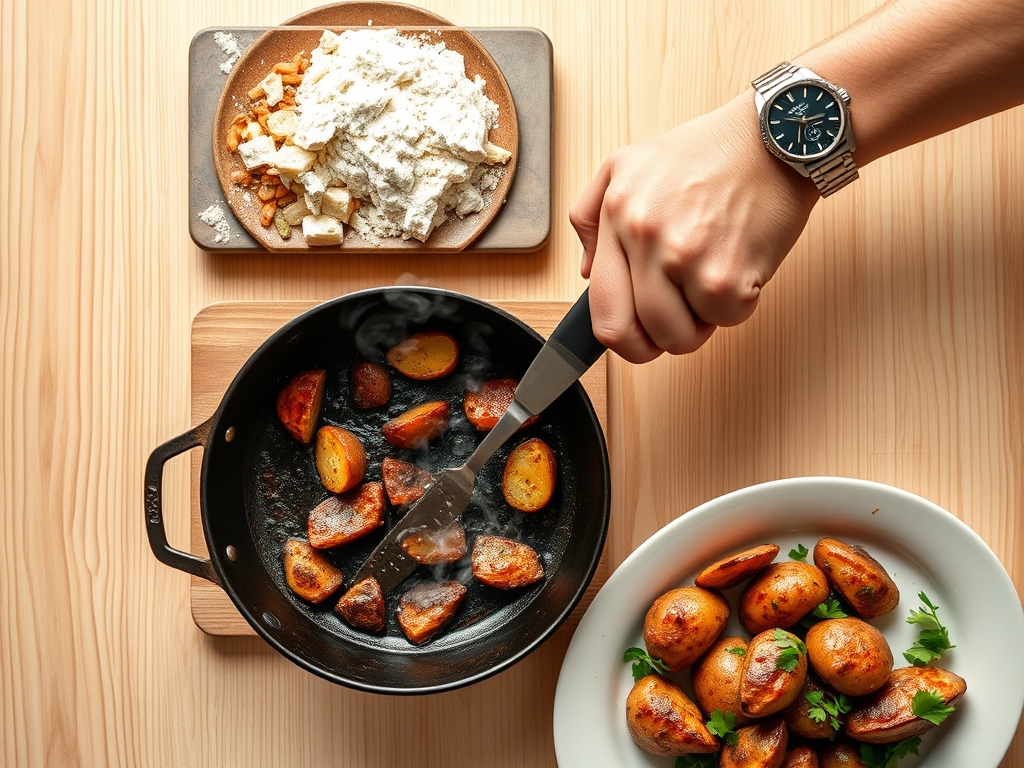
Heat a heavy-bottomed skillet with a touch of oil or butter. Place your potato-flour creations in the pan, ensuring they do not overlap. Sear until a deep golden brown crust forms on both sides.
Pro Tip: This is the Maillard reaction in action. The proteins in the flour and the sugars in the potato undergo a chemical transformation above 285 degrees Fahrenheit, creating hundreds of new flavor compounds.
5. The Infusion and Finish
In the final minute of cooking, add aromatics like garlic, rosemary, or thyme. Use tongs to baste the items with the flavored fat, ensuring every crevice is coated.
Pro Tip: Fat is a flavor carrier. By finishing with a fat-based infusion, you lock in the aromatic oils of the herbs, providing a piquant punch that cuts through the starch.
The Deep Dive
When we look at the macro nutrition of flour and potato recipes, we are looking at a powerhouse of complex carbohydrates and potassium. To balance the plate, pair these dishes with a lean protein or a high-fiber green salad.
Dietary Swaps:
For a vegan version, use nutritional yeast to add a nutty, cheesy depth without dairy. For those following a keto-adjacent lifestyle, you can experiment with almond flour and cauliflower, though the binding physics will change significantly, requiring an egg or flax-meal binder to maintain shape.
The Fix-It:
- Gummy Dough: This usually happens if you over-mix or use a food processor. Fix it by folding in a tablespoon of cornstarch to absorb excess moisture.
- Disintegrating in Water: If your gnocchi falls apart, your flour ratio is too low. Test one piece first; if it dissolves, knead an extra 20 grams of flour into the remaining dough.
- Burnt Exterior/Raw Interior: Your heat is too high. Lower the flame and add a splash of water to the pan, then cover with a lid to create a steam-chamber effect.
Meal Prep:
To maintain "day-one" quality, store cooked potato-flour items in a single layer. When reheating, avoid the microwave, which turns starch into a rubbery texture. Instead, use an air fryer or a dry skillet to crisp the exterior while gently warming the center.
The Wrap-Up
Mastering flour and potato recipes is like learning a secret language of comfort. Once you understand how these two ingredients interact, the kitchen becomes your playground. You are no longer just following a recipe; you are manipulating starch and protein to create something soul-warming. So, grab your digital scale, dust off that bench scraper, and turn those humble pantry staples into a masterpiece. You have the science; now go bring the flavor!
The Kitchen Table
Can I use leftover mashed potatoes for these recipes?
Yes, but you must account for the added milk or butter. Increase your flour ratio by roughly 20 percent to stabilize the dough and prevent it from becoming too soft during the searing process.
Why does my potato dough turn gray?
This is caused by enzymatic browning when raw potatoes are exposed to oxygen. To prevent this, work quickly or add a teaspoon of lemon juice to the mixture to lower the pH level and inhibit oxidation.
What is the best flour for crispy potato pancakes?
All-purpose flour is the gold standard for crispness. The protein content creates a sturdy matrix that holds the shredded potatoes together while allowing the edges to dehydrate and shatter upon biting.
Can I freeze potato and flour dough?
Absolutely. Freeze shaped dough on a parchment-lined tray before transferring to a bag. Cook directly from frozen to maintain the structural integrity of the starch molecules and ensure a better rise.