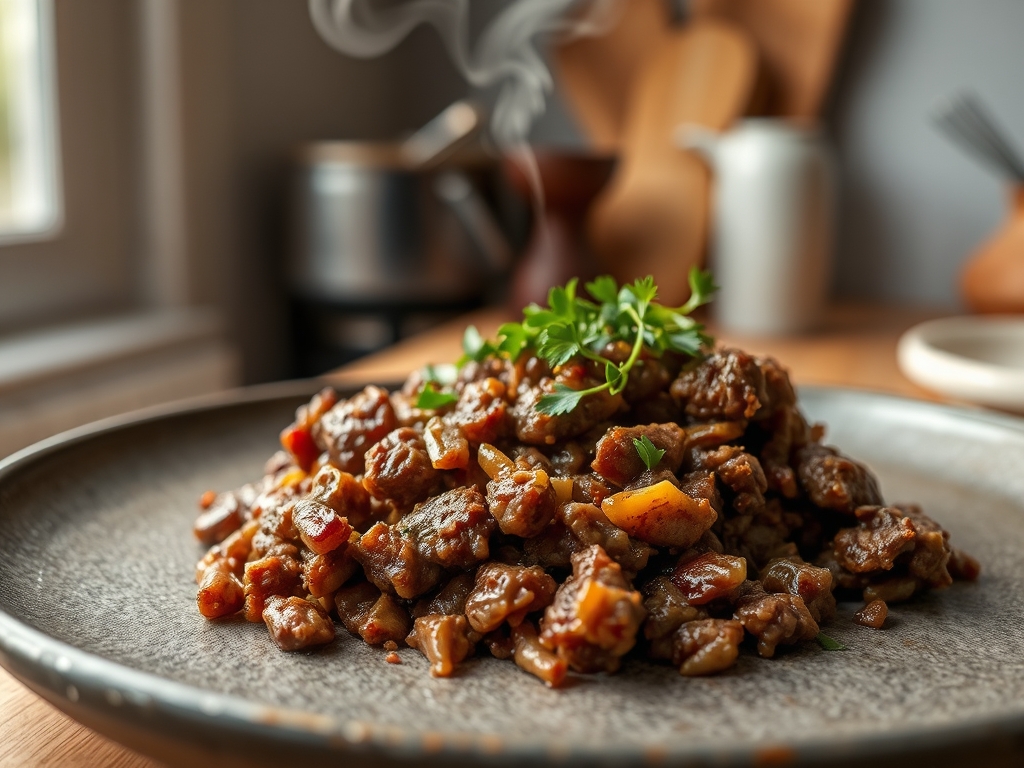
Imagine the sizzle of a heavy-bottomed skillet meeting cold fat; it is a sound that signals the start of something transformative. When you are hunting for ground beef recipes low sodium, you are not just looking for a meal; you are looking for a way to recapture flavor without the heavy hand of the salt shaker. Most people assume that low sodium means bland, but we are about to debunk that myth using pure culinary chemistry. We are going to harness the power of aromatic compounds and heat to create deep, savory profiles that make salt feel entirely redundant.
Ground beef is the ultimate canvas because it offers a high surface area for the Maillard reaction. This chemical process occurs when amino acids and reducing sugars rearrange under heat to create hundreds of different flavor compounds. By mastering the sear, we can build a foundation of umami that carries the entire dish. Whether you are prepping for a busy week or hosting a dinner party, these six variations will prove that health conscious cooking is actually a masterclass in professional technique. We are going to move fast, cook smart, and eat incredibly well.
The Gathers:
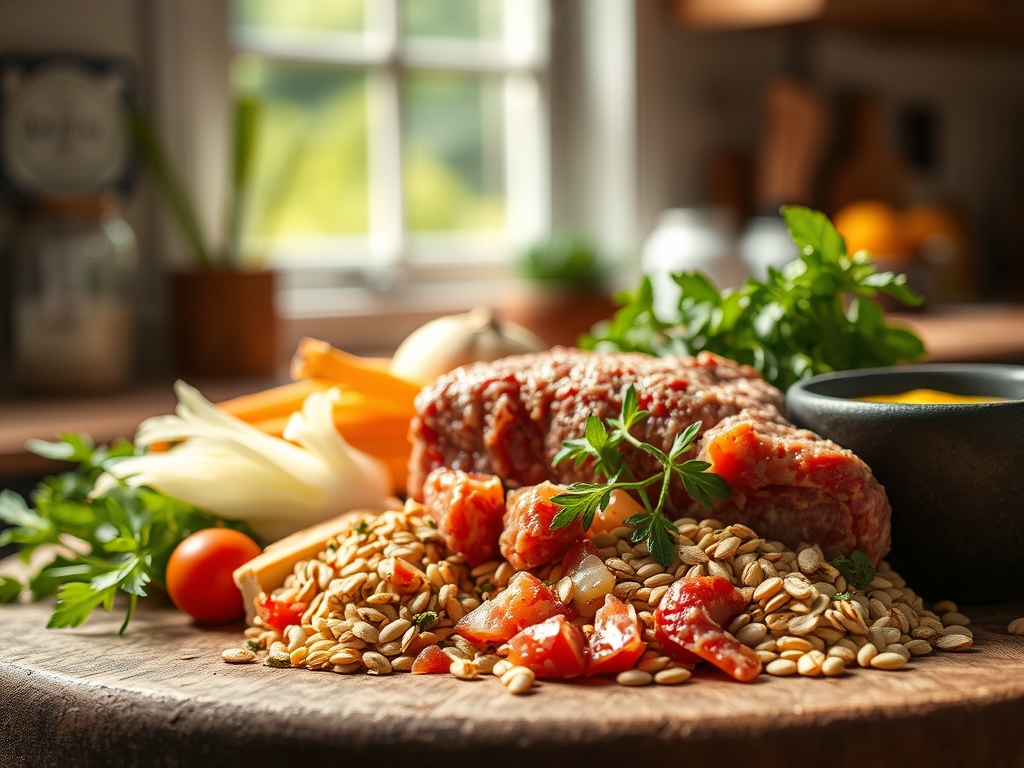
To execute these ground beef recipes low sodium, your mise-en-place must be precise. Start with high quality grass-fed beef, ideally a 90/10 lean-to-fat ratio. While fat carries flavor, we want to control the lipids to ensure our sauces remain viscous rather than greasy. You will need a microplane for grating fresh aromatics like ginger, garlic, and turmeric. These ingredients contain volatile oils that provide a piquant punch without adding a single milligram of sodium.
Smart substitutions are the secret weapon here. Instead of standard soy sauce, reach for coconut aminos; it provides that dark, savory depth with about 70 percent less sodium. Replace table salt with high-acid components like fresh lime juice, rice wine vinegar, or a splash of dry white wine to deglaze your pan. These acids brighten the palate and trick the brain into perceiving a fuller flavor profile. Finally, gather your dry spices: smoked paprika for earthiness, cumin for warmth, and nutritional yeast for a nutty, cheesy finish that adds zero salt.
The Clock
Efficiency in the kitchen is about understanding the Chef's Flow. This is the sequence of operations that ensures no time is wasted while the pan is hot. For these recipes, expect a total prep time of 15 minutes and a cook time of 20 minutes. The flow begins with the cold prep: dicing vegetables with a sharp chef's knife and measuring liquids with a digital scale for accuracy.
Once the prep is complete, the cooking phase is a rapid-fire execution of searing, deglazing, and simmering. You should never be chopping while something is browning; that leads to scorched proteins and lost moisture. By treating the kitchen like a laboratory, you ensure that every ingredient is ready to be introduced at the exact moment the thermal energy of the pan is at its peak. This structured approach allows the flavors to infuse deeply into the meat fibers.
The Masterclass
1. The High-Heat Sear
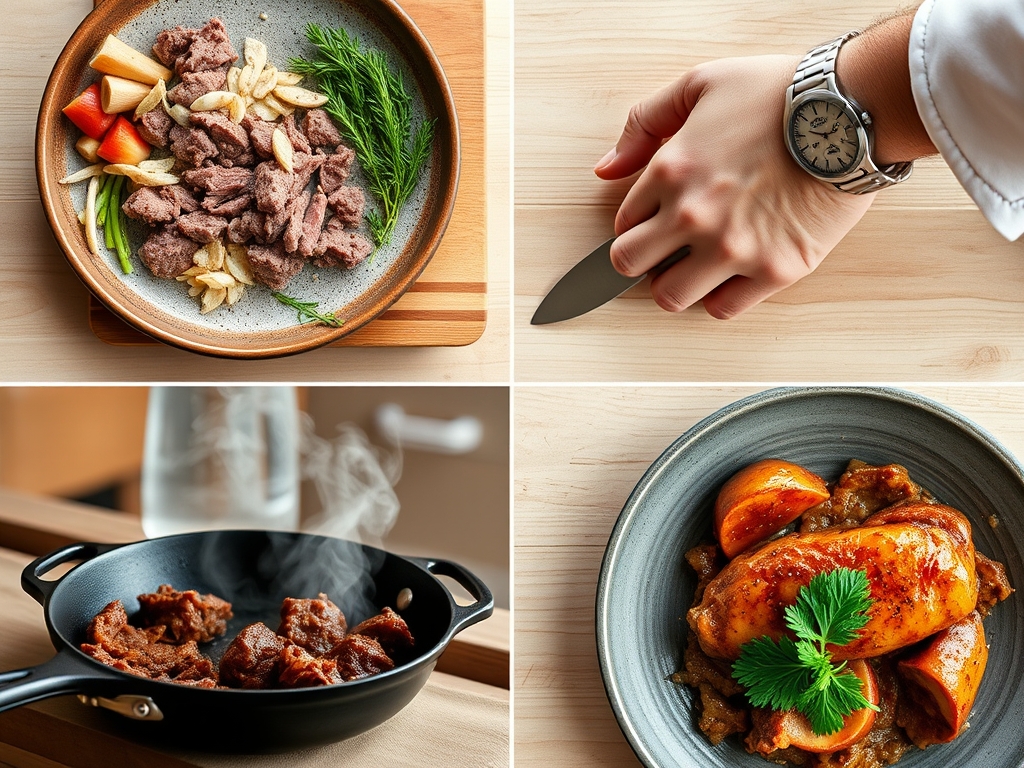
Place your heavy-bottomed skillet over medium-high heat until it just begins to wisp smoke. Add the beef in a single layer, but do not stir it immediately. You want to maximize contact with the heat source to trigger the Maillard reaction. Use a bench scraper or a sturdy wooden spoon to break the meat into small, uniform crumbles once the bottom has developed a deep, mahogany crust.
Pro Tip: This is known as enzymatic browning. By resisting the urge to stir, you allow the proteins to denature and reform into complex flavor molecules that provide the "meaty" taste salt usually mimics.
2. Aromatic Infusion
Once the meat is browned, push it to the perimeter of the pan, creating a "well" in the center. Add your minced garlic, shallots, and ginger into this hot spot. The residual fat will render out and act as a medium to fry these aromatics, releasing their essential oils into the air and the beef.
Pro Tip: This technique uses lipid-mediated extraction. Many flavor compounds in spices are fat-soluble, meaning they need heat and oil to unlock their full aromatic potential before liquid is added.
3. Deglazing the Fond
The brown bits stuck to the bottom of your pan are called the fond, and they are concentrated flavor gold. Pour in your low-sodium liquid—such as unsalted beef bone broth or a splash of vinegar—and use your spoon to scrape the bottom of the pan. This incorporates the caramelized proteins back into the dish.
Pro Tip: Deglazing is a form of solvent extraction. The liquid dissolves the hardened sugars and proteins, creating a rich, complex base for your sauce without the need for sodium-heavy bouillon.
4. Emulsifying the Sauce
Lower the heat and add your thickeners or flavor concentrates, such as tomato paste or a small amount of tahini. Stir vigorously to emulsify the fats with the liquids. This creates a smooth, velvety texture that coats every piece of beef, ensuring a consistent flavor in every bite.
Pro Tip: Emulsification prevents the fats from separating, which can make a low-sodium dish feel "thin" or "watery." A stable emulsion provides a better mouthfeel, which the brain interprets as richness.
5. The Acid Finish
Just before serving, remove the pan from the heat and stir in a handful of fresh herbs and a squeeze of citrus. This final hit of acid acts as a flavor bridge, connecting the heavy umami notes of the beef with the bright aromatics of the spices.
Pro Tip: This prevents thermal degradation of the delicate acids. Adding citrus too early causes the bright notes to evaporate; adding them at the end ensures the "zing" remains intact to balance the dish.
6. Resting and Carryover
Transfer the beef to a serving bowl and let it sit for three minutes. This allows the internal juices to redistribute through the muscle fibers, ensuring the meat remains tender and succulent rather than dry and crumbly.
Pro Tip: This accounts for thermal carryover. The internal temperature of the beef will continue to rise by a few degrees even after it leaves the pan, finishing the cooking process gently.
The Deep Dive
From a macro perspective, ground beef is a nutritional powerhouse, providing high-quality protein, zinc, and B12. By choosing a lean cut and omitting salt, you are significantly reducing the cardiovascular load of the meal. For those on specific diets, these recipes are incredibly flexible. To make this Keto, serve the beef over sautéed zoodles or cauliflower rice. For a Vegan swap, use crumbled tempeh or lentils, though you will need to add a teaspoon of liquid smoke to mimic the beef's depth.
Even the best chefs hit snags. If your beef looks gray instead of brown, your pan was not hot enough; remove the meat, wipe the pan, and start again with higher heat. If the dish tastes flat, it usually lacks acid, not salt; add another teaspoon of apple cider vinegar. If the meat is too dry, you likely overcooked it; stir in a tablespoon of unsalted butter or avocado oil to restore the viscous mouthfeel. When it comes to meal prep, reheating is a science. Avoid the microwave if possible; instead, use a saucier over low heat with a tablespoon of broth to aerate the sauce and prevent the proteins from becoming rubbery.
The Wrap-Up
We have officially turned the kitchen into a flavor laboratory. By focusing on the Maillard reaction, aromatic infusion, and the strategic use of acids, you have mastered the art of ground beef recipes low sodium. You are no longer reliant on the salt shaker to make a meal sing; you have the technical skills to build depth and complexity from the ground up. Now, grab your tongs, fire up that skillet, and show the world that healthy eating is the ultimate culinary flex.
The Kitchen Table
Can I use frozen ground beef for these recipes?
Yes, but ensure it is fully thawed and patted dry with paper towels. Excess moisture on the surface of the meat prevents the Maillard reaction, leading to steamed, gray beef instead of a flavorful, browned crust.
What is the best salt substitute for beef?
Coconut aminos are the gold standard for beef. They provide a deep umami flavor and a hint of sweetness with significantly less sodium than soy sauce. Mushroom powder is another excellent option for adding earthy, savory depth.
How do I store leftovers for the best quality?
Store the beef in an airtight glass container for up to four days. To maintain texture, reheat in a skillet over medium-low heat with a splash of water or unsalted broth to rehydrate the proteins and maintain moisture.
Why does my low sodium beef taste bland?
Blandness usually stems from a lack of acidity or poor searing technique. Increase your use of citrus, vinegar, or dry spices like smoked paprika. Ensure your pan is ripping hot before the meat hits the surface to maximize flavor.