
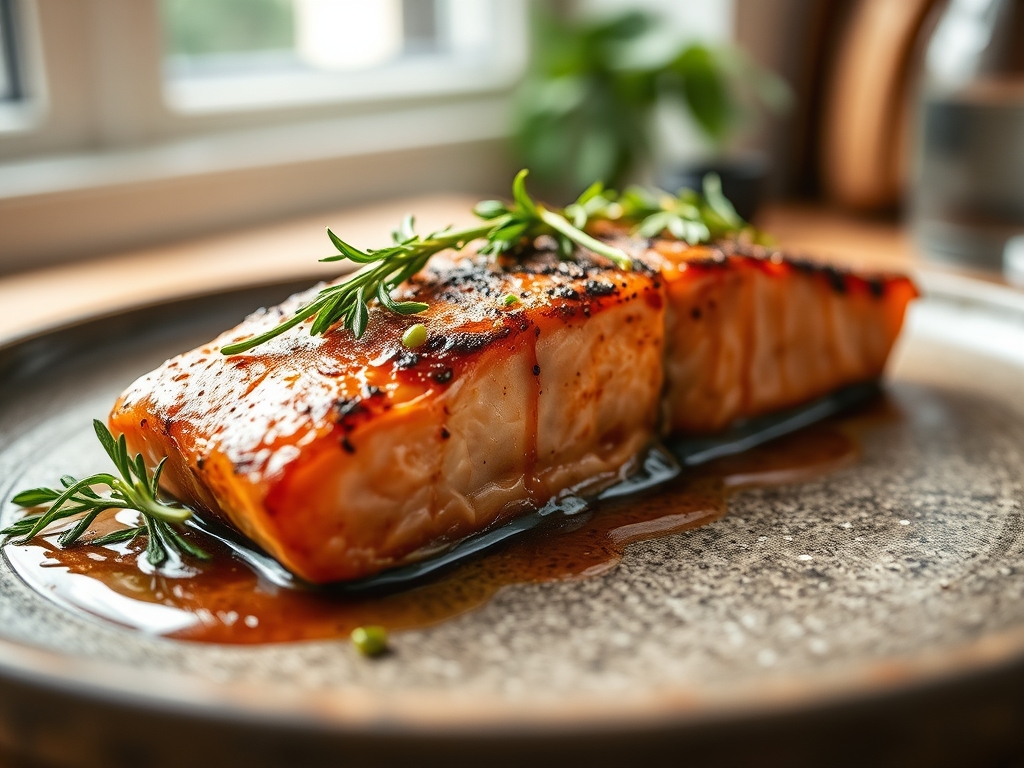
Picture a sprawling dining table bathed in golden hour light where the centerpiece is a shimmering, salt-crusted marvel. Mastering salmon recipes whole is the ultimate culinary flex; it transforms a simple Tuesday into a high-stakes gala. There is something primal and sophisticated about presenting a four-pound fish that has been roasted to buttery, translucent perfection.
The aroma is the first thing that hits you. It is a heady mix of toasted citrus oils and the savory, oceanic scent of rendering fats. Most home cooks shy away from the whole fish because it feels intimidating, but I am here to tell you that it is actually more forgiving than individual fillets. The skin and central bone act as a natural insulator, protecting the delicate flesh from the aggressive heat of the oven. We are going to dive deep into the chemistry of the Maillard reaction and the physics of heat distribution to ensure your next dinner party is legendary.
The Gathers:
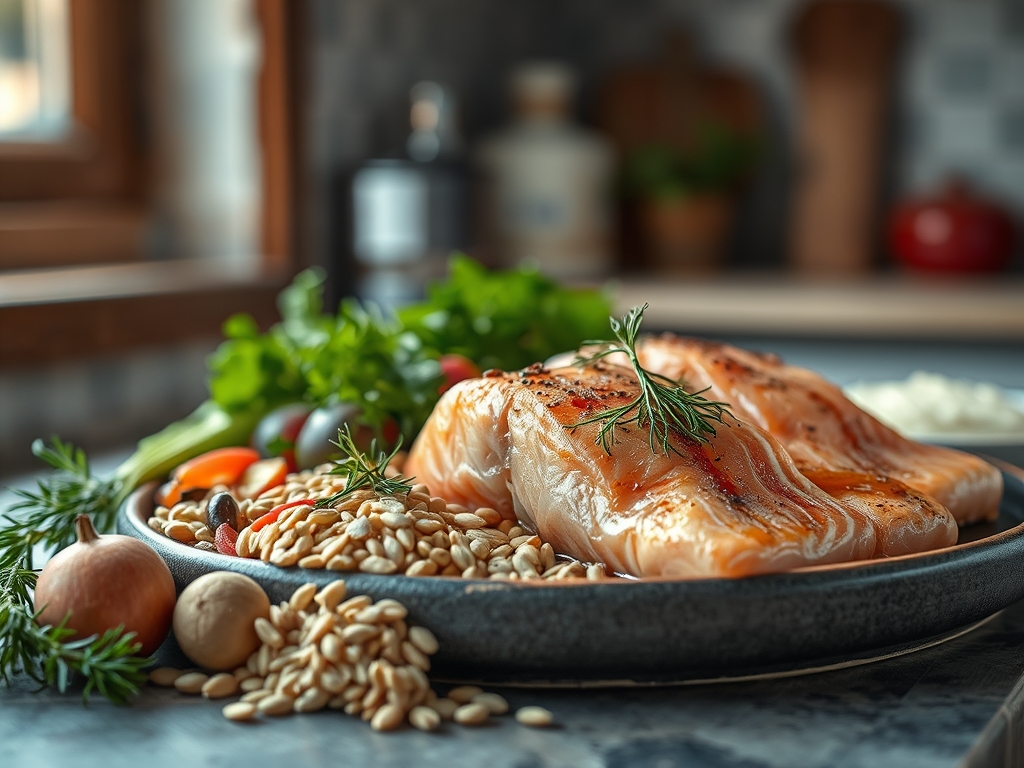
To achieve a restaurant-grade result, your mise-en-place must be meticulous. Start with a side of salmon or a head-on whole fish, approximately three to five pounds. You will need high-smoke-point fats like avocado oil or clarified butter to ensure the skin crisps without burning. For aromatics, gather fresh dill, flat-leaf parsley, and thin slices of Meyer lemon. Use a microplane to zest additional citrus, releasing the volatile oils trapped in the flavedo.
The seasoning requires a coarse Kosher salt for better tactile control and freshly cracked peppercorns. If you want to elevate the flavor profile, include a piquant element like capers or thinly sliced shallots. Smart Substitutions: If you cannot find Meyer lemons, use a combination of navel orange and standard lemon to mimic that floral sweetness. For a dairy-free version, replace butter with a viscous, high-quality extra virgin olive oil to maintain that luxurious mouthfeel.
The Clock
Efficiency in the kitchen is all about the Chef's Flow. This is the art of sequencing tasks so that nothing sits idle. Your active prep time will take roughly 20 minutes, which includes descaling, pin-bone removal, and stuffing the cavity. The roasting time varies based on weight, but generally, you should budget 12 to 15 minutes per pound at 375 degrees Fahrenheit.
The most critical phase is the rest. You must allow the fish to sit for at least 10 minutes after exiting the oven. This allows the internal juices to redistribute and the proteins to relax. Total time from fridge to table is approximately 60 minutes. While the salmon roasts, use that window to deglaze a pan for a side sauce or to aerate a light vinaigrette for a side salad.
The Masterclass
1. The Prep and Moisture Management
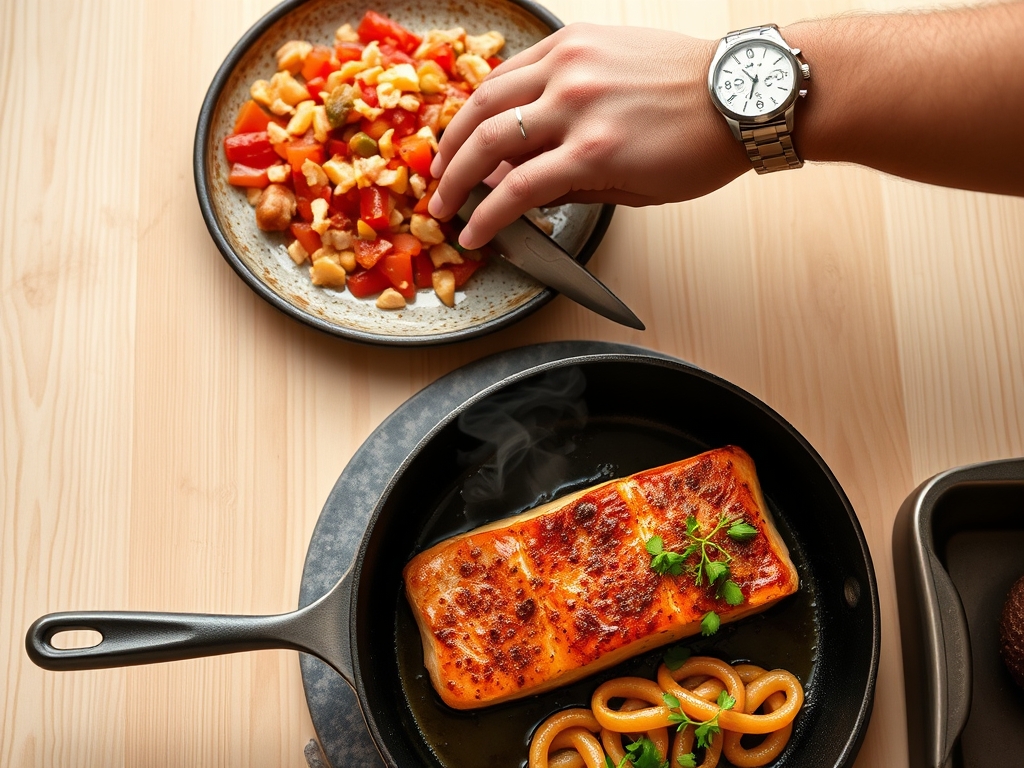
Start by patting the fish bone-dry with paper towels. Moisture is the enemy of the Maillard reaction. Use a bench scraper to ensure the surface of your cutting board is clean before laying the fish down. If the skin is damp, it will steam rather than crisp, resulting in a rubbery texture.
Pro Tip: This is known as surface dehydration. By removing water, you allow the surface temperature to rise quickly above 300 degrees Fahrenheit, which triggers the chemical reaction between amino acids and reducing sugars for a savory crust.
2. Strategic Scoring
Use a sharp chef knife to make shallow, diagonal slits across the skin side. These scores should be about two inches apart and only a quarter-inch deep. This prevents the fish from curling as the collagen in the skin contracts under heat.
Pro Tip: Scoring increases the surface area for seasoning to penetrate. It also allows heat to reach the thickest part of the loin more evenly, preventing the tail from overcooking while the center remains raw.
3. The Aromatic Infusion
Stuff the cavity or the underside with your herbs and citrus. Use a saucier to melt a bit of butter with garlic and pour it over the fish. The fats will infuse with the herbal essences, carrying those flavors deep into the muscle fibers during the roasting process.
Pro Tip: Fats are flavor carriers. Because many aromatic compounds in herbs are fat-soluble, the butter acts as a vehicle to transport the scent of dill and lemon into the protein.
4. Precision Roasting
Place the salmon on a parchment-lined heavy-bottomed sheet pan. Slide it into the center rack of the oven. If you are using a digital scale to weigh your aromatics, ensure you have balanced the salt-to-fat ratio. Monitor the internal temperature closely.
Pro Tip: Use a digital thermometer to pull the fish at 125 degrees Fahrenheit for medium-rare. Thermal carryover will continue to cook the fish after it is removed from the oven, raising the final temp to a perfect 135 degrees.
5. The Crisp Finish
If the skin is not as golden as you like, turn on the broiler for the final two minutes. Watch it like a hawk. The high radiant heat will render the remaining subcutaneous fat, turning the skin into a salty, crackling wafer.
Pro Tip: This is the final stage of enzymatic browning. The intense heat causes the lipids to undergo oxidation, which creates complex, nutty flavor profiles that are absent in steamed or poached fish.
6. The Resting Period
Transfer the salmon to a serving platter using two large tongs or a fish spatula. Cover it loosely with foil. This is not just a suggestion; it is a structural necessity for the meat to retain its moisture.
Pro Tip: During roasting, muscle fibers contract and push moisture toward the surface. Resting allows those fibers to reabsorb the liquid, ensuring every bite is succulent rather than dry.
The Deep Dive
From a macro nutrition perspective, salmon is a powerhouse. It is loaded with Omega-3 fatty acids, specifically EPA and DHA, which are essential for brain health. A standard six-ounce serving provides roughly 34 grams of high-quality protein and zero carbohydrates, making it a staple for various lifestyles.
Dietary Swaps: For a Keto-friendly version, double down on the butter and herbs while skipping any honey-based glazes. For a Vegan guest, you can use the same aromatic roasting technique on large "steaks" of cauliflower or lion's mane mushrooms. This recipe is naturally Gluten-Free, provided you check your spice blends for hidden anti-caking agents.
The Fix-It:
- Albumin Leakage: If you see white "gunk" seeping out, your heat is too high. This is just coagulated protein. Fix it by brushing it away with a pastry brush dipped in lemon butter.
- Stuck Skin: If the fish sticks to the pan, you likely didn't use enough fat or didn't let the pan heat up. Use a thin metal spatula to gently pry it up, or serve it as "rustic" flakes.
- Uneven Cooking: If the tail is done but the head is raw, fold the thin tail section under itself halfway through cooking to create a uniform thickness.
Meal Prep: To reheat salmon without it becoming "fishy" or dry, avoid the microwave. Use a low-temperature oven (275 degrees) with a splash of water or broth covered in foil. This gentle steam bath preserves the delicate fats and prevents the oils from oxidizing and smelling.
The Wrap-Up
You are now equipped to handle any whole salmon that comes your way. Remember that cooking is as much about physics as it is about feeling. Trust your thermometer, respect the rest period, and do not be afraid of high heat for that perfect skin. Whether you are hosting a holiday or just want to feel like a pro on a Friday night, these salmon recipes whole will never let you down. Get into the kitchen, grab your microplane, and let the Maillard magic happen.
The Kitchen Table
How do I know when the salmon is done?
The most reliable method is using a digital thermometer to check for an internal temperature of 125 to 130 degrees Fahrenheit. The flesh should also flake easily when pressed gently with a fork at the thickest part.
Should I leave the skin on when roasting?
Yes; keeping the skin on acts as a protective barrier that prevents the delicate flesh from drying out. It also provides a delicious, crispy texture and contains the highest concentration of healthy Omega-3 fatty acids found in the fish.
Can I cook a whole salmon from frozen?
It is not recommended for a whole fish as the exterior will overcook before the center thaws. For the best texture and even cooking, always thaw the salmon completely in the refrigerator for twenty-four hours before roasting.
What is the best way to remove pin bones?
Use a pair of clean needle-nose pliers or specialized fish tweezers. Run your finger along the center of the fillet to feel for the tips; then pull them out firmly in the direction that the bone is pointing.