
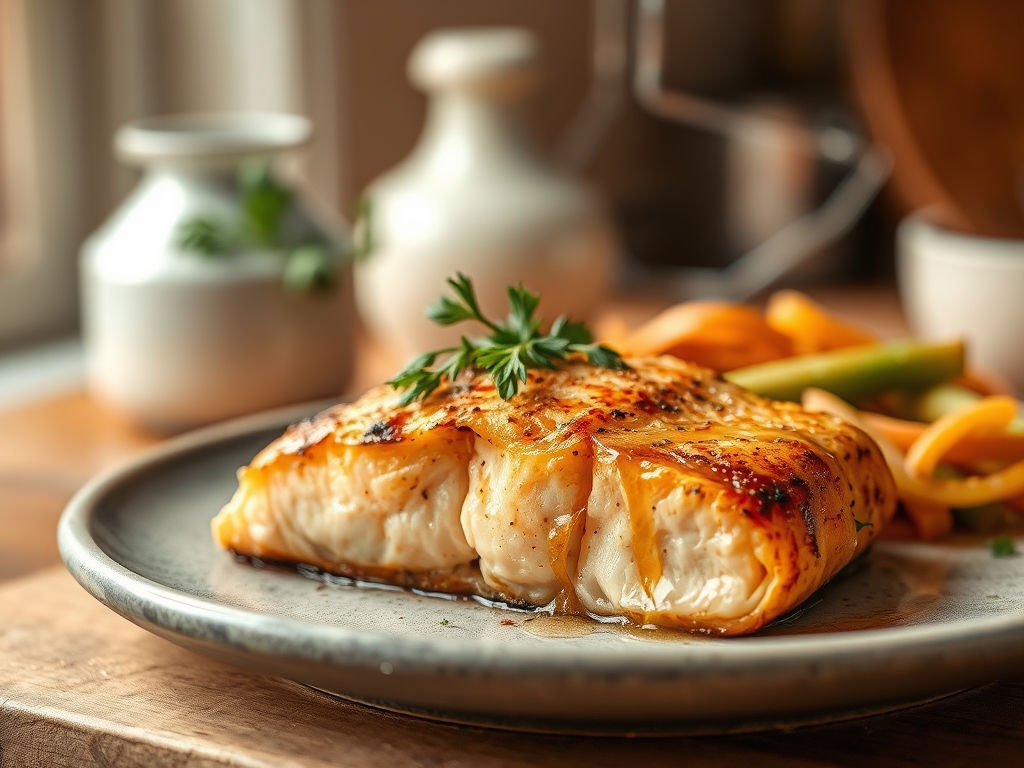
Imagine the scent of citrus-infused steam escaping a small glass door as the Maillard reaction works its golden magic on a fillet of Atlantic salmon. You are tired; the workday was a marathon of spreadsheets and cold coffee; but you are only twelve minutes away from a restaurant-quality meal. When you master toaster oven salmon recipes, you transform a humble countertop appliance into a precision-tuned convection engine. This is not just about convenience; it is about the physics of heat distribution in a confined space. Small-batch cooking allows for a faster preheat and more intense radiant heat than a cavernous wall oven could ever provide. By the time you pour a glass of crisp Sauvignon Blanc, your dinner is already flaking into buttery, pink shards. We are going to bypass the grease of a heavy-bottomed skillet and the cleanup of a sheet pan. Instead, we will lean into the efficiency of smart, witty culinary science to deliver a meal that feels like a reward rather than a chore.
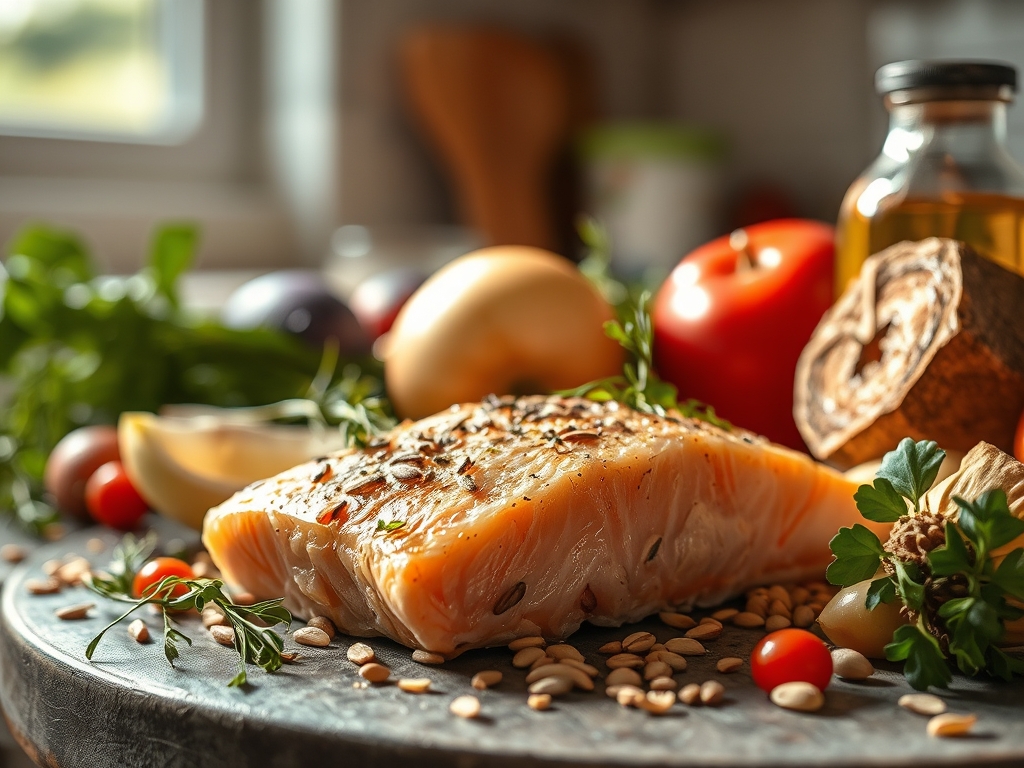
The Gathers:
To begin our toaster oven salmon recipes, we must curate our mise-en-place with precision. You will need six to eight ounces of center-cut salmon per person. Look for fillets with high intermuscular fat; this appears as white striations; as these will remain succulent under high heat. You will also need high-smoke-point fats like avocado oil or clarified butter to ensure the proteins do not polymerize and stick to your tray.
Gather your aromatics: fresh dill, a piquant Meyer lemon, and a head of garlic. Use a microplane to zest the lemon directly over the fish; this releases the volatile oils from the flavedo without the bitter pith. For the seasoning, a fine-grain sea salt is essential to ensure rapid dissolution into the surface moisture of the fish.
Smart Substitutions: If you are out of fresh herbs, a teaspoon of capers provides a viscous, briny punch that mimics the acidity of citrus. If you lack avocado oil, a thin layer of full-fat mayonnaise acts as a brilliant emulsifier that protects the delicate flesh from drying out while creating a beautiful crust.
The Clock
The beauty of the "Chef's Flow" in a small kitchen is the elimination of dead time. Your total prep time is exactly four minutes. While your toaster oven preheats to 400 degrees Fahrenheit, you are seasoning and prepping. The cook time ranges from 10 to 14 minutes depending on the thickness of the fillet.
The secret to professional timing is the "rest period." You must factor in three minutes of carryover cooking. During this time, you are not just waiting; you are using a bench scraper to tidy your board or whisking a quick vinaigrette in a small saucier. This synchronized movement ensures that the moment the timer dings, your sides are plated and the salmon is at its peak internal temperature of 125 degrees Fahrenheit for a perfect medium-rare.
The Masterclass
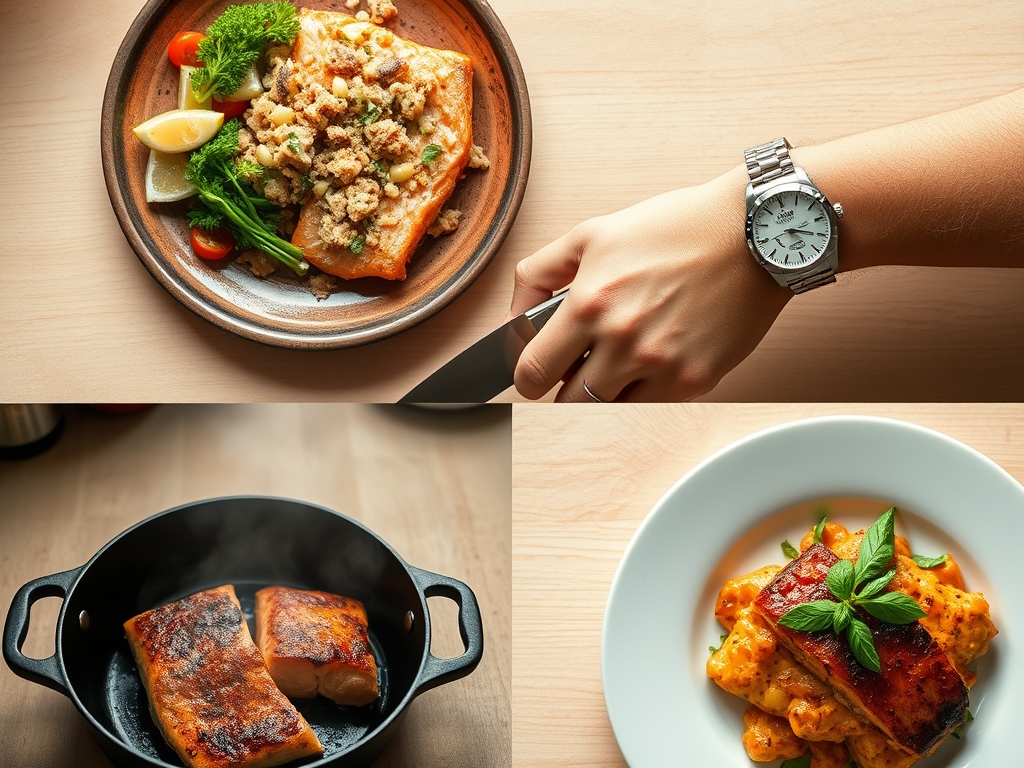
1. The Surface Prep
Pat the salmon bone-dry with a lint-free towel. Moisture is the enemy of the Maillard reaction. If the surface is damp, the energy of the oven goes into evaporating water rather than browning the protein. Use your tongs to move the fish onto a small parchment-lined tray.
Pro Tip: This is known as hygroscopic management. Removing surface water allows the surface temperature to rise above 300 degrees Fahrenheit almost instantly, triggering the complex flavor compounds we crave.
2. The Fat Barrier
Apply a thin, even coating of oil or melted ghee. Use a silicone brush to ensure the entire surface is covered. This creates a thermal bridge between the heating elements and the fish.
Pro Tip: Fat is a superior heat conductor compared to air. By coating the fish, you are creating a protective lipid barrier that prevents the internal juices from escaping while accelerating the exterior cook.
3. The Salt Infusion
Season from a height of at least ten inches. This ensures an even distribution of salt crystals across the entire surface area, preventing "salty hotspots."
Pro Tip: Salt acts as a denaturant. It begins to break down the tightly wound protein coils on the surface, allowing them to trap more moisture during the cooking process.
4. The High-Heat Blast
Slide the tray into the center rack. In a toaster oven, the proximity to the heating elements is much closer than in a standard oven. This creates intense radiant heat that mimics a professional broiler.
Pro Tip: Toaster ovens use infrared radiation. Because the cavity is small, the heat reflects off the walls and back onto the fish, creating a pseudo-convection effect that cooks the fish 20 percent faster.
5. The Citrus Zest Finish
Halfway through the cooking process, slide the rack out and use your microplane to grate fresh ginger or lemon zest over the top. This prevents the delicate oils in the zest from burning.
Pro Tip: This is called infusing at the peak. Adding aromatics toward the end ensures the volatile organic compounds remain fragrant rather than turning acrid under sustained heat.
6. The Glaze Application
If using a honey or maple glaze, apply it only in the last two minutes. The high sugar content will carbonize if left in for the full duration.
Pro Tip: This prevents sugar pyrolysis. By waiting until the end, you achieve a tacky, glossy finish without the bitter taste of burnt carbohydrates.
7. The Internal Check
Use a digital thermometer to check the thickest part of the fillet. Remove the salmon when it hits 120 degrees Fahrenheit.
Pro Tip: Thermal carryover is real. The internal temperature will continue to rise by 5 to 7 degrees after it leaves the oven as the kinetic energy from the outer layers moves toward the center.
8. The Resting Phase
Transfer the salmon to a warm plate and tent it loosely with foil for three minutes. This allows the muscle fibers to relax and reabsorb the juices.
Pro Tip: This is the equilibrium phase. If you cut into the fish immediately, the pressure from the tightened proteins will force the juices out, leaving you with a dry dinner.
The Deep Dive
Nutritionally, salmon is a powerhouse of Omega-3 fatty acids and high-quality protein. One six-ounce serving provides roughly 34 grams of protein and over 100 percent of your daily Vitamin B12 needs.
Dietary Swaps: For a Keto version, swap any sugar-based glazes for a compound butter made with roasted garlic. For Vegan guests, this same toaster oven method works beautifully for "watermelon steak" or thick slabs of tofu; just increase the oil to compensate for the lack of natural fats.
The Fix-It:
- White Gunk (Albumin): If you see white clouds on your salmon, you cooked it too fast or too high. Fix: Brine the fish in salt water for 10 minutes before cooking to minimize albumin expulsion.
- Soggy Skin: The tray was not hot enough. Fix: Preheat the empty tray in the toaster oven before placing the fish on it.
- Uneven Cooking: One end is thin and the other is thick. Fix: Fold the thin "tail" underneath itself to create a uniform thickness.
Meal Prep: To reheat, do not use a microwave. Place the salmon back in the toaster oven at 275 degrees with a splash of water and a foil cover. This rehydrates the proteins and prevents the fishy smell associated with overheated fats.
The Wrap-Up
Mastering toaster oven salmon recipes is the ultimate "low effort, high reward" pivot for your weeknight routine. By understanding the thermodynamics of your small appliance and the chemistry of the Maillard reaction, you are no longer just "making food"; you are engineering a culinary experience. Remember to keep your surface dry, your salt high, and your resting time non-negotiable. You have the tools and the science; now go turn that countertop gadget into a five-star kitchen.
The Kitchen Table
How long does it take to cook salmon in a toaster oven?
At 400 degrees Fahrenheit, most salmon fillets take 10 to 14 minutes. The exact time depends on the thickness; thinner tail pieces cook faster while center-cut fillets require the full duration to reach a safe internal temperature.
Do I need to flip salmon in the toaster oven?
No flipping is required. The proximity of the top and bottom heating elements in a toaster oven provides enough radiant heat to cook the fish evenly from both sides without disturbing the delicate protein structure.
How do I prevent salmon from sticking to the toaster oven tray?
Always use parchment paper or a silicone baking mat. If those are unavailable, preheat the tray with a thin layer of high-smoke-point oil to create a non-stick surface through a process called seasoning.
What temperature is salmon done in a toaster oven?
For a moist, flaky texture, remove the salmon when the internal temperature reaches 120 to 125 degrees Fahrenheit. Carryover cooking will bring it to the USDA-recommended 145 degrees while it rests on your plate.