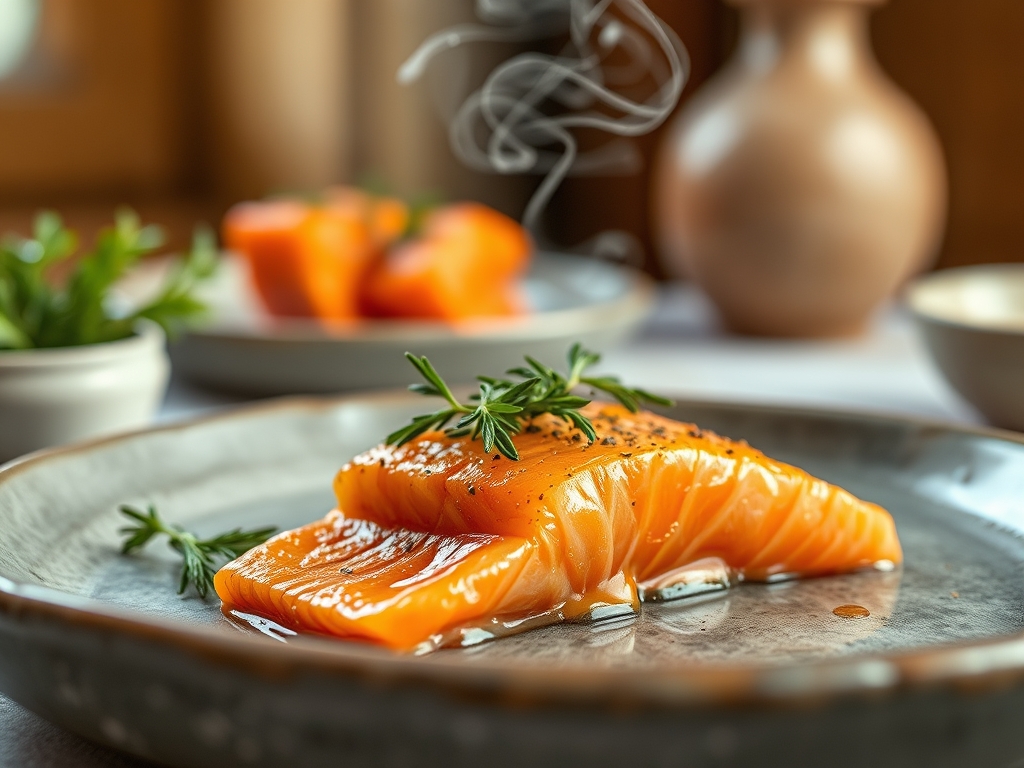
Imagine the pop of a vacuum seal and that first, heady waft of alderwood smoke hitting your senses. We are moving far beyond the humble pantry staple today. These canned smoked salmon recipes are about to transform your Tuesday night into a high-end bistro experience. We are talking about deep umami, silky textures, and that perfect, salty-sweet balance that only a high-quality tin can provide.
The beauty of working with smoked fish is that the heavy lifting is already done for you. The smoke has already penetrated the muscle fibers; the salt has already cured the proteins to a tender perfection. Our job is simply to elevate that base using heat, acid, and fat. Whether you are folding it into a creamy pasta or crisping it up in a skillet, we are aiming for culinary alchemy. Let us grab our aprons and dive into the molecular magic of turning a tin of fish into a five-star masterpiece.
The Gathers:
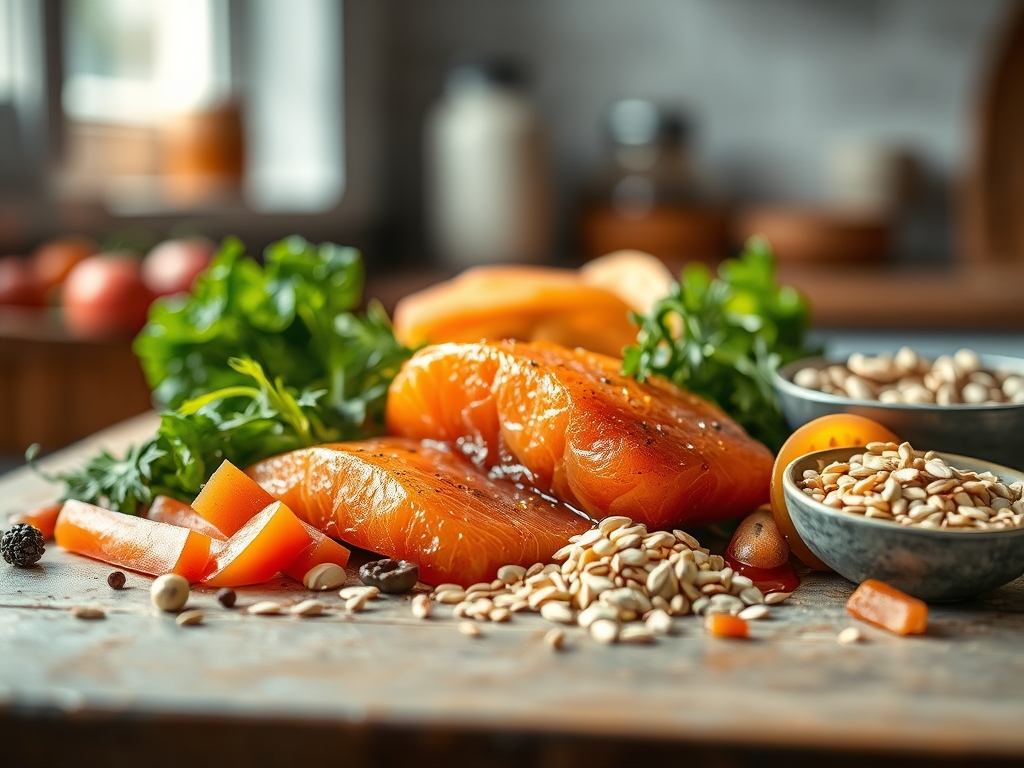
To execute these canned smoked salmon recipes with precision, your mise-en-place must be impeccable. Start with high-quality tinned salmon, preferably packed in olive oil to maintain a viscous mouthfeel. You will need a microplane for zesting citrus and grating hard cheeses; this tool increases surface area, allowing essential oils to infuse your dish instantly. Gather fresh aromatics like shallots, capers, and dill. For the base of our sauces, keep heavy cream, high-fat European butter, and a dry white wine for when it is time to deglaze the pan.
Smart Substitutions: If you find yourself without shallots, use the white parts of green onions for a similar sulfurous bite without the harshness of a red onion. No capers? Chopped green olives provide that necessary piquant punch. If you are avoiding dairy, a full-fat coconut milk can mimic the creamy texture, though you may want to add a dash of liquid smoke to bridge the flavor profile. Always keep a digital scale nearby; measuring by weight ensures your ratios of fish to binder are mathematically perfect every time.
The Clock
Efficiency in the kitchen is all about the Chef's Flow. This is the art of overlapping tasks so that no heat is wasted. For these recipes, expect a total prep time of 15 minutes and a cook time of roughly 10 to 20 minutes depending on the application. While your water boils for pasta or your oven preheats, use that time for your knife work.
The goal is to have all ingredients processed before the first flame is lit. By the time your heavy-bottomed skillet is screaming hot, your salmon should be drained and flaked. This synchronized approach prevents overcooking the delicate fish proteins, which can become rubbery if exposed to high heat for too long. We are looking for a swift, decisive execution that preserves the integrity of the smoke.
The Masterclass
1. The Smoked Salmon Carbonara
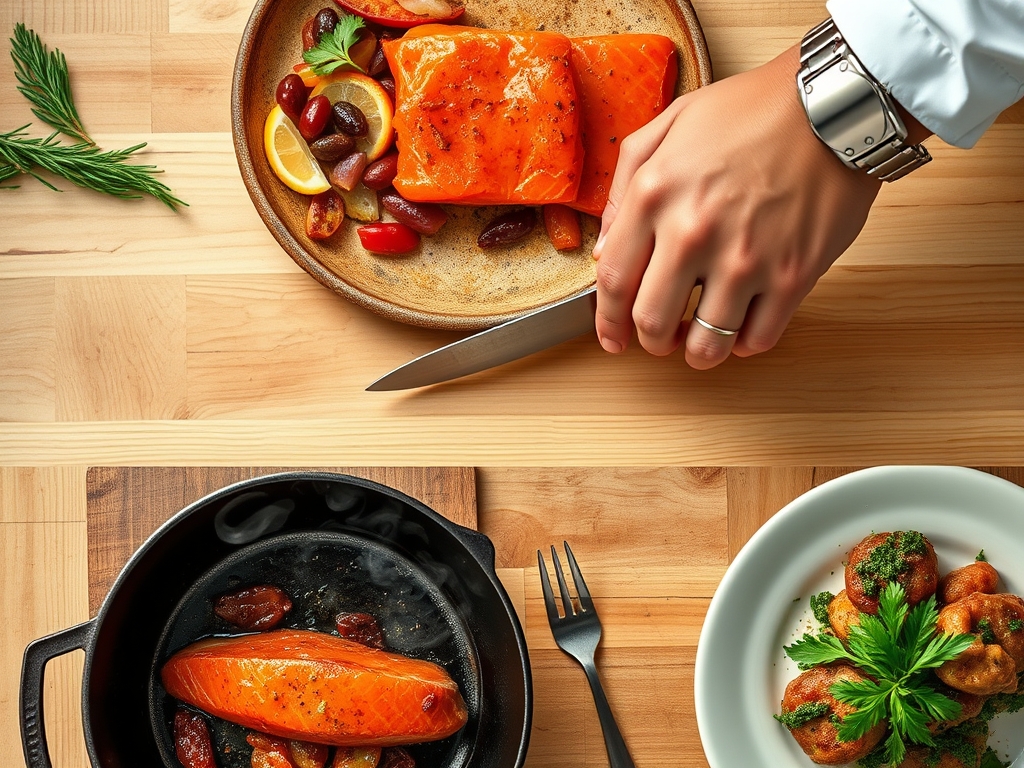
Start by whisking egg yolks and pecorino romano in a small bowl until they form a thick paste. Boil your pasta in salted water until just before al dente. In a saucier, render a small amount of pancetta, then toss in your flaked salmon just to warm it through. Combine the pasta and egg mixture with a splash of starchy pasta water, stirring vigorously to create a glossy emulsion.
Pro Tip: This relies on emulsification science. The starch in the pasta water acts as a stabilizer, preventing the egg proteins from curdling into a scramble while the fats and liquids bind into a smooth sauce.
2. Crispy Salmon Latkes
Use a bench scraper to gather grated potatoes and squeeze out every drop of moisture using a cheesecloth. Mix the potatoes with flaked smoked salmon, an egg, and a tablespoon of flour. Fry in a heavy-bottomed skillet with neutral oil until deep golden brown.
Pro Tip: Achieving a crunch depends on the Maillard reaction. By removing moisture, you allow the surface temperature to exceed 300 degrees Fahrenheit, which triggers the chemical reaction between amino acids and reducing sugars.
3. The Ultimate Smoked Salmon Spread
Place cream cheese, lemon zest, and fresh dill in a food processor. Pulse until light and airy. Gently fold in the salmon by hand to maintain some textural contrast. Serve on toasted sourdough.
Pro Tip: When you pulse the cream cheese, you aerate the fats. This incorporates tiny air bubbles that lighten the density, making the spread feel more luxurious on the palate.
4. Smoked Salmon and Asparagus Frittata
Whisk six eggs with a splash of heavy cream. Sauté asparagus tips in an oven-safe skillet, then pour in the egg mixture and top with salmon chunks. Transfer to a 350-degree oven until the center is just set.
Pro Tip: Beware of thermal carryover. Remove the frittata from the oven when the center still has a slight jiggle; the residual heat will finish the cooking process without drying out the eggs.
5. Zesty Salmon Tacos
Toss flaked salmon with lime juice, cumin, and a touch of honey. Char your tortillas over an open flame using tongs for a smoky char. Top with a cabbage slaw and chipotle crema.
Pro Tip: The acid in the lime juice performs a denaturation of the fish proteins. This "cooks" the fish further without heat, tightening the texture and brightening the heavy smoke notes.
6. Smoked Salmon Chowder
In a large pot, sauté onions and celery in butter. Add diced potatoes and seafood stock, simmering until tender. Stir in heavy cream and your canned smoked salmon at the very end.
Pro Tip: Adding the fish last prevents the hydrolysis of the delicate flakes. If boiled too long, the salmon will disintegrate into the broth rather than remaining in succulent chunks.
The Deep Dive
From a nutritional standpoint, canned smoked salmon is a powerhouse. It is packed with Omega-3 fatty acids, which are essential for brain health, and provides a high-density protein source that is shelf-stable. For those on specific diets, these recipes are incredibly flexible. Keto followers can swap pasta for zoodles or use lettuce wraps for tacos. For a gluten-free version, ensure your binders in the latkes are substituted with almond flour or cornstarch.
The Fix-It: Common Pitfalls
- The Salt Bomb: Canned salmon is already salted. Fix: Omit extra salt until the very end of the cooking process after tasting.
- The Mush Factor: Over-handling the fish breaks the flakes. Fix: Use a gentle folding motion with a silicone spatula to keep the pieces intact.
- Metallic Aftertaste: Sometimes the tin leaves a faint tang. Fix: Use a strong acid like lemon juice or vinegar to neutralize the metallic ions on the palate.
When it comes to meal prep, reheating smoked fish requires a delicate touch. Use a low-heat setting in the microwave or, better yet, a covered pan on the stovetop with a teaspoon of water. This creates steam, which rehydrates the proteins and prevents the fats from becoming rancid or "fishy" through oxidation.
The Wrap-Up
There you have it; six ways to turn a pantry staple into a gourmet event. We have mastered the art of the emulsion, the science of the Maillard reaction, and the delicate balance of acid and smoke. Cooking is as much about chemistry as it is about heart. Now that you have the technical foundation and the creative inspiration, go forth and crack open a tin. Your kitchen is about to smell like a high-end smokehouse in the best way possible.
The Kitchen Table
Can I use regular canned salmon instead of smoked?
Yes, but you will miss the depth of flavor. Add a drop of liquid smoke or a teaspoon of smoked paprika to the recipe to mimic the wood-fired profile of true smoked salmon.
How do I stop the salmon from smelling too strong?
The "fishy" smell comes from oxidized fats. Ensure your salmon is fresh from the tin and use citrus zest or fresh herbs like dill and parsley to chemically mask and brighten the aroma.
Is the liquid in the can useful?
Absolutely. That liquid is packed with flavor and healthy fats. Use it to deglaze your pan or whisk it into a salad dressing to carry the smoky theme throughout the entire meal.
How long does canned smoked salmon last once opened?
Once the seal is broken, treat it like fresh fish. Store it in an airtight glass container in the refrigerator and consume it within two to three days for the best quality and safety.