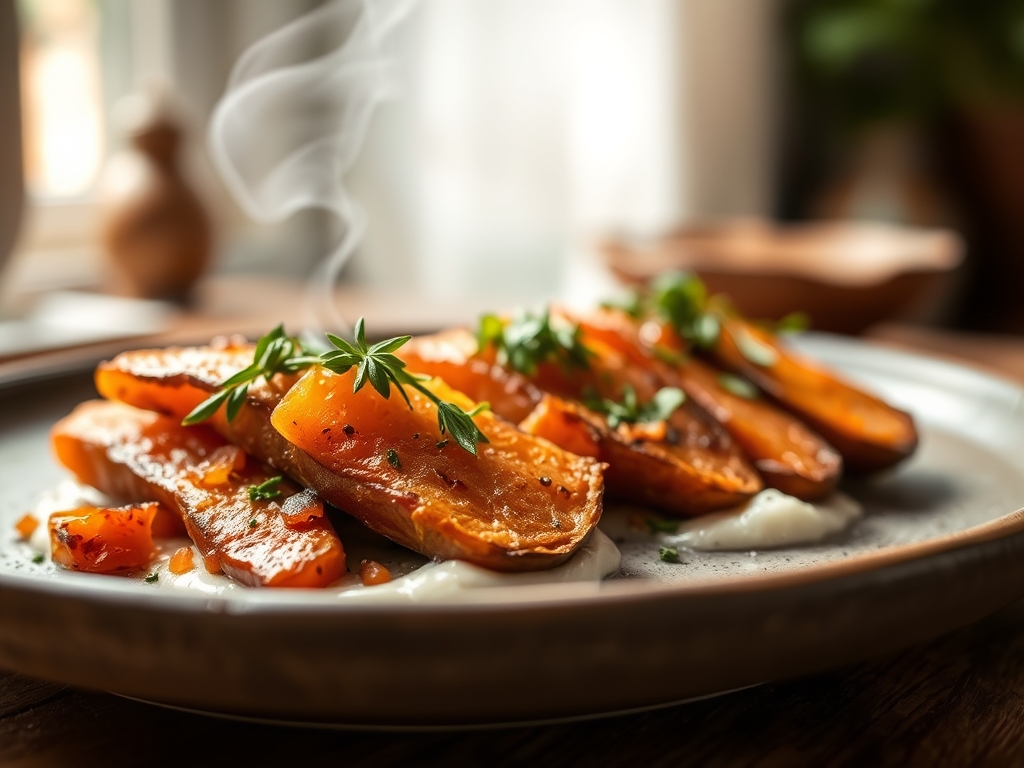
Steam rises from the heavy-bottomed skillet as the aroma of caramelized sugars fills the room; it is the olfactory signature of a kitchen that refuses to let good food go to waste. You probably have a bowl of orange mash or a few roasted wedges sitting in the back of your refrigerator, looking a bit lonely after last night's dinner. Do not let them languish. Mastering a few leftover sweet potato recipes is the ultimate culinary flex because it proves you understand the transformative power of starch and sugar. We are moving far beyond the microwave reheat. We are talking about utilizing the natural humectant properties of the tuber to create textures that fresh potatoes simply cannot achieve. Whether you are aiming for a crispy exterior or a velvety interior, that cold leftover starch is actually your secret weapon. Let's turn those orange remnants into a five-star brunch or a sophisticated dinner side that will make your guests think you spent hours at the prep station.
The Gathers:
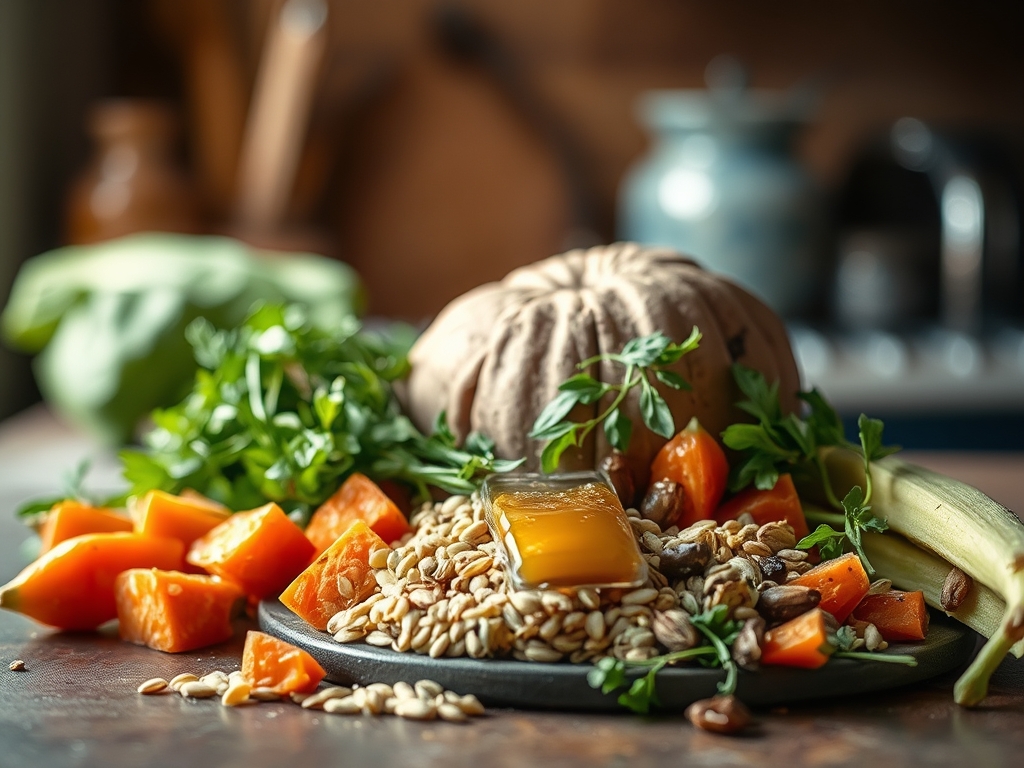
To execute these transformations, your mise-en-place must be precise. Gather your leftover sweet potatoes; they should be chilled, which helps stabilize the cell walls. For the savory applications, you will need high-quality fats like clarified butter or avocado oil, which have high smoke points. For the sweeter routes, grab some Grade A maple syrup and warm spices like Ceylon cinnamon or freshly grated nutmeg.
Smart Substitutions: If you lack a traditional binder like eggs, a flax slurry (one tablespoon ground flax to three tablespoons water) works beautifully because the mucilage mimics the protein structure of egg whites. No heavy cream for your soup? Use full-fat coconut milk to maintain a viscous mouthfeel while adding a tropical undertone. Always keep a microplane nearby to zest citrus or grate ginger; these piquant additions cut through the natural density of the potato. If you are out of breadcrumbs for your patties, crushed panko or even almond meal provides a superior crunch that respects the integrity of the vegetable.
The Clock:
Efficiency in the kitchen is about "Chef's Flow," the art of overlapping tasks to minimize downtime. If you are making the gnocchi or the fritters, your active prep time is roughly fifteen minutes. The cooking phase generally takes another ten to twenty minutes depending on the volume.
The flow works like this: start by bringing your cold potatoes to room temperature for five minutes while you calibrate your digital scale. Use this time to prep your aromatics. If you are frying, preheat your heavy-bottomed skillet early. A cast iron pan takes about five minutes to achieve uniform heat distribution. By the time your oil reaches 375 degrees Fahrenheit, your mixture should be seasoned and shaped. Total time from fridge to table? Under thirty minutes. This is high-speed gastronomy that relies on the "head start" your leftovers provided.
The Masterclass:
1. The Crispy Smash Fritter
Take your roasted wedges and place them on a clean work surface. Use a bench scraper to gently press down until they are flattened but still intact. Dust with cornstarch and sear in hot oil.
Pro Tip: This relies on the Maillard reaction. The cornstarch absorbs residual moisture, allowing the surface temperature to exceed 300 degrees Fahrenheit quickly, creating a shatteringly crisp crust without overcooking the center.
2. The Velvet Morning Smoothie
Combine a half-cup of mashed sweet potato with almond milk, a frozen banana, and a pinch of salt in a high-speed blender. Blend until completely smooth.
Pro Tip: Sweet potatoes are high in pectin. When blended, these fibers create a viscous suspension that mimics the mouthfeel of a dairy-heavy milkshake without the added fats.
3. Two-Ingredient Gnocchi
Fold flour into your mashed potatoes until a tacky dough forms. Roll into ropes and cut with a bench scraper. Boil until they float, then sauté in brown butter.
Pro Tip: Use a digital scale to ensure a 1:2 ratio of flour to potato. Over-working the dough develops gluten, which leads to a rubbery texture; mix just until the proteins and starches are cohesive.
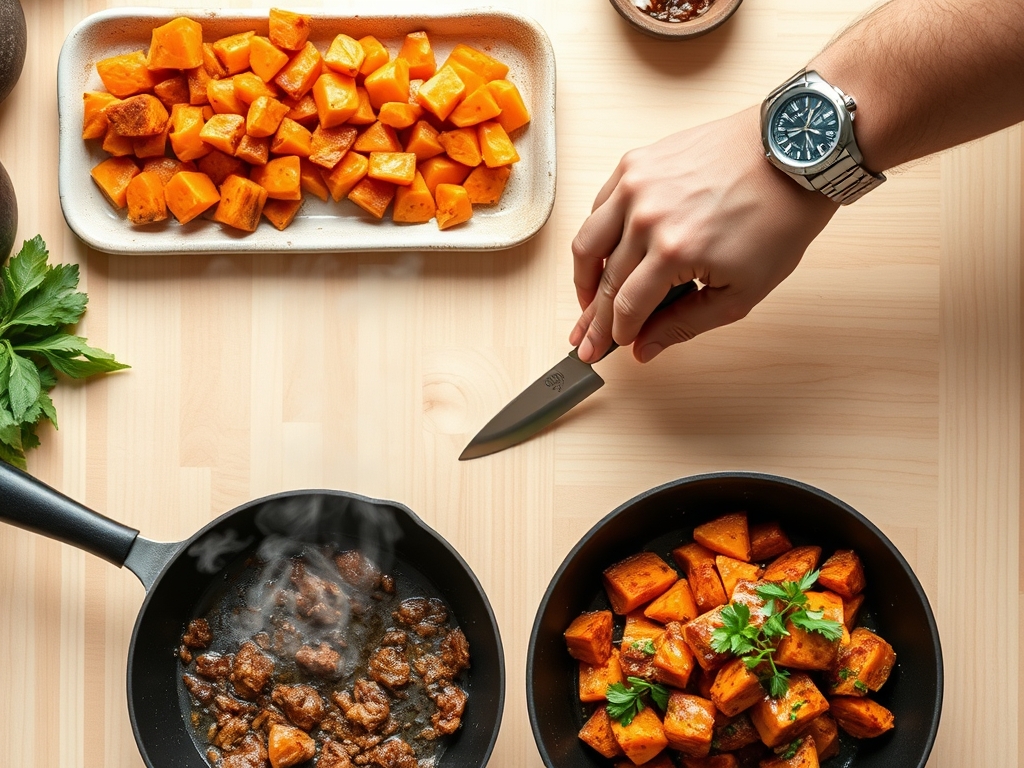
4. The Savory Breakfast Hash
Dice your leftover potatoes into uniform cubes. Sauté with shallots and kale in a saucier until the edges are charred and the greens are wilted.
Pro Tip: This is about thermal carryover. Remove the hash from the heat just before the greens look "done." The residual heat will finish the wilting process without turning the kale into a bitter, mushy mess.
5. Sweet Potato Hummus
Process leftover mash with tahini, lemon juice, and garlic. Stream in olive oil to emulsify the mixture into a dip.
Pro Tip: The starch in the potato acts as a secondary emulsifier. It stabilizes the fat droplets from the tahini, resulting in a dip that stays creamy even after twenty-four hours in the refrigerator.
6. The Spiced Power Bowl
Reheat your potatoes with a splash of apple cider vinegar and honey. Serve over quinoa with toasted pepitas.
Pro Tip: The acid in the vinegar brightens the flavor profile. It interacts with the anthocyanins or carotenoids in the potato, preventing the color from dulling during the reheating process.
The Deep Dive:
From a nutritional standpoint, sweet potatoes are a powerhouse of Vitamin A (beta-carotene) and potassium. Using leftovers actually increases the amount of resistant starch in the vegetable. When cooked and then cooled, the starch molecules undergo retrogradation, making them harder for your body to digest, which effectively lowers the glycemic index and feeds your gut microbiome.
Dietary Swaps: For a Keto-friendly version, limit the portion size and pair with high-fat avocado. For a Vegan approach, replace honey with agave and butter with refined coconut oil. If you are Gluten-Free, use cassava flour for the gnocchi; it has a similar starch profile that maintains the "chew" you crave.
The Fix-It:
- Too Mushy: If your mash is watery, spread it on a baking sheet and bake at 350 degrees for ten minutes to render out excess moisture.
- Too Bland: Sweet potatoes need acid. Add a squeeze of lime or a teaspoon of Dijon mustard to wake up the sugars.
- Sticking to the Pan: You likely didn't let the pan get hot enough. Ensure your oil is shimmering before the potato touches the surface to create an instant steam barrier.
Meal Prep: To reheat for "day-one" quality, avoid the microwave if possible. Use an air fryer at 375 degrees for four minutes. This circulates hot air to re-crisp the exterior while keeping the interior moist. If using a stovetop, add a teaspoon of water and cover the pan to create a steam chamber before finishing with a high-heat sear.
The Wrap-Up:
There is a certain magic in the "second act" of an ingredient. Leftover sweet potato recipes are not just about clearing out the fridge; they are about culinary intelligence and flavor layering. By understanding the science of starch and the importance of professional tools like the saucier or bench scraper, you turn a humble root vegetable into a gourmet experience. So, go ahead and grab that container from the shelf. Your next favorite meal is already halfway finished; you just need to apply a little heat and a lot of style.
The Kitchen Table:
How do I stop leftover sweet potatoes from getting soggy?
Reheat them using dry heat methods like an air fryer or a hot skillet. Avoid the microwave, which traps steam. Dusting the surface with a little cornstarch or arrowroot powder before searing will also help absorb excess moisture and ensure a crisp finish.
Can I freeze leftover sweet potato mash for later?
Yes, sweet potato mash freezes exceptionally well due to its high starch content. Store it in an airtight silicone bag, removing as much air as possible to prevent oxidation. Thaw in the refrigerator overnight before using it in fritters or smoothies.
What is the best way to season savory sweet potato dishes?
Balance the natural sweetness with salt, acid, and heat. Use smoked paprika for depth, lime juice for brightness, and red pepper flakes for a kick. Fresh herbs like rosemary or thyme also pair beautifully when sautéed in a heavy-bottomed skillet.
How long do cooked sweet potatoes stay fresh in the fridge?
When stored in an airtight container, they will maintain peak quality for four to five days. Always check for any off-smells or a slimy texture before using. The cold temperature actually improves their structure for making gnocchi or patties.