
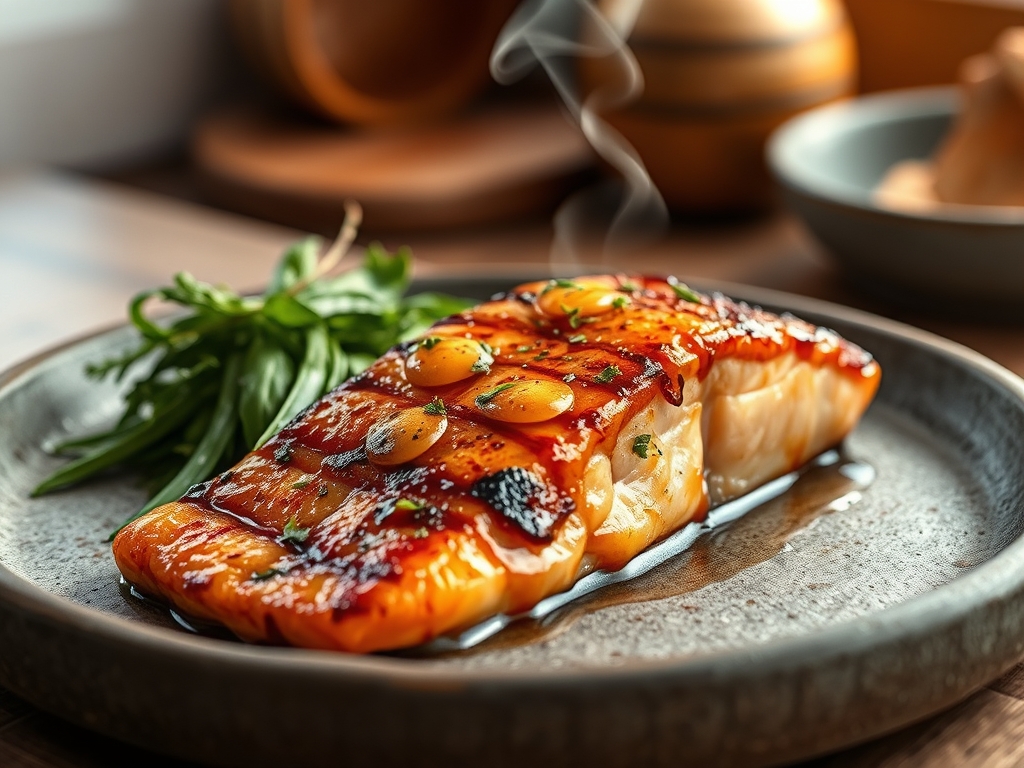
Picture the scene: a golden hour glow, the rhythmic crackle of charcoal, and that unmistakable scent of caramelizing sugars meeting ocean-fresh fats. We have all been there, staring at a piece of fish and praying it does not fuse itself to the grill grates like industrial glue. Mastering bbq salmon recipes is not just about heat; it is about managing the delicate architecture of muscle fibers and lipids to achieve that buttery, melt-in-your-mouth finish. When you get it right, the skin shatters like glass and the flesh flakes into translucent, succulent petals. This is not just dinner. It is a masterclass in thermal dynamics and flavor layering that will make you the undisputed hero of the backyard patio.
The Gathers:
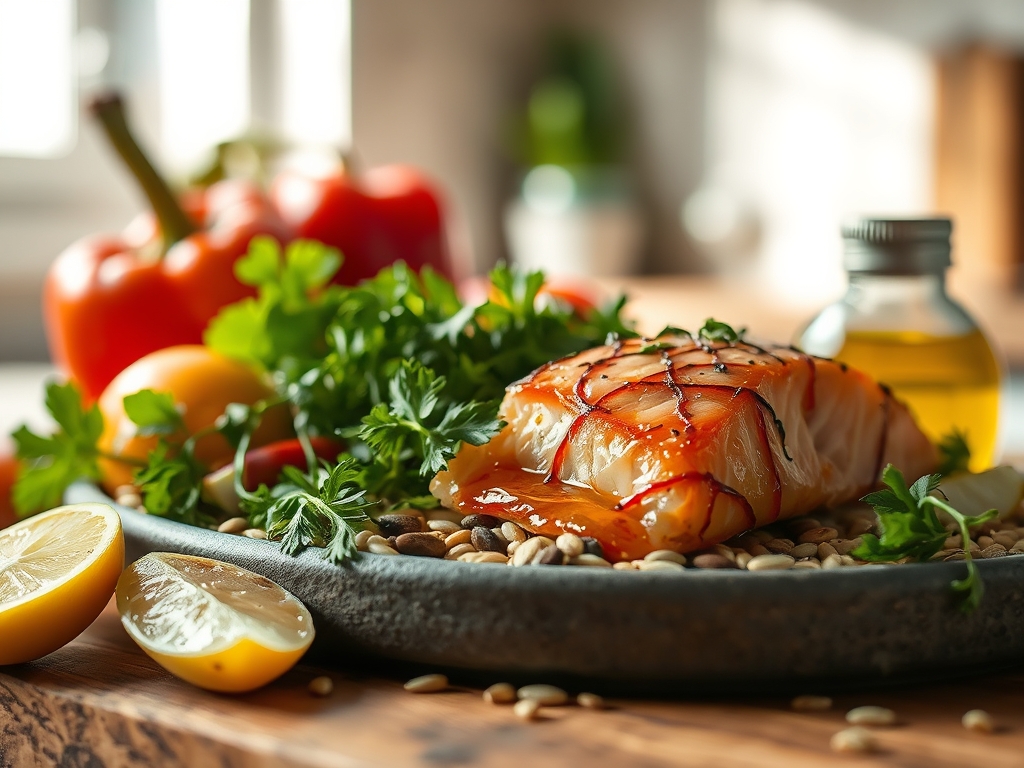
To execute these bbq salmon recipes with surgical precision, your mise-en-place must be impeccable. We are looking for center-cut fillets, ideally King or Sockeye, which possess the high fat content necessary to withstand the intense, dry heat of the grill. You will need a high-smoke-point oil, such as avocado or grapeseed oil, to create a barrier against protein bonding. For the seasoning, gather coarse kosher salt, cracked black peppercorns, and a viscous glaze composed of maple syrup, Dijon mustard, and a splash of apple cider vinegar for that essential piquant acidity.
Smart Substitutions:
If you are out of maple syrup, a dark agave nectar provides a similar glycemic profile and caramelization rate. For those avoiding soy, coconut aminos offer a fantastic umami depth without the sodium spike. If fresh salmon is unavailable, high-quality frozen fillets are acceptable, provided they are thawed slowly in the refrigerator to prevent cellular rupture and moisture loss. Use a microplane to zest a lemon over the final assembly to infuse the dish with volatile oils that cut through the richness of the fish.
The Clock
Efficiency in the kitchen is dictated by the Chef's Flow. This is the art of overlapping tasks so that no heat is wasted. Your total active prep time is a brisk 15 minutes, while the grill requires a 20-minute preheat to reach a stable 450 degrees Fahrenheit. The actual cooking time is a lightning-fast 6 to 10 minutes, depending on the thickness of the cut.
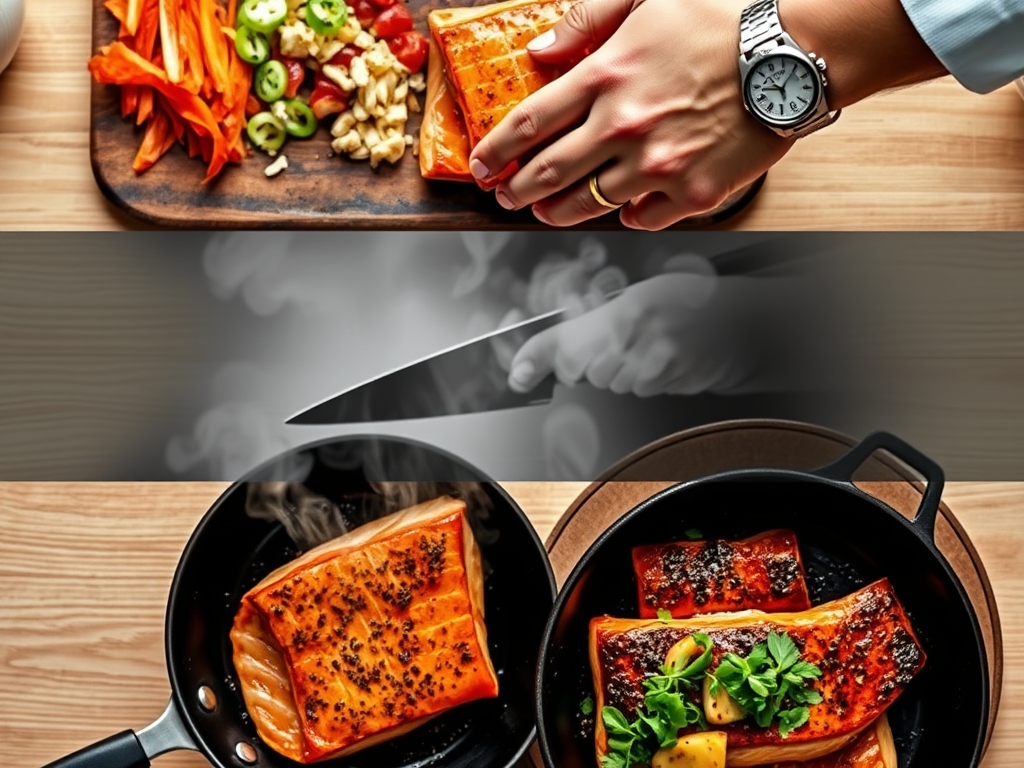
The flow works like this: start your grill first. While the grates are absorbing energy, temper your salmon on the counter for 15 minutes to reduce the thermal shock. Pat the skin bone-dry with paper towels; moisture is the enemy of the Maillard reaction. By the time the grill is screaming hot, your fish is at the perfect temperature to hit the grates.
The Masterclass
1. The Tempering Ritual
Never take salmon straight from the fridge to the flame. Allow the fillets to sit at room temperature for about 15 minutes. This ensures the internal temperature rises evenly, preventing a charred exterior and a raw, cold center.
Pro Tip: This process reduces the "thermal gradient," meaning the heat does not have to work as hard to reach the core. This prevents the outer layers from overcooking and becoming tough while waiting for the middle to finish.
2. The Desiccation Phase
Use a lint-free towel to wipe every trace of moisture from the skin. If the skin is damp, the heat will be spent evaporating water rather than crisping the surface. Use a bench scraper to gently press the skin flat if it begins to curl.
Pro Tip: This facilitates enzymatic browning. Without surface moisture, the proteins and sugars can react immediately with the heat to create that savory, umami-rich crust we crave.
3. Lubrication and Surface Tension
Coat the fish, not the grill, with oil. Use your hands or a silicone brush to ensure a thin, even layer. This creates a hydrophobic barrier that prevents the fish from sticking to the metal grates.
Pro Tip: This is basic fluid dynamics. The oil fills the microscopic pits in the metal grates, creating a smooth surface that allows the fish to "float" on a layer of vaporized fats.
4. The Skin-Down Command
Place the salmon skin-side down on the hottest part of the grill. Close the lid to create a convection oven effect. Do not touch it. Do not move it. Let the heat render the subcutaneous fat, which essentially deep-fries the skin from the bottom up.
Pro Tip: This utilizes conductive heating. The skin acts as a heat shield, protecting the delicate flesh above it from drying out while the fat renders into a crispy, flavorful layer.
5. The Glaze Application
Only apply your sugary glazes during the final two minutes of cooking. Use a saucier to keep your glaze warm before brushing it on. If you apply it too early, the sugars will burn and turn bitter before the fish is cooked through.
Pro Tip: This is about managing the caramelization point. Most sugars burn at 350 degrees Fahrenheit. By waiting until the end, you achieve a glossy, tacky finish without the acrid taste of carbonized sugar.
6. The Internal Check
Use a digital scale or, more accurately, a digital instant-read thermometer. Pull the salmon when it hits 125 degrees Fahrenheit for a perfect medium-rare. The temperature will continue to rise once off the grill.
Pro Tip: This is known as thermal carryover. Residual heat trapped in the outer layers of the fish will continue to migrate toward the center, raising the internal temperature by another 5 degrees while it rests.
7. The Rest Period
Transfer the salmon to a warm platter and let it rest for at least 5 minutes. This allows the muscle fibers to relax and reabsorb the juices that were pushed toward the center during cooking.
Pro Tip: Resting allows for moisture redistribution. If you cut into it immediately, the pressurized juices will leak out, leaving you with a dry piece of fish despite your best efforts.
The Deep Dive
From a macro perspective, salmon is a nutritional powerhouse. A 6-ounce fillet provides roughly 34 grams of high-quality protein and is loaded with Omega-3 fatty acids, which are essential for brain health. For a Keto version, simply swap the maple syrup in the glaze for a monk fruit sweetener. Vegan friends can apply these same grilling techniques to thick slabs of cauliflower or firm tofu, though the cooking times will vary.
The Fix-It: Common Pitfalls
- The Stick: If the fish is stuck, it is not ready to flip. The proteins will naturally release from the grate once they have sufficiently browned.
- The White Gunk: This is albumin, a protein that squeezes out when salmon is cooked too fast or too high. Lower your heat slightly to keep it contained.
- The Flare-Up: If dripping fat causes flames, move the fish to the cooler side of the grill immediately using long-handled tongs.
Meal Prep Science:
To reheat salmon without it turning into rubber, avoid the microwave. Use a low oven (275 degrees) with a splash of water or broth covered in foil. This creates a steam chamber that gently rehydrates the proteins, maintaining that "day-one" flake and moisture.
The Wrap-Up
Grilling the perfect salmon is a beautiful marriage of chemistry and intuition. By understanding how heat interacts with protein and fat, you move from "guessing" to "knowing." Remember to keep your tools clean, your grates hot, and your patience high. The results speak for themselves: a vibrant, smoky, and sophisticated meal that feels like a celebration every single time. Now, grab those tongs and go dominate that grill.
The Kitchen Table
How do I know when the salmon is done without a thermometer?
Gently press the top of the fillet with a fork or your finger. If the flesh flakes easily along the natural white lines (the fat deposits), it is ready. It should feel firm but still have a slight give.
Why does my salmon skin always stick to the grill?
Usually, the grill wasn't hot enough or the skin was too wet. Ensure the grates are scrubbed clean and preheated for at least 20 minutes. Always pat the skin completely dry and oil the fish thoroughly before grilling.
Can I use frozen salmon for these bbq salmon recipes?
Yes, but thaw it completely in the refrigerator first. Pat it extra dry, as frozen fish tends to release more moisture. This ensures the texture remains firm and the skin can still achieve a proper, crispy sear.
What is the best wood for smoking salmon on a grill?
Alder or cedar are the classic choices for salmon. They provide a mild, sweet smoke that complements the fatty fish without overpowering it. Fruitwoods like apple or cherry also work beautifully for a subtle, sophisticated flavor profile.