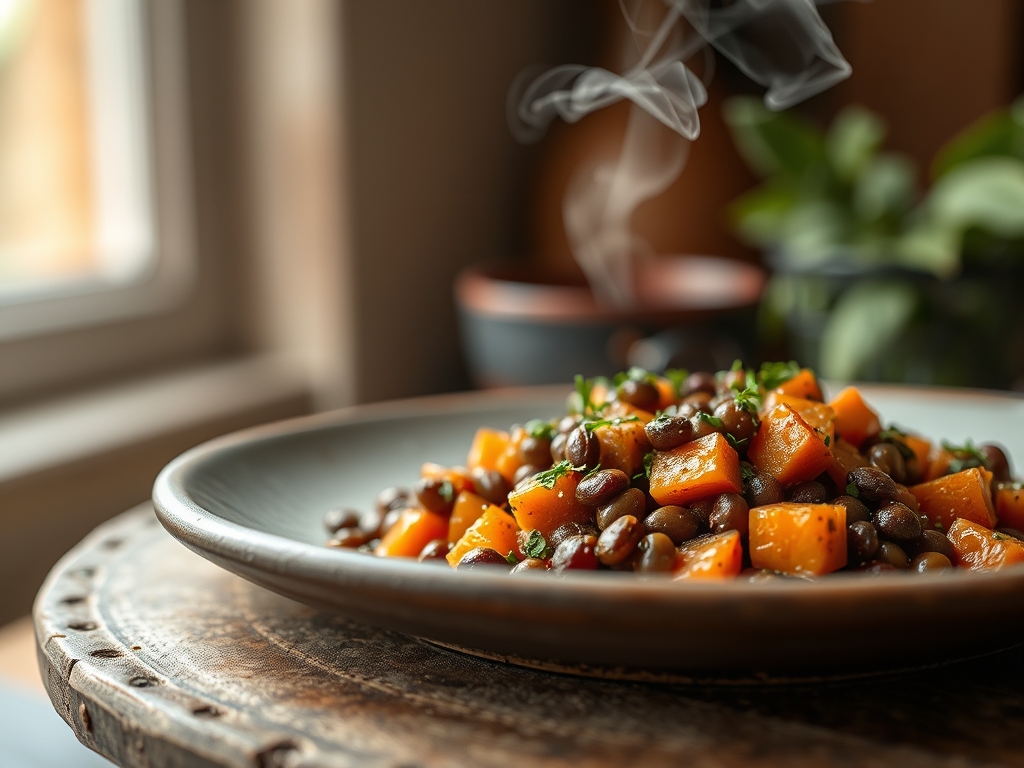
The scent of caramelized sugars hitting a hot surface is the ultimate kitchen siren song. When you master lentils and sweet potato recipes, you are essentially conducting an orchestra of complex carbohydrates and plant-based proteins. Imagine the earthy, peppery notes of a French green lentil meeting the velvet, honeyed crumb of a roasted garnet yam. It is a textural masterpiece that satisfies the soul while fueling the body.
The magic lies in the contrast. You have the structural integrity of the legume and the creamy, starch-heavy profile of the tuber. Whether you are folding them into a piquant curry or roasting them into a crisp salad, this duo represents the pinnacle of nutrient density. We are moving beyond basic boiling. We are talking about deep browning, aromatic infusions, and the kind of meal prep that makes your future self want to give you a high five. This is smart, functional cooking that tastes like a luxury.
The Gathers:
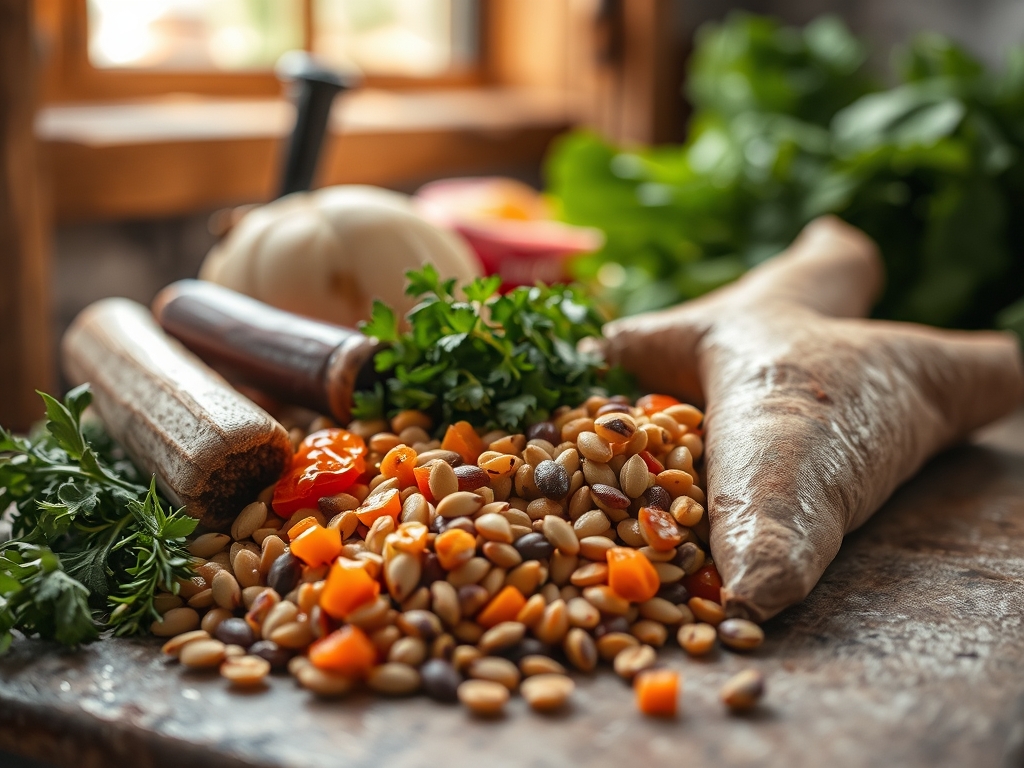
To execute these lentils and sweet potato recipes with precision, your mise-en-place must be impeccable. Start with the star players. For the lentils, I recommend Puy or Beluga varieties if you want them to hold their shape, or red split lentils if you are aiming for a viscous, dahl-like consistency. Your sweet potatoes should be firm to the touch; look for Beauregard or Jewel varieties for that classic orange hue and high sugar content.
Your secondary kit includes aromatics: yellow onions for their high sulfur content which mellows into sweetness, fresh ginger for a piquant kick, and garlic cloves that you will crush to release allicin. You will need a high-quality fat, such as cold-pressed avocado oil or grass-fed ghee, to facilitate heat transfer. Grab your digital scale to ensure the ratio of legume to tuber is perfect; usually, a 1:2 weight ratio provides the best textural balance.
Smart Substitutions: If you cannot find sweet potatoes, butternut squash offers a similar glycemic profile and starch density. No lentils in the pantry? Substitute with split peas, though you must monitor the hydration levels closely as they absorb water at a higher rate. For a citrus hit, use a microplane to zest a lime over the finished dish; the essential oils provide a brighter lift than juice alone.
The Clock
Efficiency in the kitchen is about managing the Chef's Flow. This is the art of overlapping tasks so that no burner stands idle. Total active prep time for these recipes usually clocks in at 20 minutes, with a total cook time of 40 minutes.
The flow begins with the "Hard Roast." While your oven preheats to 425 degrees Fahrenheit, you are at the cutting board using a sharp chef's knife or a bench scraper to organize your cubes. The sweet potatoes take the longest to undergo the Maillard reaction, so they hit the heat first. While they roast, you move to the stovetop. By the time your lentils have simmered to a perfect al dente, the potatoes are caramelized and ready for integration. This staggered approach ensures that every component reaches its peak temperature and texture simultaneously.
The Masterclass
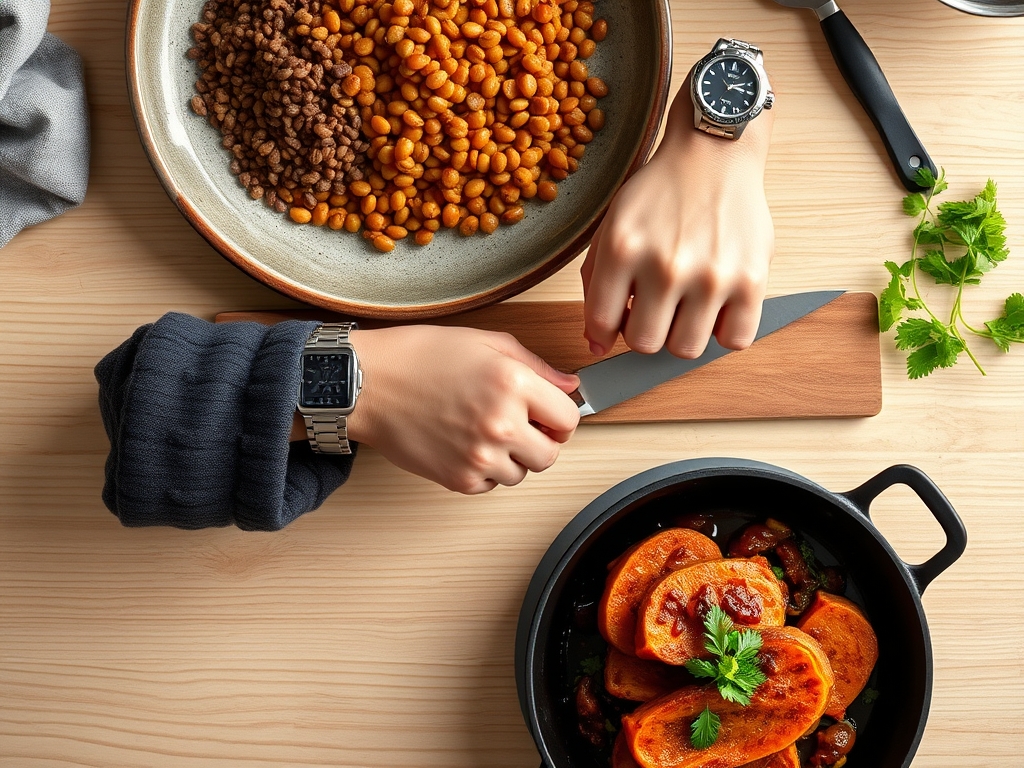
1. The Precision Dice and Prep
Uniformity is not just for aesthetics; it is for even thermal distribution. Use your bench scraper to clear your board as you cube the sweet potatoes into 1/2-inch morsels. Rinse your lentils in a fine-mesh strainer until the water runs clear to remove excess dust and saponins.
Pro Tip: Cutting vegetables into uniform sizes ensures they cook at the same rate. This prevents the "mush factor" where small pieces disintegrate before larger pieces reach the desired internal temperature.
2. The High-Heat Sear
Place your sweet potatoes in a heavy-bottomed skillet or on a preheated sheet pan. Coat them in oil and salt. You are looking for direct contact to initiate the caramelization of natural sugars.
Pro Tip: Do not crowd the pan. If the potatoes are too close, they will trap steam and boil rather than roast. This prevents the development of the crispy exterior known as the Maillard reaction.
3. The Aromatic Infusion
In a saucier, sauté your onions and spices in fat. This is called "blooming." The fat-soluble compounds in spices like cumin and turmeric are released more effectively in oil than in water.
Pro Tip: Heat acts as a catalyst for flavor. By toasting your spices in fat before adding liquid, you infuse the entire base of the dish with a deeper, more resonant flavor profile.
4. The Simmer and Hydration
Add your lentils and liquid (broth or water) to the aromatics. Bring to a boil, then immediately drop to a low simmer. Covering the pot traps steam, which helps the lentils hydrate evenly without breaking the skins.
Pro Tip: Keep the simmer gentle. A violent boil causes the lentils to bounce against each other, leading to mechanical damage and a mealy texture.
5. The Emulsified Integration
Once the lentils are tender and the potatoes are roasted, combine them. If you are making a stew, use a splash of coconut milk or a knob of butter to emulsify the cooking liquid into a rich, velvety sauce.
Pro Tip: Use thermal carryover to your advantage. Remove the dish from the heat when it is just slightly underdone; the residual heat will finish the cooking process without overextending the starches.
The Deep Dive
When we look at the macro nutrition of lentils and sweet potato recipes, we see a powerhouse. One serving typically provides 18 grams of protein and 15 grams of fiber. The sweet potatoes offer a massive dose of Vitamin A (beta-carotene), while lentils provide essential iron and folate. It is a low-glycemic meal that prevents insulin spikes.
Dietary Swaps: For a Vegan version, stick to coconut oil or avocado oil. If you are aiming for Keto-adjacent, increase the ratio of lentils (which have more fiber) and reduce the sweet potato portion, or swap half the potato for cauliflower florets. All these recipes are naturally Gluten-Free, provided your broth is certified.
The Fix-It:
- Mushy Lentils: If you overcooked them, do not toss them. Blend them into a thick puree and use it as a creamy base for a soup.
- Bland Flavor: This usually means a lack of acidity. Add a teaspoon of apple cider vinegar or a squeeze of lemon to "wake up" the salt.
- Burnt Potatoes: If the bottoms are too dark, deglaze the pan with a little broth to loosen the flavorful bits (fond) and incorporate them into the sauce.
Meal Prep: To maintain "day-one" quality, store the lentils and potatoes in airtight glass containers. When reheating, add a tablespoon of water or broth before microwaving or heating on the stove. This creates a steam environment that re-hydrates the starches without making them rubbery.
The Wrap-Up
Mastering lentils and sweet potato recipes is a total game changer for your weekly rotation. You are combining scientific precision with rustic, comforting flavors. By focusing on the Maillard reaction, proper hydration, and aromatic blooming, you elevate humble pantry staples into a gourmet experience. Get your heavy-bottomed skillet ready and start experimenting with these textures. Your kitchen is your laboratory; go make something delicious.
The Kitchen Table
Can I use canned lentils for these recipes?
Yes, but rinse them thoroughly first. Canned lentils are already hydrated, so add them at the very end of the cooking process just to warm them through. This prevents them from becoming unpleasantly soft or losing their structural integrity.
How do I stop sweet potatoes from getting soggy?
High heat and space are your best friends. Ensure the oven is at least 400 degrees Fahrenheit and use a large sheet pan. Avoid covering the pan with foil, as this traps moisture and steams the vegetables instead of roasting them.
What is the best lentil for meal prep?
French Green (Puy) lentils or Black Beluga lentils are superior for meal prep. They possess a thicker outer skin that maintains its shape during reheating. Red lentils tend to disintegrate, making them better for immediate consumption in soups or dals.
Why should I salt lentils at the end?
Salting too early can occasionally toughen the skins of certain lentil varieties, though this is debated. For the most consistent results, salt the cooking liquid moderately at the start and do a final seasoning adjustment once the lentils have reached peak tenderness.