
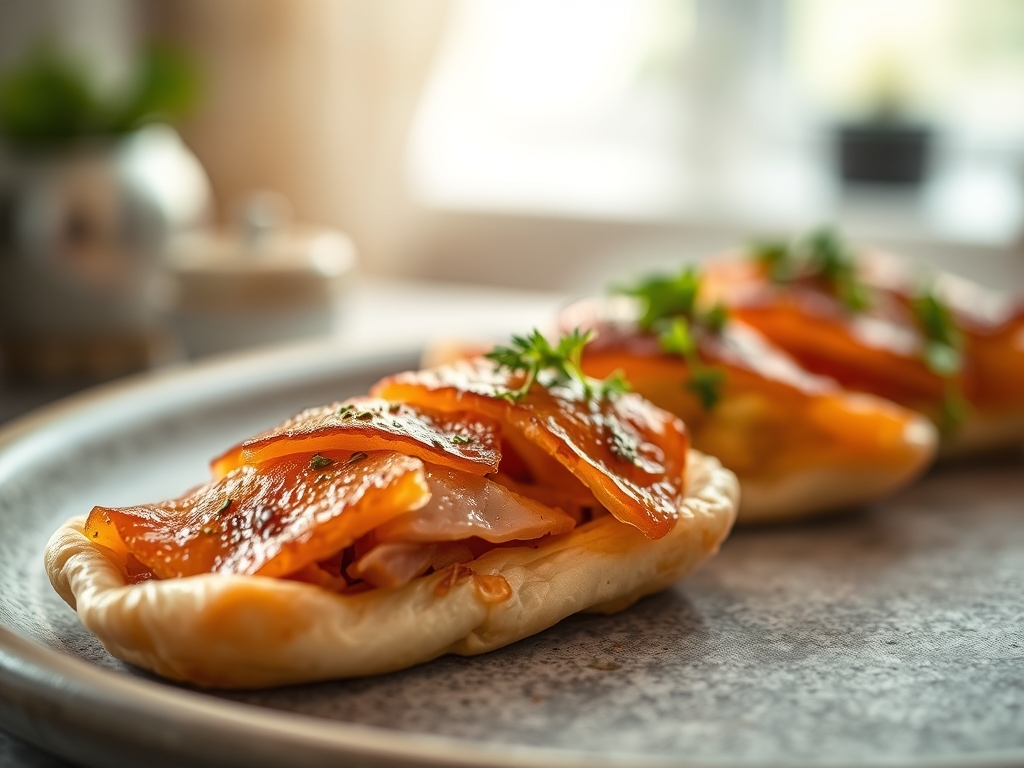
Imagine the sound of a thousand microscopic glass shards shattering at once. That is the precise acoustic signature of a perfect bite of flaky dough meeting succulent, butter-poached fish. When you are hunting for the ultimate salmon recipes puff pastry is your secret weapon; it acts as a pressurized steam chamber that locks in lipids while the exterior undergoes a violent, beautiful transformation into golden layers of crunch. We are moving beyond the basic dinner fillet and into the realm of architectural party bakes. Think of these as tiny, edible sculptures where the fatty acids of the Atlantic salmon meet the laminated precision of French pastry. It is a marriage of high-pressure steam and Maillard-induced browning that creates a sensory profile no other appetizer can touch. We are not just cooking; we are engineering a moment of pure, buttery bliss.
Whether you are hosting a high-stakes gala or a cozy Friday night with the girls, these seven variations on salmon puff pastry will elevate your kitchen status to executive chef level. We are talking about flavor profiles that range from zesty citrus infusions to earthy, umami-rich mushroom duxelles, all wrapped in a crust that shatters on impact. Grab your apron and your favorite heavy-bottomed skillet; we are about to turn your kitchen into a high-end patisserie.
The Gathers:
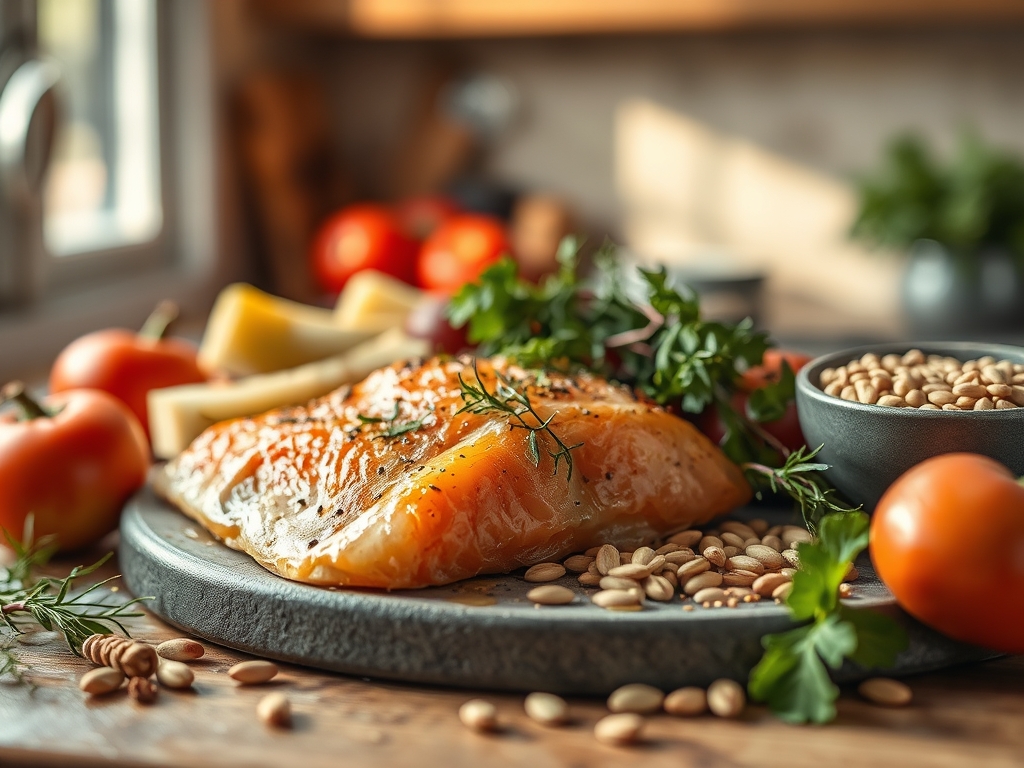
To execute these salmon recipes puff pastry masterpieces, your mise-en-place must be surgical. Start with high-quality, center-cut salmon fillets. Look for vibrant color and firm texture; this indicates a high density of astaxanthin, the antioxidant that gives salmon its hue. Your puff pastry must be kept at a precise temperature. If it is too warm, the butter layers will melt into the flour, destroying the lamination. If it is too cold, the gluten strands will snap.
The Essential Kit:
- Salmon: 2 lbs of skinless, sushi-grade Atlantic or King salmon.
- Puff Pastry: Two sheets of all-butter puff pastry (avoid vegetable oil versions for superior flavor).
- Aromatics: Fresh dill, chives, and a microplane-grated zest of two Meyer lemons.
- The Binder: Full-fat cream cheese or a thick Greek yogurt to act as a moisture barrier.
- The Glaze: Two large egg yolks whisked with a teaspoon of heavy cream for that deep mahogany finish.
Smart Substitutions:
If you are looking to pivot, try swapping the cream cheese for a viscous cashew cream to keep things lighter. If salmon is unavailable, Arctic Char offers a similar fat content and a delicate, piquant finish. For a gluten-sensitive crowd, ensure your puff pastry is a certified GF blend, though you may need to adjust your baking time by five minutes to account for the different starch structures.
The Clock
Efficiency in the kitchen is about understanding the Chef's Flow. Total active prep time for these seven variations is approximately 40 minutes, with a bake time of 22 to 25 minutes per batch.
The Breakdown:
- Chilling (20 mins): Crucial for stabilizing the fats after handling.
- Assembly (20 mins): Using a sharp bench scraper to portion your pastry ensures clean edges.
- The Bake (25 mins): This is where the thermal energy causes the water in the butter to turn to steam, lifting the layers.
- Resting (10 mins): Allows for thermal carryover to finish the center of the salmon without overcooking the exterior.
The Masterclass:
1. The Precision Cut
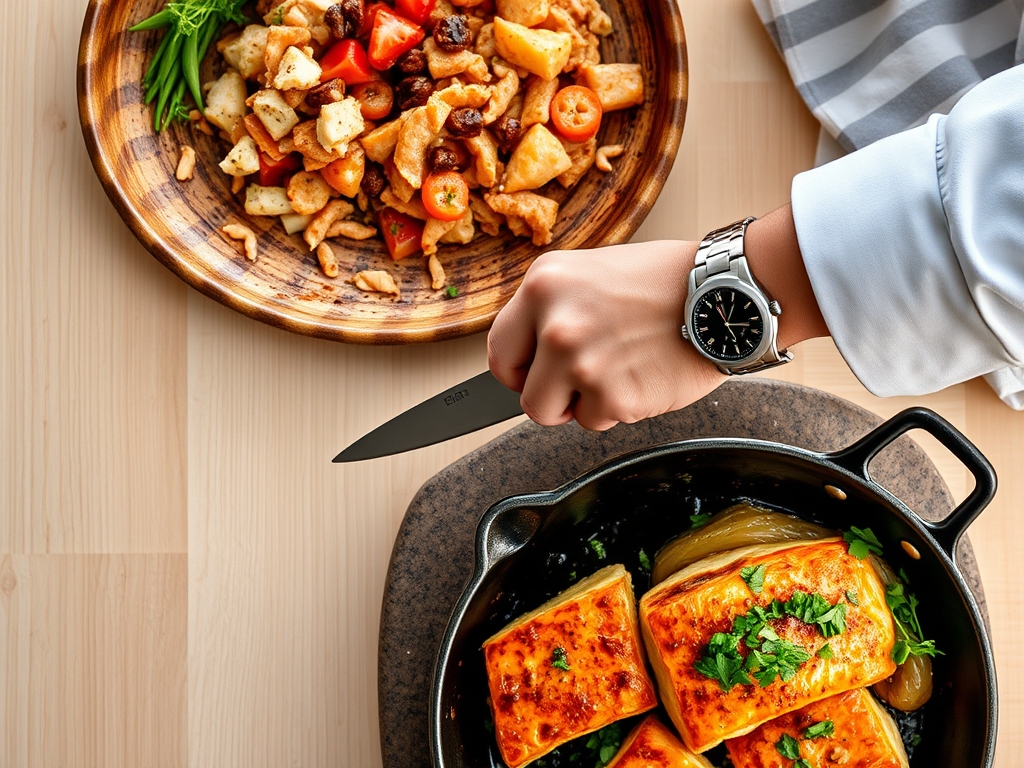
Lay your cold salmon on a clean board and use a sharp chef's knife to cut uniform 2-inch cubes. Uniformity is not just for aesthetics; it ensures that every single piece reaches the ideal internal temperature of 125 degrees Fahrenheit at the exact same moment.
Pro Tip: Use a digital scale to weigh your portions. Consistent mass leads to consistent heat flux, preventing some bites from being dry while others are undercooked.
2. The Flavor Infusion
In a small bowl, combine your aromatics with a pinch of Maldon sea salt. Use a microplane to zest your citrus directly over the fish to capture the volatile oils before they evaporate.
Pro Tip: This is called infusing the lipids. The fats in the salmon act as a carrier for the citrus oils, ensuring the flavor penetrates the muscle fibers rather than just sitting on the surface.
3. The Pastry Lamination
Unroll your pastry on a lightly floured surface. Use a bench scraper to cut the dough into rectangles that are exactly double the size of your salmon cubes.
Pro Tip: Avoid over-handling the dough. The heat from your hands can melt the microscopic butter layers, a process that ruins the aeration needed for a high rise.
4. The Structural Seal
Place a dollop of your binder on the pastry, top with the salmon, and fold. Use a fork to crimp the edges tightly. This creates a pressurized environment.
Pro Tip: This seal is vital for enzymatic browning. By trapping the steam inside, you allow the exterior to dehydrate and brown while the interior remains succulent.
5. The Egg Wash Application
Brush the tops with your egg yolk mixture. This provides the proteins necessary for the Maillard reaction, giving you that professional, glossy sheen.
Pro Tip: Add a pinch of sugar to your egg wash. The sugar carmelizes at a lower temperature, enhancing the golden hue without over-baking the pastry.
6. The High-Heat Blast
Slide your tray into a preheated 425-degree oven. The initial blast of heat is what triggers the "oven spring," causing the pastry to puff rapidly before the structure sets.
Pro Tip: Position your rack in the center of the oven to ensure even convection currents. Too high and the top burns; too low and you get a "soggy bottom."
7. The Resting Phase
Once removed from the oven, transfer the bakes to a wire cooling rack immediately.
Pro Tip: Resting on a wire rack prevents steam from collecting at the base, which would otherwise soften the bottom layers. This preserves the structural integrity of the crunch.
The Deep Dive
Macro Nutrition:
Each party bake contains approximately 12 grams of high-quality protein and 15 grams of healthy fats, primarily Omega-3s. While the puff pastry adds carbohydrates, the nutrient density of the salmon makes this a superior choice compared to traditional bread-based appetizers.
Dietary Swaps:
- Vegan: Use a plant-based puff pastry and swap salmon for marinated, scorched hearts of palm.
- Keto: This is a challenge with puff pastry, but you can create a "fathead dough" using mozzarella and almond flour to mimic the texture.
- GF: Use a high-quality gluten-free puff pastry; ensure it remains very cold to prevent crumbling.
The Fix-It:
- Soggy Bottom: Your filling was too wet. Next time, pat the salmon dry with paper towels and use a thinner layer of binder.
- Pastry Not Puffing: Your oven wasn't hot enough or the dough was too warm before entering. Ensure a full 425-degree preheat.
- Salmon Overcooked: You likely cut the pieces too small. Stick to the 2-inch rule or reduce bake time by three minutes.
Meal Prep & Reheating:
To maintain "day-one" quality, never use a microwave. The microwave agitates water molecules, making the pastry rubbery. Instead, use an air fryer at 350 degrees for 4 minutes or a toaster oven. This recrisps the outer layers through conductive heating while gently warming the center.
The Wrap-Up
Mastering salmon recipes puff pastry is about more than just following a list; it is about respecting the physics of the ingredients. When you balance the cold, laminated fats of the dough with the rich, Omega-heavy profile of the salmon, you create a culinary experience that is both sophisticated and deeply satisfying. These party bakes are guaranteed to be the star of your next gathering. Now, go forth, grab your rolling pin, and let the shattering crunch of success be your soundtrack!
The Kitchen Table
How do I prevent the puff pastry from getting soggy?
Pat the salmon completely dry and apply a thin layer of cream cheese as a moisture barrier. Ensure your oven is fully preheated to 425 degrees to set the bottom crust instantly through intense conductive heat.
Can I assemble these salmon puff pastries in advance?
Yes, you can assemble them up to four hours ahead. Keep them tightly wrapped in the refrigerator. Do not apply the egg wash until the very last second before they slide into the oven for maximum shine.
What is the best way to tell if the salmon is done?
The pastry should be a deep golden brown. If you use a meat thermometer, aim for an internal temperature of 125 to 130 degrees Fahrenheit. The thermal carryover will finish the cooking during the rest.
Why did my puff pastry stay flat?
The most common culprit is warm dough. If the butter layers melt before the pastry hits the oven, you lose the steam power required for the lift. Always keep your dough chilled until the moment of assembly.