
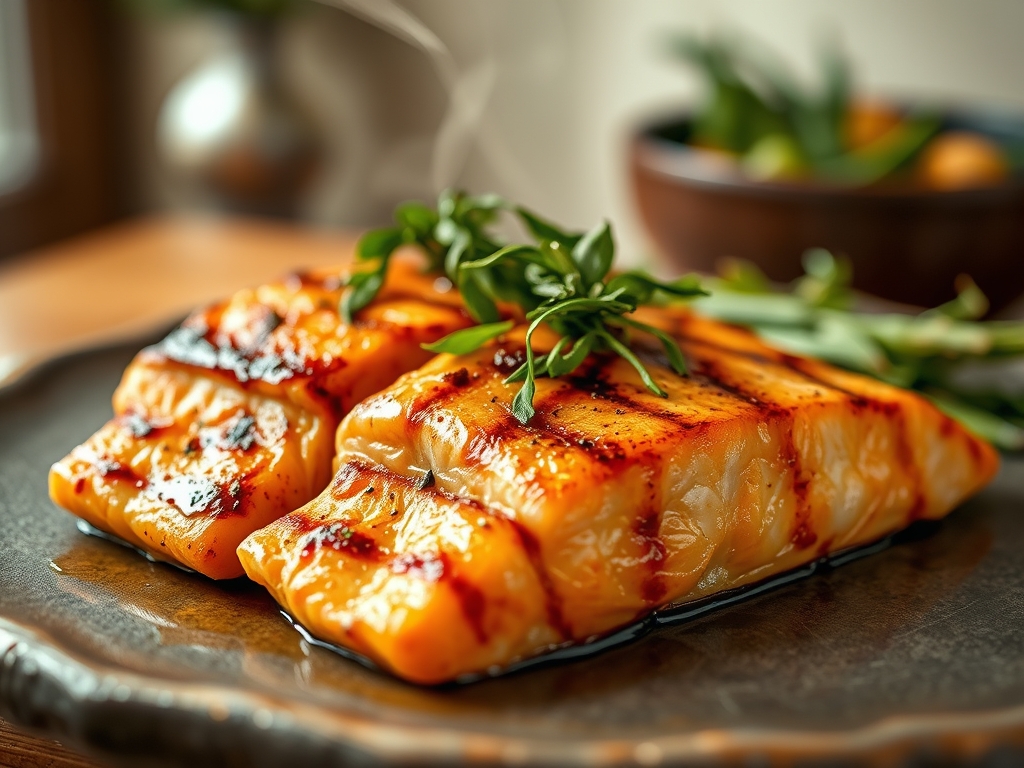
Picture the scene: a golden hour glow, the rhythmic crackle of charcoal, and that unmistakable sizzle as cold protein hits a searing grate. When you master marinated salmon recipes grilled to perfection, you are not just making dinner; you are performing a delicate balancing act of chemistry and heat. Most people fear the grill because salmon is temperamental, but we are going to treat it like the star it is. We want that shatteringly crisp skin and a center so buttery it practically sighs under your fork.
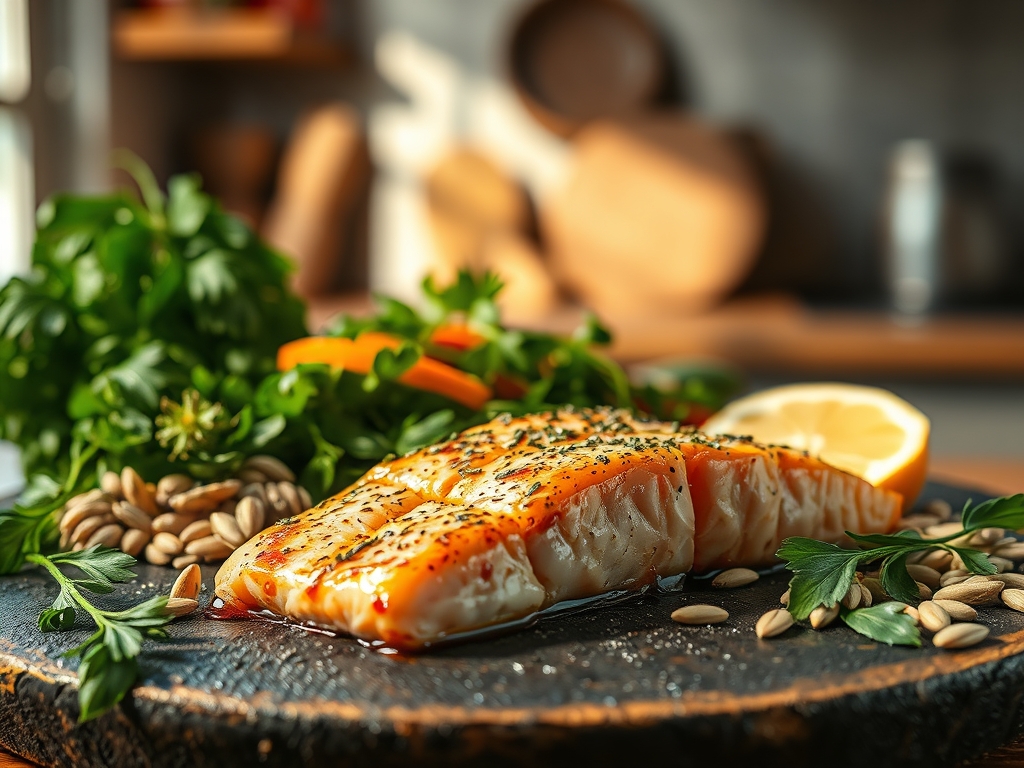
The Gathers:
To achieve a restaurant-grade result, your mise-en-place must be intentional. Start with your lipids. You need a high-smoke-point oil like avocado or grapeseed oil to prevent the dreaded sticking. Your aromatics should be prepped using a microplane to maximize the surface area of your ginger and garlic; this ensures the essential oils infuse the marinade rather than just floating in it. For the acid, reach for fresh lime or rice vinegar to provide a piquant contrast to the fatty acids in the fish.
Smart Substitutions: If you are dodging soy, coconut aminos offer a similar viscous depth with a lower glycemic index. No fresh ginger? A pinch of ground galangal provides a more floral, sharp heat. If you lack a grill, a heavy-bottomed skillet or a cast iron press can replicate that intense contact heat, though you will miss the smoky wood-fired notes. Always use a digital scale to measure your salt; salinity affects the osmotic pressure that draws flavor into the flesh.
The Clock
Efficiency in the kitchen is all about the Chef's Flow. You should spend exactly 15 minutes on prep and 10 to 12 minutes on the grill. The "dead time" is the 30-minute marination window. Never exceed 40 minutes if your marinade is highly acidic; the low pH will begin to "cook" the proteins, turning the texture mushy before it even touches the flame. While the fish brines, use that time to aerate your side dishes or prep a cold slaw to provide a temperature contrast to the hot fish.
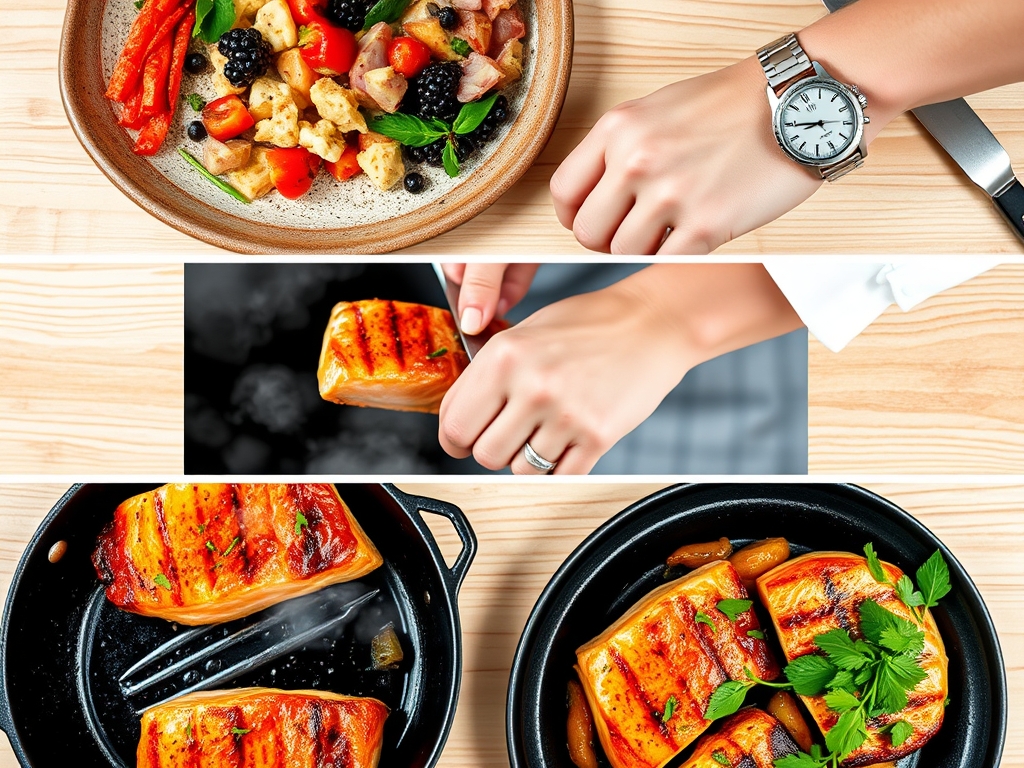
The Masterclass
1. The Acid-Base Equilibrium
Whisk your marinade ingredients in a small saucier until the honey or sugar is fully dissolved. This creates a homogenous solution that coats the fillet evenly.
Pro Tip: This is about denaturation. The acid in your marinade begins to break down the tightly wound protein coils, allowing flavor molecules to penetrate deeper into the muscle fibers.
2. The Skin-Side Strategy
Place your salmon skin-side up in a shallow glass dish. Pour the marinade over, but keep the skin as dry as possible. Use a bench scraper to move the fillets without tearing the delicate flesh.
Pro Tip: Moisture is the enemy of the Maillard reaction. By keeping the skin dry, you ensure the heat goes toward crisping the scales rather than steaming the water away.
3. The Thermal Shock
Preheat your grill to 450 degrees Fahrenheit. Clean the grates thoroughly with a wire brush and oil them using a folded paper towel held by tongs.
Pro Tip: A clean, oiled grate prevents protein bonding. When the cold fish hits the hot metal, the proteins contract instantly; if the surface is dirty, they will fuse to the grate.
4. The Initial Sear
Place the salmon skin-side down first. Leave it alone for at least 6 minutes. Do not poke, prod, or move it. You are waiting for the fat to render and the skin to release naturally.
Pro Tip: This is thermal carryover in action. The skin acts as a heat shield, protecting the delicate flesh while the internal temperature rises slowly and evenly.
5. The Flip and Glaze
Once the skin releases, flip the fish gently. Use a silicone brush to apply a final layer of the marinade, which will now caramelize under the direct heat.
Pro Tip: The sugars in your marinade undergo enzymatic browning at this stage. This creates a complex flavor profile that moves beyond simple sweetness into toasted, nutty territory.
6. The Rest Period
Remove the salmon when the internal temperature hits 125 degrees Fahrenheit. Transfer it to a warm plate and tent it loosely with foil for 5 minutes.
Pro Tip: During the rest, the muscle fibers relax and reabsorb the juices. If you cut it immediately, the moisture will flood the plate, leaving you with dry fish.
7. The Final Garnish
Finish with a sprinkle of flaky sea salt and a zest of citrus. This adds a final hit of brightness and a crunch that highlights the richness of the fats.
Pro Tip: Salt is a flavor enhancer that suppresses bitterness and unlocks the volatile aromatic compounds in the grilled fats.
The Deep Dive
From a macro perspective, salmon is a nutritional powerhouse. A 6-ounce portion delivers roughly 34 grams of protein and is rich in Omega-3 fatty acids, which are essential for brain health. To keep this Keto-friendly, swap the honey in your marinade for monk fruit drops. For a Vegan alternative, this exact marinade works wonders on thick slabs of "Lion's Mane" mushrooms or extra-firm tofu, though the cooking times will vary.
The Fix-It: Common Pitfalls
- The Fish Sticks: Your grill wasn't hot enough. Fix it by letting the fish sit longer; it will usually release once the crust forms.
- The Flare-Ups: Fat dripping causes flames. Fix it by moving the fish to an "indirect heat" zone on the grill.
- White Gunk (Albumin): This means you overcooked it. Fix it next time by pulling the fish off the heat 5 degrees earlier.
Meal Prep and Reheating: To maintain "day-one" quality, reheat your salmon in a low-temperature oven (275 degrees) with a splash of water or broth. This creates a mini-steam chamber that prevents the fats from oxidizing and turning "fishy."
The Wrap-Up
Mastering marinated salmon recipes grilled over an open flame is the ultimate flex for your next backyard gathering. It is the perfect marriage of high-heat physics and delicate flavor layering. Remember to trust your tools; use your tongs with confidence and let your digital thermometer be the final judge. You have the science, you have the technique, and now you have the secret to the best BBQ of the season. Go forth and sear!
The Kitchen Table
How long should I marinate salmon before grilling?
Marinate for 20 to 30 minutes. Any longer than 40 minutes and the acid will break down the proteins too much, resulting in a mushy texture. Always marinate in the refrigerator to keep the fish at a food-safe temperature.
How do I stop salmon from sticking to the grill?
Ensure your grill grates are scrubbed clean and highly seasoned with oil. Most importantly, do not try to flip the fish too early. The salmon will naturally release from the grates once a proper crust has formed.
What is the best temperature for grilled salmon?
For a moist, medium-rare center, pull the salmon off the grill when the internal temperature reaches 125 to 130 degrees Fahrenheit. Carryover cooking will bring it up to a perfect 135 to 140 degrees while it rests.
Can I use frozen salmon for grilling?
Yes, but it must be fully thawed first. Pat the thawed fillets extremely dry with paper towels to remove excess moisture. This ensures you get a sear rather than steaming the fish on the grill grates.