
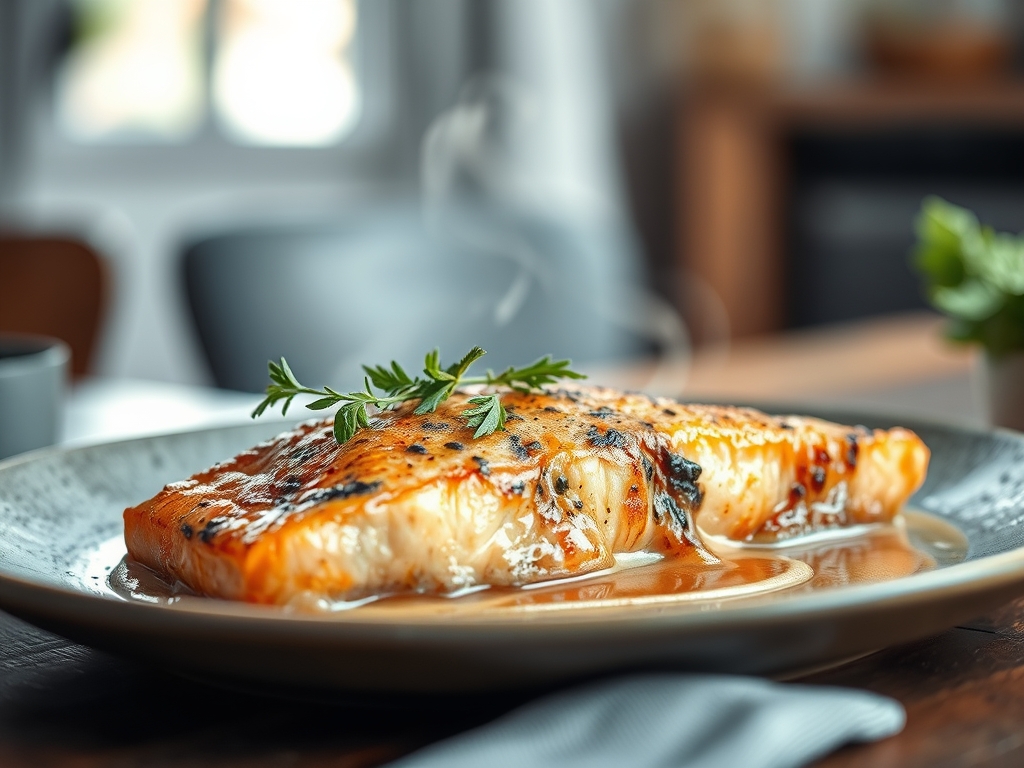
Imagine the sound of a heavy gauge aluminum sheet crinkling under your palms as you prepare to trap a cloud of aromatic steam. There is a specific, primal satisfaction in sealing a vibrant fillet of fish into its own private pressure chamber. When you master foil pack salmon recipes, you are not just cooking; you are engineering a miniature convection oven that ensures the proteins remain succulent while the fats emulsify into a glorious, viscous sauce. This is the ultimate weeknight hack for the high-achieving home cook who demands Michelin-star results without the sink full of scorched pans. We are talking about a twenty-minute transformation that turns a cold piece of fish into a buttery, flake-on-contact masterpiece.
The beauty of this method lies in the physics of moisture retention. In a standard open-air roast, the dry heat of the oven aggressively pulls water from the surface of the fish, often leading to that dreaded chalky texture. By utilizing a sealed environment, we force the moisture back into the flesh. This creates a self-basting loop where the aromatics, like lemon zest and fresh dill, infuse directly into the fat layers of the salmon. It is efficient, it is elegant, and quite frankly, it is the smartest way to handle premium seafood when you are short on time but refuse to compromise on flavor density.
The Gathers:
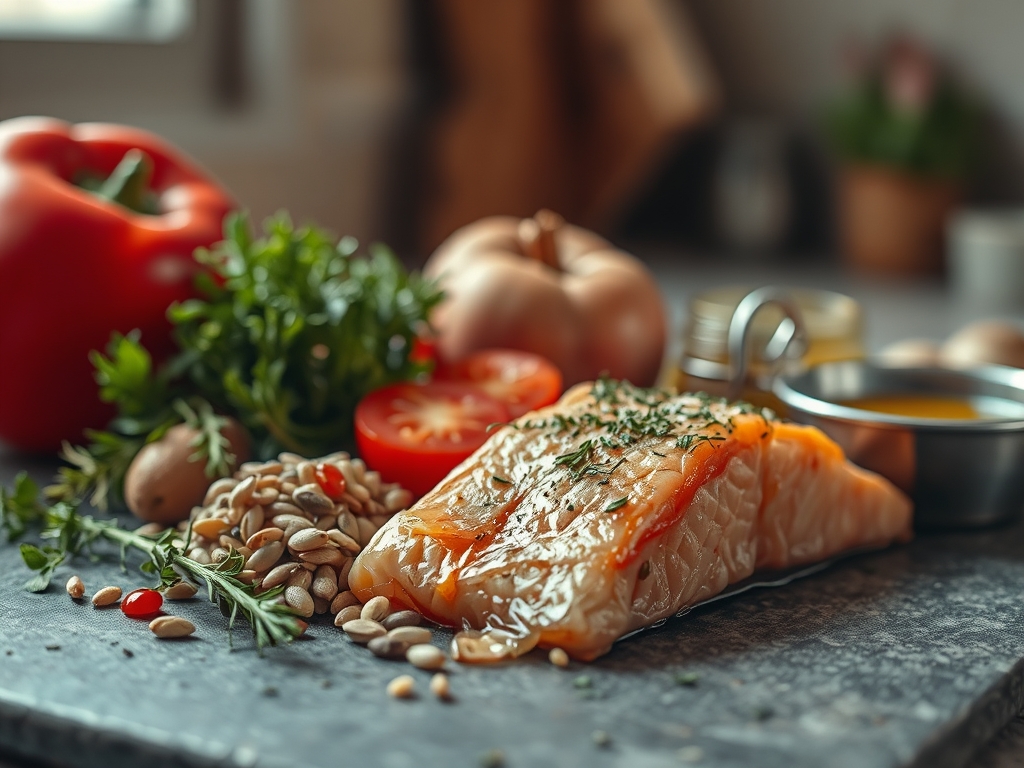
Before we fire up the heat, we must assemble our mise-en-place with precision. You will need high-quality Atlantic or King salmon fillets; look for deep pigmentation and firm muscular structure. To achieve a balanced flavor profile, gather cold unsalted butter, a high-smoke-point oil like avocado oil, and a piquant acid source such as Meyer lemons or Verjus. Use a microplane to grate fresh garlic and ginger into a fine paste; this increases the surface area for maximum flavor extraction.
Smart Substitutions: If you are avoiding dairy, swap the butter for a viscous coconut cream or a cold-pressed olive oil. For those looking to increase the umami profile, a splash of liquid aminos or white miso paste can replace standard kosher salt. If you find yourself without fresh herbs, a high-quality freeze-dried dill or tarragon provides a concentrated burst of essential oils that rehydrate beautifully within the steam of the foil pack.
The Clock: Precision Timing and Chef's Flow
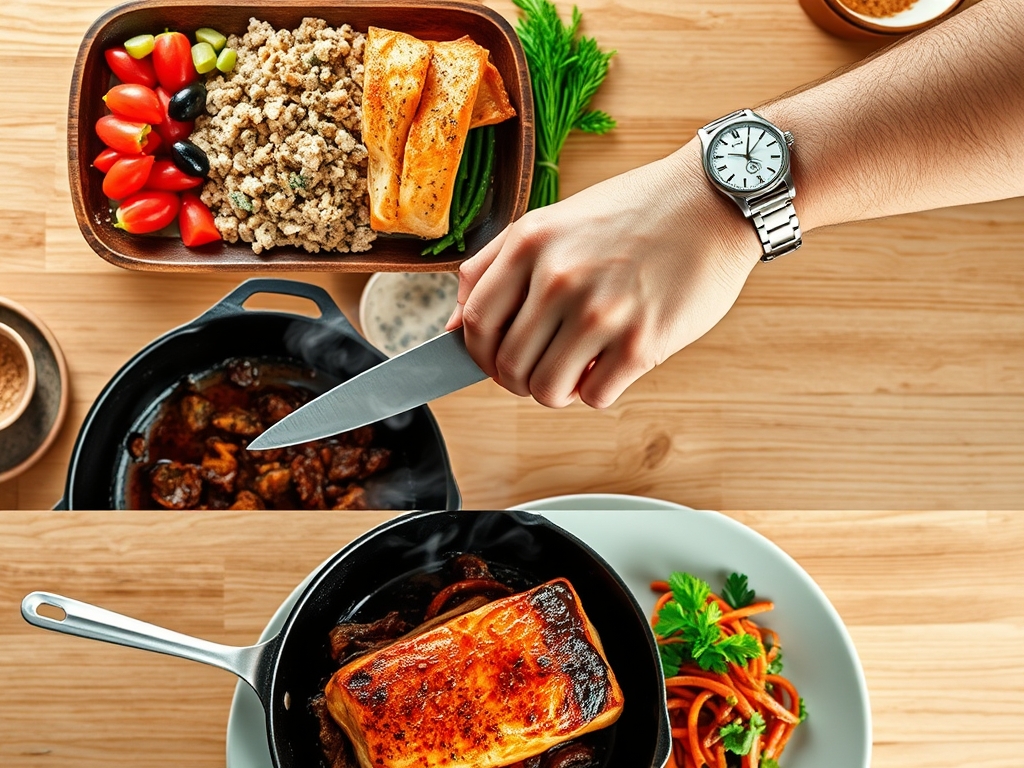
Efficiency in the kitchen is about "Chef's Flow," the art of overlapping tasks to eliminate dead time. Your total active prep time should not exceed eight minutes. While your oven preheats to a steady 400 degrees Fahrenheit, you should be using a bench scraper to clear your workstation and portioning your salmon with a sharp flexible boning knife.
The cooking duration is a tight twelve to fifteen minutes depending on the thickness of the fillet. However, the most critical part of the clock is the five-minute rest period. During this time, the internal temperature continues to rise slightly, a phenomenon known as thermal carryover. If you skip the rest, the juices will flee the fish the moment you pierce it with a fork. Respect the clock, and the clock will reward you with a texture that is silkier than any restaurant offering.
The Masterclass
1. The Foundation Fold
Lay out a square of heavy-duty aluminum foil and lightly coat the center with oil. Place your salmon skin-side down. This layer of lipids prevents the delicate skin from bonding to the metal during the heat cycle.
Pro Tip: This prevents the "glue effect." Scientifically, the oil creates a hydrophobic barrier that stops the fish proteins from forming covalent bonds with the aluminum surface as they denature.
2. The Aromatics Application
Apply your microplaned garlic, herbs, and a generous pinch of flaky sea salt directly onto the flesh. Use your fingers to massage the seasoning into the grooves of the fillet to ensure deep penetration.
Pro Tip: Salt acts as a denaturant. It begins to break down the tight protein structures on the surface, allowing the flavorful oils from the garlic and herbs to infuse deeper into the muscle fibers before the heat is even applied.
3. The Lipid Layering
Place thin pats of cold butter or a drizzle of oil over the seasonings. The fat will melt and mix with the juices released by the fish, creating an instant pan sauce within the pouch.
Pro Tip: This is an emulsification in progress. As the fish releases moisture (albumin), the fat from the butter binds to it, creating a rich, creamy coating that prevents the exterior from drying out.
4. The Hermetic Seal
Bring the edges of the foil together and fold them tightly three times to create a leak-proof seam. Leave a small amount of headspace inside the pouch to allow for steam expansion.
Pro Tip: Creating a "tent" allows for efficient heat transfer. The trapped air becomes superheated steam, which cooks the fish evenly from all sides simultaneously, significantly reducing the cooking time compared to traditional roasting.
5. The Thermal Finish
Slide the packs onto a preheated baking sheet. Once the timer goes off, use tongs to remove them from the oven. Let them sit undisturbed for five minutes before venting the steam.
Pro Tip: This utilizes thermal carryover. The internal temperature will rise by about 5 degrees after removal. This gentle finish ensures the center reaches the perfect medium-rare without the exterior becoming overcooked.
The Deep Dive
From a macro nutrition perspective, salmon is a powerhouse of Omega-3 fatty acids and high-quality protein. A standard six-ounce fillet provides roughly 34 grams of protein and zero carbohydrates, making it a staple for Keto and Paleo lifestyles. For a vegan twist, this same foil-pack method works beautifully with thick slabs of cauliflower or "steaks" of firm tofu, though you should increase the seasoning density to compensate for the milder base.
The Fix-It:
- The Soggy Skin: If you crave crispy skin, sear the salmon skin-side down in a heavy-bottomed skillet for two minutes before placing it in the foil.
- The Albumin Bleed: Those white bubbles are just coagulated protein. To minimize this, brine your salmon in a salt-water solution for ten minutes before cooking to tighten the protein structure.
- The Flavor Void: If the fish tastes flat, you likely forgot the acid. A post-cook squeeze of fresh lemon juice "wakes up" the taste buds by cutting through the heavy fats.
For meal prep enthusiasts, reheating salmon is a delicate science. To maintain "day-one" quality, do not use a microwave. Instead, keep the salmon in its foil pack and warm it in a 300-degree oven for eight minutes. This prevents the fats from oxidizing and turning "fishy," preserving the clean, buttery profile of the original cook.
The Wrap-Up
Mastering foil pack salmon recipes is your ticket to reclaiming your weeknights. It is a sophisticated blend of thermodynamic science and culinary art that requires minimal cleanup and maximum flavor output. By controlling the steam and leveraging high-quality fats, you transform a simple ingredient into a luxury experience. Now, go grab your foil, sharpen your knife, and turn your kitchen into a high-efficiency flavor lab. You have the tools, the science, and the secrets; dinner is served.
The Kitchen Table
Can I use frozen salmon for foil packs?
Yes, but thaw it completely in the refrigerator first. Excess ice crystals will turn into water inside the pouch, which can boil the fish rather than steaming it, resulting in a mushy texture and diluted flavor profile.
How do I know when the salmon is done?
The salmon is perfectly cooked when it reaches an internal temperature of 145 degrees Fahrenheit. Visually, the flesh should be opaque and should flake easily when pressured with the back of a fork or a saucier spoon.
What are the best vegetables to add to the pouch?
Choose quick-cooking vegetables like asparagus, thinly sliced zucchini, or baby spinach. These greens thrive in the high-moisture environment and will finish cooking at the exact same time as the salmon fillet, ensuring a complete, one-pan meal.
Why does my salmon have white gunk on top?
That white substance is albumin, a harmless protein that pushes to the surface as the muscle fibers contract. To reduce it, avoid overcooking the fish and try a quick salt-water brine before sealing your foil pack.