
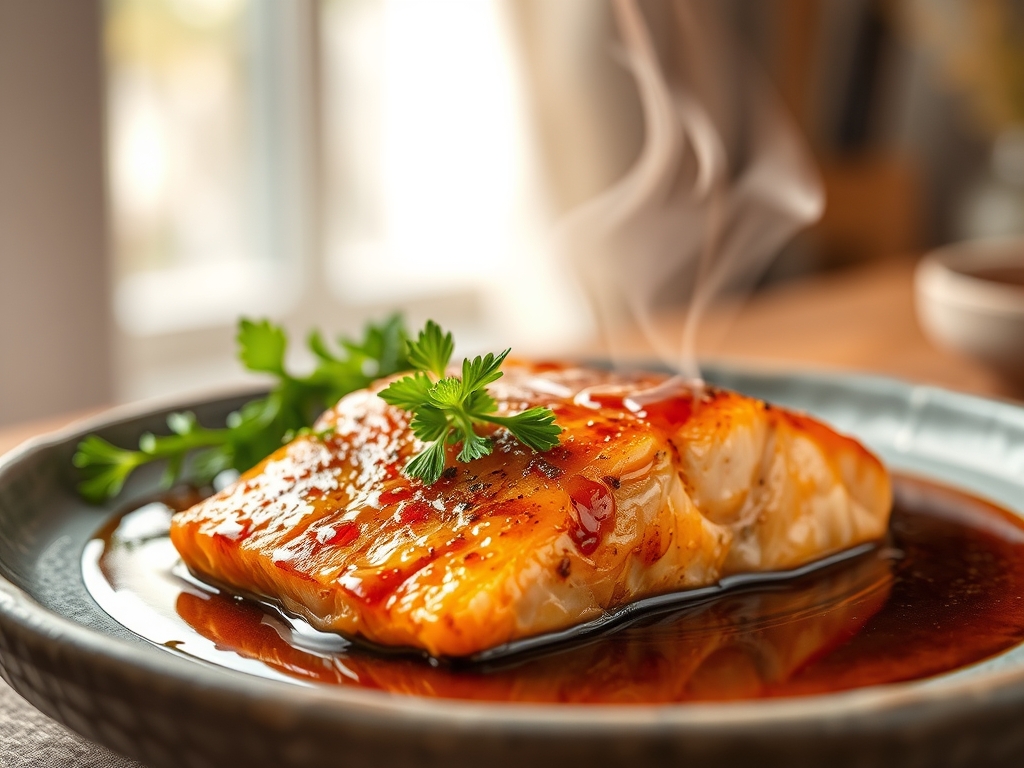
Picture the scene: a heavy-bottomed skillet resting on a gas burner, the surface of the salmon hitting the hot oil with a violent, satisfying hiss. That sound is the beginning of a chemical transformation. When you master salmon recipes with brown sugar and soy sauce, you are not just cooking dinner; you are orchestrating a complex interplay of amino acids and reducing sugars. The kitchen fills with a scent that is simultaneously earthy, salty, and deeply caramelized. It is the kind of aroma that pulls people into the kitchen before the timer even chirps. We are chasing that perfect lacquer, a glaze that clings to the fish like a silk ribbon while the interior remains buttery and translucent. This is the intersection of high-end culinary technique and the comfort of a home-cooked meal. We are going to dive deep into the molecular magic that makes this pairing a global favorite, ensuring your fillets never see a dry, chalky day again.
The Gathers:
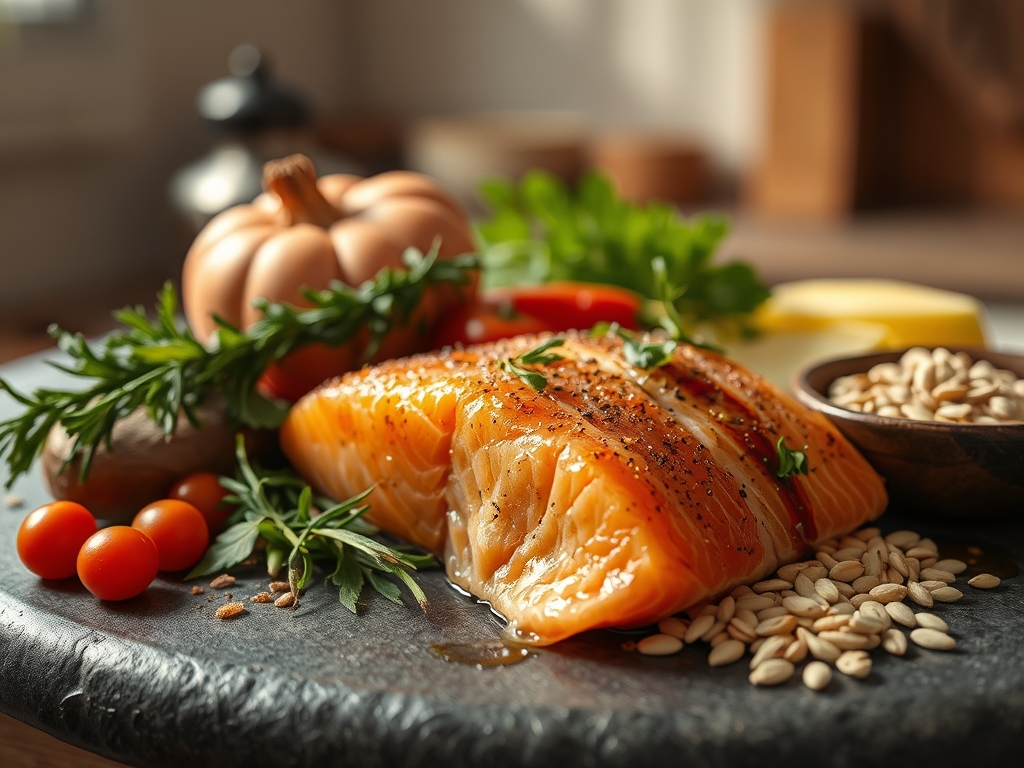
Before we ignite the flame, we must respect the mise-en-place. Your workstation should be a shrine to efficiency. Start with your protein: six-ounce center-cut fillets, ideally skin-on to protect the delicate flesh from thermal shock. For the glaze, you need dark brown sugar; the high molasses content provides a more viscous texture and a deeper color than light brown sugar. Pair this with a high-quality, naturally brewed soy sauce. Look for one that lists only water, soybeans, wheat, and salt to ensure a clean, piquant saltiness without chemical aftertastes.
You will also need aromatics. Use a microplane to grate fresh ginger and garlic into a fine paste; this increases the surface area, allowing the oils to infuse the glaze instantly. For the fat, choose an oil with a high smoke point like avocado or grapeseed oil.
Smart Substitutions: If you are watching your sodium, liquid aminos or tamari provide that same savory punch. If you find yourself out of brown sugar, honey or maple syrup can stand in, though you will lose some of that deep caramel note. For a kick of acidity to balance the sugar, a splash of rice vinegar or a squeeze of fresh lime juice works wonders to brighten the overall profile.
The Clock
Efficiency in the kitchen is about understanding the "Chef's Flow." Total active prep time is a mere 10 minutes, mostly spent on precision knife work and measuring. The cooking process is a rapid 8 to 12 minutes depending on the thickness of your fillets.
The flow begins with the "chill-to-sear" transition. Never take salmon straight from the fridge to the pan. Allow it to sit at room temperature for 15 minutes. This prevents the exterior from overcooking while the center remains raw. While the fish tempers, whisk your glaze in a small saucier. Once the pan is screaming hot, the actual cooking happens in a flash. Plan for a 5-minute rest period post-heat; this is non-negotiable for moisture retention.
The Masterclass
1. The Surface Preparation
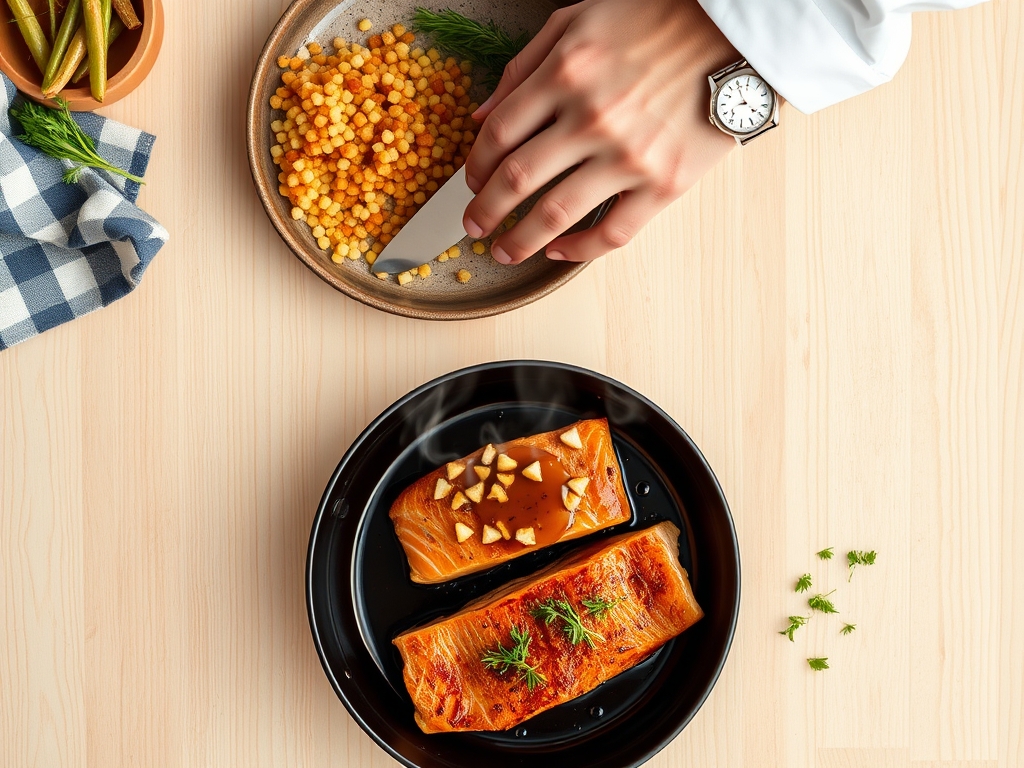
Pat the salmon fillets bone-dry with paper towels. Any residual moisture will create steam, preventing the crisp crust we crave. Season lightly with kosher salt, keeping in mind the soy sauce will provide the bulk of the salinity later.
Pro Tip: This is about evaporative cooling. If the surface is wet, the energy of the pan goes into boiling the water rather than searing the fish, stalling the Maillard reaction.
2. The Initial Sear
Heat your heavy-bottomed skillet over medium-high heat. Add two tablespoons of oil. Once the oil shimmers, place the salmon skin-side down (or top-side down if skinless). Press firmly with a flexible fish spatula for 30 seconds to ensure total contact.
Pro Tip: Pressing the fish prevents the proteins from curling as they contract, ensuring an even sear across the entire surface area.
3. The Glaze Integration
Flip the salmon carefully using tongs. Reduce the heat to medium. Pour the prepared brown sugar and soy sauce mixture into the pan. The liquid will immediately begin to bubble and reduce.
Pro Tip: Reducing the heat prevents the sugars from burning. Sugar undergoes pyrolysis (burning) at 350 degrees Fahrenheit, so temperature control is vital here.
4. Basting for Brilliance
As the glaze thickens, use a large spoon to continuously coat the top of the fish. This technique, known as arrosage, ensures the fish stays moist while the glaze builds up in layers.
Pro Tip: Basting creates a "sugar jacket" that insulates the fish, slowing down the internal temperature rise for a more tender result.
5. The Carryover Finish
Remove the salmon when the internal temperature hits 125 degrees Fahrenheit for medium-rare. Place it on a warm plate and let it rest.
Pro Tip: Thermal carryover will continue to cook the fish, raising the internal temperature by another 5 to 10 degrees while it rests.
The Deep Dive
From a macro perspective, this dish is a powerhouse. You are getting high-quality Omega-3 fatty acids and lean protein. The sugar adds carbohydrates, but because the glaze is concentrated, a little goes a long way.
Dietary Swaps: For a Keto-friendly version, swap the brown sugar for a monk fruit gold sweetener. For a Gluten-Free profile, always use tamari instead of traditional soy sauce. To make this vegan, the glaze works beautifully on thick slabs of roasted cauliflower or firm tofu.
The Fix-It:
- Glaze too thin? Whisk a teaspoon of cornstarch with cold water and stir it into the simmering sauce to create a glossy slurry.
- Fish sticking? You likely tried to flip it too soon. Protein "releases" from the pan naturally once the crust has formed.
- Glaze tastes bitter? The garlic or sugar scorched. Add a tablespoon of butter or a splash of water to mellow out the acrid notes.
Meal Prep Science: To reheat without turning your salmon into a hockey puck, avoid the microwave. Use a low oven (275 degrees) with a splash of water in the pan covered by foil. This creates a gentle steam environment that revives the fats without toughening the fibers.
The Wrap-Up
Mastering salmon recipes with brown sugar and soy sauce is like unlocking a culinary cheat code. It is fast, sophisticated, and relies on basic chemical principles to produce extraordinary flavor. Whether you are hosting a dinner party or just trying to survive a Tuesday, this technique gives you professional results with minimal cleanup. Go grab your skillet and let the caramelization begin!
The Kitchen Table
How do I prevent the glaze from burning?
Lower the heat before adding the sugar mixture. Use a heavy-bottomed skillet to distribute heat evenly. If the sauce thickens too quickly, add a tablespoon of water or broth to lower the temperature and thin the consistency.
Can I bake this instead of pan-searing?
Yes. Roast at 400 degrees Fahrenheit for 12 minutes. Brush the glaze on during the last 4 minutes of cooking. This prevents the sugar from burning during the longer cook time while still achieving a beautiful, tacky finish.
What is the best way to store leftovers?
Store in an airtight glass container for up to two days. Keep the extra glaze in a separate small jar. When reheating, add the glaze last to refresh the flavor and moisture of the fish.
Why is my salmon white and foamy?
That white substance is albumin, a protein that pushes to the surface when salmon is cooked too fast or overdone. To minimize this, cook the fish more gently and stop just before it reaches your target temperature.