
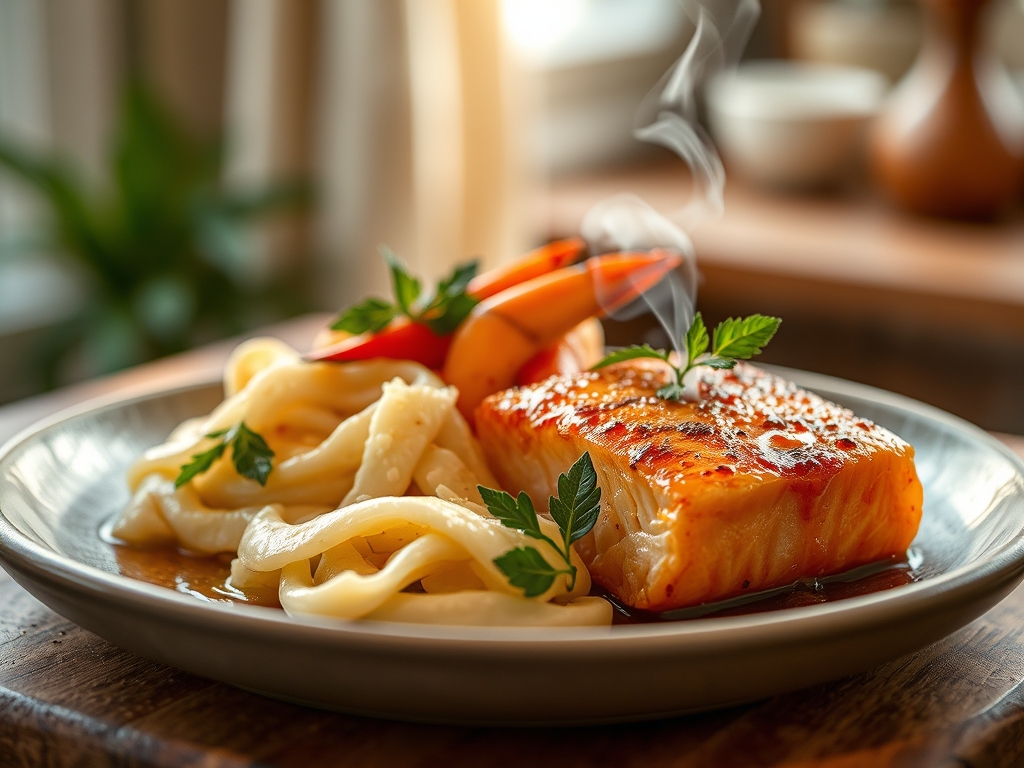
Imagine the scent of salted butter hitting a heavy-bottomed skillet, followed by the sweet, oceanic perfume of lump blue crab and the rich, fatty aroma of a searing salmon fillet. Finding the perfect crab and salmon recipes is like orchestrating a high-stakes culinary marriage where textures must align perfectly. We are chasing that elusive snap of the crust and the buttery flake of the interior.
When you bring these two titans of the sea together, you are balancing two very different protein structures. Salmon provides a dense, oily base rich in Omega-3 fatty acids, while crab offers a delicate, fibrous sweetness that can easily be overwhelmed if handled poorly. This guide is not just about eating; it is about mastering the molecular dance between these ingredients. We are going to explore seven decadent ways to layer these flavors, from crab-stuffed fillets to creamy seafood chowders that utilize every ounce of flavor. Grab your apron and your favorite saucier because we are about to turn your kitchen into a five-star bistro.
The Gathers:
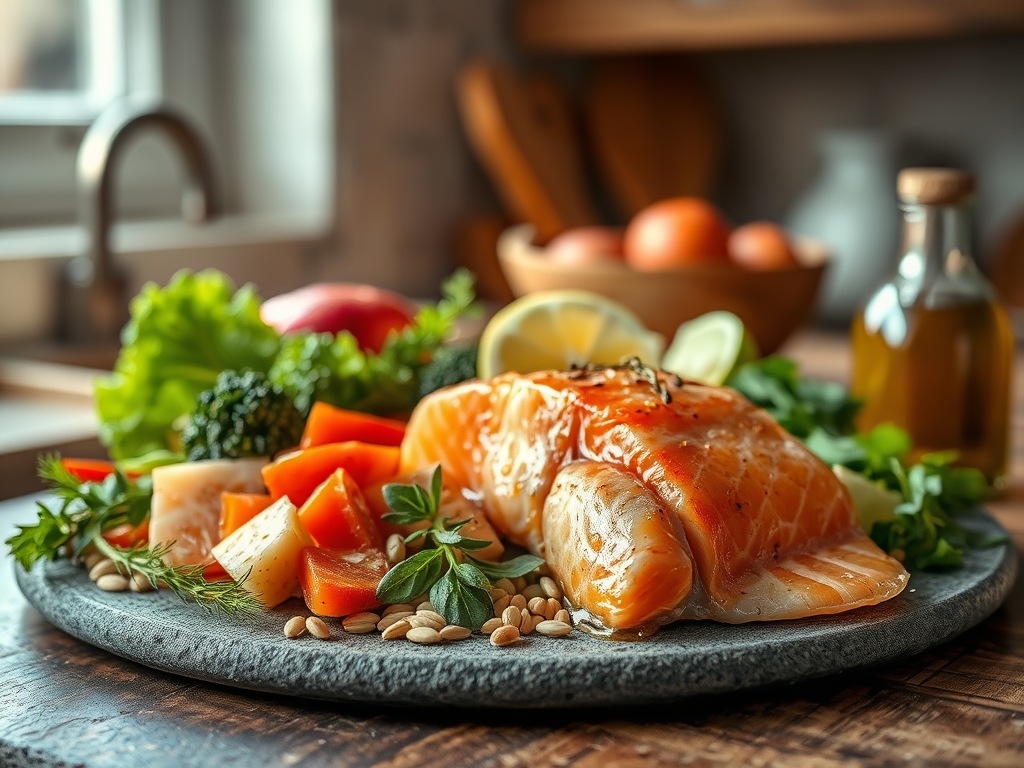
To execute world-class crab and salmon recipes, your mise-en-place must be precise. Start with fresh Atlantic or King salmon; look for vibrant flesh that bounces back when pressed. For the crab, prioritize jumbo lump meat for its structural integrity. You will need a microplane for zesting citrus and grating garlic into a fine, aromatic paste. Ensure you have high-quality fats on hand, such as unsalted European-style butter, which has a lower water content and higher butterfat percentage for better browning.
Smart Substitutions: If fresh crab is unavailable, high-quality canned claw meat offers a more robust, "crabby" flavor that holds up well in baked dishes. For a lighter profile, swap heavy cream for full-fat coconut milk; the medium-chain triglycerides provide a similar mouthfeel without the dairy weight. If you are watching your sodium, replace table salt with a squeeze of fresh lemon juice; the citric acid triggers the same taste receptors as salt, brightening the dish without the bloat.
The Clock:
Efficiency in the kitchen is about understanding "Chef's Flow." Most crab and salmon recipes require about 20 minutes of active prep and 15 to 25 minutes of thermal application. The key is to prep your aromatics and sauces while the oven preheats or the skillet reaches its smoke point. Always allow your salmon to sit at room temperature for 15 minutes before cooking; this prevents the protein fibers from seizing when they hit the heat, ensuring an even cook from edge to center.
The Masterclass:
1. The Sear and Prep
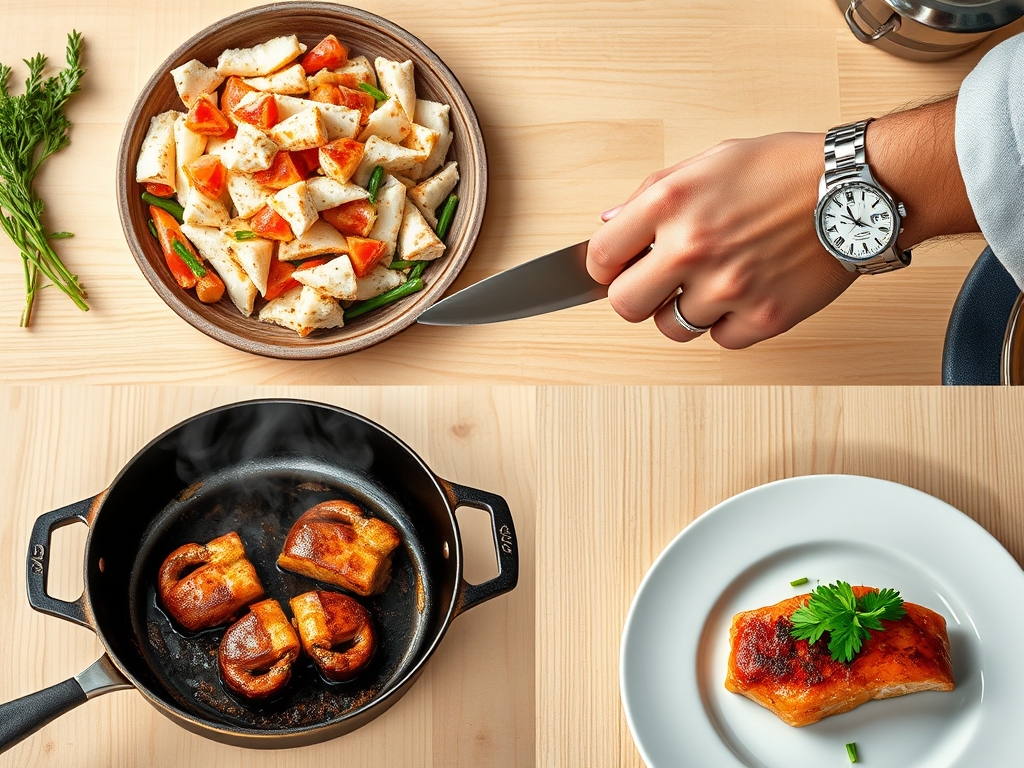
Begin by patting your salmon skin dry with a paper towel. Moisture is the enemy of the Maillard reaction. Use a sharp chef's knife to score the skin slightly, which prevents the fillet from curling as the collagen contracts.
Pro Tip: This is known as thermal tension. By scoring the skin, you allow steam to escape, ensuring the skin remains flat and achieves a glass-like crunch rather than a rubbery texture.
2. The Crab Stuffing Emulsion
In a small mixing bowl, combine your crab meat with a binder like panko or crushed crackers, a dollop of Dijon mustard, and fresh chives. Use a silicone spatula to fold the ingredients gently to avoid breaking the delicate crab lumps.
Pro Tip: Use a cold binder. Keeping your mayonnaise or egg wash chilled helps maintain the emulsion during the initial stages of baking, preventing the fats from leaking out before the proteins set.
3. The Precision Stuffing
Create a pocket in the thickest part of the salmon fillet using a paring knife. Gently spoon the crab mixture into the cavity. Do not overstuff; the salmon will expand as it cooks, and an overfilled pocket will burst.
Pro Tip: This utilizes the principle of insulating heat. The crab meat cooks slower inside the salmon, staying moist while the exterior of the fish reaches its target temperature.
4. The Thermal Finish
Place the fillets in a preheated oven at 400 degrees Fahrenheit. Use a digital probe thermometer to monitor the internal temperature. You are aiming for 145 degrees Fahrenheit for the salmon to ensure it remains succulent.
Pro Tip: Remember carryover cooking. Remove the fish when it hits 140 degrees; the residual heat will continue to raise the temperature by 5 degrees while the proteins rest and redistribute their juices.
5. The Deglaze and Pan Sauce
Once the fish is removed, use the same skillet to deglaze with a splash of dry white wine. Use a whisk to incorporate cold butter cubes one by one, creating a glossy, piquant sauce.
Pro Tip: This is called monter au beurre. The cold butter emulsifies with the reduced liquid to create a stable, viscous sauce that coats the back of a spoon perfectly.
The Deep Dive:
From a nutritional standpoint, these crab and salmon recipes are powerhouses. They are exceptionally high in lean protein and essential minerals like selenium and zinc. For those on a Keto path, simply omit the breadcrumb binders in favor of almond flour or crushed pork rinds. Gluten-Free diners can use gluten-free panko or a heavy reduction of cream to bind the crab. If you are looking for a Vegan alternative, hearts of palm mimic the texture of crab beautifully, and marinated carrots can provide a "lox-like" experience.
The Fix-It:
- Rubbery Crab: This happens from overcooking. Always fold crab in at the last possible second or use a lower heat setting.
- Soggy Salmon Skin: You likely crowded the pan. Give each fillet space so the steam can escape rather than poaching the fish.
- Broken Sauce: If your lemon butter sauce separates, whisk in a teaspoon of warm water or a tiny bit of heavy cream to re-emulsify the fats.
Meal Prep: To reheat these dishes without losing quality, avoid the microwave. Use a low-heat oven (275 degrees) with a splash of water in the pan, covered with foil. This creates a gentle steam chamber that rehydrates the proteins without toughening them.
The Wrap-Up:
Mastering crab and salmon recipes is a transformative skill that elevates your home cooking from "tasty" to "technical excellence." By focusing on the science of heat, the precision of your tools, and the quality of your ingredients, you create a dining experience that lingers in the memory. Whether you are hosting a formal dinner or treating yourself to a luxurious weeknight meal, these techniques ensure every bite is a perfect balance of sea-salty sweetness and buttery richness. Now, go forth and conquer the kitchen!
The Kitchen Table:
How do I stop salmon skin from sticking?
Ensure the pan is hot and the skin is bone-dry. Use a high-smoke-point oil and do not attempt to flip the fish until the skin naturally releases from the surface through the Maillard reaction.
Can I use frozen crab for these recipes?
Yes, but you must thaw it completely and squeeze out all excess moisture. Frozen crab holds a lot of water, which can dilute your seasonings and make your stuffing soggy if not properly drained.
What is the best wine for deglazing seafood?
Opt for a dry, acidic white wine like Sauvignon Blanc or Pinot Grigio. The acidity cuts through the fatty richness of the salmon and the sweetness of the crab, balancing the overall flavor profile of the sauce.
How long does cooked crab and salmon last?
When stored in an airtight container in the coldest part of the refrigerator, these dishes remain fresh for up to two days. Always smell for a clean, oceanic scent before reheating to ensure food safety.