
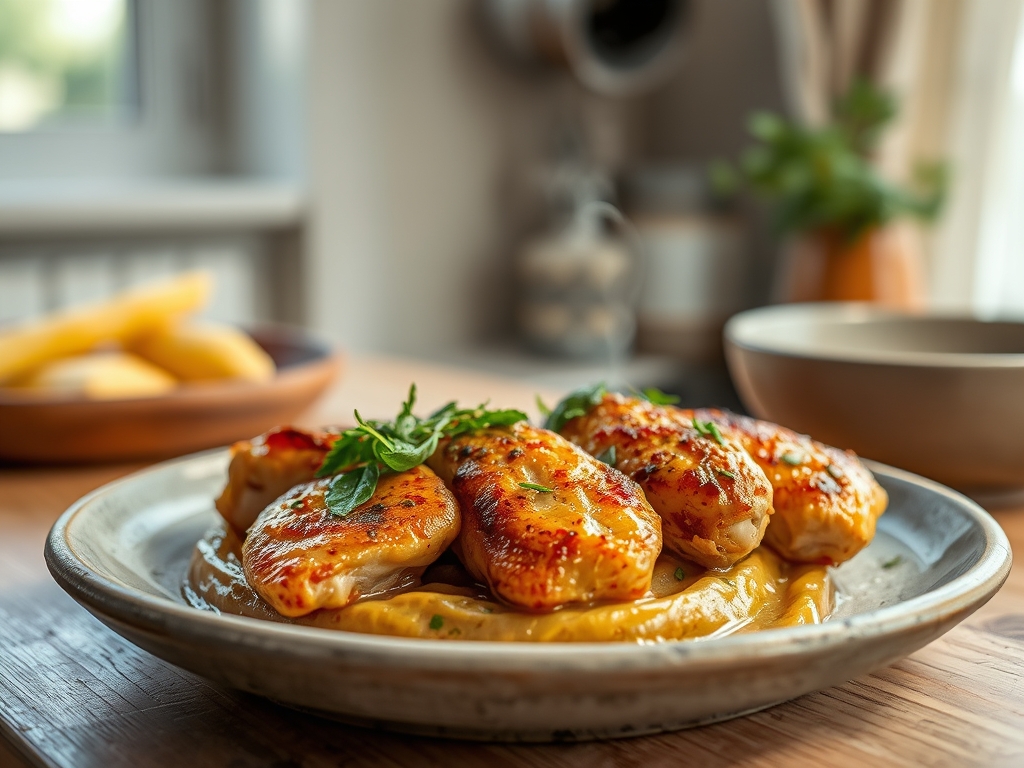
Picture this: a heavy-bottomed skillet shimmering with heat while a chicken breast hits the surface with a violent, satisfying hiss. The air fills with the scent of toasted garlic and bright citrus, but here is the twist; there is not a single grain of salt in the pan. Most people assume that low salt chicken recipes are destined to be bland, rubbery, or depressing. They view salt as the only volume knob for flavor. In reality, salt is just a magnifying glass. When you remove it, you do not lose flavor; you simply have to change your frequency. By mastering the molecular magic of acidity, heat, and aromatics, you can create a profile so deep and resonant that your palate will not even miss the sodium. We are moving beyond the shaker and into the world of chemical transformations. We are talking about the Maillard reaction, lipid-soluble infusions, and the bright spark of enzymatic acids. Get ready to redefine what healthy poultry tastes like, because we are turning the volume up to eleven.
The Gathers:
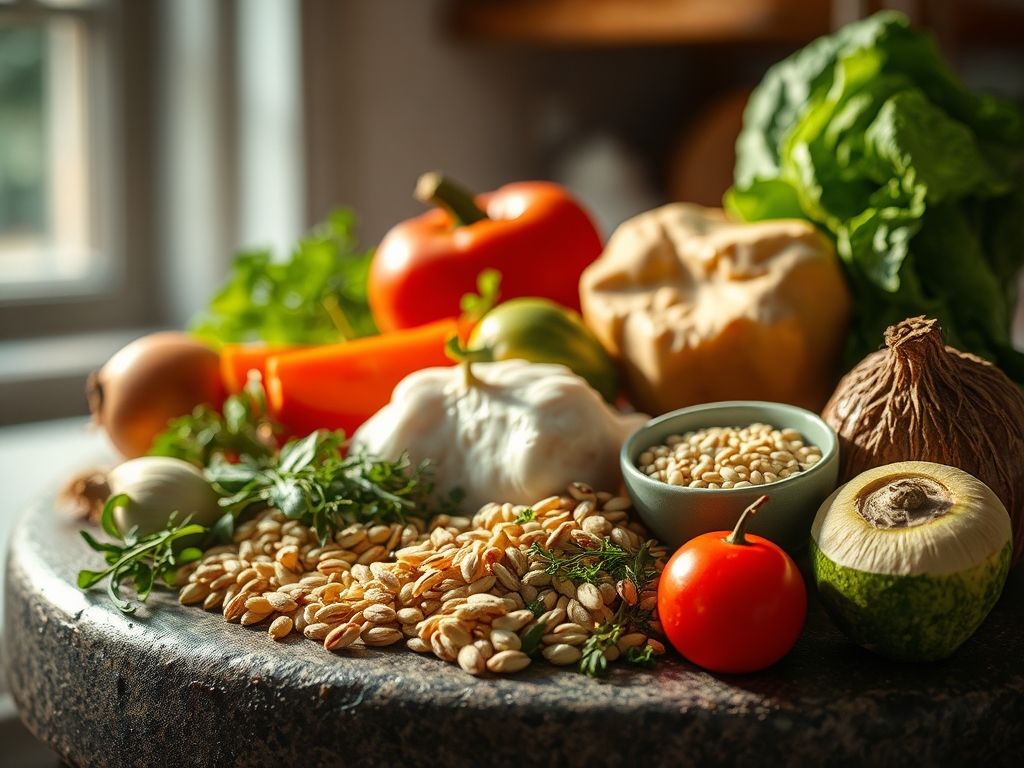
Before we ignite the burners, we must organize our mise-en-place. To succeed with low salt chicken recipes, your ingredient selection must be high-impact and volatile. Start with four six-ounce air-chilled chicken breasts; air-chilled poultry contains less water than brine-injected meat, ensuring a more concentrated protein flavor. Gather your aromatics: three cloves of garlic, a two-inch knob of fresh ginger, and two shallots. These contain sulfurous compounds that provide a savory "base note" similar to sodium.
For the acidity, grab two lemons and a bottle of high-quality white balsamic vinegar. Acidity mimics the "spark" of salt by stimulating the salivary glands. For the fat, choose a high-smoke-point oil like avocado oil or Ghee. Smart Substitutions are your secret weapon here. Instead of soy sauce, use coconut aminos; they provide a viscous, umami-rich sweetness with significantly less sodium. Swap table salt for toasted cumin seeds or smoked paprika. These spices provide a "perceived saltiness" through their earthy, pungent aromas. Finally, have a handful of fresh cilantro and mint ready. Fresh herbs contain volatile oils that dissipate under heat, so we will use them as a finishing touch to aerate the dish with freshness.
The Clock
Efficiency in the kitchen is about the Chef's Flow. This is the art of overlapping tasks so that no second is wasted. Total prep time for these hacks is fifteen minutes, while active cooking time spans twenty minutes.
Start your "Macro-Flow" by prepping your aromatics first. While the chicken tempers on the counter (never cook meat straight from the fridge), use your microplane to zest the citrus and grate the ginger. This allows the essential oils to begin oxidizing, deepening their flavor profile. The "Micro-Flow" happens at the stove; while the chicken renders and browns in the skillet, you will be whisking your deglazing liquid. By the time the chicken reaches its internal temperature, your sauce is already reducing. This synchronized rhythm ensures that the meat remains succulent while the flavors stay vibrant and sharp.
The Masterclass
1. Tempering and Surface Tension
Remove your chicken from the refrigerator twenty minutes before cooking. Use a paper towel to pat the surface bone-dry. Moisture is the enemy of browning; any surface water will turn to steam, preventing the golden crust we crave.
Pro Tip: This process facilitates the Maillard reaction. When the surface is dry, amino acids and reducing sugars can bond at 285 degrees Fahrenheit, creating hundreds of different flavor compounds that salt simply cannot replicate.
2. The High-Heat Sear
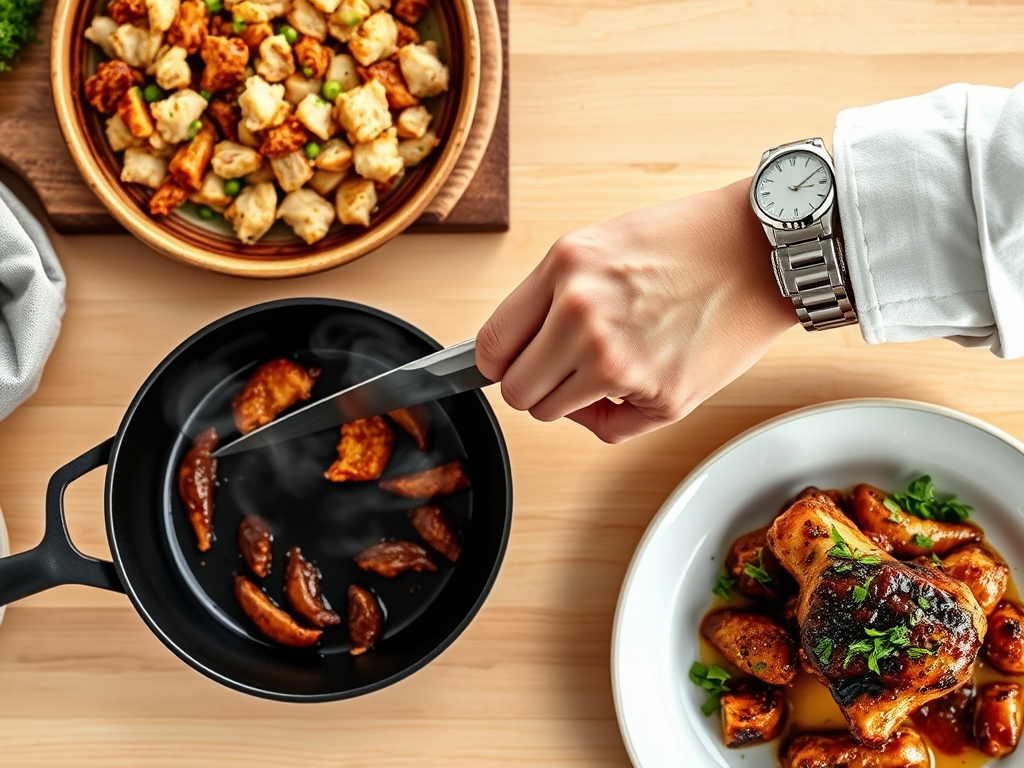
Heat your heavy-bottomed skillet until the oil shimmering. Place the chicken in the pan using tongs, laying it away from you to avoid splashes. Do not move it. Let the protein fibers relax and brown.
Pro Tip: This is known as thermal conduction. Moving the meat too early causes it to tear and prevents the formation of a "fond," which is the caramelized brown bits stuck to the pan that serve as our flavor foundation.
3. Aromatics and Lipid Infusion
Lower the heat slightly and add your minced garlic, ginger, and shallots. Toss them in the rendered fat surrounding the chicken. The fat acts as a solvent, extracting flavor from the aromatics and distributing it evenly across the meat.
Pro Tip: Many flavor compounds in spices are lipid-soluble. By sautéing them in oil rather than boiling them in water, you unlock a deeper, more resonant "piquant" profile that lingers on the tongue.
4. Deglazing the Fond
Pour in your white balsamic vinegar or a splash of citrus juice. Use a wooden spoon or a bench scraper to loosen the caramelized bits from the bottom of the pan. This liquid will quickly become a viscous, flavorful glaze.
Pro Tip: This is deglazing. The acid in the liquid dissolves the protein bonds of the fond, incorporating those intense, roasted flavors back into a sauce that coats the chicken.
5. The Butter Baste (Optional)
Add a tablespoon of unsalted butter and a sprig of thyme. Tilt the pan and use a large spoon to continuously pour the foaming butter over the chicken. This adds a nutty, rich finish.
Pro Tip: This technique, called arrosé, uses the milk solids in the butter to create a toasted flavor while providing a protective layer that prevents the meat from drying out.
6. Monitoring Internal Temperature
Use a digital scale or an instant-read thermometer to check the thickest part of the breast. Remove the chicken when it hits 160 degrees Fahrenheit.
Pro Tip: This accounts for thermal carryover. The internal temperature will continue to rise about five degrees while resting, bringing the chicken to a perfect, juicy 165 degrees without overcooking the exterior.
7. Resting the Protein
Transfer the chicken to a cutting board and let it sit for five minutes before slicing. This allows the muscle fibers to relax and reabsorb the juices.
Pro Tip: If you cut too soon, the viscous juices will run out, leaving the meat dry. Resting ensures the moisture stays locked within the cellular structure of the protein.
8. The Acidic Finish
Just before serving, squeeze fresh lemon juice over the sliced chicken and top with your freshly chopped herbs.
Pro Tip: This provides a hit of ascorbic acid, which cuts through the richness of the fats and "wakes up" the taste buds, creating a sensory experience that mimics the sharpness of salt.
9. Aerating with Fresh Herbs
Gently toss the herbs on top. Do not cook them. The residual heat from the chicken is enough to release their volatile oils without turning them bitter.
Pro Tip: This aeration of fresh aromatics provides a top-note fragrance that hits the olfactory receptors first, tricking the brain into perceiving a more complex and satisfying flavor profile.
The Deep Dive
When we look at the macro nutrition of these low salt chicken recipes, we see a power-packed profile. A standard serving offers approximately 35 grams of protein and only 65 milligrams of naturally occurring sodium. For those with dietary restrictions, these hacks are incredibly versatile. To make this Vegan, swap the chicken for extra-firm tofu or cauliflower steaks; use the same searing and deglazing techniques to achieve a similar umami depth. For Keto enthusiasts, increase the butter baste and use apple cider vinegar instead of balsamic to keep the carb count near zero.
Even experts run into trouble. If your chicken is "The Fix-It" candidate because it turned out rubbery, you likely skipped the tempering phase. If the flavor feels "flat," you need more acid; a teaspoon of apple cider vinegar can save a dull sauce. If your garlic burned, your pan was too hot; next time, add the aromatics only after the initial sear is complete. For meal prep, the science of reheating is vital. To maintain "day-one" quality, reheat your chicken in a covered dish with a tablespoon of water or broth. This creates a steam chamber that prevents the proteins from tightening and becoming tough in the microwave.
The Wrap-Up
Mastering low salt chicken recipes is not about deprivation; it is about culinary liberation. By understanding how heat, acid, and fats interact, you transform a simple piece of poultry into a gourmet experience. You are no longer leaning on a mineral to do the heavy lifting. Instead, you are using the Maillard reaction to create depth and citrus to provide clarity. These nine hacks are your toolkit for a healthier, more vibrant kitchen. Go grab that heavy-bottomed skillet and start experimenting; your taste buds are about to go on a very sophisticated adventure.
The Kitchen Table
How do I make chicken taste good without salt?
Focus on the Maillard reaction for savory depth and use high-acid ingredients like lemon or vinegar to stimulate the palate. Aromatics like garlic, ginger, and toasted spices provide the "piquant" punch that salt usually offers.
What is the best salt substitute for chicken?
Lemon zest and smoked paprika are elite choices. The zest provides a bright "high note" that mimics salt's sharpness, while smoked paprika adds an earthy, savory "bass note" that satisfies the craving for heavy seasoning.
Can I use frozen chicken for low salt recipes?
Yes, but thaw it completely and pat it bone-dry. Frozen chicken often contains extra moisture; if not dried, it will steam rather than sear, preventing the development of the essential flavor-packed crust.
How do I prevent salt-free chicken from being dry?
Use a meat thermometer and pull the chicken at 160 degrees Fahrenheit. Allow it to rest for five minutes. This utilizes thermal carryover and ensures the juices stay locked within the protein fibers for maximum succulence.