
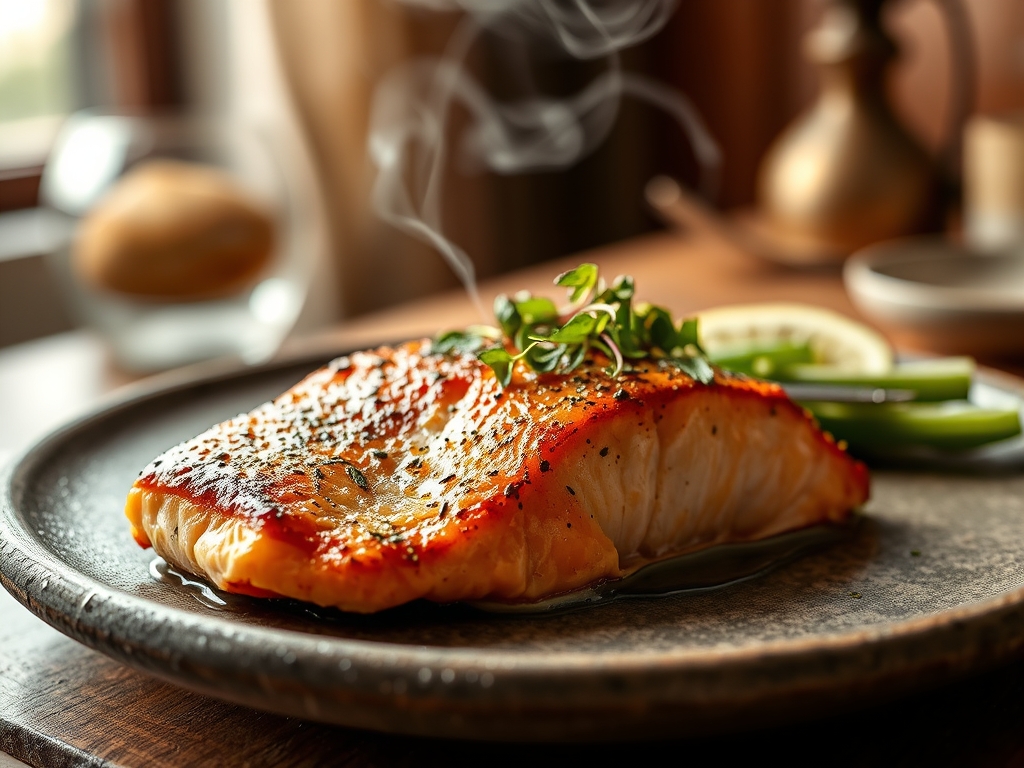
Picture a golden, buttery crust shattering under your fork to reveal a flake so tender it practically dissolves. If the mere mention of seafood makes you cringe, you are likely haunted by memories of dry, "fishy" fillets. This guide changes that narrative with nine salmon recipes for people who don't like fish by focusing on flavor masking and texture modification. We are moving beyond the ocean and into the realm of high-end umami.
The secret to winning over a skeptic lies in the Maillard reaction; that chemical dance where amino acids and reducing sugars transform under heat to create savory, toasted notes. By treating salmon like a steak rather than a delicate lily, we bridge the gap between "oceanic" and "craveable." Whether we are glazing it in a piquant miso caramel or crusting it in crushed pistachios, the goal is to neutralize trimethylamine; the compound responsible for that "fishy" scent; using acids and aromatics. You are about to become the person who asks for seconds.
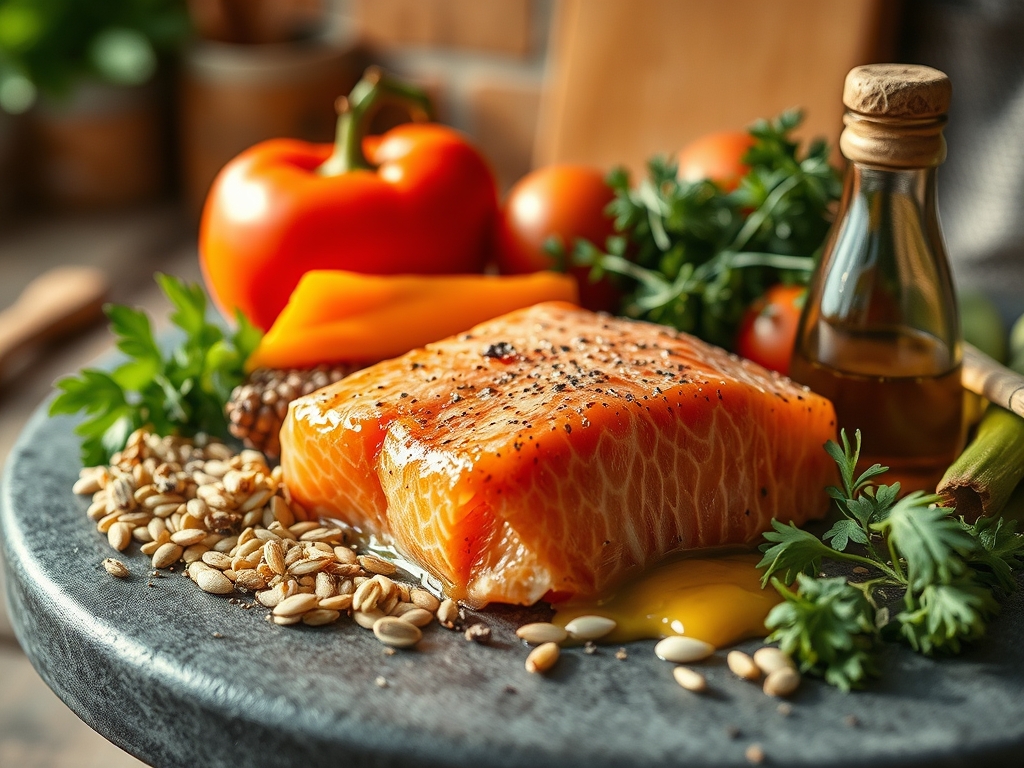
The Gathers:
Setting up your station is about more than just convenience; it is about controlling the variables of heat and moisture. For these nine variations, your mise-en-place should look like a laboratory of texture. You will need high-fat components like avocado oil or ghee to render the skin into a crisp wafer. Grab your microplane for zesting citrus and grating fresh ginger; these volatile oils are your primary defense against unwanted odors.
Smart Substitutions: If you find the flavor of King salmon too robust, opt for Steelhead trout. It is technically a different species but shares the same lipid profile while offering a much milder, cleaner finish. For those avoiding dairy, a viscous cashew cream provides the same mouthfeel as heavy cream when building a pan sauce. Always have a digital scale ready; precision in portioning ensures that every piece of protein reaches the ideal internal temperature at the exact same moment.
The Clock
Efficiency in the kitchen is what we call "Chef's Flow." For these recipes, expect a 15-minute prep window and a 10-to-12-minute cook time. The magic happens in the rest period. Most skeptics hate salmon because it is overcooked. By pulling the fish off the heat three degrees early, you allow thermal carryover to finish the job without toughening the muscle fibers. Total time from fridge to table is under 30 minutes; faster than most delivery apps can even assign a driver.
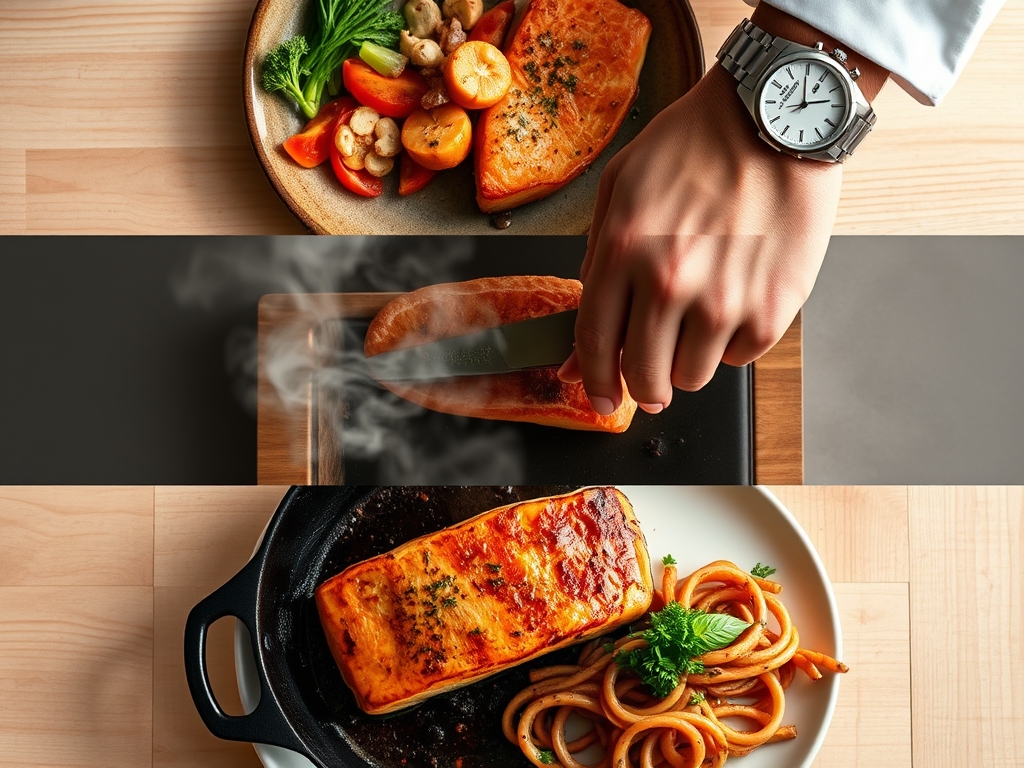
The Masterclass
1. The Acid Soak and Pat Dry
The first step for any skeptic is a quick five-minute soak in a saline and lemon bath. This helps to denature the surface proteins and neutralize surface odors. Use a lint-free paper towel to remove every trace of moisture.
Pro Tip: Moisture is the enemy of the Maillard reaction. If the surface is damp, the fish will steam instead of sear, resulting in a rubbery texture rather than a crisp crust.
2. High-Heat Searing in a Heavy-Bottomed Skillet
Place your heavy-bottomed skillet over medium-high heat until the oil shimmers. Lay the salmon skin-side down using tongs. Press down firmly for thirty seconds to prevent the skin from curling.
Pro Tip: Pressing the fish ensures even contact with the pan, allowing the collagen in the skin to gelatinize and then crisp uniformly, creating a "bacon-like" appeal.
3. The Butter Baste and Infusion
Once you flip the fillet, drop a knob of cold butter, smashed garlic, and thyme into the pan. Use a large spoon to continuously douse the fish in the foaming fat.
Pro Tip: This technique, known as arrosage, uses the butter as a heat transfer medium to gently cook the top of the fish while infusing it with nutty, toasted milk solids.
4. Deglazing for the Pan Sauce
Remove the fish and immediately deglaze the pan with a splash of white wine or chicken stock. Use a bench scraper or whisk to lift the "fond"; those flavorful brown bits stuck to the bottom.
Pro Tip: The fond contains concentrated umami. By emulsifying this into a sauce with a bit of cold butter, you create a rich coating that masks any remaining "sea" flavors.
The Deep Dive
Macro Nutrition
Salmon is a nutritional powerhouse, specifically for its Omega-3 fatty acids (EPA and DHA). These essential fats are integral for brain health and reducing systemic inflammation. A standard 6-ounce portion provides roughly 34 grams of high-quality protein and 100% of your daily Vitamin B12 requirement. For the skeptic, focus on the fact that these fats are what make the fish feel "creamy" rather than "oily."
Dietary Swaps
- Keto: Replace any honey or sugar in glazes with monk fruit sweetener or allulose to maintain that sticky, viscous consistency without the glycemic spike.
- Vegan/Plant-Based: While this guide focuses on salmon, the same flavor profiles (miso, lemon, garlic) work beautifully on pressed extra-firm tofu or "banana blossom" fillets.
- Gluten-Free: Use tamari or liquid aminos instead of soy sauce for all marinades to keep the dish celiac-friendly.
The Fix-It: Troubleshooting
- Problem: The fish is sticking. Fix: Your pan wasn't hot enough, or you tried to flip it too early. The fish will naturally "release" once the proteins have caramelized.
- Problem: White goo is oozing out. Fix: That is albumin. It happens when the heat is too high, forcing the protein out of the muscle fibers. Lower your flame and pull the fish sooner.
- Problem: It still tastes "fishy." Fix: Increase your acid. A final squeeze of fresh lime or a dash of apple cider vinegar cuts through trimethylamine instantly.
Meal Prep and Reheating
To maintain "day-one" quality, never microwave salmon. The high-intensity waves vibrate water molecules too violently, toughening the fish. Instead, reheat it in a 275-degree oven with a splash of water and a tight foil lid. This creates a gentle steam chamber that restores moisture without overcooking the core.
The Wrap-Up
Winning over a fish-hater is all about distraction and technique. By focusing on the crunch of a perfect sear and the depth of a well-balanced sauce, you move salmon out of the "healthy chore" category and into "comfort food." Use your tools; the heavy-bottomed skillet and the digital scale; to remove the guesswork. You aren't just cooking dinner; you are performing a culinary exorcism on those old, soggy seafood memories.
The Kitchen Table
Why does my salmon always smell fishy?
Fishiness is caused by the breakdown of Trimethylamine N-oxide. To prevent this, buy high-quality, cold-stored fillets and rinse them with an acidic solution like lemon juice or milk before cooking to neutralize the odor-causing compounds.
What is the best salmon for beginners?
Atlantic salmon or Steelhead trout are best for skeptics. They have a higher fat content and a milder flavor profile compared to Sockeye or Coho, which can be leaner and have a much more intense, "gamey" ocean flavor.
How do I know when salmon is done?
Use a digital thermometer to pull the salmon at 125 degrees Fahrenheit for medium-rare or 130 degrees for medium. The internal temperature will rise about five degrees while resting, ensuring a moist, flakey texture that isn't dry.
Can I cook salmon from frozen?
Yes, but for the best texture, thaw it in the fridge overnight. If you must cook from frozen, use a moist-heat method like poaching or parchment-wrapped baking to prevent the outside from toughening before the center thaws.